Photographing the Wildlife Species Endemic to Ethiopia: Ethiopian Wolves, Gelada Baboons & Nyalas Antelopes
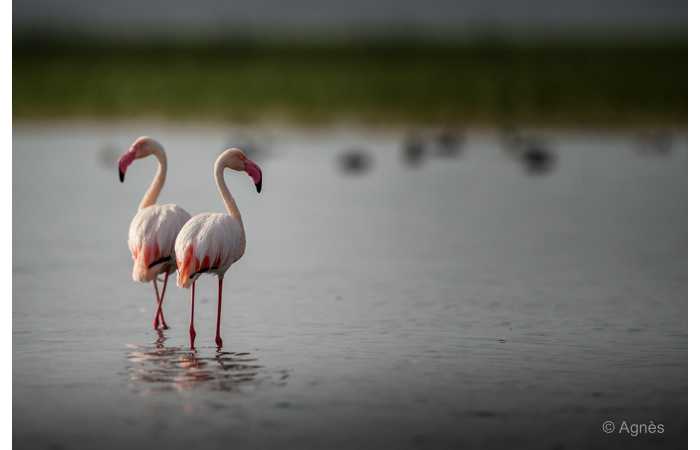
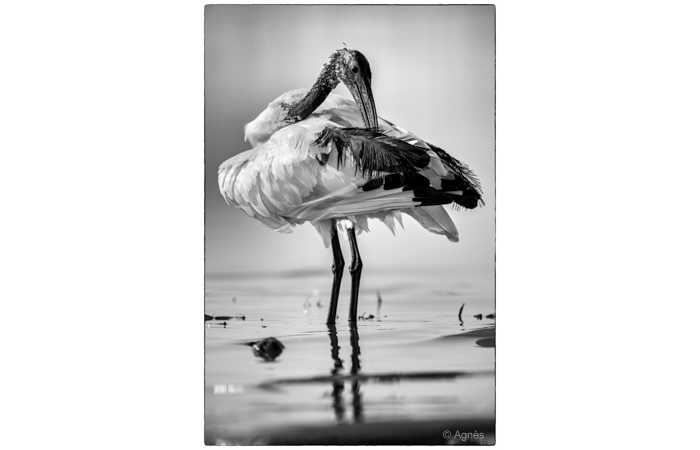
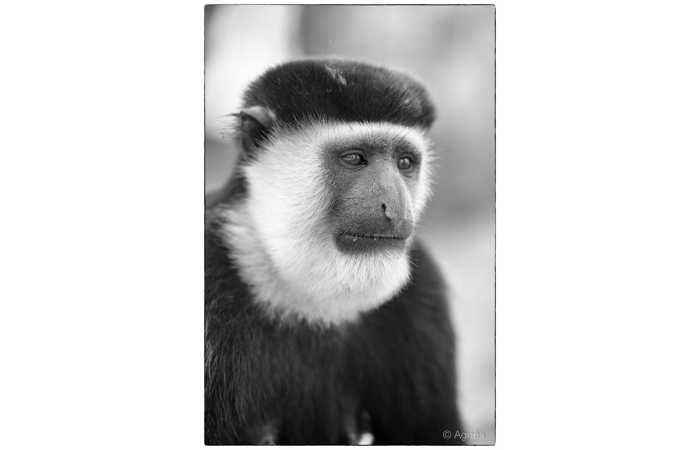
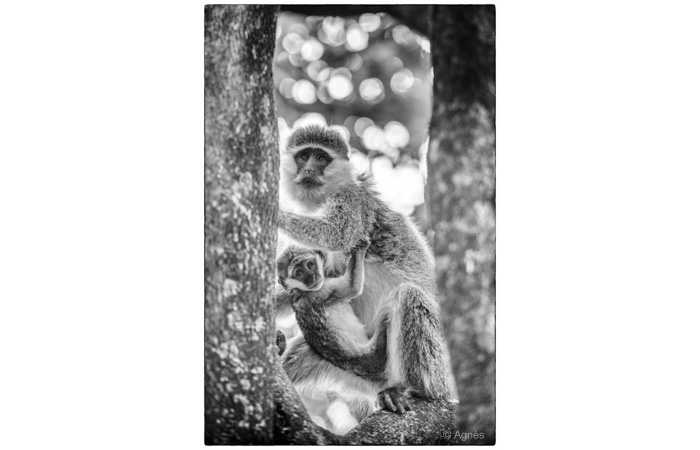
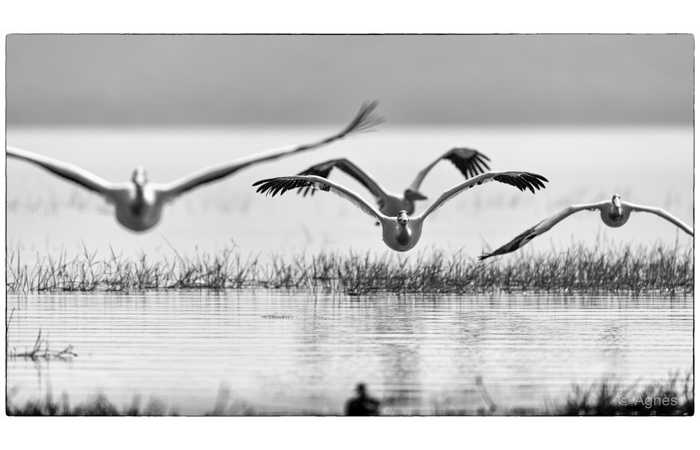
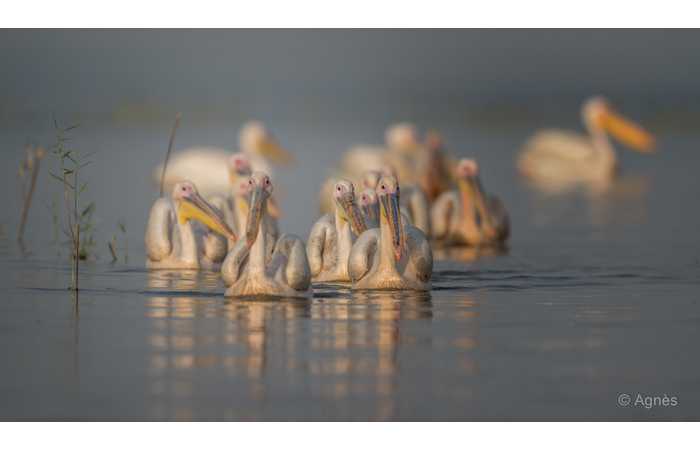
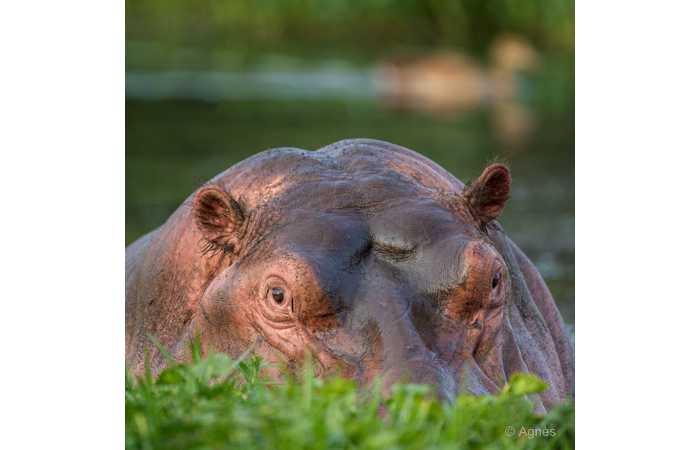
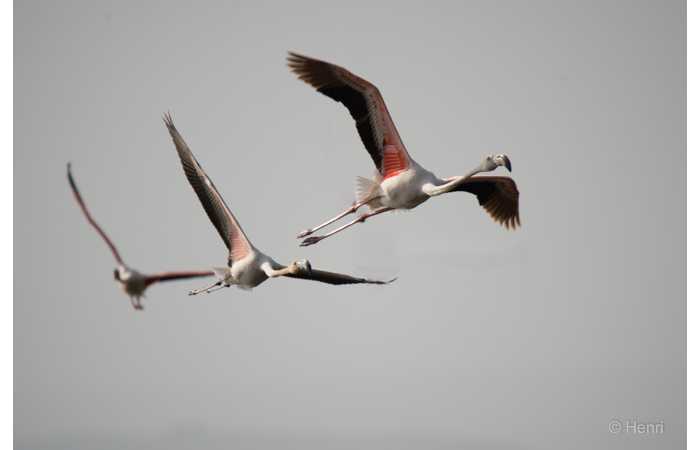
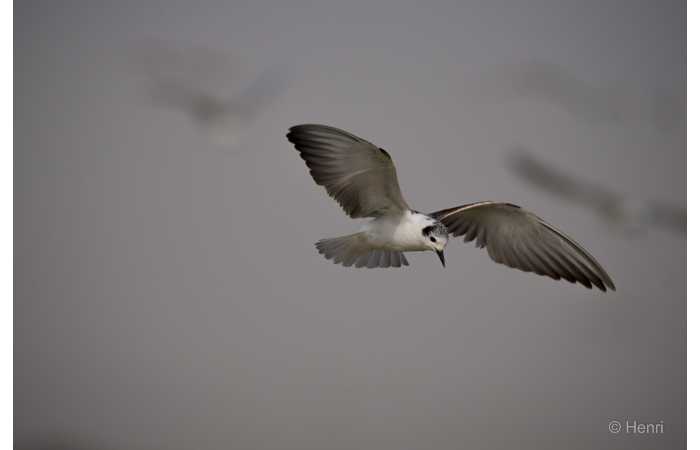
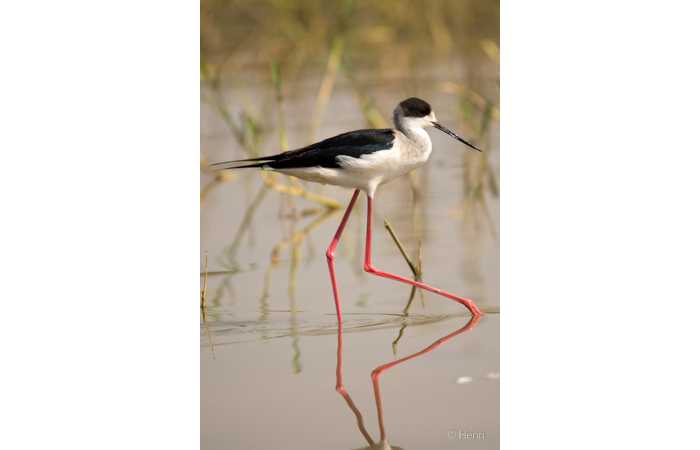
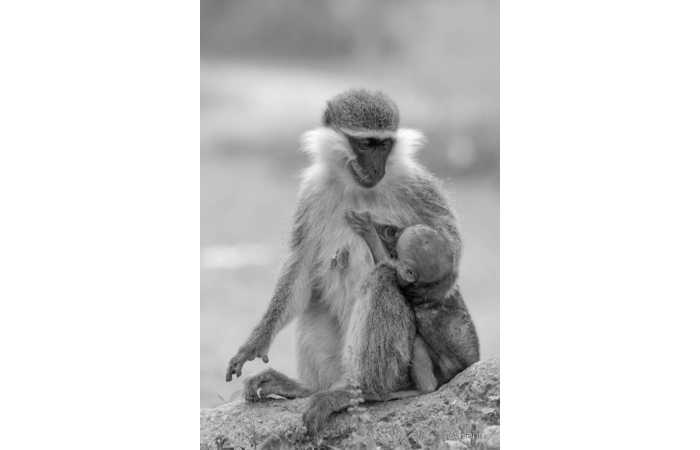
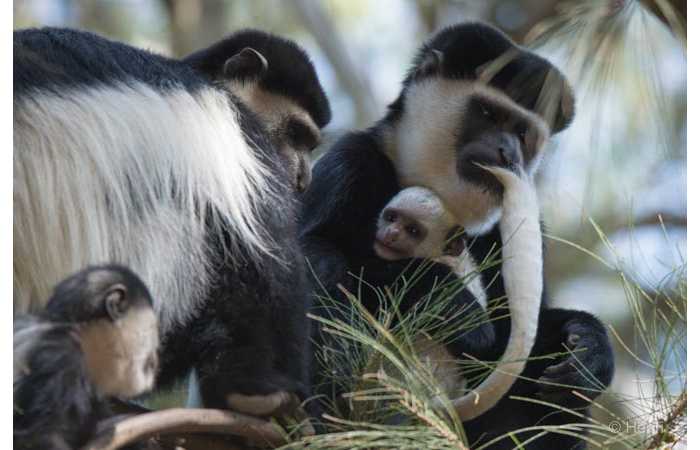
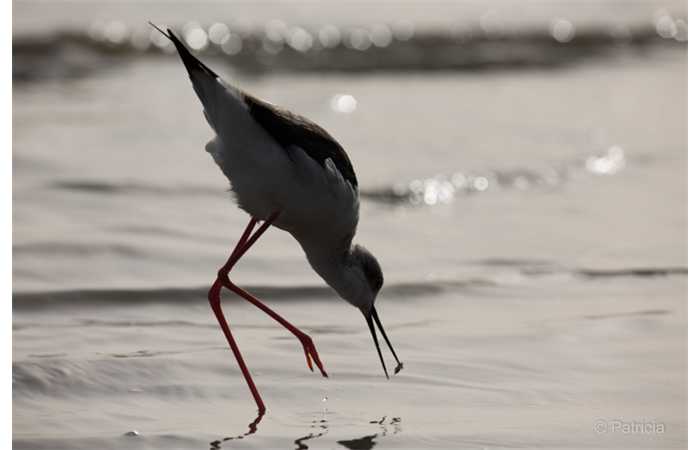
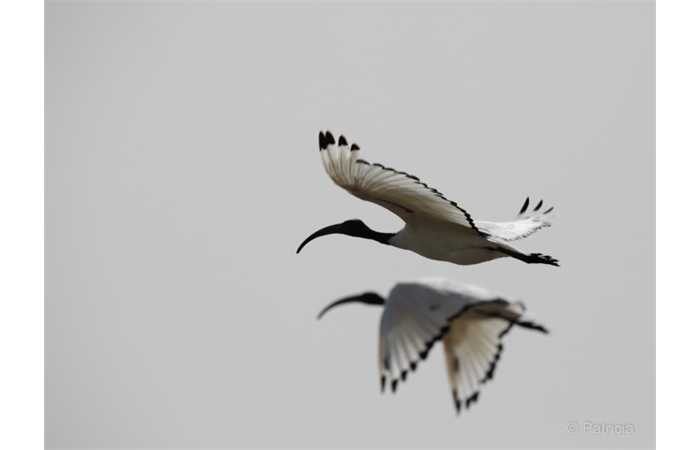
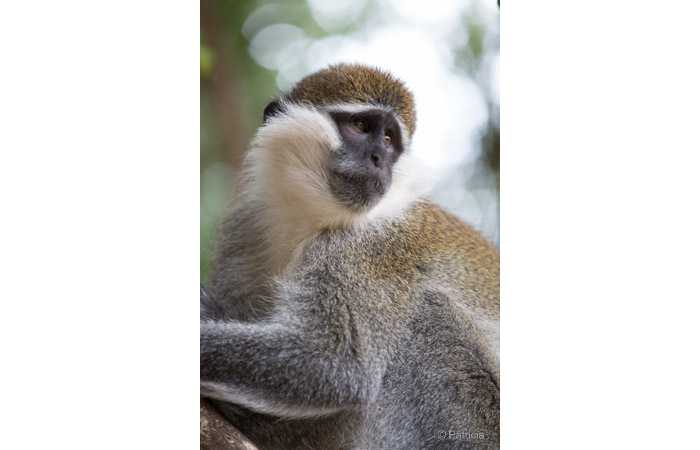
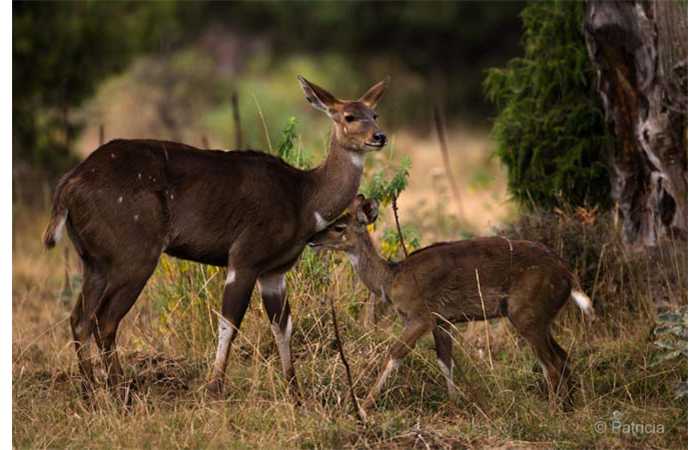
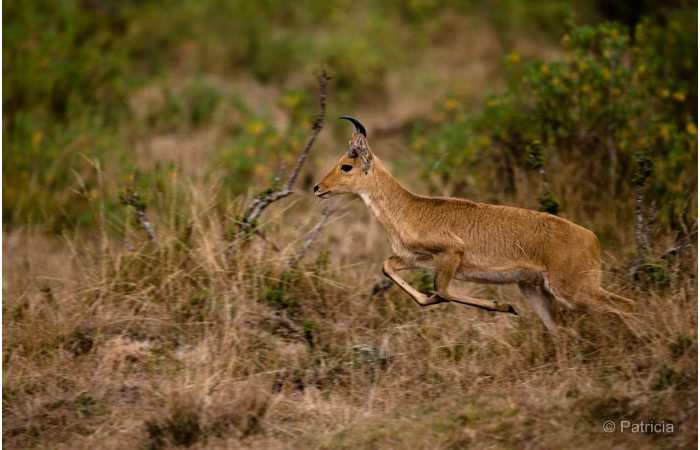
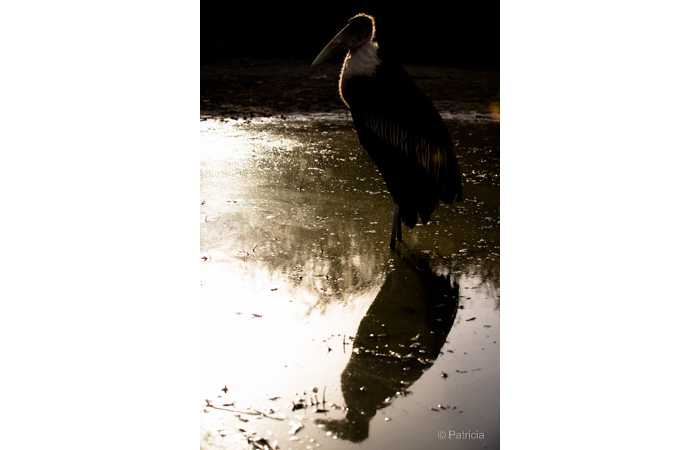
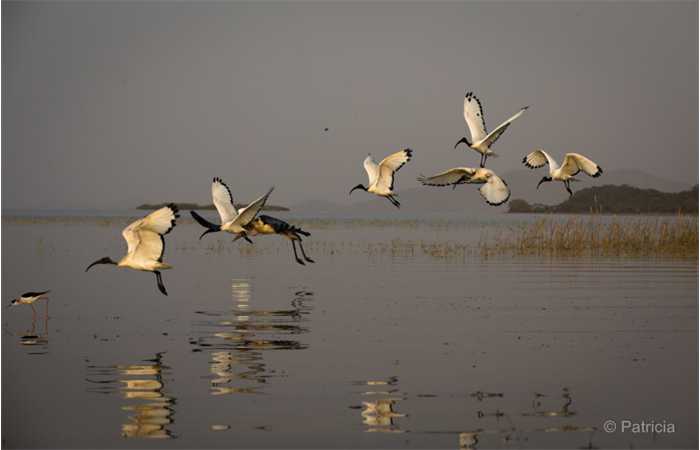
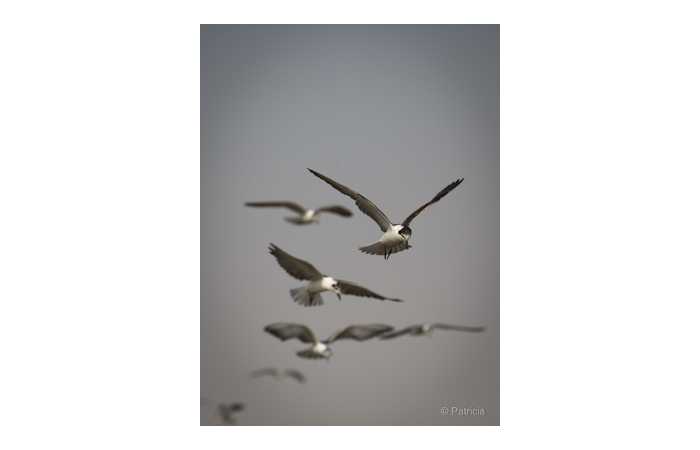
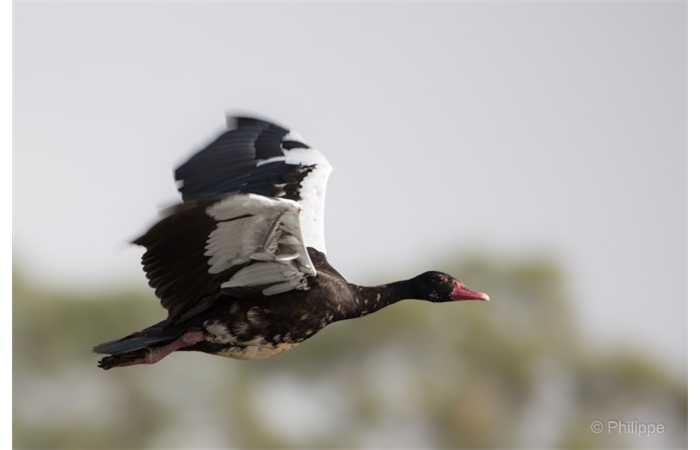
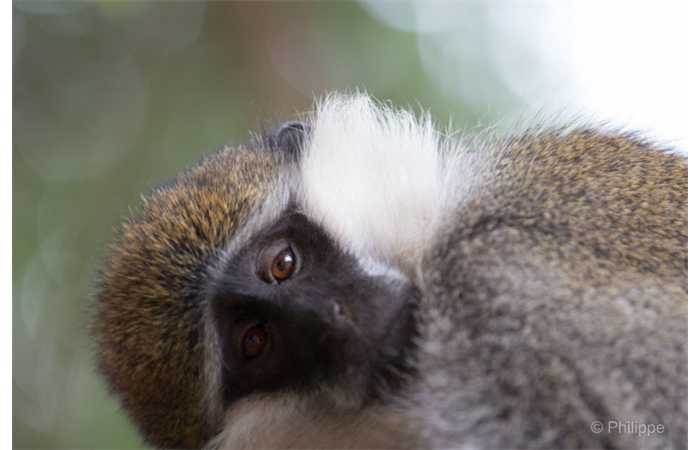
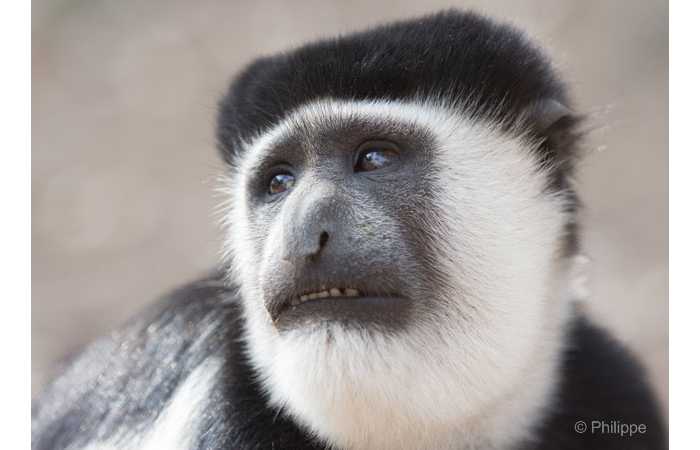
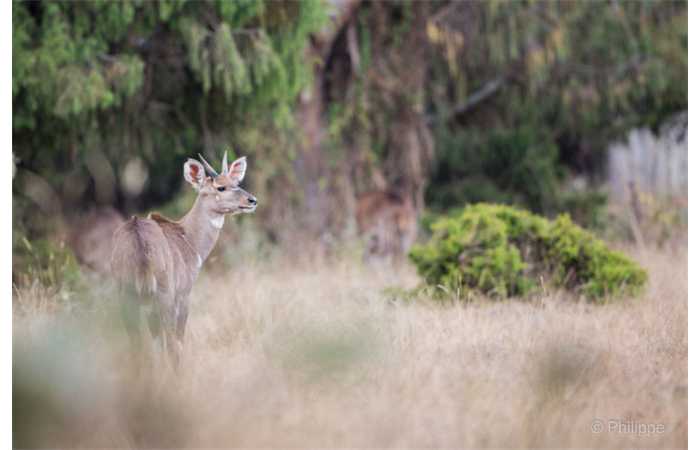
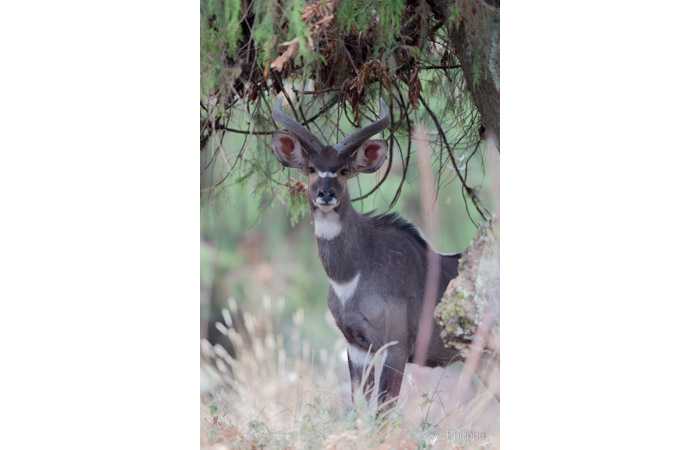
In the February of 2016, we accompanied a group of photographers whilst they were engaged in a photo workshop in Ethiopia. The theme that we had chosen for this affair was entitled “Photographing the last of the Ethiopian Wolves as well as the Gelada Baboons”. This excursion not only served as an opportunity to photograph a number of unique land mammals but also numerous different species of birds, including, but not limited to, African Fish Eagles, White - Winged Terns, African Sacred Ibises and Yellow - Billed Storks. The participants of the journey were also allowed to experience a number of chances whence they could photograph an even greater variety of animals such as Hippopotami, Colobus Monkeys and Nyalas Antelopes.
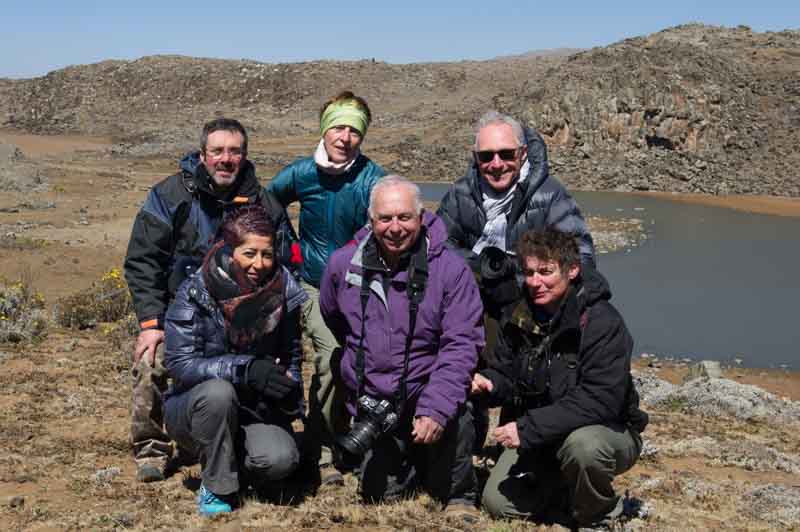
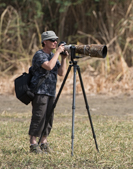
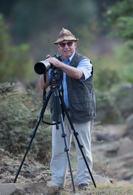
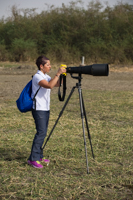
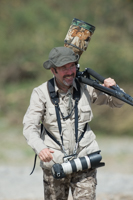
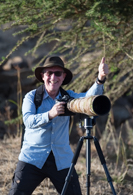
The participants of the photo workshop in Ethiopia: Philippe, Agnes, Isabelle, Henri, Patricia et Andrew.
Ethiopian Wolves and Gelada Baboons
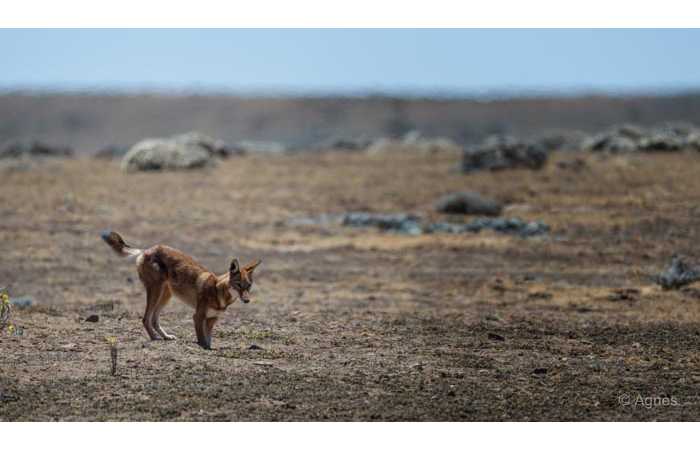
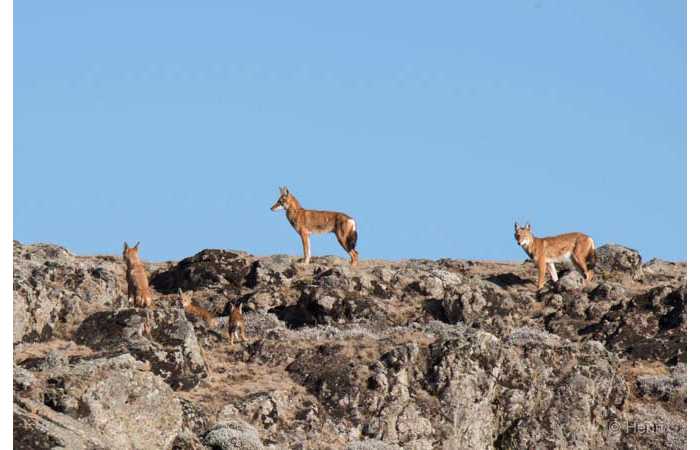
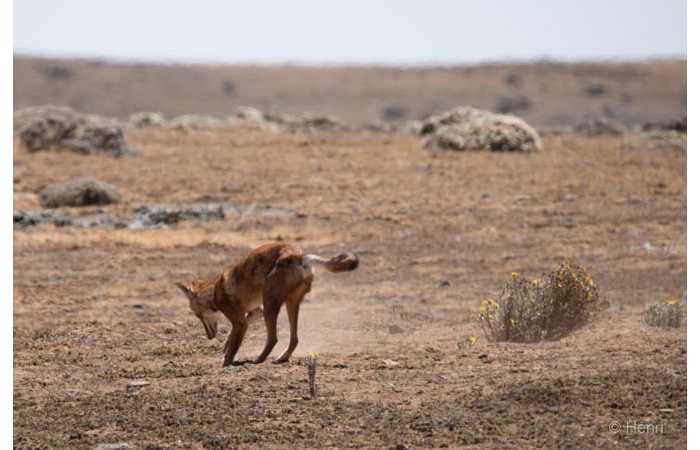
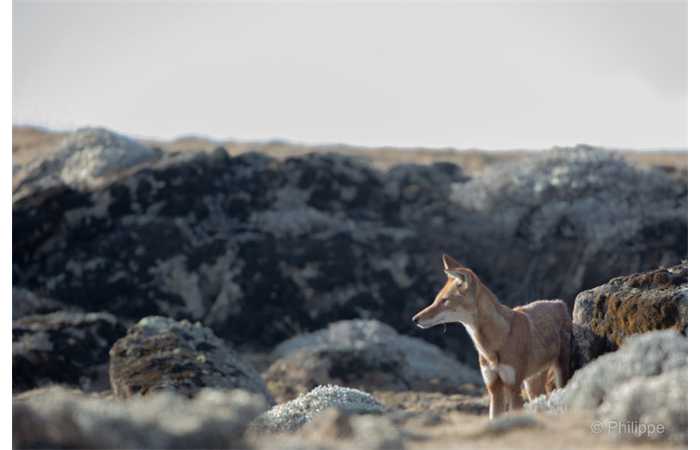
One of the strong points of this voyage of wildlife photography was about photographing the Ethiopian Wolves (Canis simensis), still called Abyssinian wolf. It is the second most rarest canid in the world (after the Red Wolf) : there remains less than 500 individuals in a state of nature, with 300 of them located within the Bale Mountains national park (within central Ethiopia, within the Bale mountains, at around 4500m of altitude), and none in captivity. These wolves, whom nourish themselves primarily off of rodents (notably by hunting the giant mole rat) live in family groups. Their numbers have been considerably diminished these last few years, primarily due to the transmission of diseases from dogs and the increase in pastoral activity on the high plateaus. For approximately 20 years, a campaign of vaccination has been in the works and has been associated with the creation and development of the national park and of its rules and this has stabilized the wolf population on the plateau.
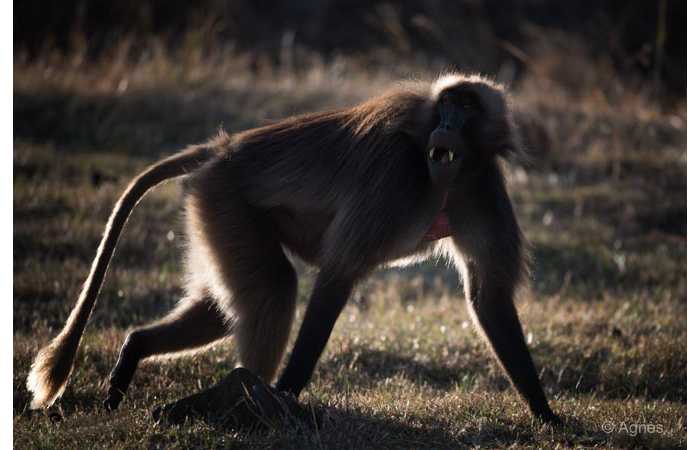
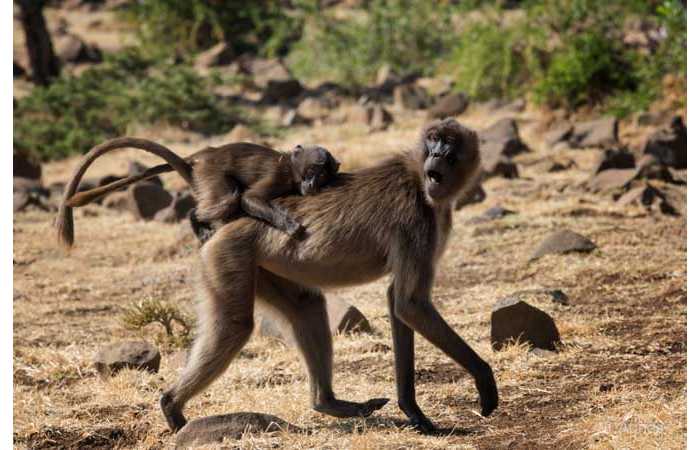
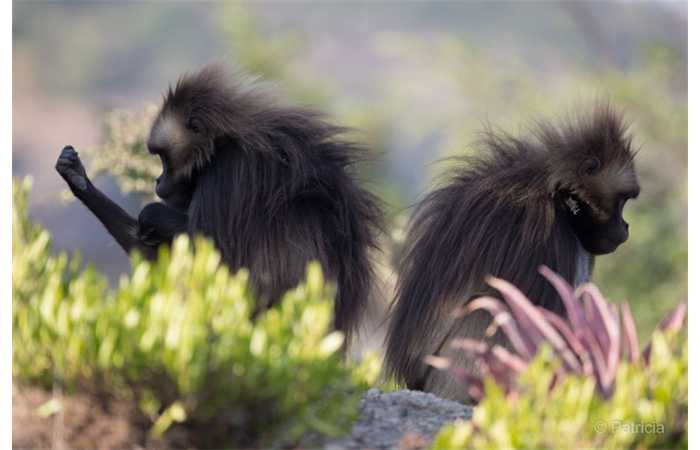
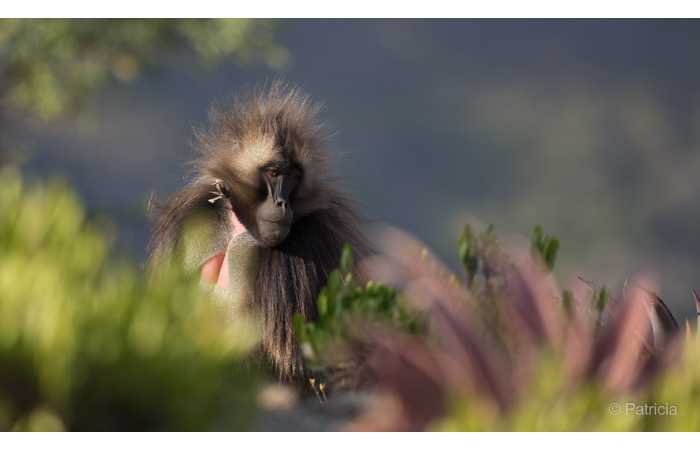
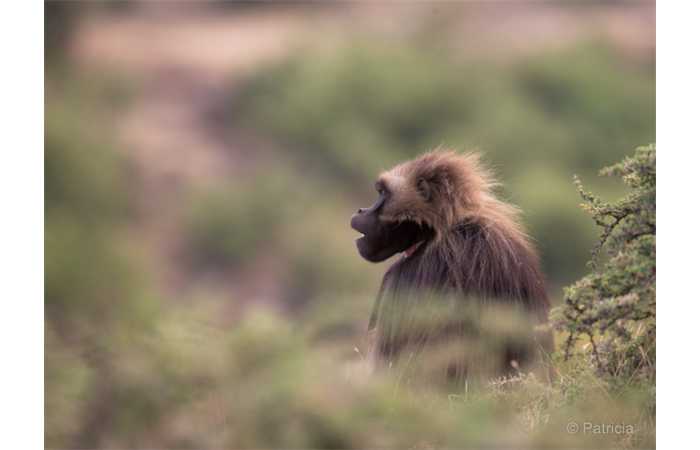
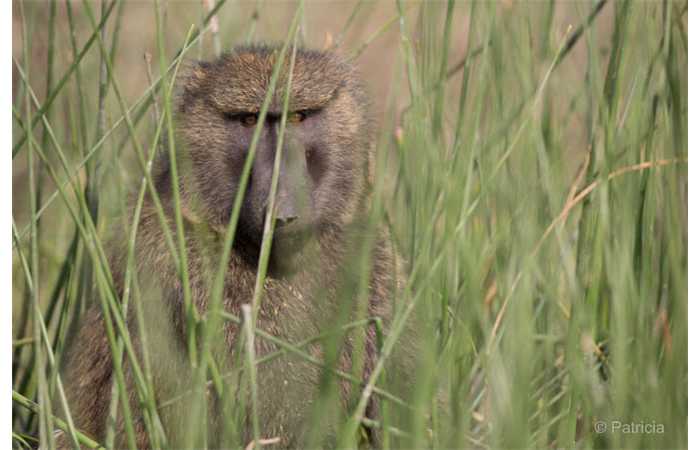
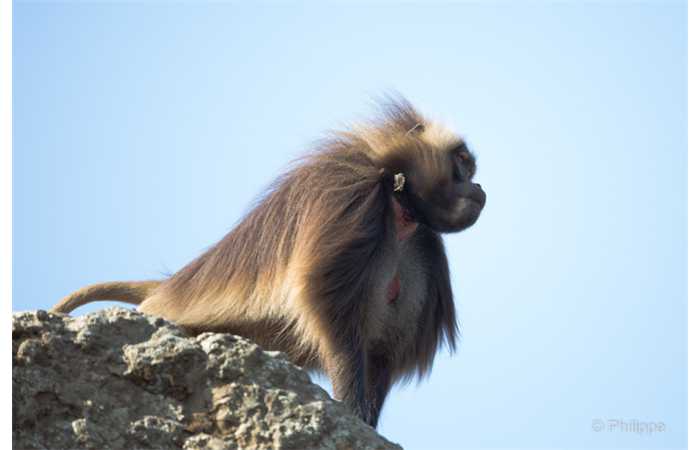
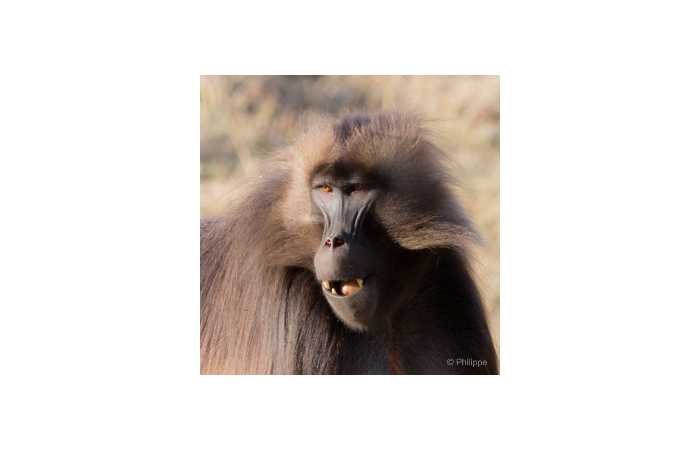
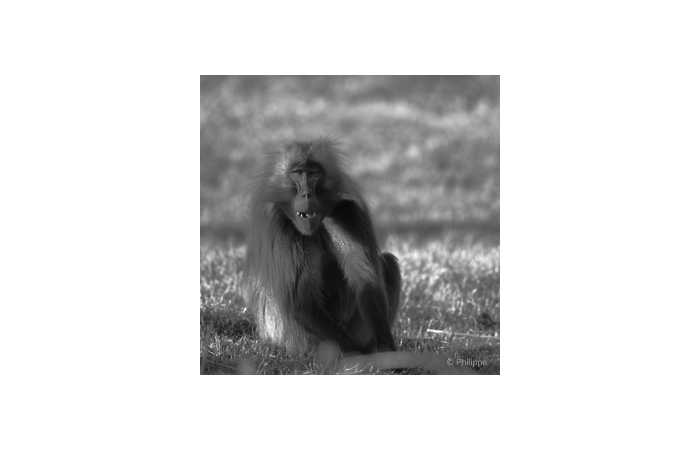
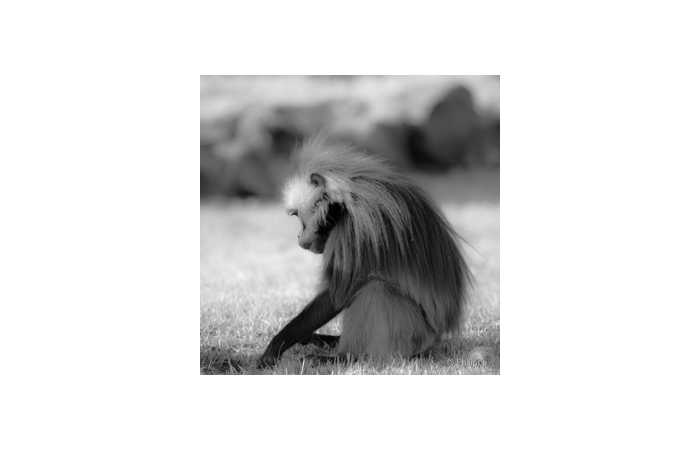
Other strong points of this voyage were the Gelada Baboons. This big monkey resembles the baboon and lives upon the high plateaus of Eritrea and in Ethiopia. Even though the Gelada is as large as many baboons, that it has an elongated face and is subject to the same sexual dimorphism, it is not part of the same species. The Gelada live in small groups comprised of one male and multiple females and their progeny. It is on vigilance and aggressiveness of the male Gelada upon which the security of the harem rests. The male expends great effort so as to grasp a power as fragile as it is tiring, while the females attached themselves especially to their young. Closely nit between one another, they will leave an old chief for a young one.
Ethiopia: A Paradise for Wildlife Photographers
Countryside’s of an unbelievable beauty, between the high plateaus at more than 4000 meters of altitude, the humid forest plunged within a magical fog for a photographer’s eye or better yet the lakes populated by birds, here lies the decor of this superb naturalist photography voyage that we organized. This country in addition to its natural beauties is rich in savage fauna, notably the Ethiopian Wolf in great danger. We were guided to the center of the park by a specialized naturalist guide and on the spot park ranger to safeguard the endemic Ethiopian Wolf.
For this voyage, we give you the best photography gifts possible. This photographic voyage had a naturalist and artistic orientation. In addition to our prepared encounter with the wolf, we also followed the endemic Geladas too. A great trip through the country of origins!
Ethiopia is a dream country for wildlife photographers. The country counts near 280 species of mammals, 280 species of birds. Yet the biodiversity is so that near 6600 of the planet’s species can be found throughout the country. The lakes of the region of the Grand Rift valley region contain numerous species of savage birds and animals.
We count a number of important endemic species just as large among mammals as birds that constitute the Ethiopian fauna. The biodiversity of species is notably due to the implantation of human activity in zones already delimited. To this regard it is possible to distinguish the mountainous massifs to the surrounding Low Countries.
A tailor-made trip to realize the best photographs
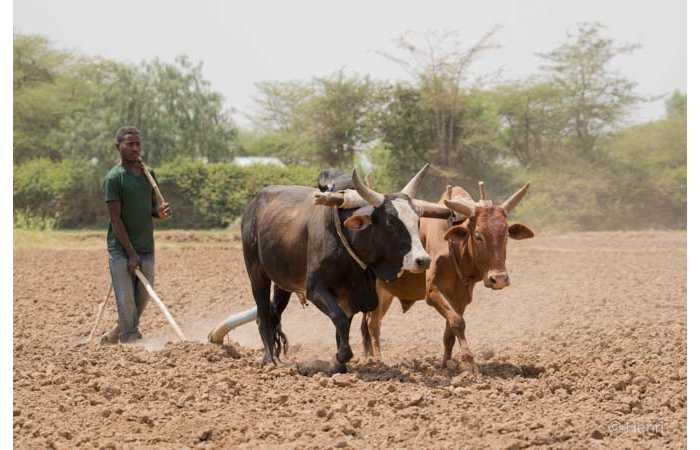
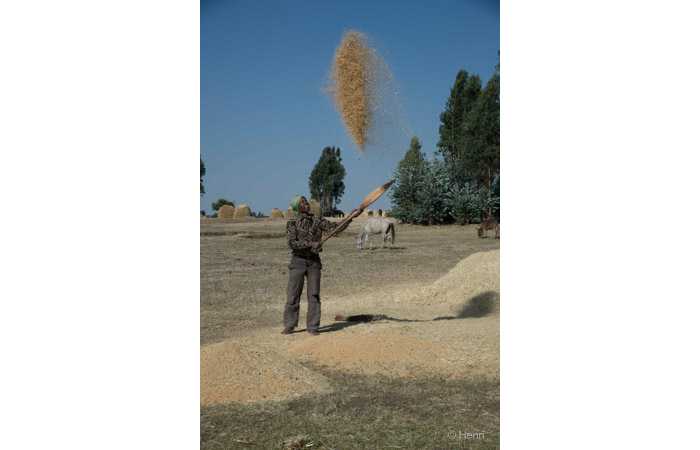
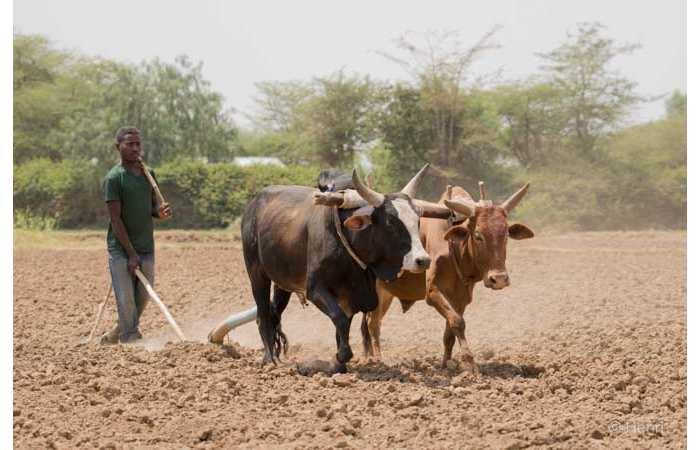
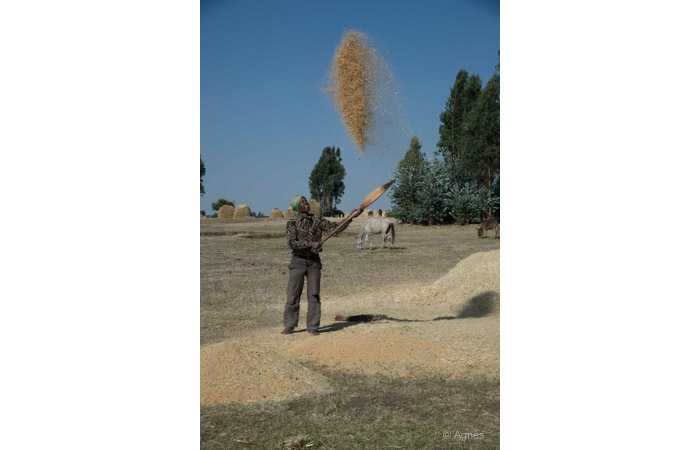
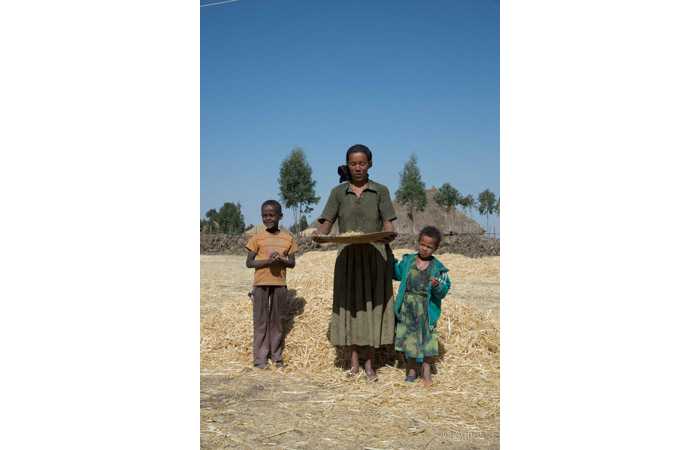
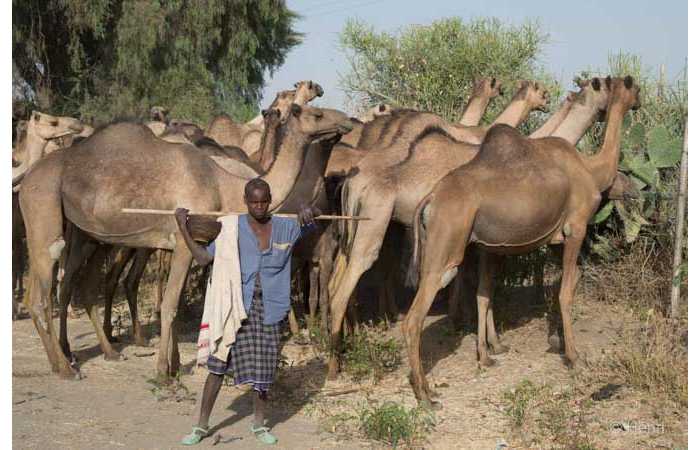
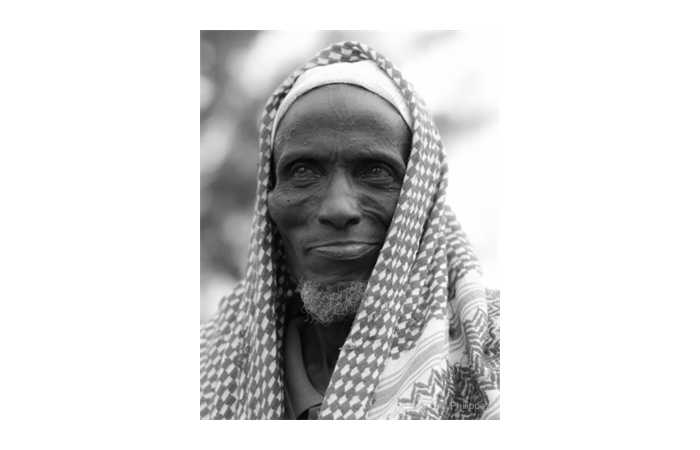
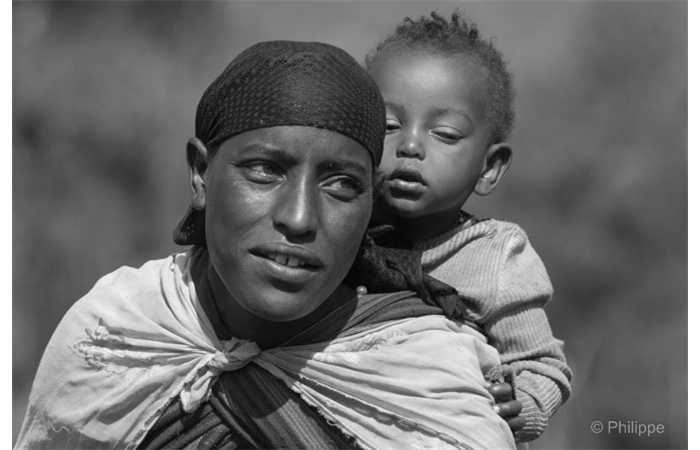
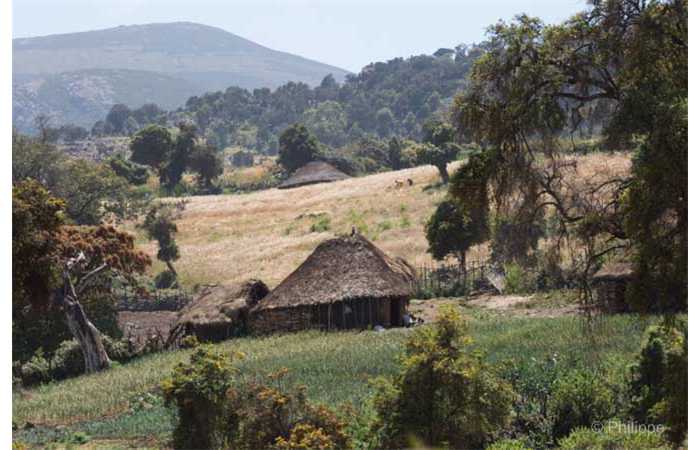
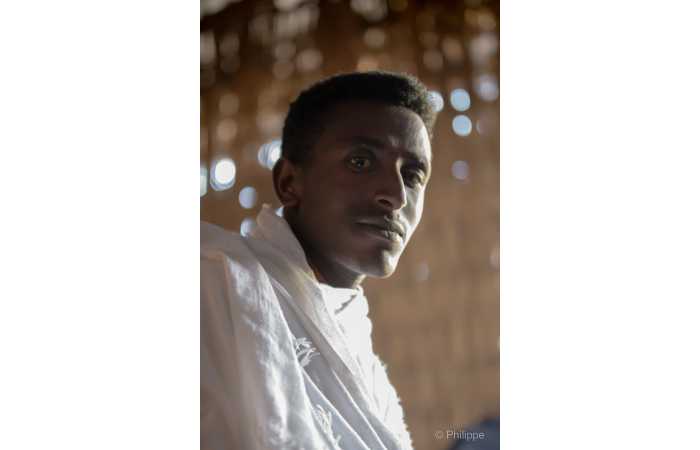
The organization of this voyage was not simple. We had to compose with photographs of birds taken at the edge of lakes, the photographs of mammals realized at altitudes and the photos of Ethiopian life. For each step we choose the time to perfectly match the sites in alignment with the participant’s wishes. The month of February is an important period for Ethiopian farmers. The harvest is harvested by hand, the ears are crushed by cattle and the peasants clean the grain by help of the wind. During the changes between the sites we carried out numerous halves so that the participants could seize these moments of life unique. The realized magnificent clichés that showed the beauty and ancestral knowledge of these peasants whom do not dispose of tractors or motorized machines for harvesting. The culture shock was very strong when faced with the level of poverty the rural population lived in: No phones, no running water and no electricity. We all felt a shock a came back far more humble knowing our level of living.
During the stop at each grand step of our voyage, we organized the voyage in a matter of moving by foot as much as possible while evading the car. This permitted the participants to rest. This was the case on the plateau of the Senetti Plateau where we went to photograph the last of the Ethiopian Wolves.
Throughout this voyage, we only had one single preoccupation: That the participants realize beautiful photos and bring back grand memories. One of the strong moments was certainly our passage through an orthodox Christian church on the plateau of the Bale. We had all been invited to partake in a moment of life with the Ethiopians who gave it freely even when they knew nothing. We were greatly touched by their generosity and kindness.
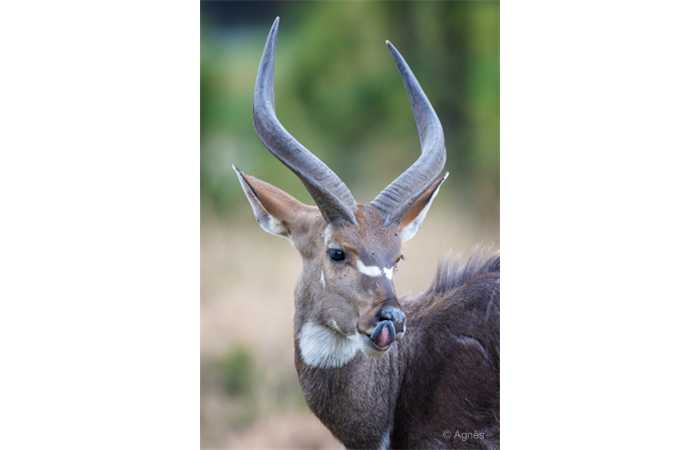
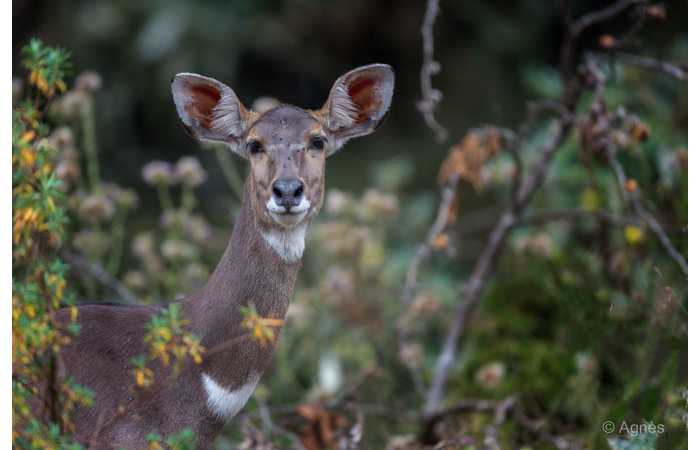
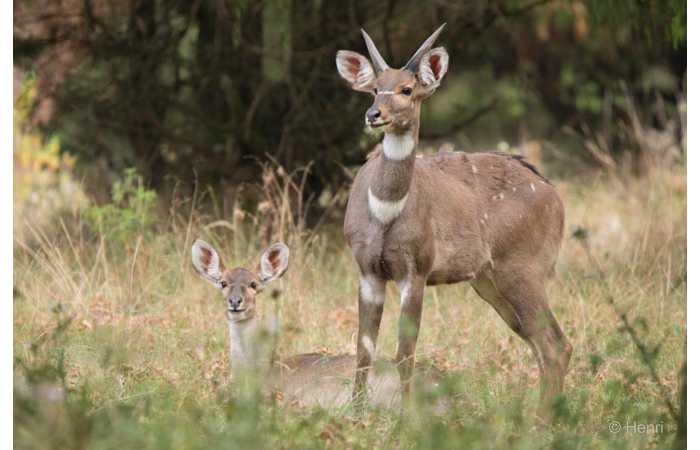
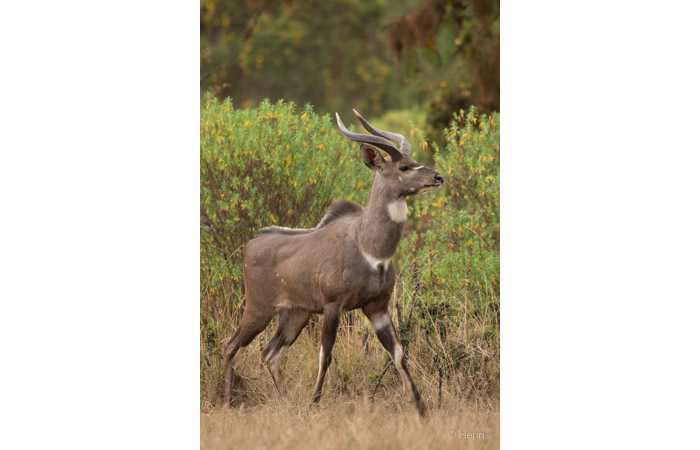
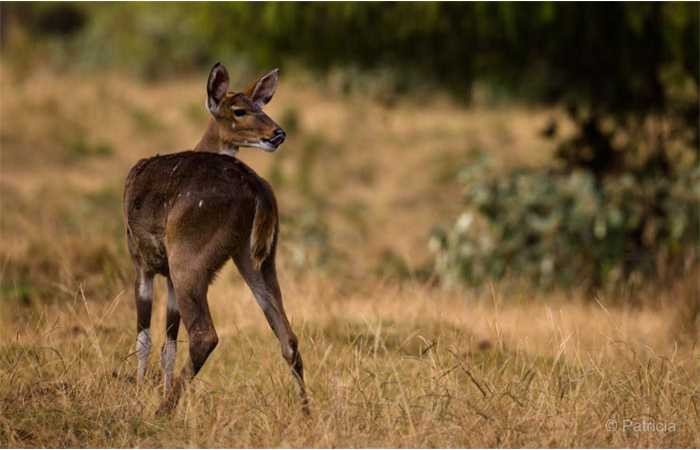
During our wildlife photography sessions, we devoted ourselves to giving the best technical explanations in function to the situation and acting at hand. For example, for photos of birds, we accented the need to use the burst mode and the usage of the autofocus. For the photos of the Nyalas of the mountains, we accented the choice of lighting and decor. For the Gelada Baboons, we privileged the lighting and against days. We have always tried to vary the themes so as to make the photo workshop the most complete possible. But all of our advice remained very pragmatic and easily applicable on the terrain.
Photographic Advice adapted to each photographer
For years, as professional wildlife photographers, we had organized this trip so as to give another group of photographers the desire to partake in our passion for nature and animals. Contrary to France, the animals live in complete symbiosis with the inhabitants. The animals do not run when faced by photographers. It simply requires respecting the safety distances so as to not scare them. Of course this is not true with all species like the wolves or Gelada Baboons. Yet they are cooperative. This allows the group to remain together. We can in effect give out the best possible advice while being in the field. This manner f apprehending wildlife photography permits the participants rapidly progress no matter the framing, the compositions, the behavioral scenes or the bird flights. This trip was a total success on the technical plan and the plan of creativity.
A Warm and Friendly Atmosphere
For this journey “far adventure” consecrated to the beauties of Ethiopian nature, we had chosen to assemble only 5 photographers. We were therefore able to spend large amounts of time with each of them in order to be able to give them the necessary advice but was also an advantage in establishing a warm atmosphere. For this journey, we had reserved a 4x4 as we frequently drove on the trails. In addition we had need for space so as to stow away all of the luggage and photographic equipment. Quickly, the technique exchanges between the expert photographers and beginners permitted for the creation of a warm and friendly ambience. The act of sharing strong moments such as that night at more than 4000 meters in a shelter, permitted for the creation of a climate we can qualify as familial. After several days, we had the impression of making a trip that seemed to have lasted for weeks. Habits of life were created. Each photographer rapidly found their place. The harmony within the group was perfect witness to the opinions of the participants below.
A trip to the height of each participants expectations
Finally, this journey has been to the height of each of the participants expectations. All had come to accomplish a grand dream. We gave them the possibility to do this in the best possible conditions.
We were there to organize, guide and animate the photo workshop and to make known the beauty of nature of this region of Eastern Africa. Finally, we separated somewhat sadly once returned to Addis Abeba as we had lived 10 days in a friendly and fraternal ambiance. Yet we hope to recreate a following trip for this group of talented photographers.
Written Testimonies of the Participants
|
We have lived a grand adventure filled with emotions. This trip was rich in instruction; it was not a formatted trip, fitting in a stereotypical mold. The choice of a local guide is very judicious to handle the problems of comprehension in the language. Handling of the unexpected, knowledge of the sites. The act of being able to take photos other than the animals is very interesting, portrait, scene of life and a bit of landscape. What permits to have a true understanding of the country. |
|
Fabulous stay from all perspectives. I learned a lot about wildlife photography. The technical subjects approached were numerous but always deepened and put into practice. Always joyous and serious ambiance. Strong moments: Difficult to choose, but the encounter with the family of Abyssinian wolves and observation of Geladas Baboons up close will stay in memory. Of course I’ll talk about it around me. In watching these images that place me back in time, I realize that I have made one of the most enriching journeys of my life. |
|
It was truly a beautiful journey with a beautiful harmony amongst the group. |
|
My general impressions on this outing are excellent. I hold on a first to do basis to thank Isabelle and Amar for their friendliness and their professionalism, Muzeyen our Ethiopian guide, as well as Onedou our chauffeur. Without them, there would have been no trip, as the conditions of life and of circulation are particular in Ethiopia.
I had big expectations, and had prepared myself for this trip for a long time. This made that I had been in some ways already weeks in Ethiopia, without being there. Also I was really in a hurry for the trip to commence. MY expectations were principally focused on the photographic nature, but also humanity. Through meetings and sharing, that is for me essential, just as much with the local populations as with the other trainees. We shared a lot, without any real barriers; it was marvelous, just like a big improvised family. |
|
Excellent! I had already accomplished this trip in 2013 and I restarted it with great pleasure. Ethiopia is a fantastic country, especially for the photographers. And I only skimmed the surface. In effect, we hd already limited our trip to a perimeter of around 200 square kilometers around Addis Ababa, the capital. Yet, this country retains many other treasures. Beauty of landscapes varies from plains, to hills and to mountains. Abounding wildlife life. Multitude of birds, of mammals whom certain rare and endemic. |
A gallery of the participants' photos
These photos are organized as a slideshow which plays automatically. Mouse over a photo and the navigation buttons will appear.