• The Art of Choosing
  • Fine Art Prints3 Editions
  • CollectionsAll Collections
  • AboutAmar Guillen
  • Customer Space & Contact
  • Search
  • Select your language

    • English (United Kingdom)
    • Français (France)
  • Just for You
    • Fine Art Prints to Tell Your Story
    • Fine Art Prints to Express Your Difference
    • Fine Art Prints to Shape Your Living Space
    • My Commitments for your Fine Art Prints
    • How to Choose a Fine Art Print - Q&A - FAQ
  • Go Gurther
    • Fine Art Print Blog
    • Explore Some Interiors
  • My Offer
    • 3 Different Editions
    • Different Finishes
  • Visual Journeys
    • New Creations
    • All Fine Art Prints
    • Searching Using Criteria
  • Browse by Edition
    • Unique Edition
    • Limited Edition
    • Open Edition
  • Browse by Style
    • Black and White
    • Color
    • Fusion
    • Impression
    • Back to Black
    • Landscapes in Black and White
    • Landscapes in Color
    • Animals in Black and White
    • Animals in Color
  • Browse by Theme
    • Landscape
    • Wildlife
    • Underwater
    • Abstract
    • Symbolic
    • Landscapes of the United States
    • Landscapes of France
    • Landscapes of Scotland
    • Seascapes
    • Relaxing
    • Energizing
    • Playful
  • Browse by Format
    • Rectangular
    • Square
    • Panoramic
  • Contact Me
    • Contact Me by Email or Phone
  • Collections
    • New Collections
    • All Collections
  • Browse by Theme
    • Landscapes
    • Wildlife
    • Underwater
    • Abstract
    • Symbolic
    • Landscapes of France
    • Landscapes of the United States
  • Browse by Style
    • Black and White
    • Color
    • Impression
    • Back to Black
    • Fusion
  • Contact Me
    • Contact Me by Email or Phone
  • Discover More About Me
    • Discover Who is Amar Guillen
    • Artistic and Photographic Statement
  • Galleries and Portfolios
    • Photo Galleries
    • Portfolios
  • Contact Me
    • Contact Me by Email or Phone
  • Your Customer Space
    • Create or Manage your Account
    • Your Download Space
    • Your Orders
  • Contact Me
    • Contact Me by Email or Phone

Photographing the Wildlife Species Endemic to Ethiopia: Ethiopian Wolves, Gelada Baboons & Nyalas Antelopes

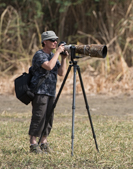
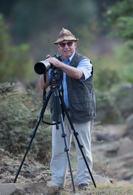
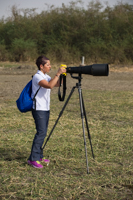
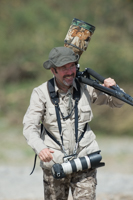
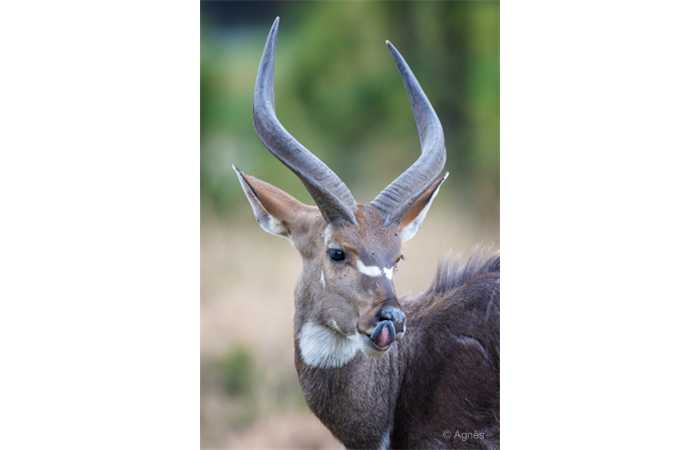
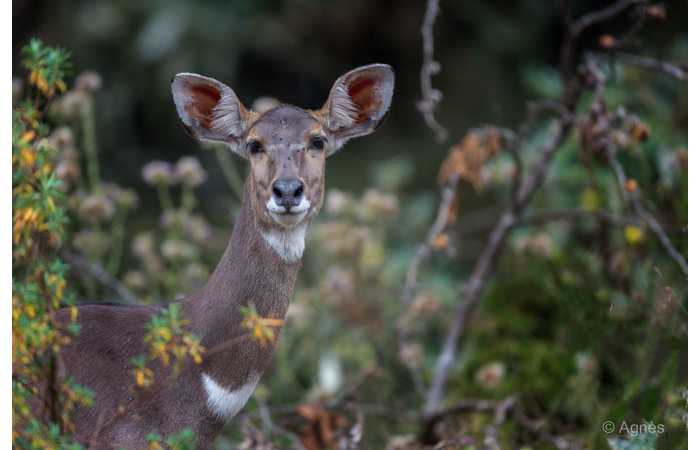
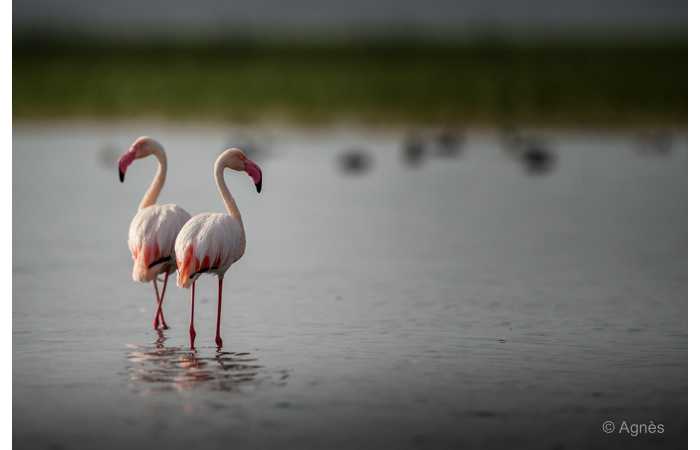
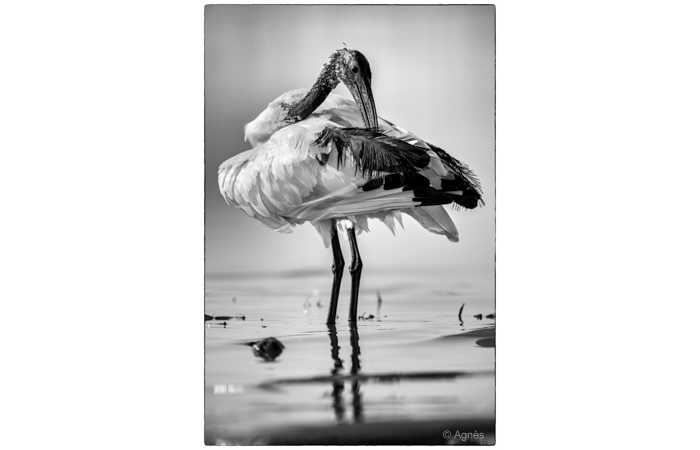
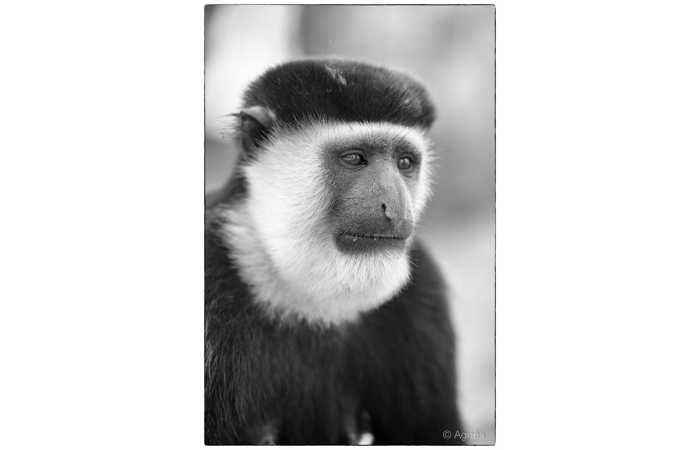
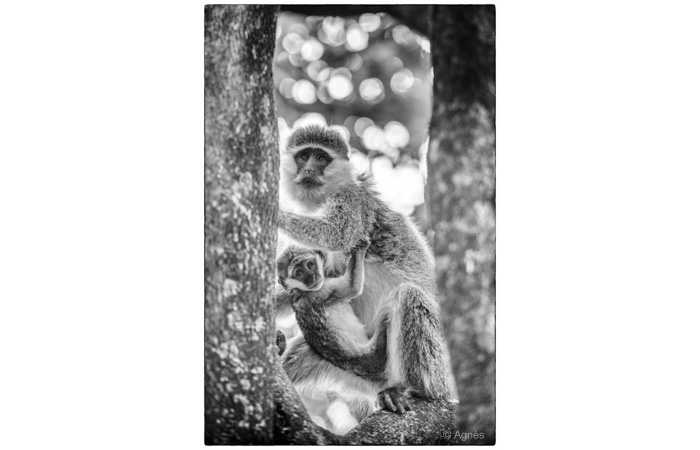
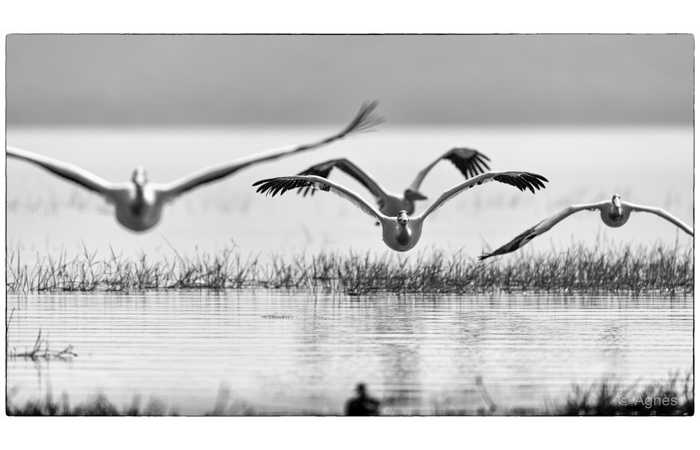
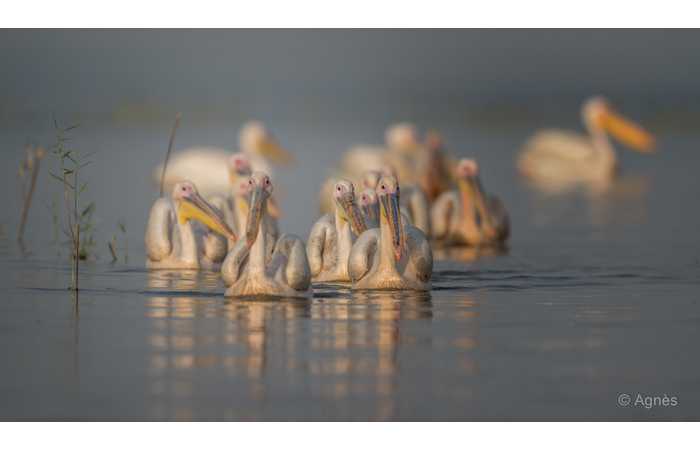
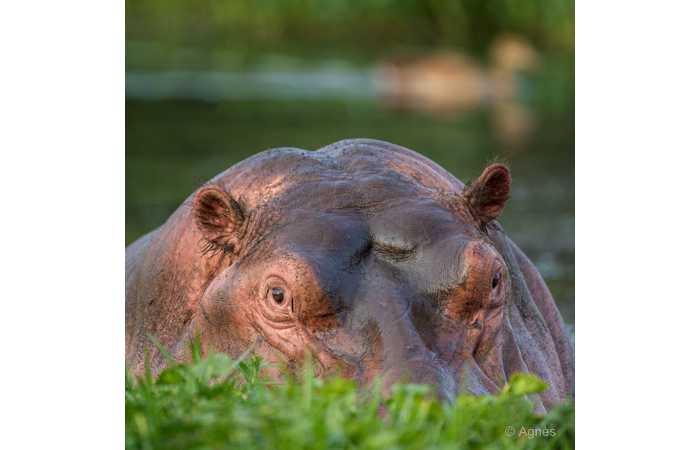
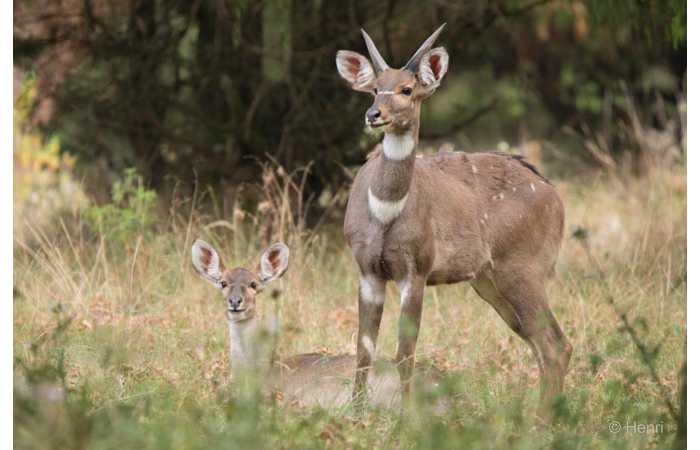
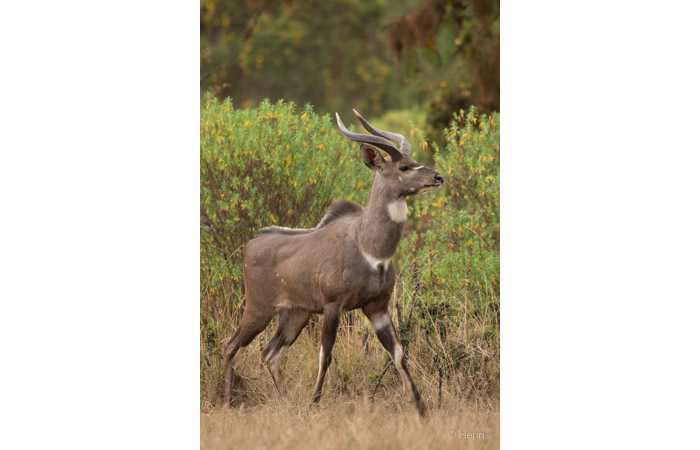
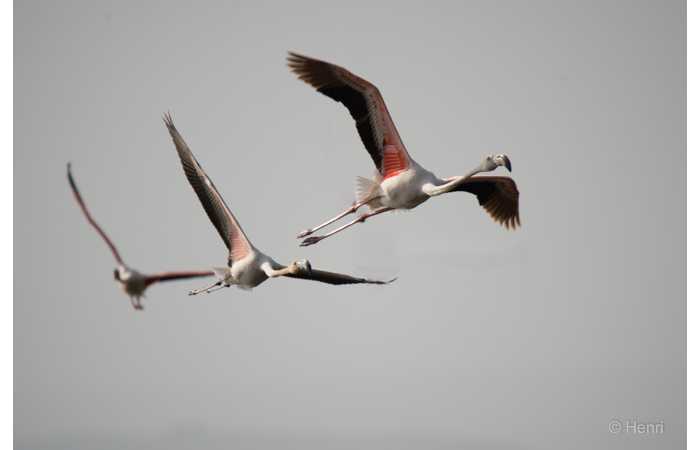
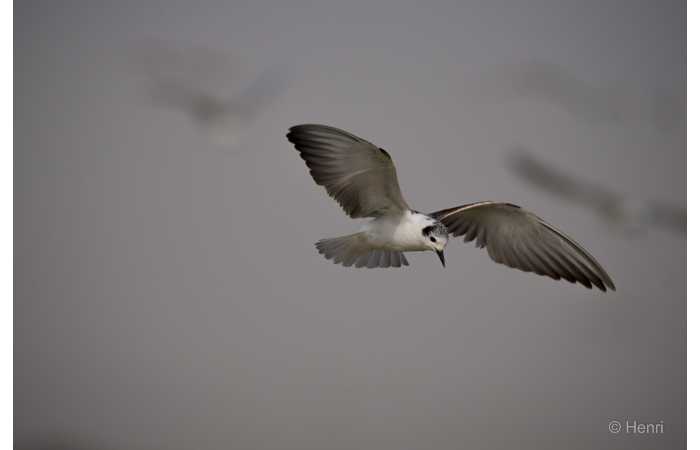
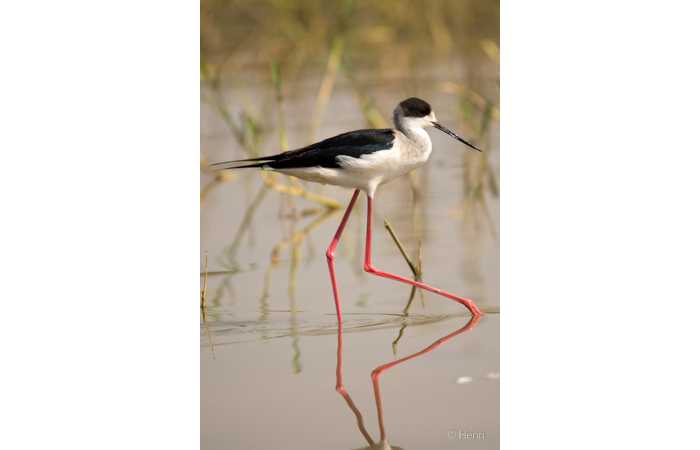
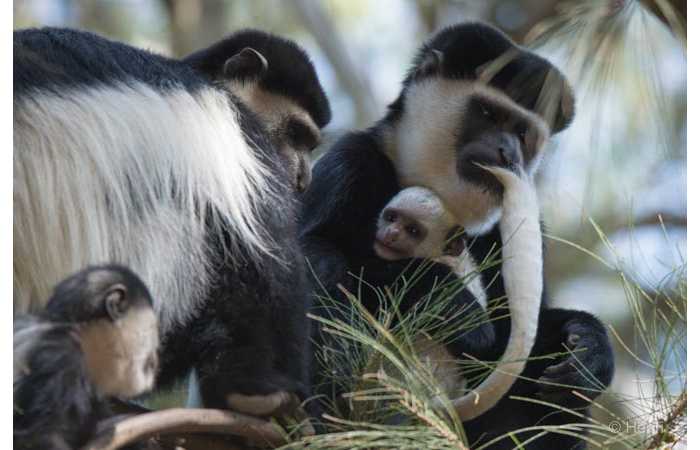
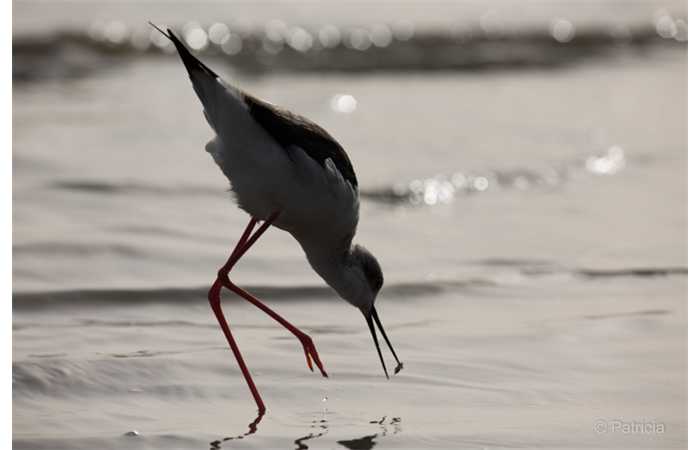
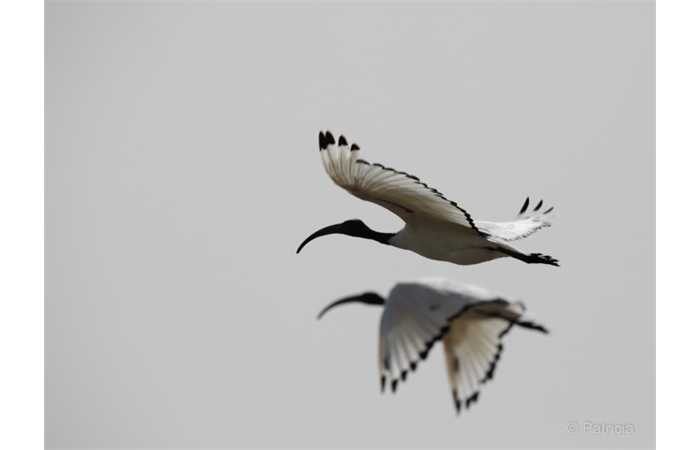
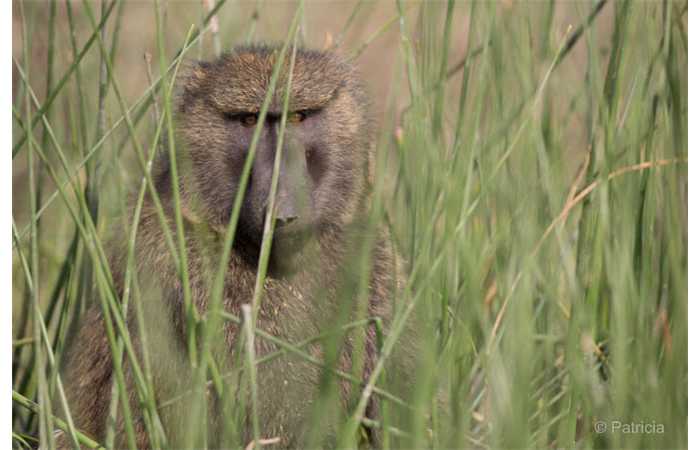
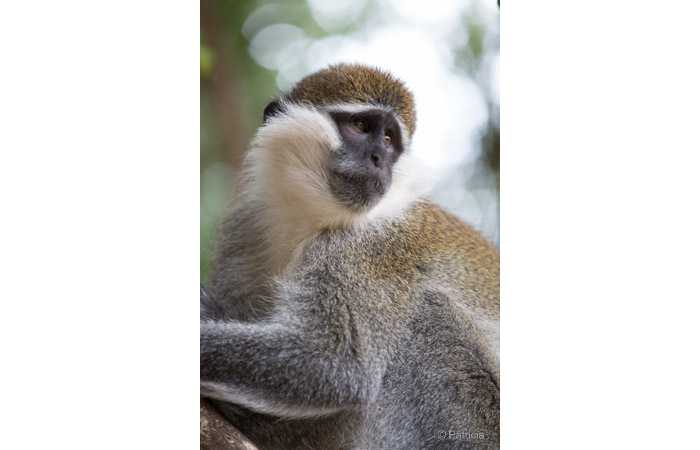
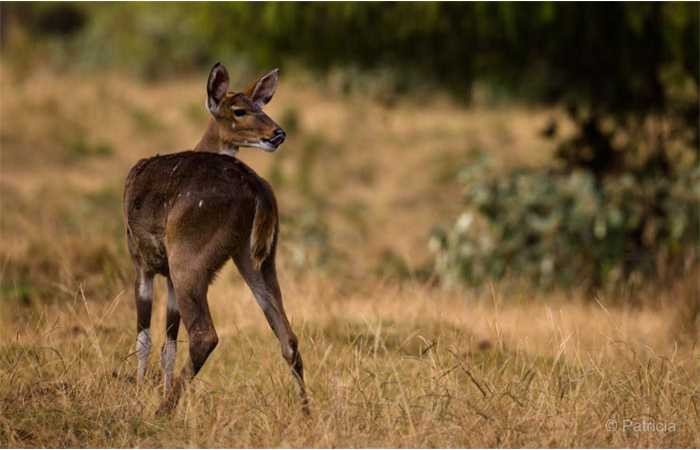
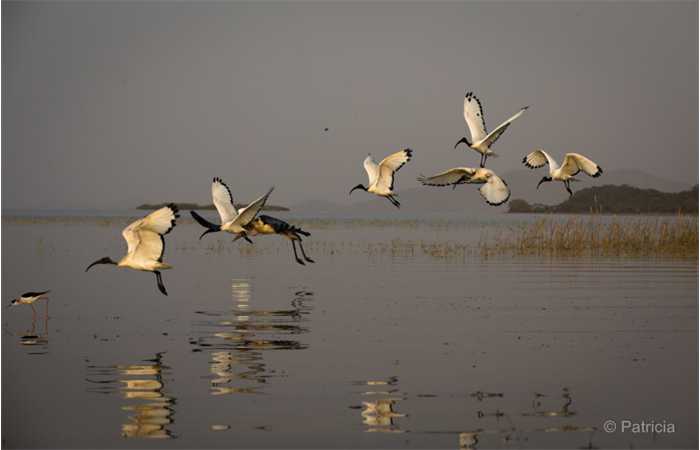
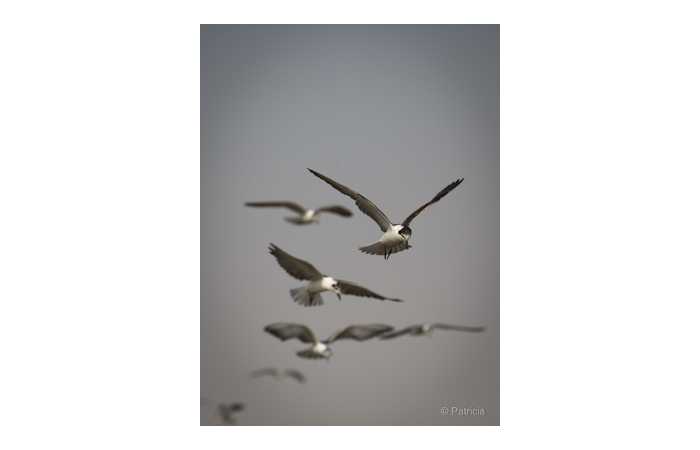
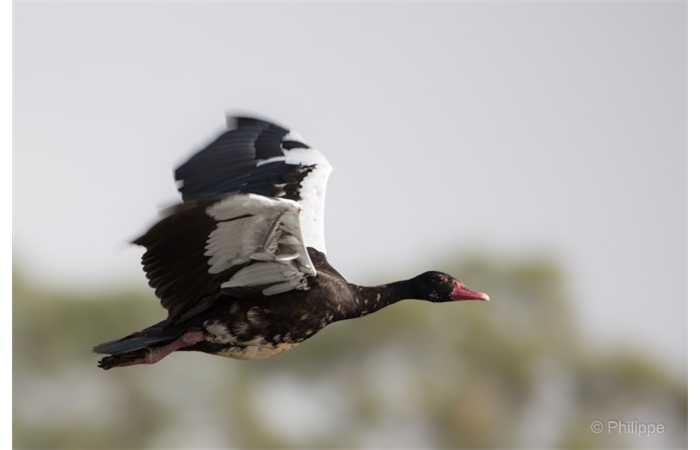
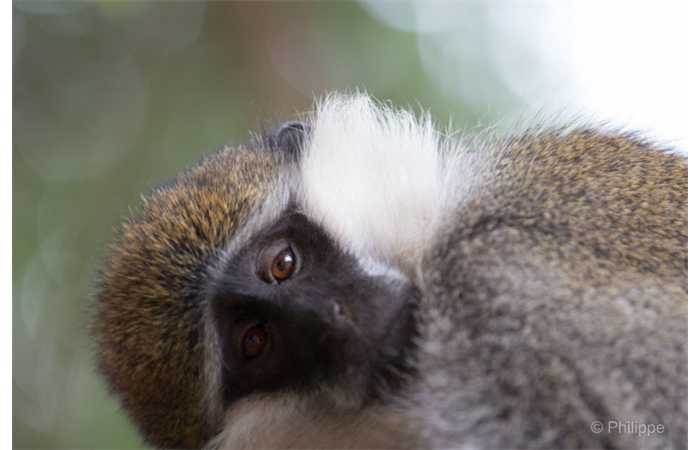
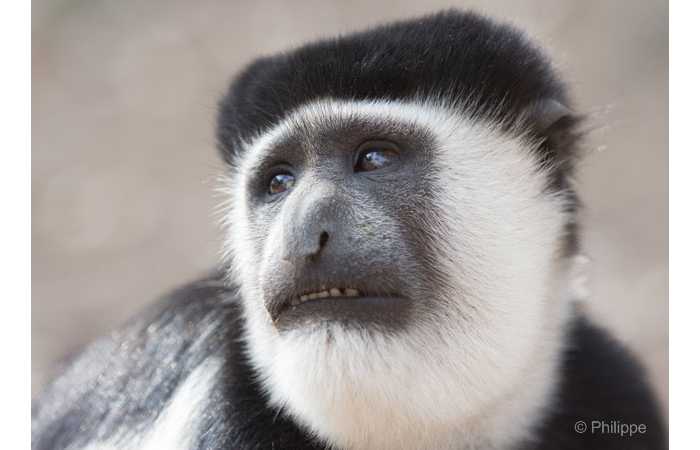
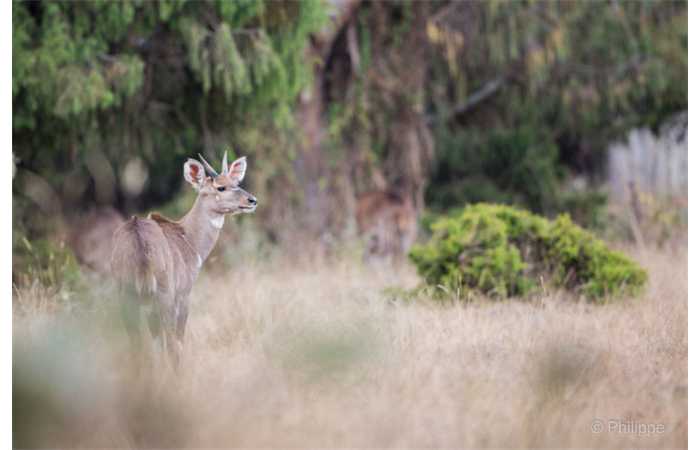
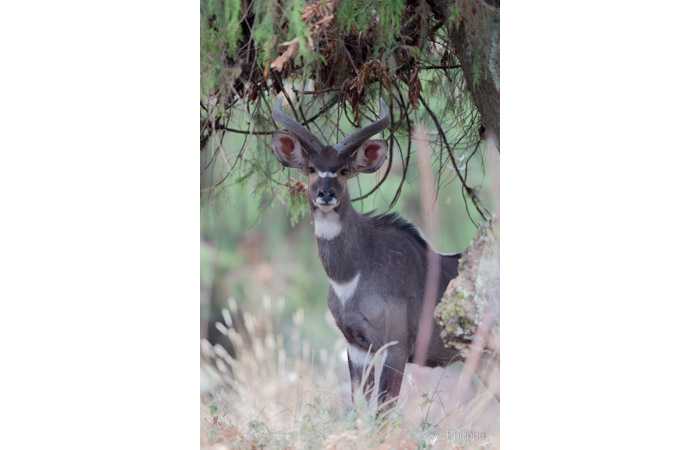
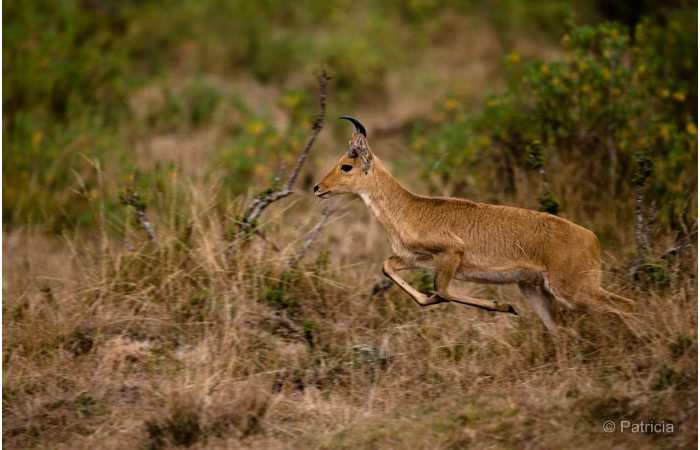
In the February of 2016, we accompanied a group of photographers whilst they were engaged in a photo workshop in Ethiopia. The theme that we had chosen for this affair was entitled “Photographing the last of the Ethiopian Wolves as well as the Gelada Baboons”. This excursion not only served as an opportunity to photograph a number of unique land mammals but also numerous different species of birds, including, but not limited to, African Fish Eagles, White - Winged Terns, African Sacred Ibises and Yellow - Billed Storks. The participants of the journey were also allowed to experience a number of chances whence they could photograph an even greater variety of animals such as Hippopotami, Colobus Monkeys and Nyalas Antelopes.
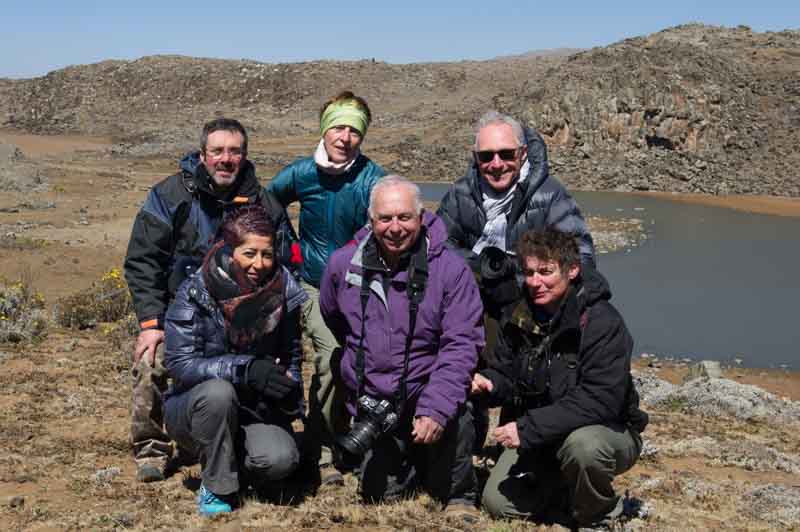
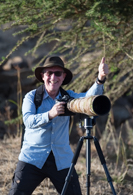
The participants of the photo workshop in Ethiopia: Philippe, Agnes, Isabelle, Henri, Patricia et Andrew

The participants of the photo workshop in Ethiopia: Philippe, Agnes, Isabelle, Henri, Patricia et Andrew.

Ethiopian Wolves and Gelada Baboons

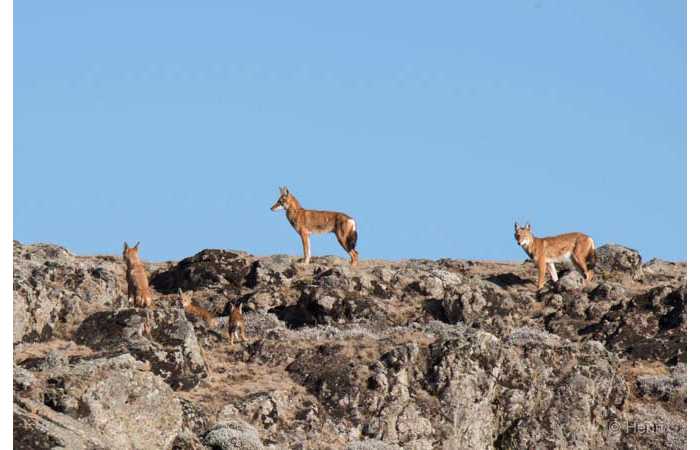
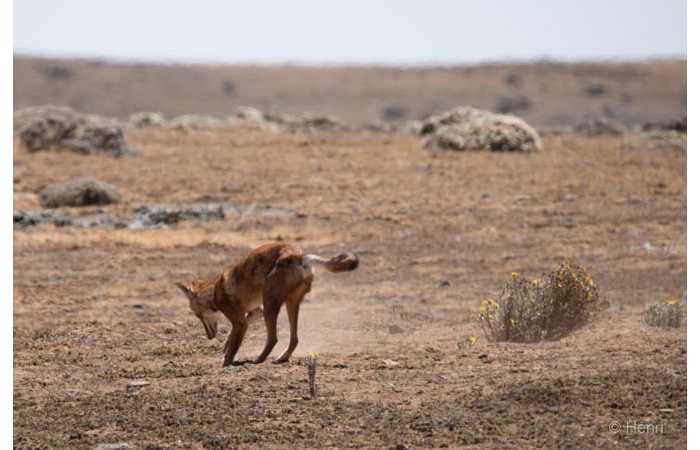
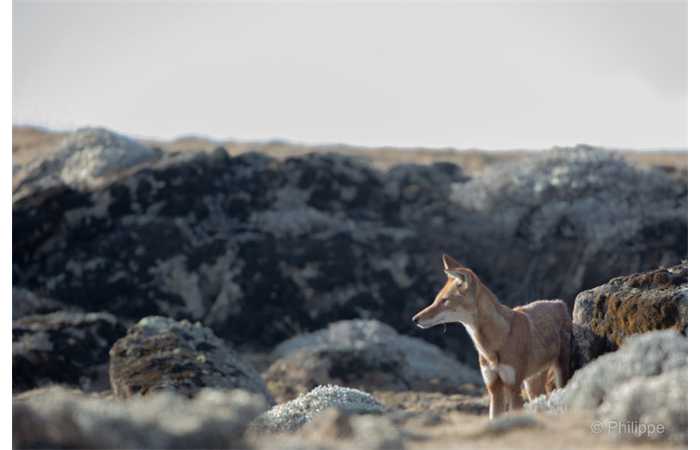
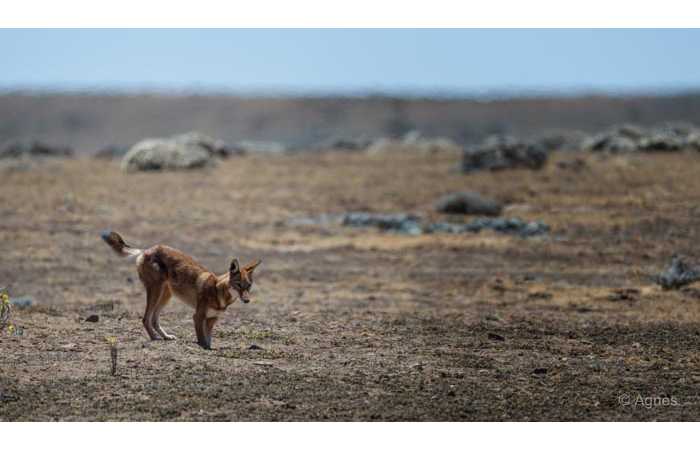
One of the strong points of this voyage of wildlife photography was about photographing the Ethiopian Wolves (Canis simensis), still called Abyssinian wolf. It is the second most rarest canid in the world (after the Red Wolf) : there remains less than 500 individuals in a state of nature, with 300 of them located within the Bale Mountains national park (within central Ethiopia, within the Bale mountains, at around 4500m of altitude), and none in captivity. These wolves, whom nourish themselves primarily off of rodents (notably by hunting the giant mole rat) live in family groups. Their numbers have been considerably diminished these last few years, primarily due to the transmission of diseases from dogs and the increase in pastoral activity on the high plateaus. For approximately 20 years, a campaign of vaccination has been in the works and has been associated with the creation and development of the national park and of its rules and this has stabilized the wolf population on the plateau.

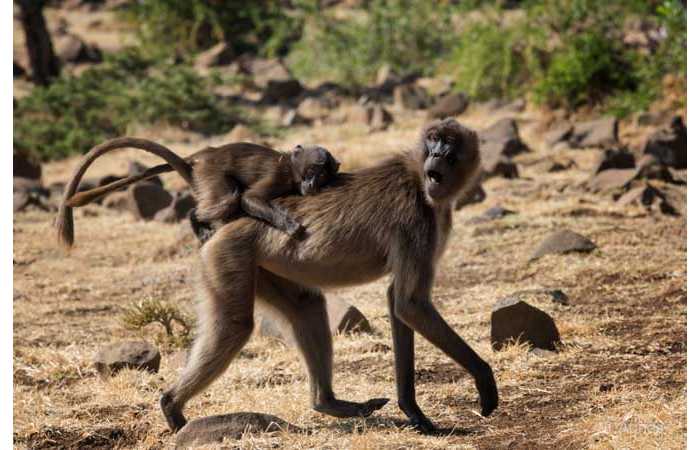
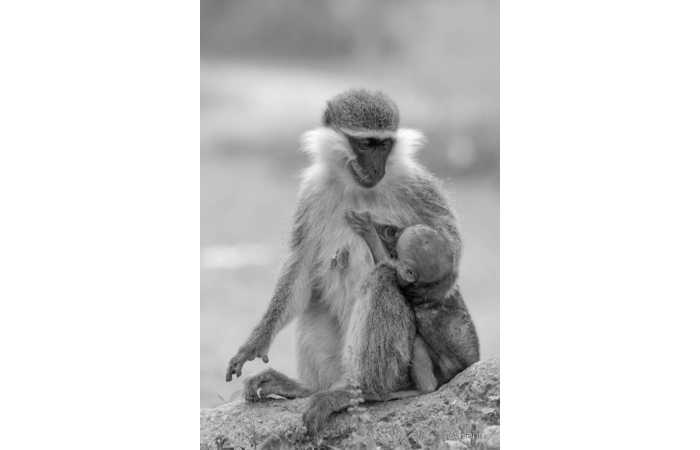
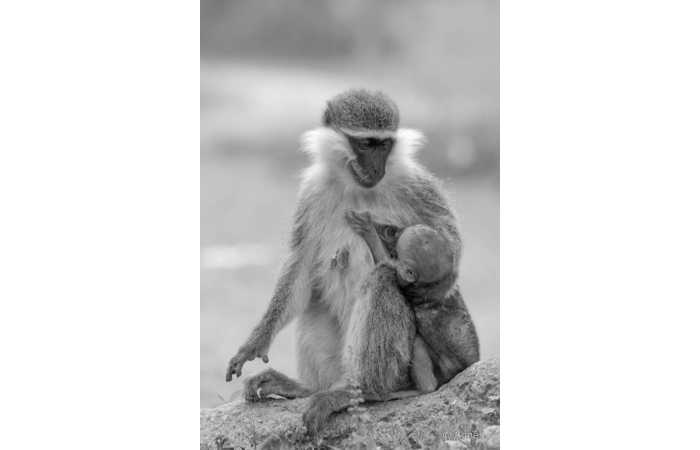
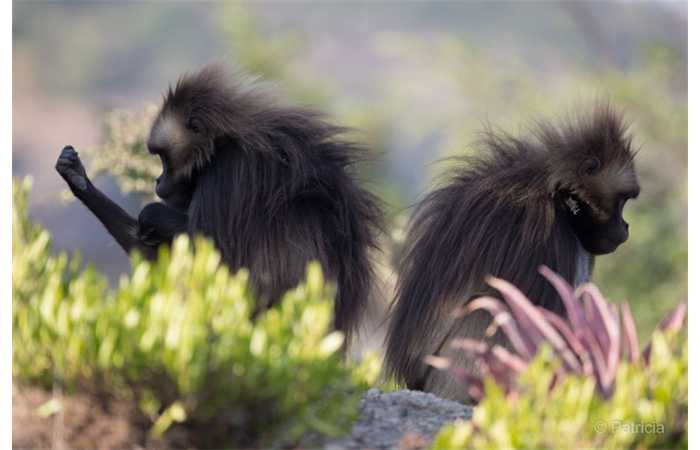
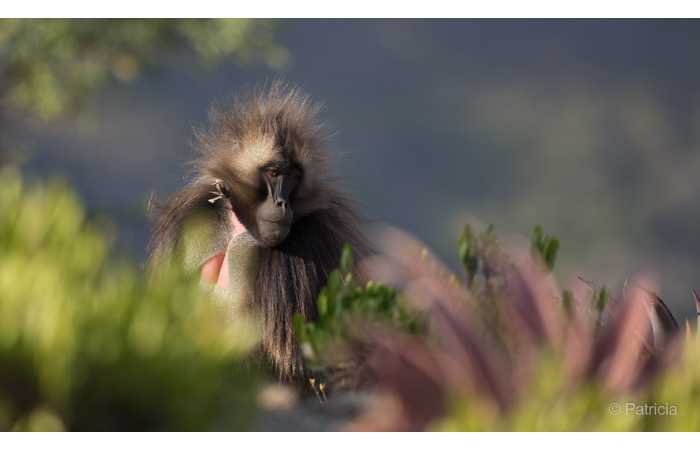
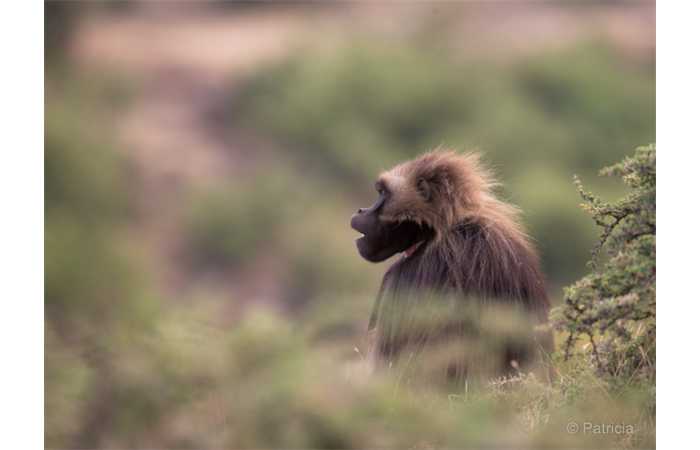
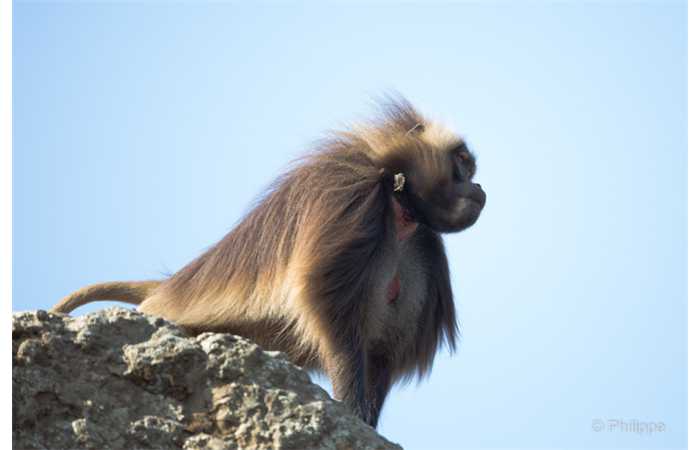
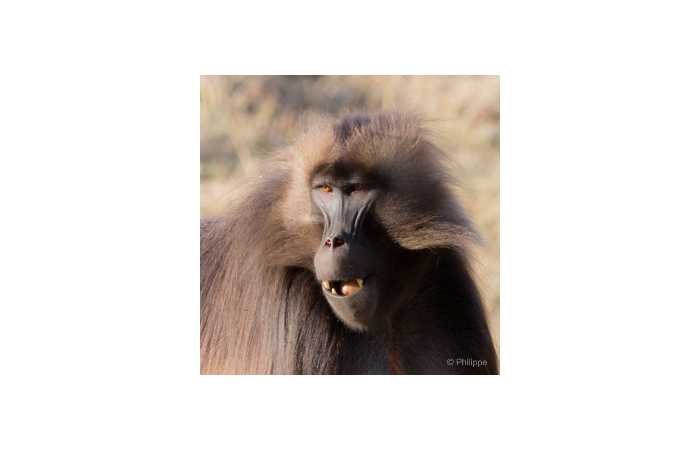
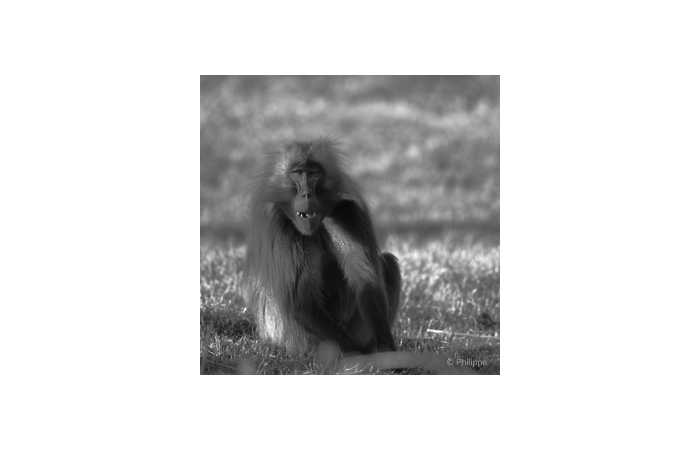
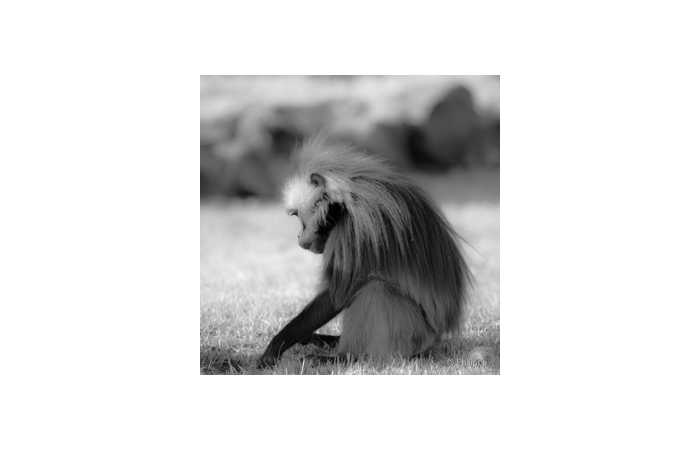
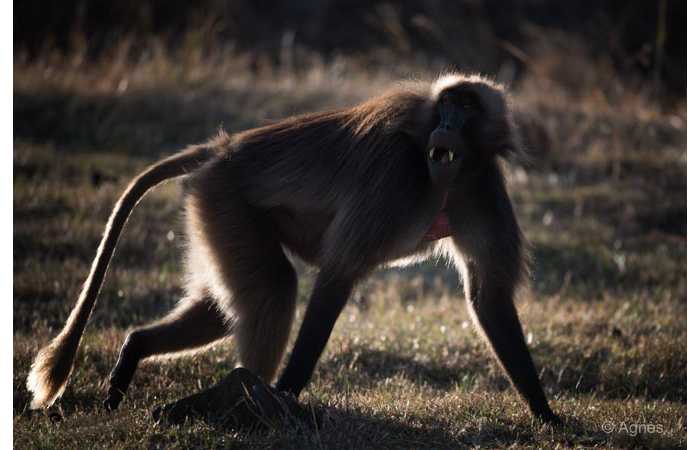
Other strong points of this voyage were the Gelada Baboons. This big monkey resembles the baboon and lives upon the high plateaus of Eritrea and in Ethiopia. Even though the Gelada is as large as many baboons, that it has an elongated face and is subject to the same sexual dimorphism, it is not part of the same species. The Gelada live in small groups comprised of one male and multiple females and their progeny. It is on vigilance and aggressiveness of the male Gelada upon which the security of the harem rests. The male expends great effort so as to grasp a power as fragile as it is tiring, while the females attached themselves especially to their young. Closely nit between one another, they will leave an old chief for a young one.

Ethiopia: A Paradise for Wildlife Photographers

Countryside’s of an unbelievable beauty, between the high plateaus at more than 4000 meters of altitude, the humid forest plunged within a magical fog for a photographer’s eye or better yet the lakes populated by birds, here lies the decor of this superb naturalist photography voyage that we organized. This country in addition to its natural beauties is rich in savage fauna, notably the Ethiopian Wolf in great danger. We were guided to the center of the park by a specialized naturalist guide and on the spot park ranger to safeguard the endemic Ethiopian Wolf.

For this voyage, we give you the best photography gifts possible. This photographic voyage had a naturalist and artistic orientation. In addition to our prepared encounter with the wolf, we also followed the endemic Geladas too. A great trip through the country of origins!

Ethiopia is a dream country for wildlife photographers. The country counts near 280 species of mammals, 280 species of birds. Yet the biodiversity is so that near 6600 of the planet’s species can be found throughout the country. The lakes of the region of the Grand Rift valley region contain numerous species of savage birds and animals.

We count a number of important endemic species just as large among mammals as birds that constitute the Ethiopian fauna. The biodiversity of species is notably due to the implantation of human activity in zones already delimited. To this regard it is possible to distinguish the mountainous massifs to the surrounding Low Countries.

A tailor-made trip to realize the best photographs

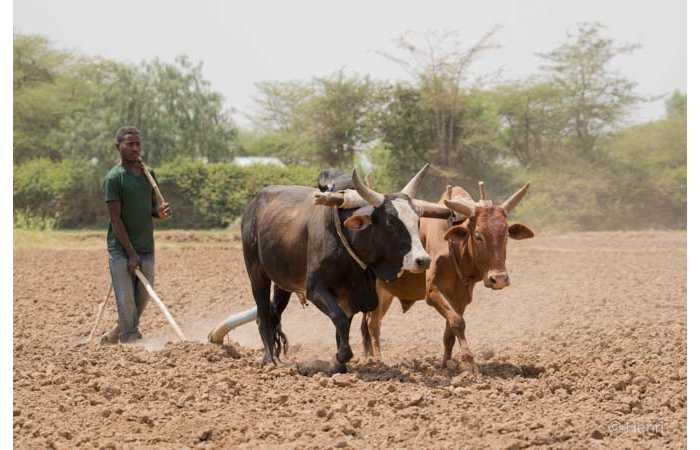
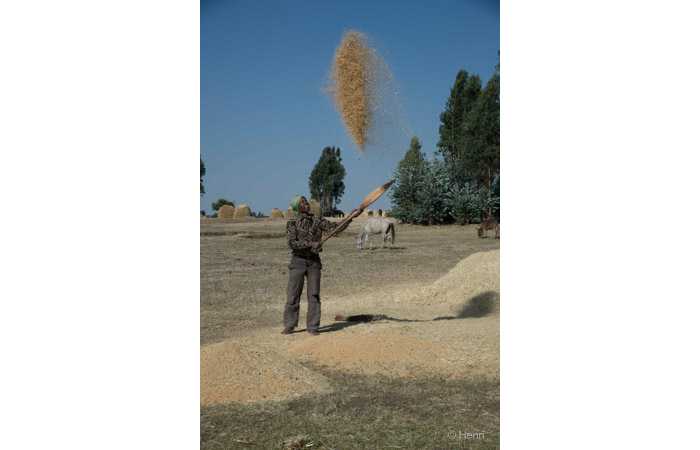
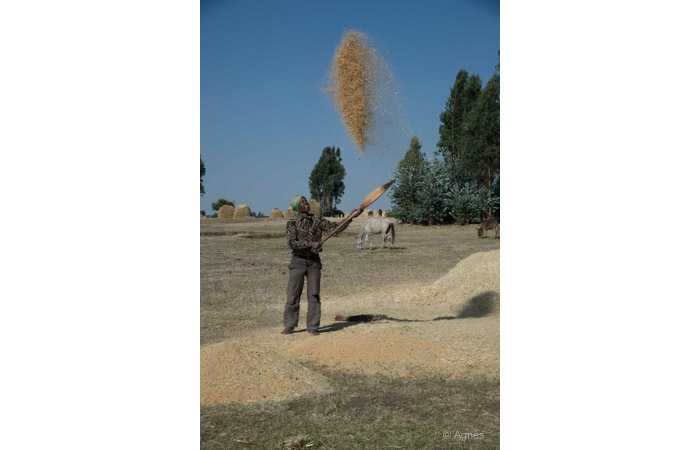
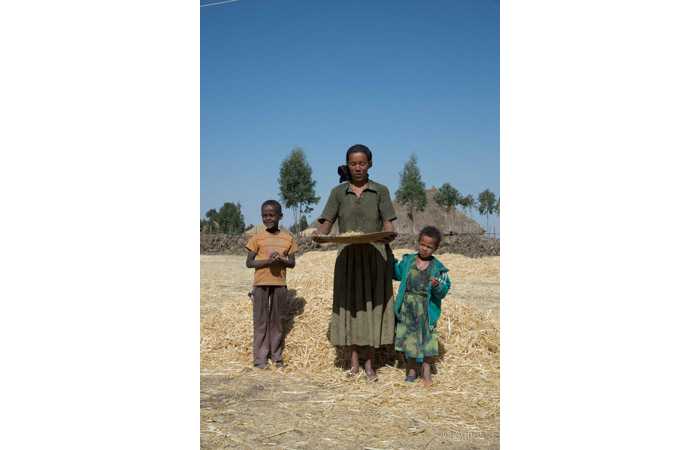
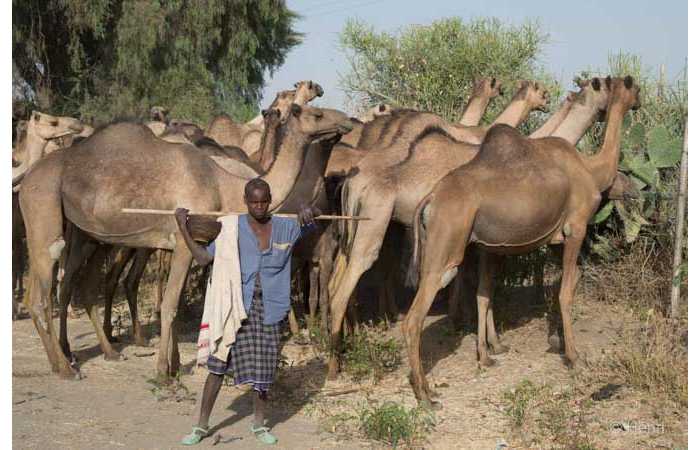
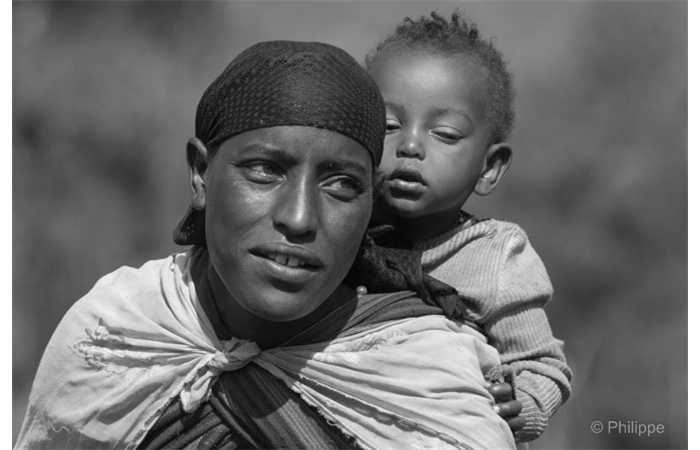
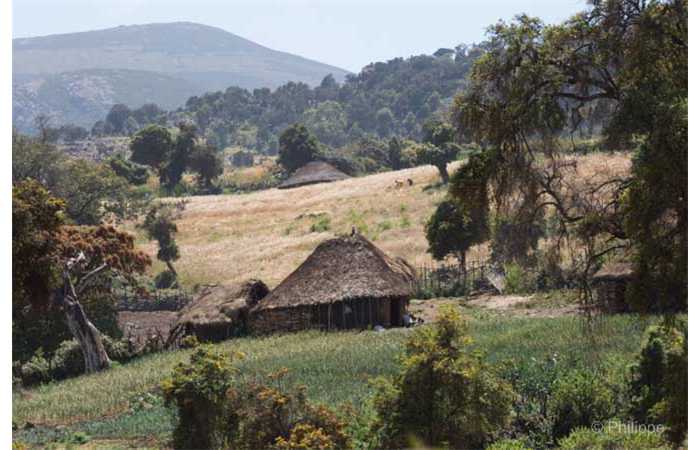
The organization of this voyage was not simple. We had to compose with photographs of birds taken at the edge of lakes, the photographs of mammals realized at altitudes and the photos of Ethiopian life. For each step we choose the time to perfectly match the sites in alignment with the participant’s wishes. The month of February is an important period for Ethiopian farmers. The harvest is harvested by hand, the ears are crushed by cattle and the peasants clean the grain by help of the wind. During the changes between the sites we carried out numerous halves so that the participants could seize these moments of life unique. The realized magnificent clichés that showed the beauty and ancestral knowledge of these peasants whom do not dispose of tractors or motorized machines for harvesting. The culture shock was very strong when faced with the level of poverty the rural population lived in: No phones, no running water and no electricity. We all felt a shock a came back far more humble knowing our level of living.

During the stop at each grand step of our voyage, we organized the voyage in a matter of moving by foot as much as possible while evading the car. This permitted the participants to rest. This was the case on the plateau of the Senetti Plateau where we went to photograph the last of the Ethiopian Wolves.

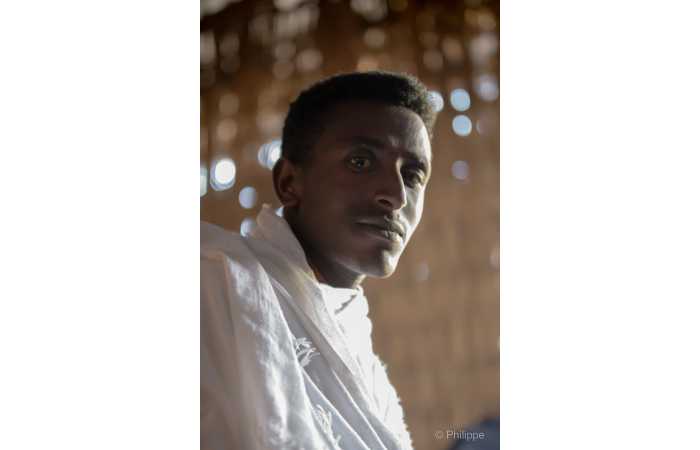
Throughout this voyage, we only had one single preoccupation: That the participants realize beautiful photos and bring back grand memories. One of the strong moments was certainly our passage through an orthodox Christian church on the plateau of the Bale. We had all been invited to partake in a moment of life with the Ethiopians who gave it freely even when they knew nothing. We were greatly touched by their generosity and kindness.

During our wildlife photography sessions, we devoted ourselves to giving the best technical explanations in function to the situation and acting at hand. For example, for photos of birds, we accented the need to use the burst mode and the usage of the autofocus. For the photos of the Nyalas of the mountains, we accented the choice of lighting and decor. For the Gelada Baboons, we privileged the lighting and against days. We have always tried to vary the themes so as to make the photo workshop the most complete possible. But all of our advice remained very pragmatic and easily applicable on the terrain.

Photographic Advice adapted to each photographer

For years, as professional wildlife photographers, we had organized this trip so as to give another group of photographers the desire to partake in our passion for nature and animals. Contrary to France, the animals live in complete symbiosis with the inhabitants. The animals do not run when faced by photographers. It simply requires respecting the safety distances so as to not scare them. Of course this is not true with all species like the wolves or Gelada Baboons. Yet they are cooperative. This allows the group to remain together. We can in effect give out the best possible advice while being in the field. This manner f apprehending wildlife photography permits the participants rapidly progress no matter the framing, the compositions, the behavioral scenes or the bird flights. This trip was a total success on the technical plan and the plan of creativity.

A Warm and Friendly Atmosphere

For this journey “far adventure” consecrated to the beauties of Ethiopian nature, we had chosen to assemble only 5 photographers. We were therefore able to spend large amounts of time with each of them in order to be able to give them the necessary advice but was also an advantage in establishing a warm atmosphere. For this journey, we had reserved a 4x4 as we frequently drove on the trails. In addition we had need for space so as to stow away all of the luggage and photographic equipment. Quickly, the technique exchanges between the expert photographers and beginners permitted for the creation of a warm and friendly ambience. The act of sharing strong moments such as that night at more than 4000 meters in a shelter, permitted for the creation of a climate we can qualify as familial. After several days, we had the impression of making a trip that seemed to have lasted for weeks. Habits of life were created. Each photographer rapidly found their place. The harmony within the group was perfect witness to the opinions of the participants below.

A trip to the height of each participants expectations

Finally, this journey has been to the height of each of the participants expectations. All had come to accomplish a grand dream. We gave them the possibility to do this in the best possible conditions.

We were there to organize, guide and animate the photo workshop and to make known the beauty of nature of this region of Eastern Africa. Finally, we separated somewhat sadly once returned to Addis Abeba as we had lived 10 days in a friendly and fraternal ambiance. Yet we hope to recreate a following trip for this group of talented photographers.

Written Testimonies of the Participants

Patricia Patricia.

We have lived a grand adventure filled with emotions. This trip was rich in instruction; it was not a formatted trip, fitting in a stereotypical mold. The choice of a local guide is very judicious to handle the problems of comprehension in the language. Handling of the unexpected, knowledge of the sites. The act of being able to take photos other than the animals is very interesting, portrait, scene of life and a bit of landscape. What permits to have a true understanding of the country.

I have the impression of having lived a somewhat special adventure with a group of friends.

I did not have any sort of expectation in particular, only the discovery of Ethiopia was important to me, objective attained even when having only done a portion of the country.

With such a trip, where things can change very rapidly, the ambiance can be felt. Choice of hotel, transport, choice of sire, differing unforeseen but everything is forgotten with a title knit group and especially the contact with the Ethiopians. How to resist in front of their smiles and simplicity.

The memorable moment, the last word into the journey “the night in the cottage” at 4000m of altitude with the ground a carpet of moss, in the sleeping bag wrapped in multiple layers of clothing. Minimum comfort with the cabin in the back of the garden.

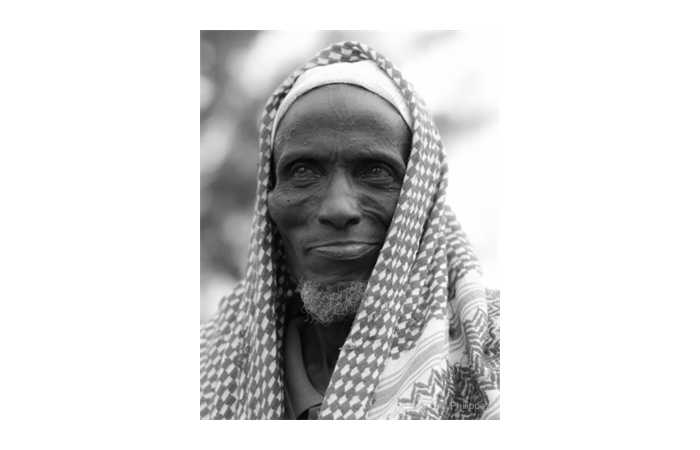
And the moment that touched me the most, with Andre we were able to share an instant with a living elder within the enclosure of the orthodox church. To thank us of our solicitude, he took to his home so as to show us his living arrangements. A moment where we could not hide behind our lenses, we were no longer tripurs but were simple mortals in front of a person living with a minimum of comfort. We were very touched when he kneeled in front of Andre who with great amounts of respect immediately pulled him standing. We had him understand that it was our turn to kneel. We had our hearts light and throats chocked.

This trip was a strong moment that I can only share.

Henri Henri.

Fabulous stay from all perspectives. I learned a lot about wildlife photography. The technical subjects approached were numerous but always deepened and put into practice. Always joyous and serious ambiance. Strong moments: Difficult to choose, but the encounter with the family of Abyssinian wolves and observation of Geladas Baboons up close will stay in memory. Of course I’ll talk about it around me. In watching these images that place me back in time, I realize that I have made one of the most enriching journeys of my life.

Agnes Agnes.

It was truly a beautiful journey with a beautiful harmony amongst the group.

It’s my second wildlife photo workshop with you after the birds of Costa Rica. We had already had the occasion to travel together for other themes: countryside and submarine. But I owe the fact that this journey was truly exceptional as it was on the pan of wildlife photos, the encounters with the Ethiopians and the ambiance with the group. I will keep an excellent memory of this very different trip in comparison to what I have a habit of. I didn’t really have any expectations in coming if other than photographing the last wolves of Ethiopia as well as the Geladas. Throughout the duration of the stay, I learned a lot on the catching technique of animal views with the placement, the choice of decors and lighting. I learned a lot on the manipulation of my camera t realize action shots.

The ambience of the group was very warm and very familial. We laughed a lot and spent a marvelous vacation. I greatly appreciated the act of stopping to photograph scenes of life with the Ethiopians. It’s a real wildlife photography workshop. A strong moment would be that visit of a church a Sunday morning. The people were accommodating a shared a lot with us. However they don’t have much. But it was a veritable communion.

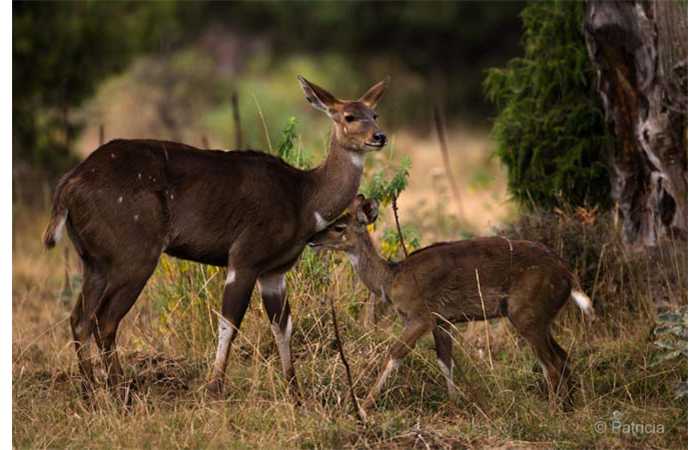
The encounter with the Gelada Baboons was a veritable discovery for me. It was an incredible spectacle just to photograph them. We had trouble finding them but only beautiful photos in the end. The encounters with the Ethiopian wolves were difficult as they are not easy to find and approach. Yet what satisfaction to realize cliches at near 4500 meters. The encounter with the Nyalas of the mountains was a strong moment as well. What to say of the birds at Ziway. Finally, I realize that we lived many exceptional moments. On the fly, I did not realize because I was always to preoccupied with watching and photographing. But the list of exceptional moments is very long. I am accustomed to leaving in beautiful hotels. The night in the refuge was a bit difficult for me because it is cold and it was uncomfortable. Finally, it is just an adventure in a very big adventure that I recommend to all those who want to live a different experience with good photographic animators.

Thank you to both of you for your patience and organization.

Philippe Philippe.

My general impressions on this outing are excellent. I hold on a first to do basis to thank Isabelle and Amar for their friendliness and their professionalism, Muzeyen our Ethiopian guide, as well as Onedou our chauffeur. Without them, there would have been no trip, as the conditions of life and of circulation are particular in Ethiopia. I had big expectations, and had prepared myself for this trip for a long time. This made that I had been in some ways already weeks in Ethiopia, without being there. Also I was really in a hurry for the trip to commence. MY expectations were principally focused on the photographic nature, but also humanity. Through meetings and sharing, that is for me essential, just as much with the local populations as with the other trainees. We shared a lot, without any real barriers; it was marvelous, just like a big improvised family.

Ethiopia is a unique country that is the same for this trip. Whilst we cross the country, it is impossible to not notice the draught, and the dust. The population is confronted on a daily basis to the problems of water management. Life gravitates around this major topic. The contrast of living conditions, the heat, the beauty of the people, the landscapes. Nothing is comparable to what we know of in Europe. The shock is big.

Photography side also, everything is different. In Europe, the animals are extremely fearful, and we must ruse so as to photograph them. In Ethiopia, the animals have a zone of security that must not be crossed, or else the wildlife shall run away. This zone is relatively close, and it is pretty easy to reach without risking an impromptu departing of the wildlife. Technical side, Amar debriefed us either during aperitif, and we visualized our journalistic photography. These advices are primordial, as much as in the running of the cameras, framing, and photographic composition. Without these mines of information, we would have been unable to realize beautiful photos.

Among the strong moments that I was able to live, I shall retain the one where we joined the participants after a local religious ceremony. The persons present warmly welcomed us, and we found ourselves surrounded by human goodness, of sharing, and of tolerance. It was a strong moment many of those between ourselves I think, as we were the privileged invitees of a community that was thirsty to make known to us its everyday life, simply.

It is certain that it was not an anodyne trip, and the richness of the knowledge that it leaves us with, testifies to privileged instances lived. I will come back but when exactly...

Andrew Andrew.

Excellent! I had already accomplished this trip in 2013 and I restarted it with great pleasure. Ethiopia is a fantastic country, especially for the photographers. And I only skimmed the surface. In effect, we hd already limited our trip to a perimeter of around 200 square kilometers around Addis Ababa, the capital. Yet, this country retains many other treasures. Beauty of landscapes varies from plains, to hills and to mountains. Abounding wildlife life. Multitude of birds, of mammals whom certain rare and endemic.

This trip was very well organized, and out team of photographers very coherent. Friendly and joyous ambiance, studious as well whilst Amar, always listening and to our little needs provided us with tips and courses. These as a matter of fact made me greatly progress specifically in the shooting in rapid fire of subjects displacing themselves rapidly. This corresponded to my expectations.

Thank you once again Amar. Thank you for you availability, your kindness and your competences that you dispense without count.

We therefore left each other as good friends, ready to leave all together.

There were very strong moments. In particular when we visited and photographed a religious Christian site. We arrived unannounced but welcomed with open arms, and we were invited to share in the grilled wheat and the local beer with the faithful assembled in an annexing building, the church being closed. Grand moment of sharing, of joyous conviviality that I am not ready to forget. I recommend you this exceptional journey.

A gallery of the participants' photos

These photos are organized as a slideshow which plays automatically. Mouse over a photo and the navigation buttons will appear.
catherine-1
catherine-2
catherine-3
catherine-4
catherine-5
catherine-6
catherine-7
catherine-8
catherine-9
catherine-10
catherine-11
catherine-12
henri-1
henri-2
henri-3
henri-4
henri-5
henri-6
henri-7
henri-8
henri-9
henri-10
henri-11
henri-12
henri-13
henri-14
henri-15
henri-16
patricia-1
patricia-2
patricia-3
patricia-4
patricia-5
patricia-6
patricia-7
patricia-8
patricia-9
patricia-10
patricia-11
patricia-12
patricia-13
philippe-1
philippe-2
philippe-3
philippe-4
philippe-5
philippe-6
philippe-7
philippe-8
philippe-9
philippe-10
philippe-11
philippe-12
philippe-13
philippe-14

A week-long wildlife photography workshop dedicated to photographing bellowing deer - October 2015

October always brings good weather conditions

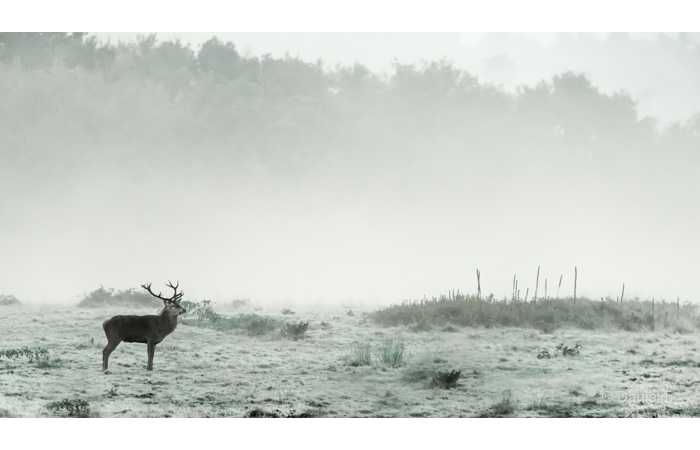
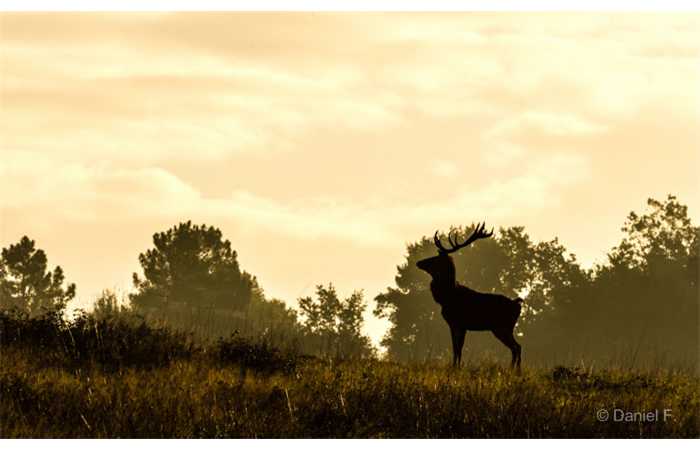
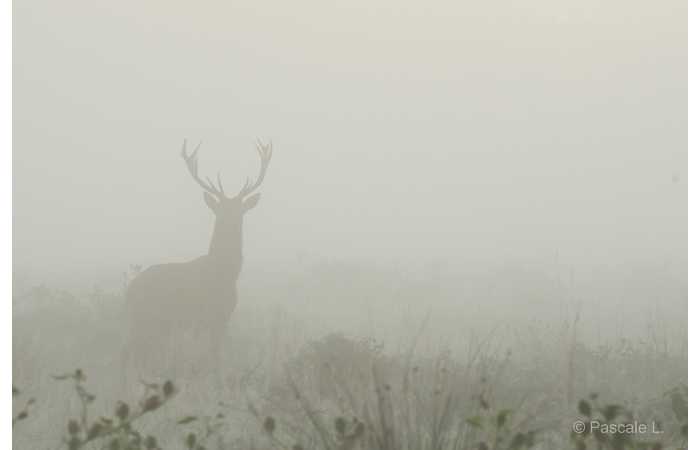
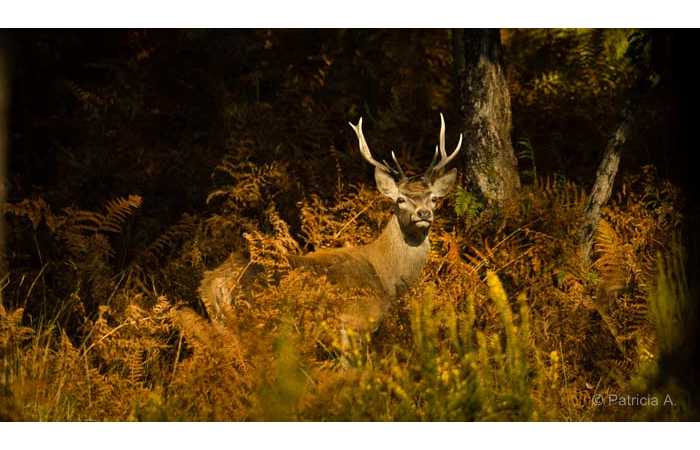
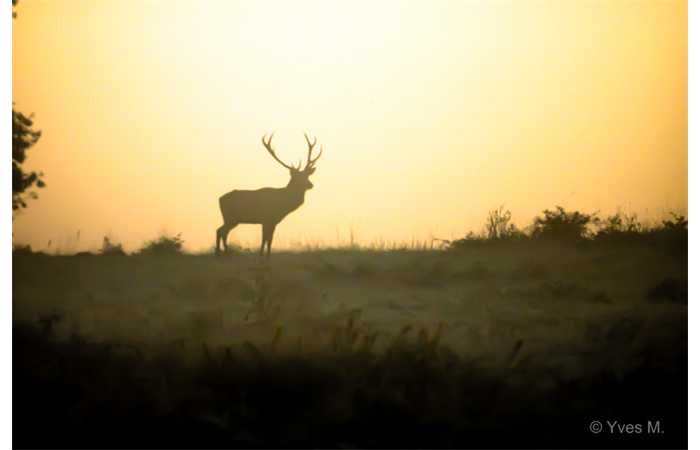
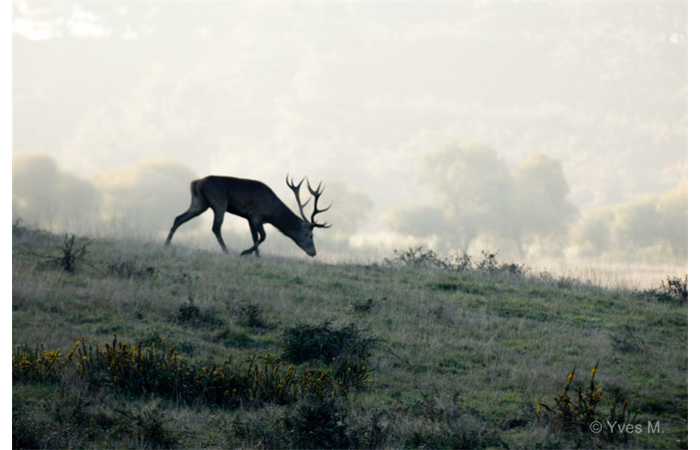
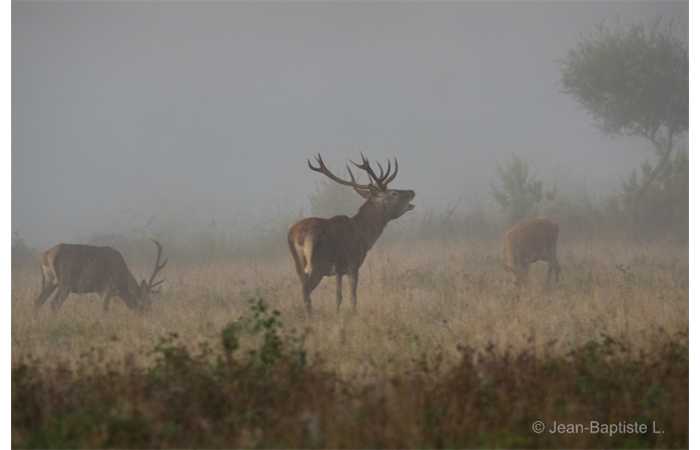
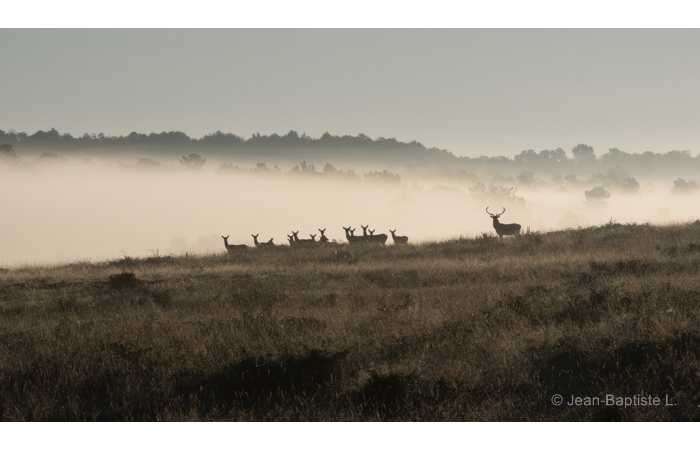
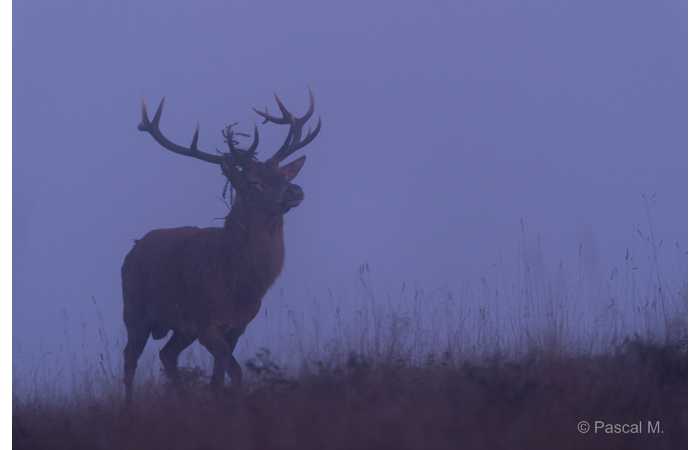
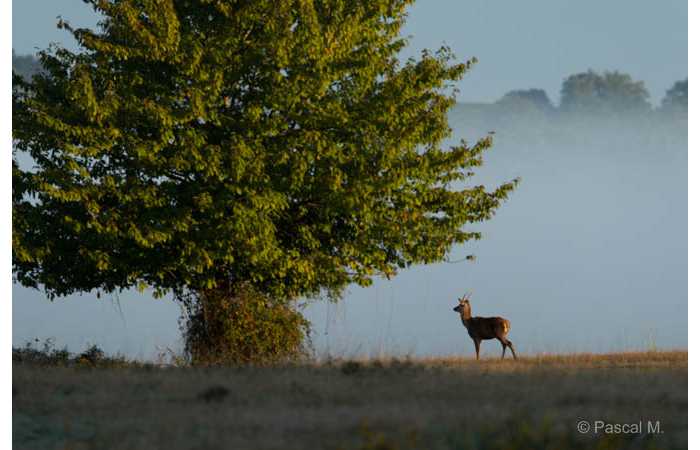
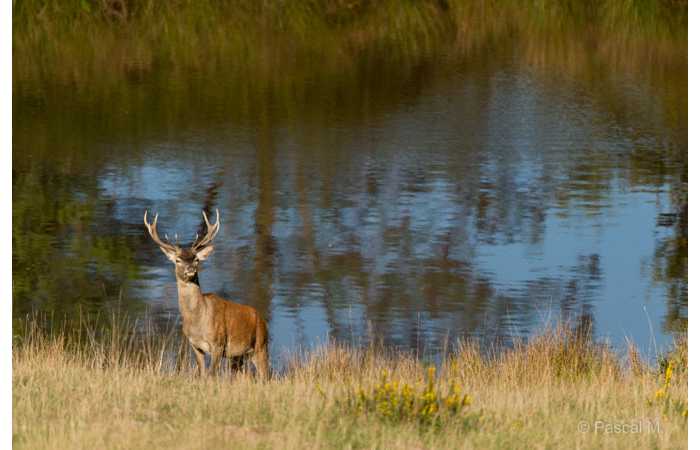
For this second wildlife photography workshop in 2015 dedicated to photographing bellowing deer, we once again chose the region of Charente-Maritime, France. In the north of France, the rutting season takes place mainly in September. In Charente-Maritime, however, it easily extends to the beginning of November. October is definitely the high point of this exceptional time. Also, October’s cool nights and sunny days are ideal weather conditions for photography. Morning mists are frequent and usually slow to dissipate. The area that we chose has many ponds, and they help to create the mists which produce conditions that highlight the remarkable behavior of the deer.

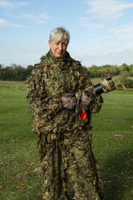
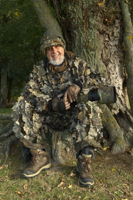
The participants of the wildlife photo workshop (from left to right): Patricia, Daniel, Stan, Elizabeth and et Christian

The participants: Patricia, Daniel, Stan, Elizabeth and Christian.

A workshop organized around using photos to transmit messages

In this course, all the participants were experienced photographers who had come with us for other courses in previous years. Only one participant, Yves, did not know us. So we decided to organize the workshop’s educational progression around using photos to transmit messages, with the theme “wildlife in the fall”. The goal was to produce meaningful images that convey messages, using all the natural elements available at the time. We proposed this challenging photographic approach in addition to the technical education we provided throughout the workshop. The students were excited by this innovative approach and took photos that met their expectations.

5 photographers gathered for a workshop with a single theme

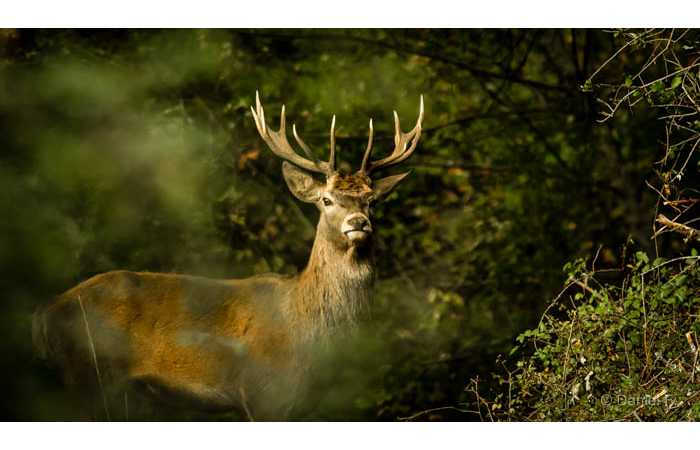
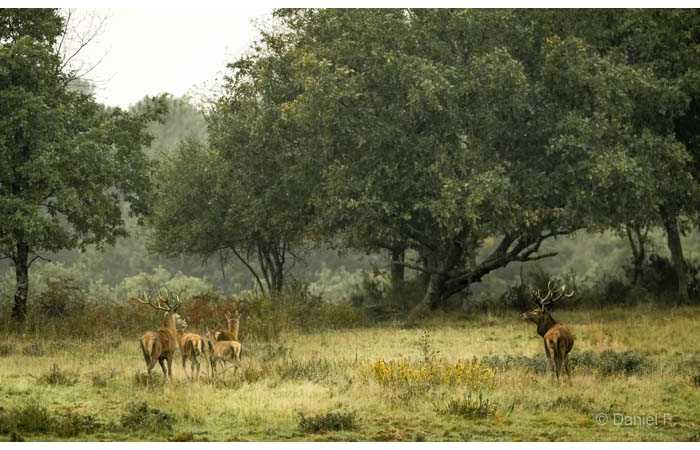
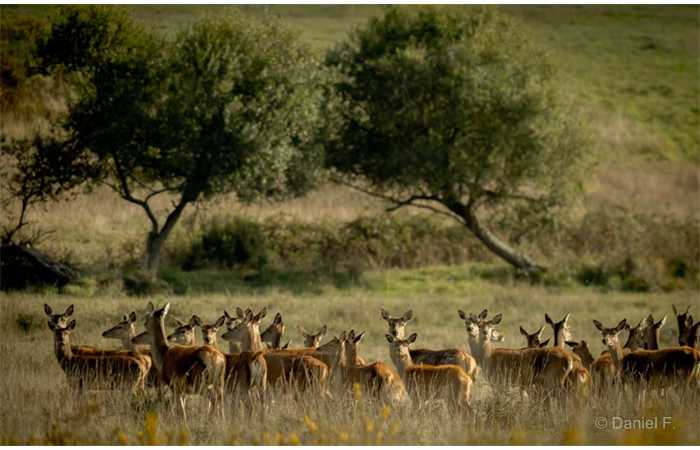
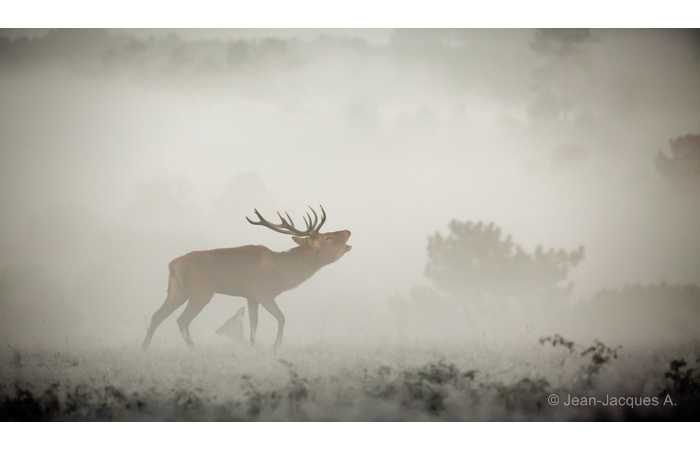
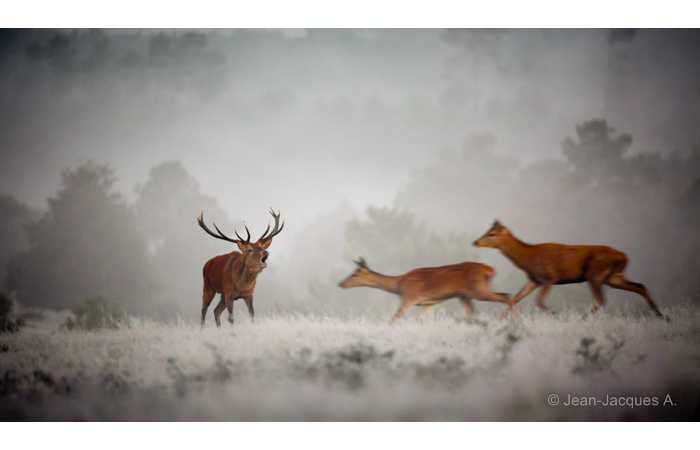
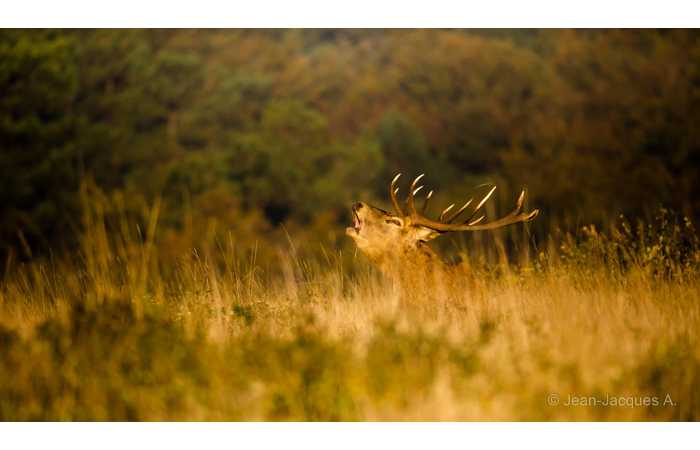
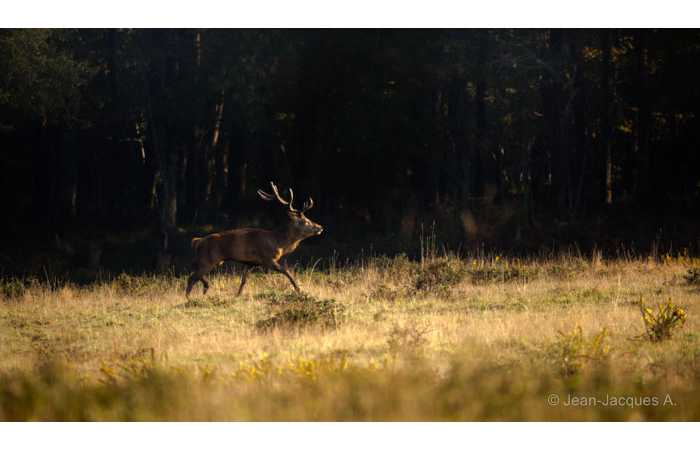
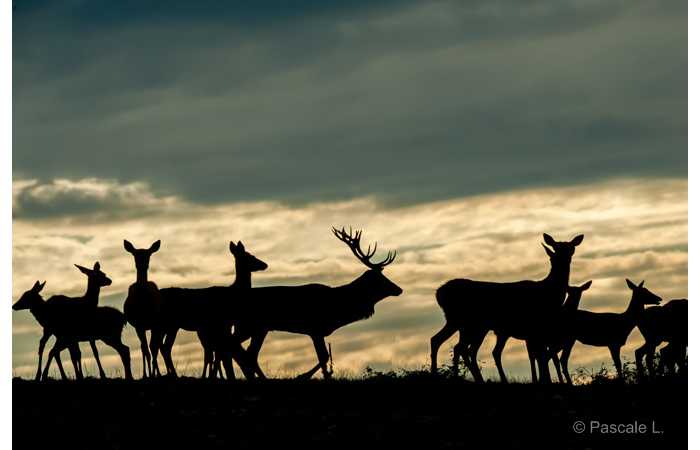
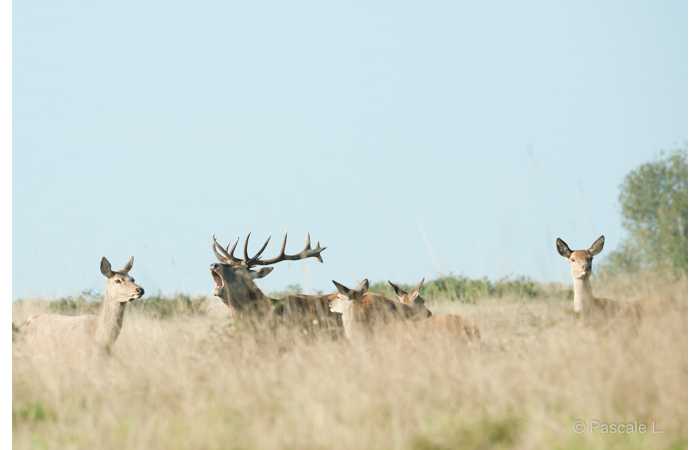
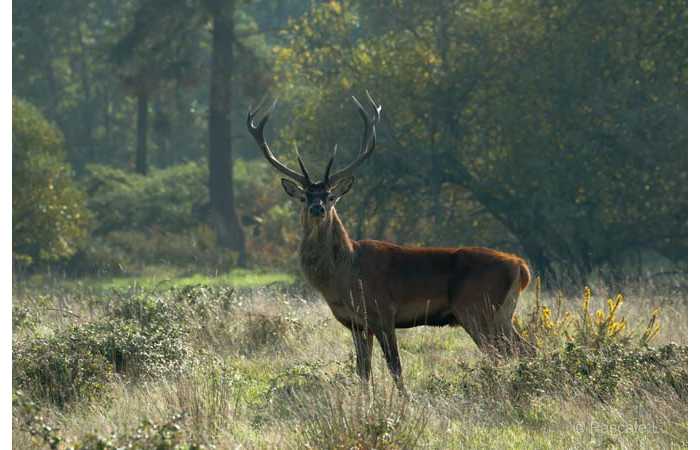
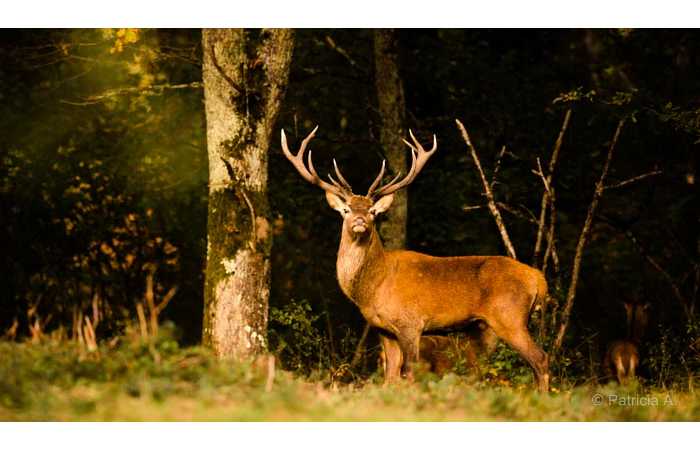
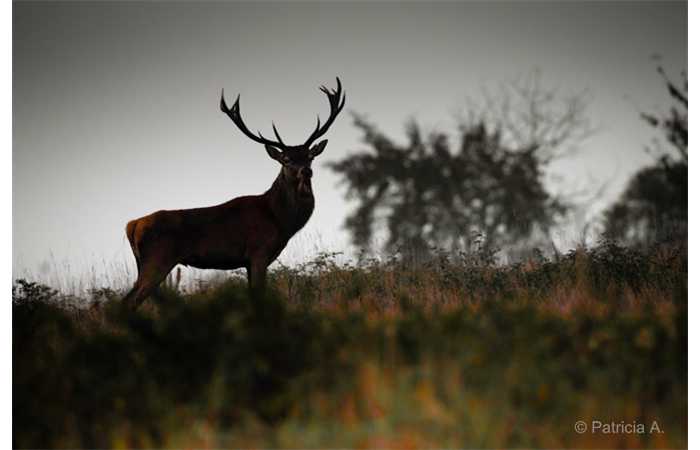
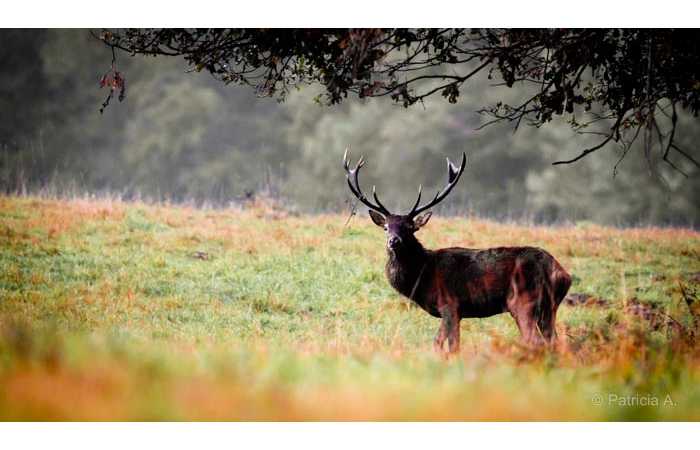
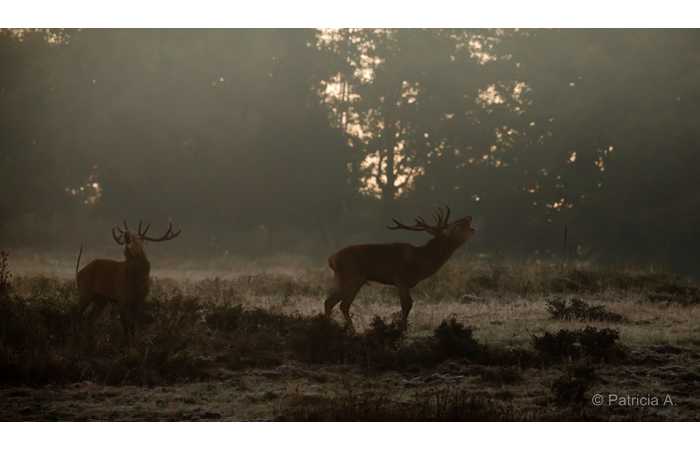
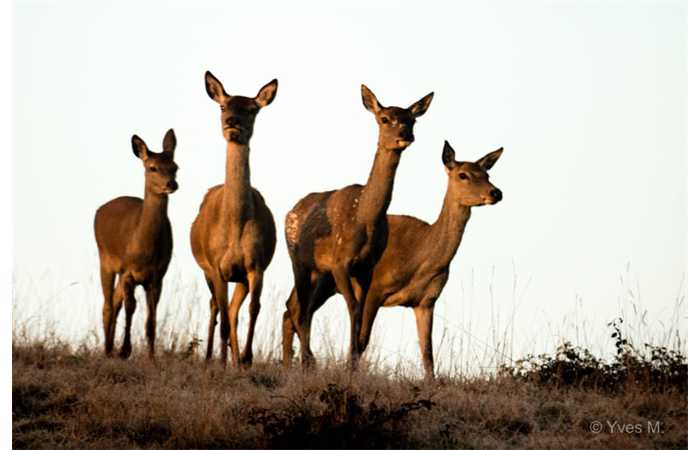
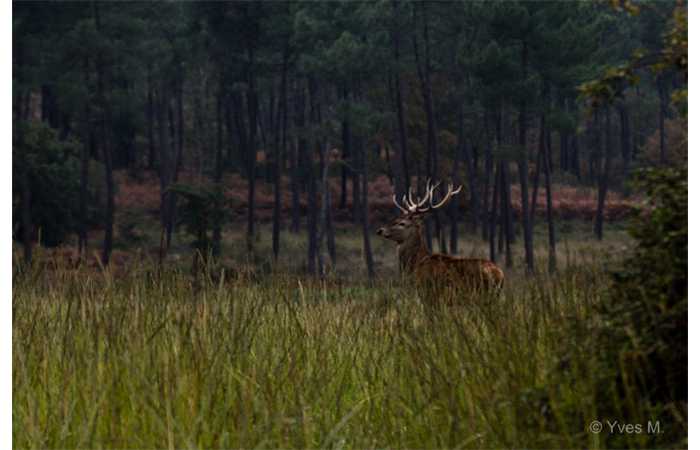
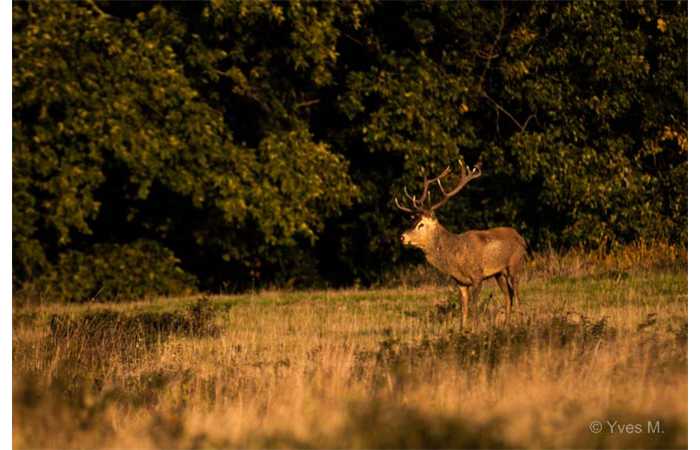
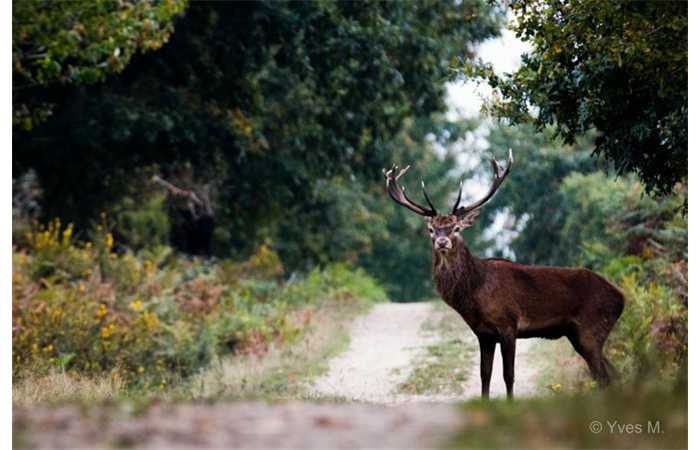
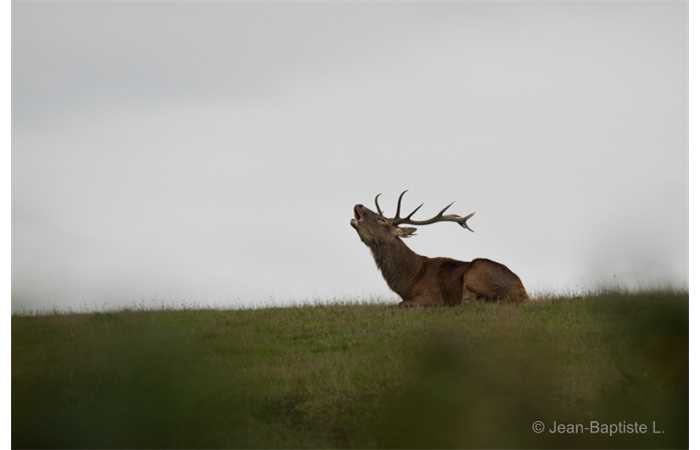
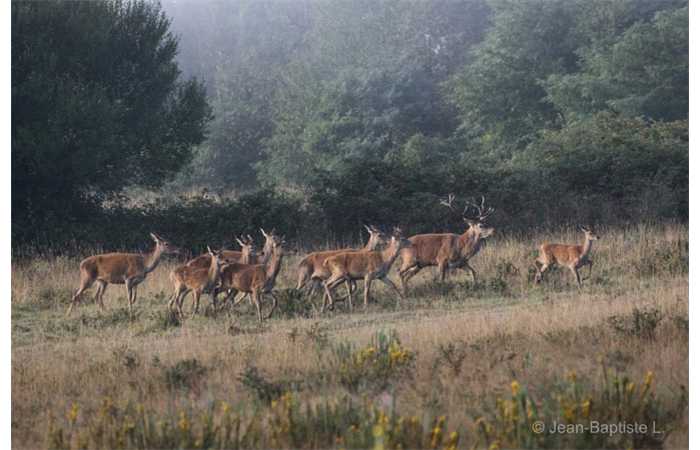
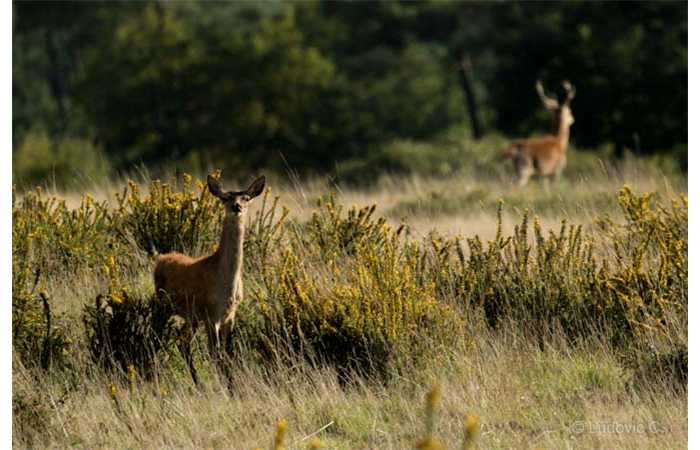
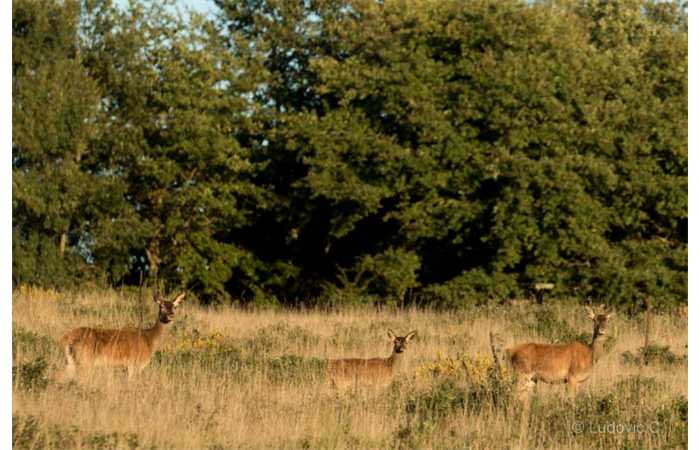
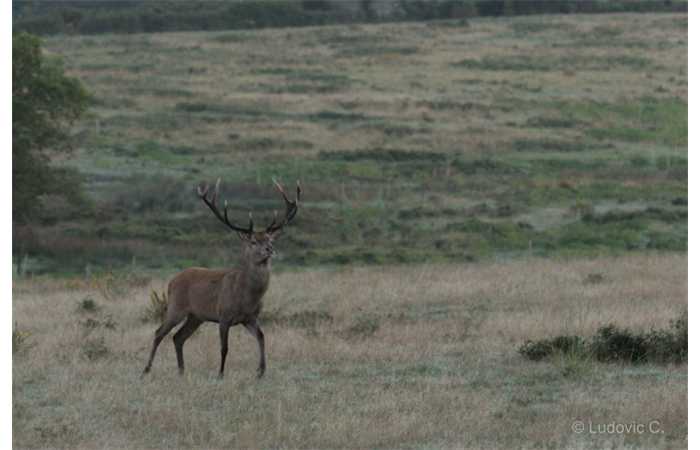
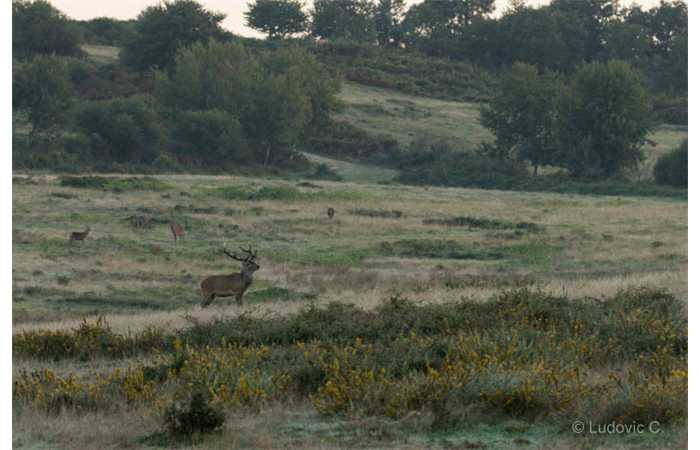
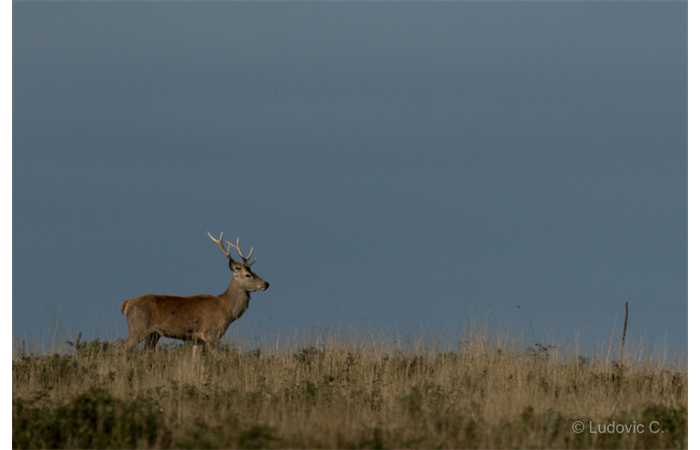
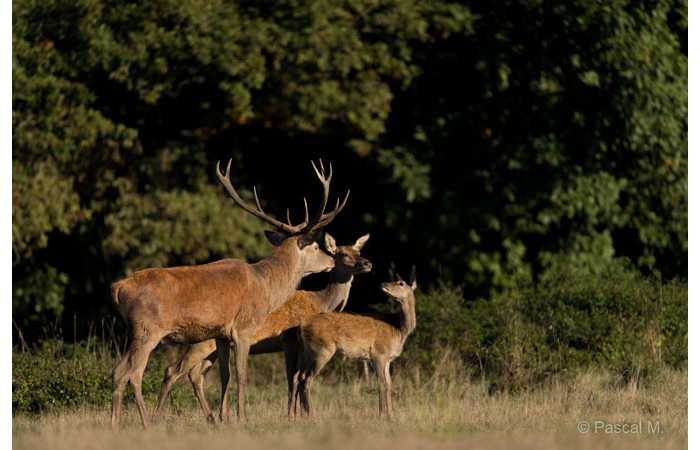
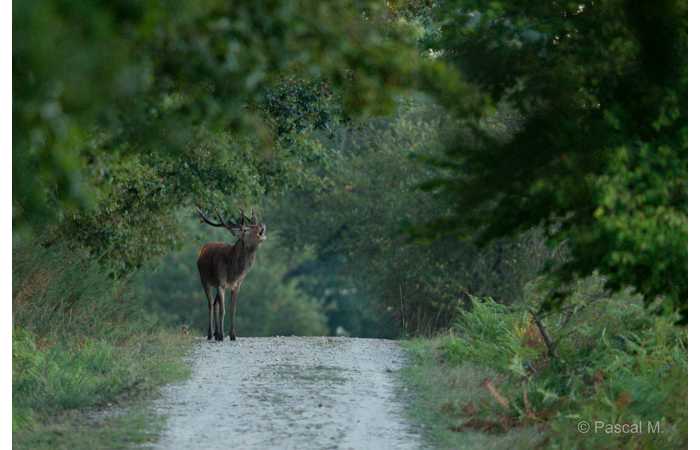
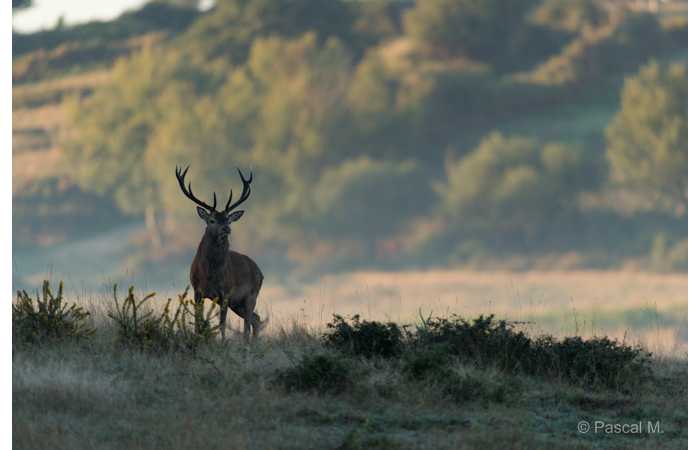
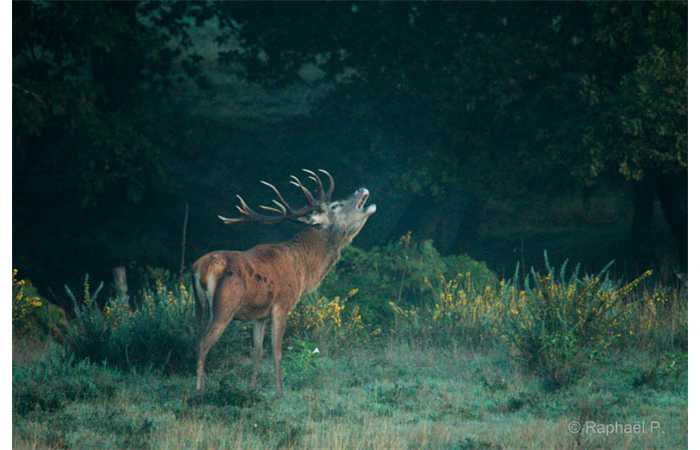
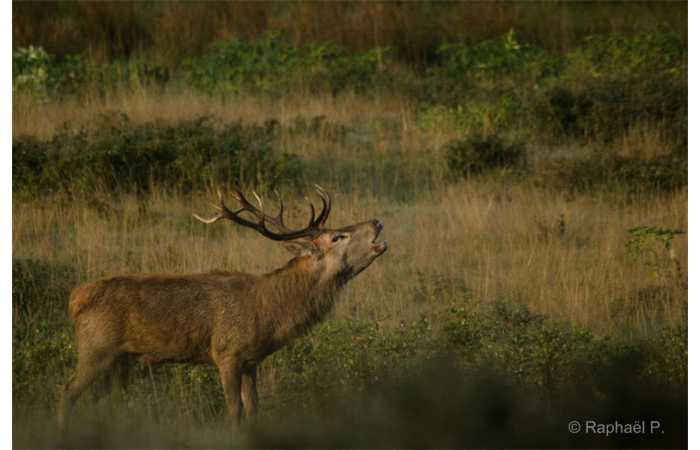
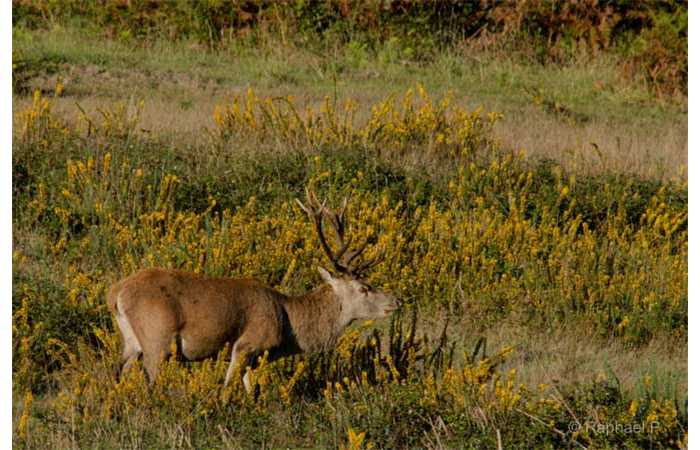
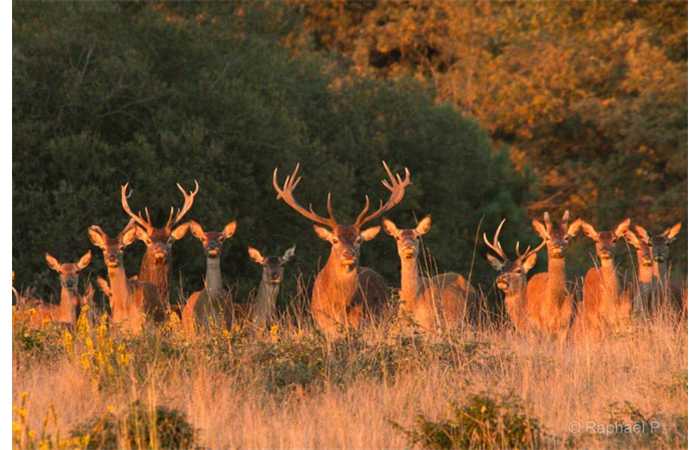
The rutting season of red deer is definitely one of the major events in the fall in France. In early autumn, red deer stags organize herds of females to mate with them. The stags use unusual calls, or bellows, to attract a greater number of does. There are several types of calls, including challenges, bellows of the winner, and bellows of anger.

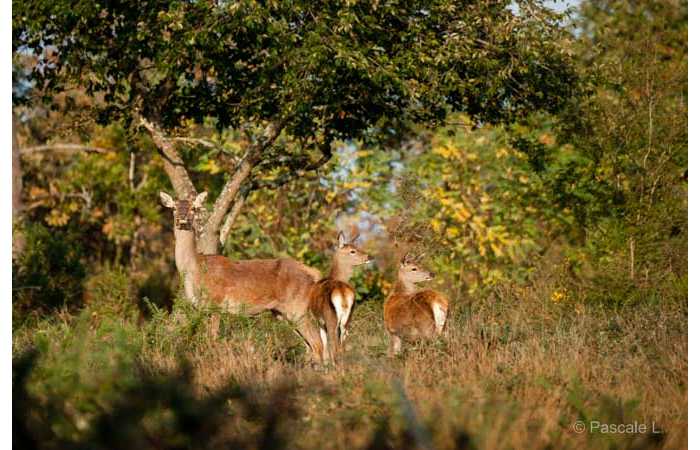
Does want to breed with the most vigorous males. A doe will change herds if she believes that the leader of another herd is more powerful than the stag that currently protects her.

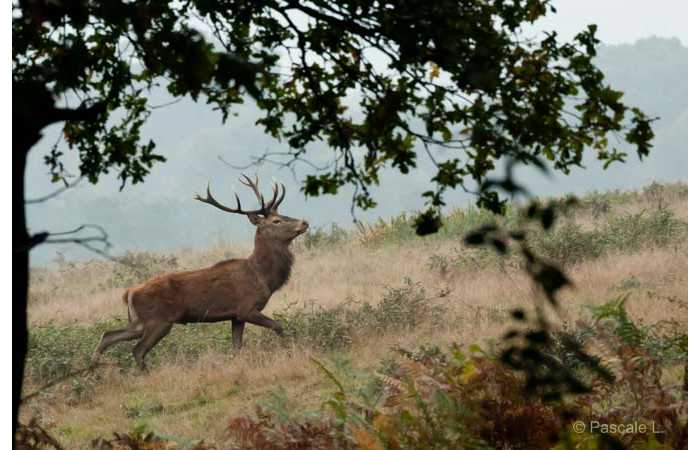
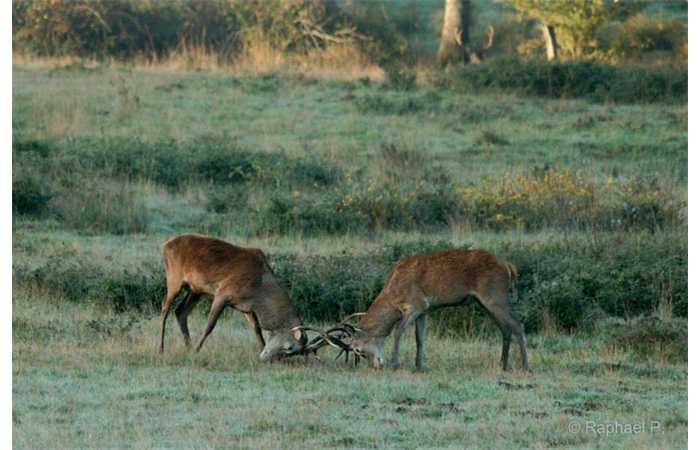
During the rutting season, stags fight each other with rare intensity and violence. Only the strongest stags become masters of herds.

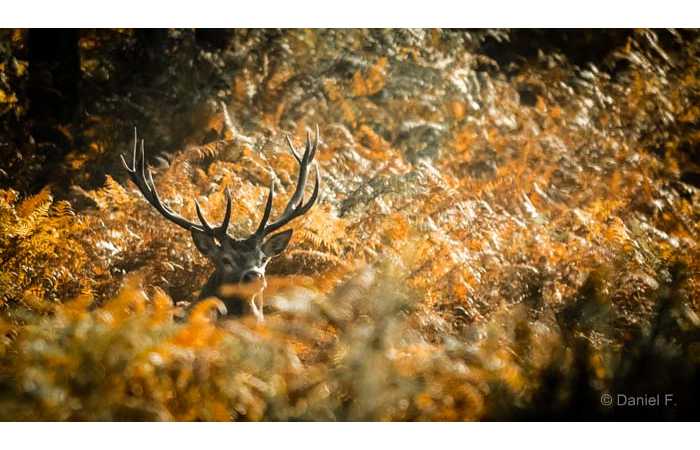
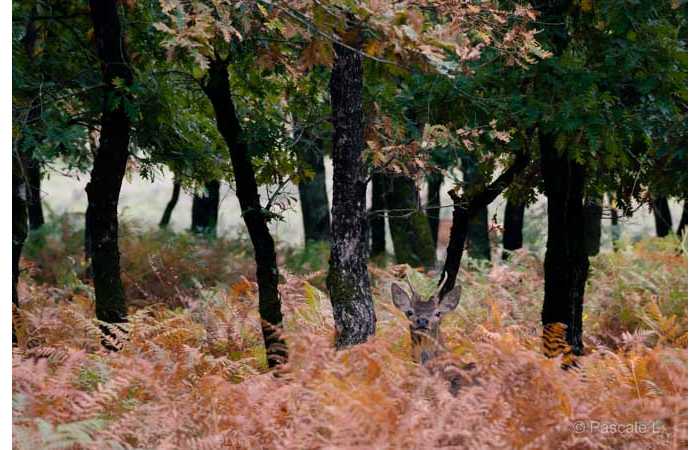
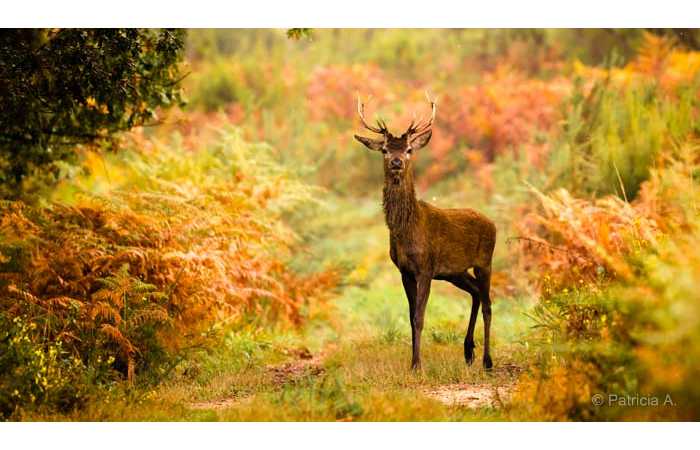
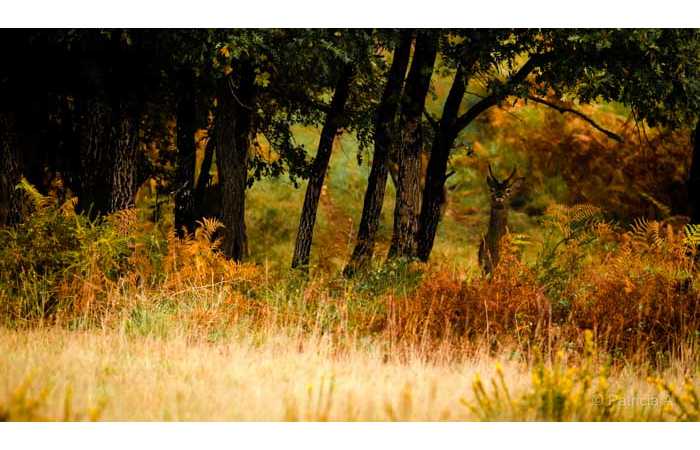
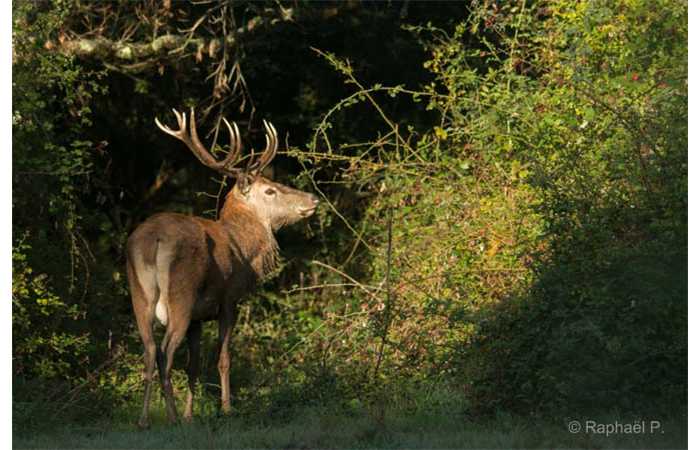
Even though the rutting season provides very interesting material for photographs, it needs the beautiful color of Nature in the autumn to highlight it. Glowing ferns and orange leaves are indispensable elements for a beautiful scene.

The entire photography workshop was dedicated to photographing rutting deer during the autumn.

Using both blinds and approach techniques to photograph bellowing deer

Each morning, the participants went to strategic locations to set up blinds. They arrived at the various sites when it was still dark outside. It was very important to arrive early, because even though we could hear the stags bellowing, they could not see us. To move in the dark, we used red lamps that are imperceptible to deer. With these lamps, it is possible to set up a blind near woods or in the ferns despite the darkness.

Then the waiting began. It could be about an hour before the day broke. This could be a long wait in the cool morning, but it often ended with an extraordinary sight: a bellowing stag surrounded by his herd of does.

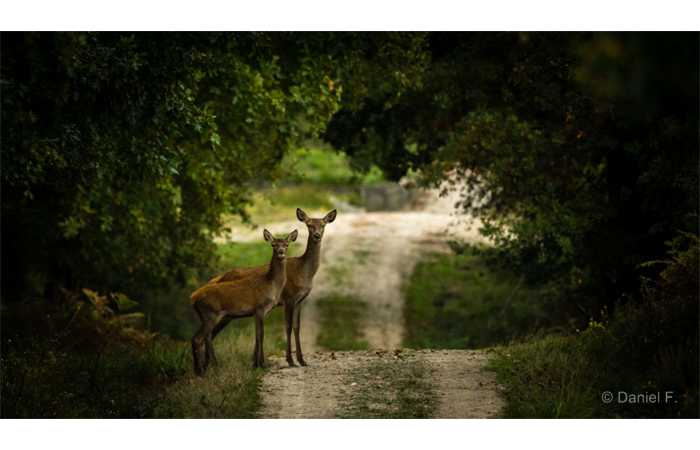
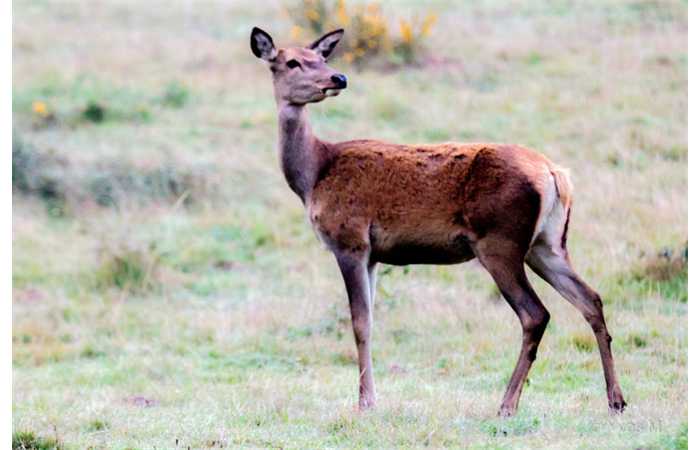
For the less fortunate photographers, it could be the opportunity to take a picture of a doe with her fawn.

It is impossible to control nature. The woods and forests of Charente-Maritime do not obey any law. It's a bit of a lottery. Sometimes the photographers win and sometimes they lose. But, even if one morning does not measure up to their expectations, with persistence, they will get the photos they want. In wildlife photography, each day is totally different. Everything is completely unpredictable.

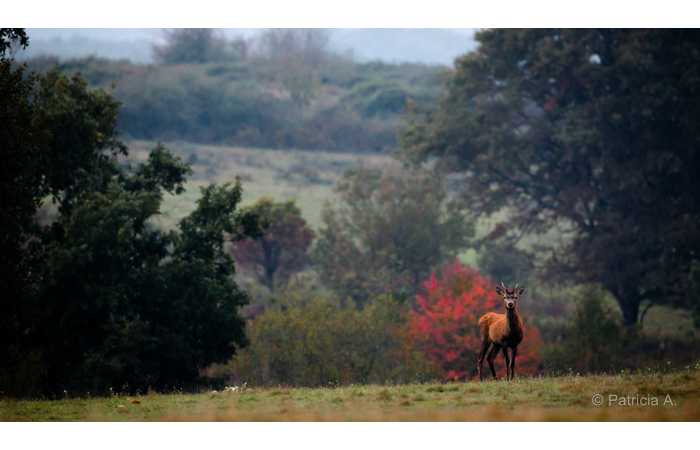
However, each participant was overwhelmed by the beauty of the region. When they left, they were all completely enchanted by the extraordinary landscapes that had surrounded us during the trip. Wildlife photography also includes feasting our eyes on the beautiful landscapes which we use to create the backgrounds for our photos.

Fall colors create dreamlike photos

The background is an essential component in wildlife photography. In creating photos of bellowing deer, fall colors are the ingredients of choice. The orange of the leaves gives warm tones to the photographs, which help enhance the beauty of the animals. The green of spring leaves produces a very different effect. The colder tones create more contrast with the animals’ coats.

The warmer tones of autumn produce photographs that look smoother, with gentle, smooth color gradients.

Charente-Maritime, and especially the region of Haute-Saintonge, offer wildlife photographers an extremely wide color pallet. The photographers have to learn how to use it to enhance their photographs. This is not always easy. It takes a bit of time and experience to master using the colors, but a photographer must do this to highlight the wonders of nature well.

A workshop which reached a rarely achieved level of creative intensity

This photography workshop dedicated to photographing bellowing deer reached a level of creative intensity which is rarely achieved. We cannot explain, because we do not understand, what it was that made the course great. It could have been the atmosphere of the workshop, the weather conditions, the amazing encounters with animals, or the desire the participants had to share with each other. In any case, during our week together, sharing, conviviality, and the joy of living were the keywords of each passing day. When we left, we all wanted to come back the next year and enjoy the workshop again. We were all willing to bet that we would.

Testimonials of the participants

Yves Stan.

This wildlife photography workshop was something new to me. In this field of photography, I was starting completely from scratch. When I came to the workshop, I was afraid of meeting specialists who would keep to themselves. I found passionate photographers who were eager to share their knowledge and enthusiasm. All the other students were available to answer my questions.

As for you, Amar, you were more than available. You inspired the group with a dynamic that is extraordinary. I am not just saying that because you are in front of me. It was really extraordinary. When you commented on our pictures during the photo reviews, you always gave us encouraging constructive criticism that allowed us to leave for the next session with new insight. Your actions were always constructive.

This week was a total success. It exceeded my expectations. When I came to the course, I already knew how to use my camera. I knew photography. The great revelation for me was how to correctly frame and compose a picture. Your classes on how to make a photograph tell a story were completely new to me. For me photography was a question of technique. Now I see photography in a very different way. I know I will take a totally different approach when I create photographs. I have begun to look for nice scenes and think about how to place the different elements. For example, today, I did not trigger my camera, and I am sure that before the workshop I would have. Now I think of all that you taught us and I take the time to compose my photos.

There will clearly be a "before" and "after" the photography trip for me. The region of Charente-Maritime is a fabulous place for wildlife photography. The lighting is beautiful; the scenery is amazing. This course was really a success.

I found this workshop by chance on the Internet. But it was really better than what I hoped for. The guest house and its owners were just delightful.

If I had to keep one favorite memory from this workshop it would undoubtedly be the conversations that we had throughout the week, as well as everyone’s availability. You had to explain the same things to me several times, but you were never reluctant to explain something again. Everyone was happy to show his photos to others and explain how he had taken them, not to brag, but just to share them.

This photography workshop was a real discovery, and no doubt I will come back.

Yves Patricia.

I had already taken a wildlife photography workshop with you. It was devoted to photographing young fawns in the spring. This workshop was very different. Basically, we saw does and herds of deer. The workshop was focused on photographing bellowing deer. Fall is a wonderful season with all its colors.

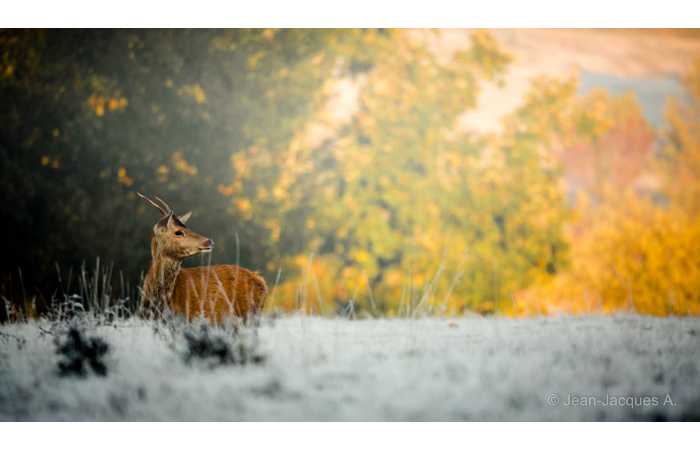
I used color to create pictures that are very different from the ones I used to take. The morning lights that bathed the ferns and trees were beautiful. We were also blessed with frost. This allowed me to compose great photos. We also had fog. Frost and fog helped me create ethereal photos. These are atmospheres that I love. They allowed me to properly highlight the bellow, which is a very unusual sound event. I was really impressed by the bellows of the deer.

This week, you had prepared a special educational progression with the theme “conveying messages through photos”. I know a lot about the techniques of photography. But your lectures motivated me to continue wildlife photography. I was a little apprehensive about always taking the same photos of bellowing deer. With your classes each day was totally different. I enjoyed this very artistic workshop.

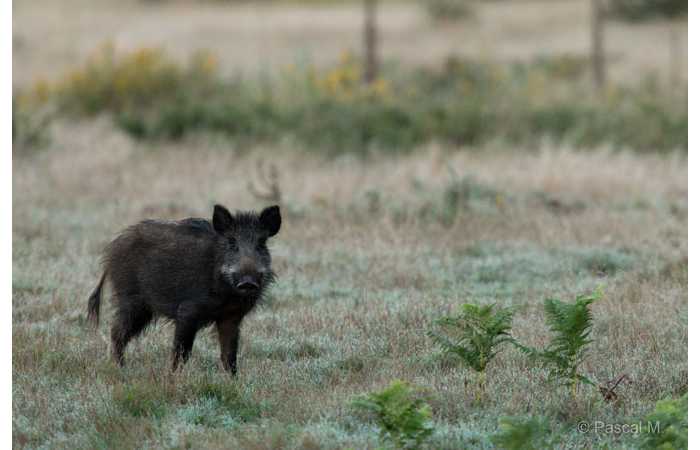
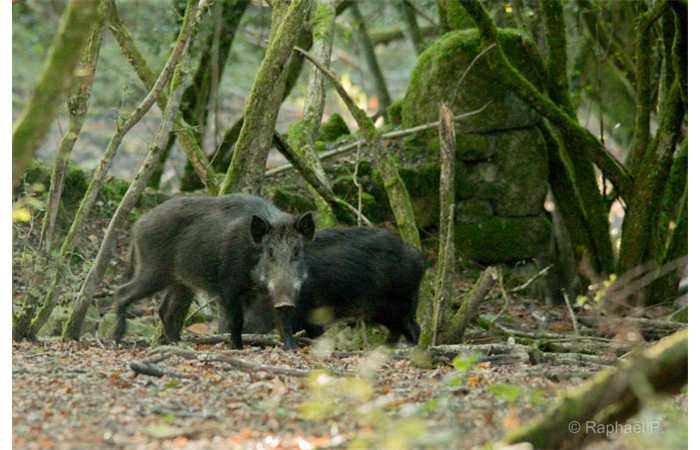
It was a very creative workshop, where I tried to convey what I felt through the photos I took. Finally, I realized that I was trying to use bellowing deer to highlight the colors of the fall season. Photographing bellowing deer was no longer my focus. It became a pretext for focusing on the warm colors of autumn with their orange, red, yellow, and golden tones. However, I regret not having encountered wild boars as I did in July.

Throughout the week, the atmosphere in the group was excellent. There was a lot of sharing. Everyone shared the feelings of their photos. Your advice helped us a lot.

I knew some of the students, whom I had met in other classes about other disciplines. Then I met them again while learning about this new way to make pictures. It was interesting and rewarding. The atmosphere of the course was very friendly.

Another positive point is that I was with my husband, Jean-Jacques. Usually I am alone, but this time we shared the same experience. I am glad that we share the same passion, especially around the theme of nature. We were completely disconnected from our daily life.

If I had to pick one great thing from this week to remember, it would undoubtedly be the atmospheres we experienced in the field. I would have loved to take a picture of the mist-covered pond with a bellowing deer. I photographed the pond with mist, but not the deer. It will happen another time. I will remember that magical morning we experienced, but where we had no subject to photograph.

Elizabeth Elizabeth.

This workshop dedicated to photographing bellowing deer represents something extraordinary for me. This year I felt the bellows much more than last year. I felt the vibrations deep within me. It was an incredible experience. It's amazing, when waiting in a blind in the early morning, to see deer passing near us.
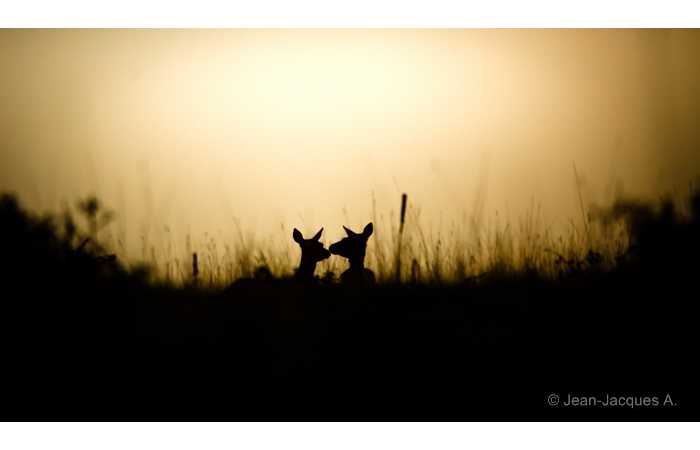
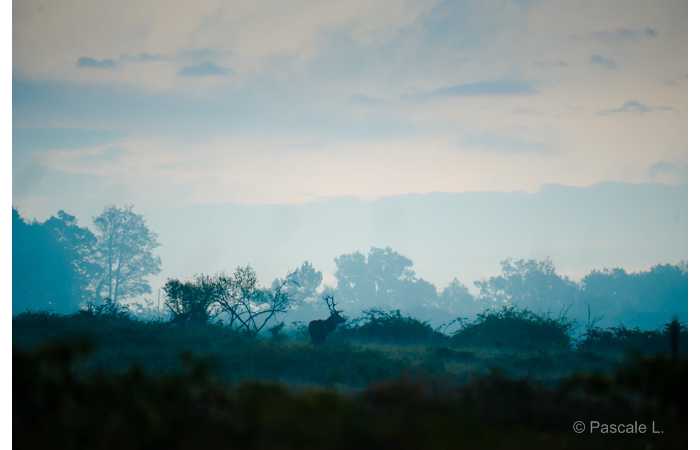
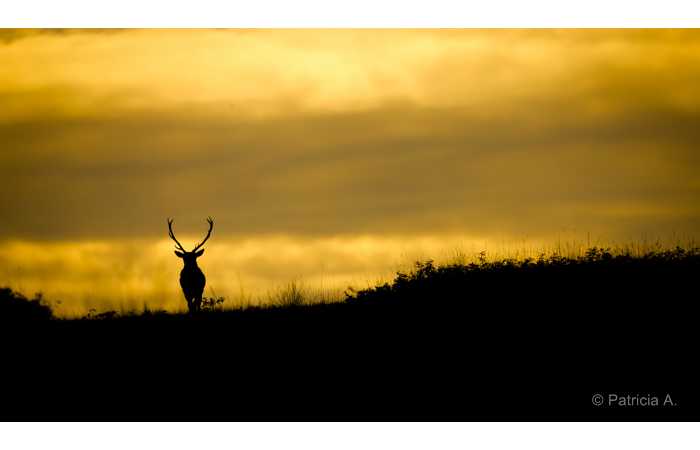
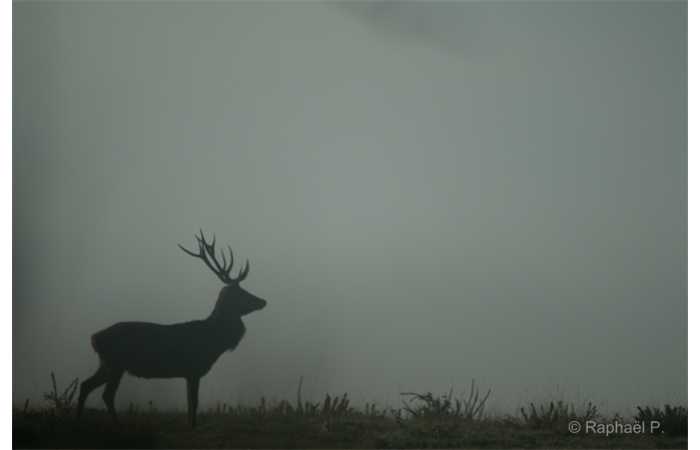
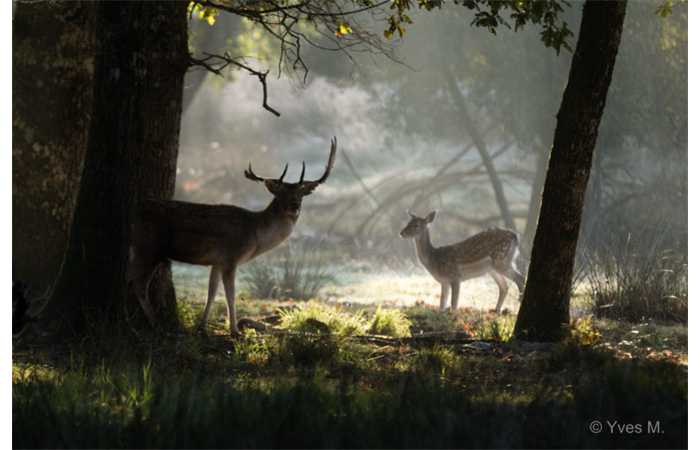
We experienced an exceptional morning with frost and fog. We could see the silhouettes of deer slowly advancing through the fog. It was extraordinary. For me the fall season is primarily the color: the warm and shimmering tones. This year I was able to approach deer that were standing in red and orange colored ferns. It was beautiful.

This year, you chose "transmitting messages through photos" as the theme for the workshop. Since you lent me a professional camera, I was able to make very good pictures that were very crisp, but it was a full format. It felt totally different, because I have an APS-C format. So I kept more space around my subjects so that I could render the very special moods that we saw. I created more dreamlike pictures. It's quite different from what I used to do with tighter framing. It was a very interesting exercise.

Now I think more about how to create my pictures using the lessons you taught us. This is especially true during the sessions in blinds where the animals come close to me. Now that I have mastered the technique and my camera, I pay more attention to composition. Now I have the scene in my eye before shooting. Now I know how to make a good photo. Before, I was judging my pictures more instinctively. Now I am able to choose a picture before triggering the camera. Before the workshop I was doing the selection on my computer. This is still the case, but I have fewer photographs to sort.
It's a pleasure to know that I have a good picture because I prepared it. Now I'm really "in" the act of creating a photo. Now I no longer need to check my photos in the rear window as I did before. I know they are good. It is very satisfying. It is difficult to choose a picture on the computer because I have a lot that are well realized.

This is big progress compared to the rutting season last year, because then I had just 10 that were done very well. After this workshop, the technique has become an extension of me. I do not ask myself questions anymore. I really reached a significant milestone. I am really happy. The atmosphere in the group was excellent. All the photographers exchanged ideas. This brings a lot to everyone. It is an advantage to look at what others are doing. The whole course had an air of good humor. We laughed a lot. Our hosts were amazing.
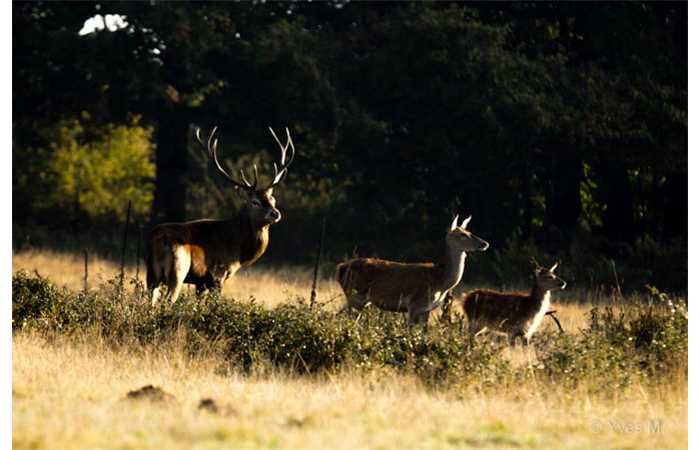
If I had to keep one memory from this week, it would certainly be the morning yesterday, when it was very cold and there was mist. The lighting was extraordinary. The oranges were beautiful. They put the elements in relief and gave them an amazing color. It was like a watercolor. You could really tell a story in pictures.

Thank you for everything.

Christian Christian.

I came last year for a photography workshop dedicated to photographing young fawns. For me this course during the rutting season allowed me to be in closer contact with wild animals. But the real highlight was definitely the progress I made in technique.

Photographing wild animals is not as easy as it looks. In addition, I have learned to think about the background. Physically, this course has been great. The mood of the team throughout the course was nice. The team spirit we shared throughout the course was nice. One does not often find this kind of attitude. We shared a lot and we had many discussions about topics of interest. Much was shared concerning the wonders of nature. I learned a lot this week.

I used the fall colors to highlight the deer in my photos. The woods in which we learned were beautiful, with the ferns and leaves changing color. The skies were beautiful. I tried to combine all these elements with the movement or attitude of animals.

This week I reached a real milestone in the creation of my photos. It was even better than the last workshop we attended in La Dombes. I feel more comfortable with composing pictures, but I still have more to learn about controlling my camera and using the settings. In wildlife photography, scenes change very quickly. We must react quickly. It is not always easy to adjust the camera settings to fit the light. But I will continue to take photos regularly to acquire the proficiency that you explained.

If I had to keep one memory from this week, it would be the animals and flowers that surrounded me and the grandeur of the landscape, water, sky, and all the elements of nature around me.

I appreciate the progress I've made with you. But I have progressed not only technically, but also from a philosophical and artistic point of view. Now I see my subjects differently. I put more space around them, avoiding framing that is too tight. I give them more life. Now I try to make my photo convey a message. It's difficult, but at least now I try.

I knew the area during the summer. Now, during the fall, the colors make it totally different. The bonus of this workshop was that I shared this experience with my wife Patricia. We helped each other. When we return home, we will certainly review this workshop. From now on, I am going to develop my pictures. This is something that I am not used to doing, but now I realize the importance of this step. I still have to practice.

Yves Daniel.

I already came with you last year to photograph bellowing deer, but this year was very different. Last year I wanted to create portraits of bellowing deer. I wanted to make classic pictures.

This year I came with a specific goal: I wanted to take pictures that were wildlife and landscape photographs at the same time. I'm thrilled because I did. This week was a fantastic time for exchanges between participants. It was wonderful. We showed others our photos and explained why we took them. The comments we received did not include value judgements. They were always positive. This allowed each of us to move forward regardless of our skill level.

From a purely photographic perspective, the rutting season is interesting, but it was the environment that allowed me to create the pictures I wanted. The advantage of the rutting season is that we can get a little closer to the deer to photograph them against the landscapes that we choose. Fall, with its colors, is the most beautiful season for me. The colors that I saw in the forests of Charente-Maritime allowed me to create beautiful pictures. The yellow, orange and green color schemes were important elements in photographing the bellowing deer. The icing on the cake was the early morning frost. Waiting inside a blind in the early morning frost is a great experience. It was cold but it was beautiful.

Throughout the week, the atmosphere in the group was fantastic. There was a kind of incredible friendliness. There was real camaraderie among the participants. Your comments and suggestions were encouraging to everyone. The group effect allowed us to progress much faster than we would have if we were alone.

If I had to pick one thing from this workshop to remember, it would be my happiness for having come. Every day was pleasant and tranquil for me. I completely emptied my mind during the workshop. Nothing else existed. I was just fine. The accommodation was great. Our hosts were very welcoming.

It has been a long time since I got to know you. If I come back to your classes, it is because there is a good reason. Now you are a friend.

A gallery of the participants' photos

daniel-1
daniel-2
daniel-3
daniel-4
daniel-5
daniel-6
daniel-7
jean-jacques-1
jean-jacques-2
jean-jacques-3
jean-jacques-4
jean-jacques-5
jean-jacques-6
pascale-1
pascale-2
pascale-3
pascale-4
pascale-5
pascale-6
pascale-7
pascale-8
patricia-1
patricia-2
patricia-3
patricia-4
patricia-5
patricia-6
patricia-7
patricia-8
patricia-9
yves-1
yves-2
yves-3
yves-4
yves-5
yves-6
yves-7
yves-8
yves-9
jean-baptiste-1
jean-baptiste-2
jean-baptiste-3
jean-baptiste-4
jean-baptiste-5
ludovic-1
ludovic-2
ludovic-3
ludovic-4
ludovic-5
pascal-1
pascal-2
pascal-3
pascal-4
pascal-5
pascal-6
pascal-7
raphael-1
raphael-2
raphael-3
raphael-4
raphael-5
raphael-6
raphael-7
raphael-8
  1. Wildlife photo workshop from floating Blinds in La Dombes-June 2015
  2. Report on a July 2015 wildlife photography workshop focusing on deer

Page 5 of 6

  • 1
  • 2
  • 3
  • 4
  • 5
  • 6
Copyright © 2003 - 2026 Guillen Photo LLC - All rights reserved. Amar Guillen, professional photographer since 2003.
  • Blog
  • Calibration
  • Legal Information
  • Sitemap
  • Accessibility
  • Contact Me
  • Updates of the Website

Select your language

  • English (United Kingdom)
  • Français (France)

Contact Me By Email

5 + 6 =

Office Address:
3512 Robin Road
Plano Texas 75075
USA

Office phone: (+1)214-769-6825