Photographic Voyage To Ethiopia To Photograph The Last Abyssinian Wolves, Mountain Nyalas & Gelada Monkeys
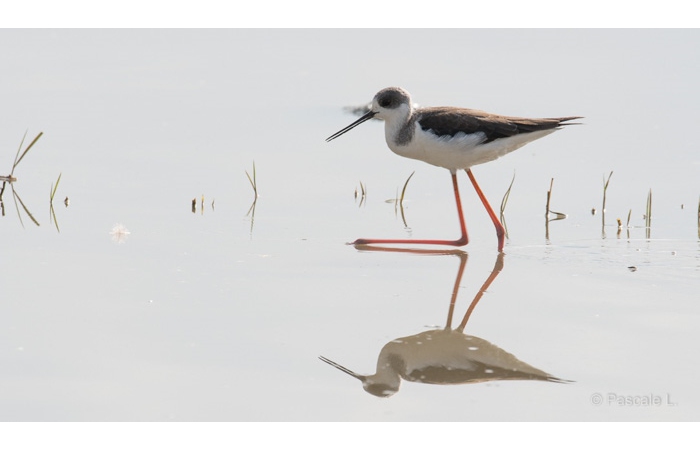
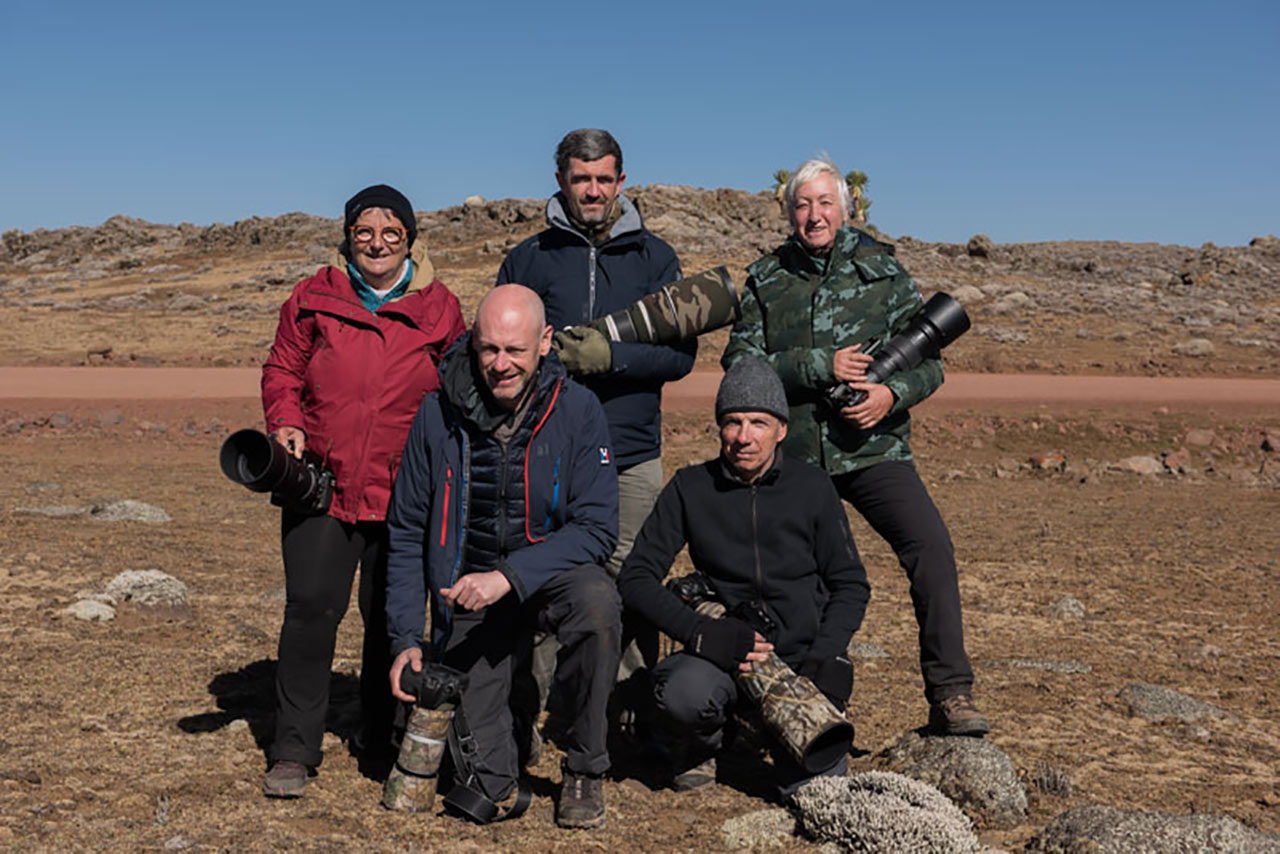
In the February of 2017, we accompanied, for the second time, a group of 5 photographers to Ethiopia for a wildlife photography workshop. The goal was to capture on camera the various species endemic to the African nation, including the Ethiopian wolves, mountain nyalas and gelada monkeys, but also including the numerous species of birds whom live upon the surroundings of the country’s immense poissonous lakes.
Ethiopia’s Wolves & Gelada Monkeys
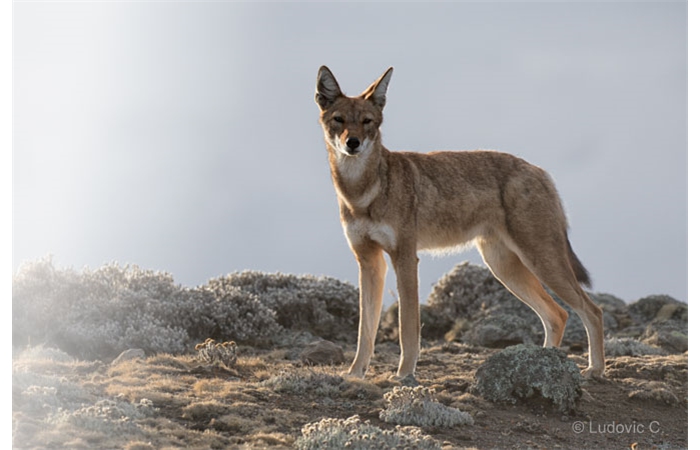
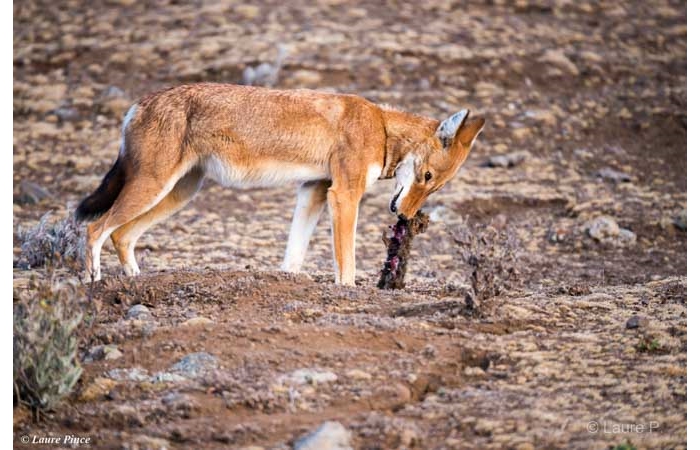
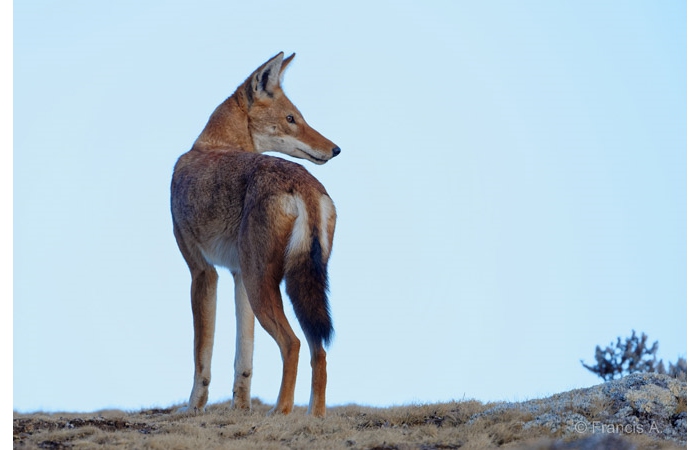
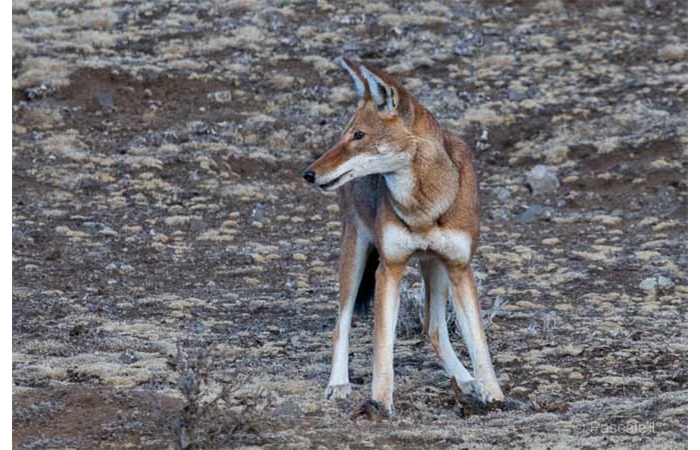
An important portion of this wildlife photography workshop lied in the chance to capture on camera Ethiopian wolves (Canis simensis), whom, to this day, still go by the name of Abyssinian wolf. It is the second rarest canid in the world, the runner-up only to the red wolf located within the eastern United States. With less than some 500 individuals left in the wild and in a state of nature, with approximately 300 of said animals living within the Bale Mountains National Park (Around Ethiopia’s geographic center, in the Bale Mountains at some 4500 meters, or around 14700 feet, in altitude) and none existing in captivity, such as in zoos or specialized preservations.
These wolves, whom nourish themselves primarily upon small rodents (Notably by hunting the giant mole rat) live in familial groups. Their numbers have considerably decreased in these last few years, primarily due to a variety of diseases passed onto them from dogs and the continued encroachment of pastoral activities on their traditional hunting grounds on these elevated plateaus.
For the last 20 years, a vaccination campaign has been in the works whilst also engaging a separate organization, creating and developing a new national park and its incumbent rules that has helped stabilize these wolves’ population upon the plateau.
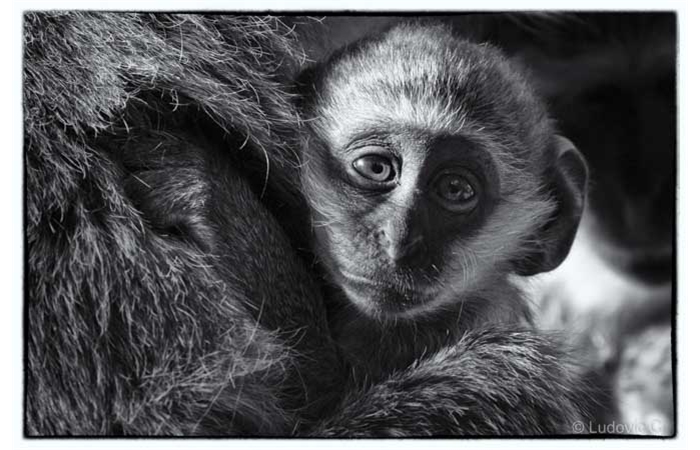
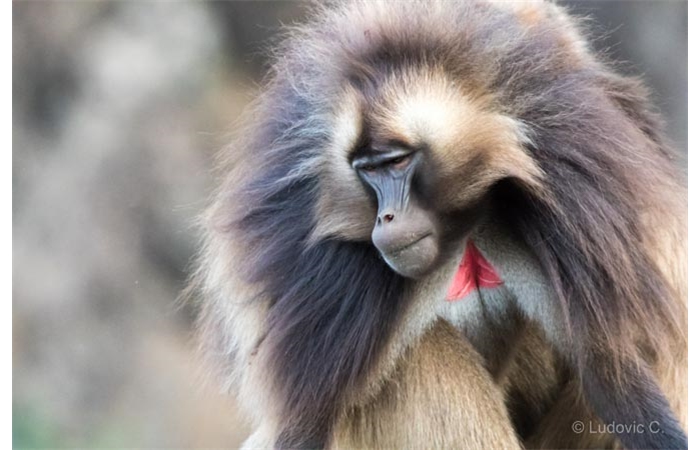
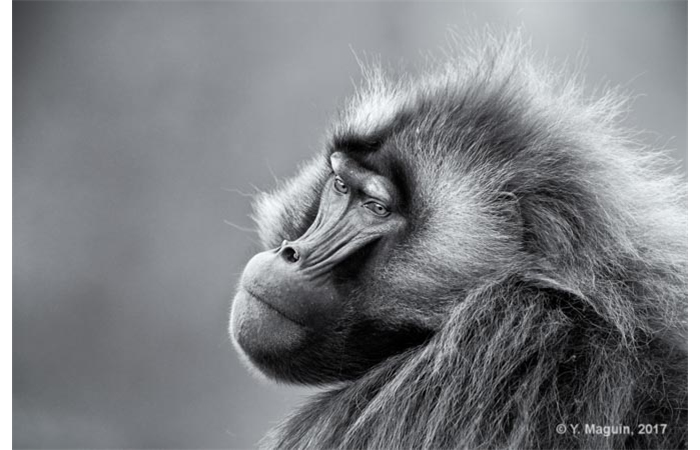
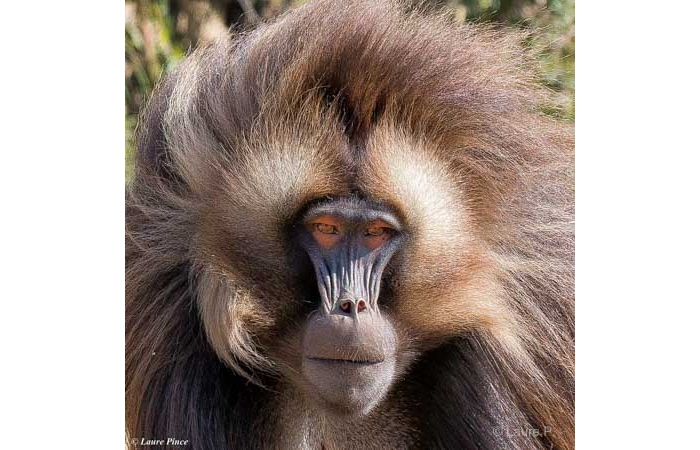
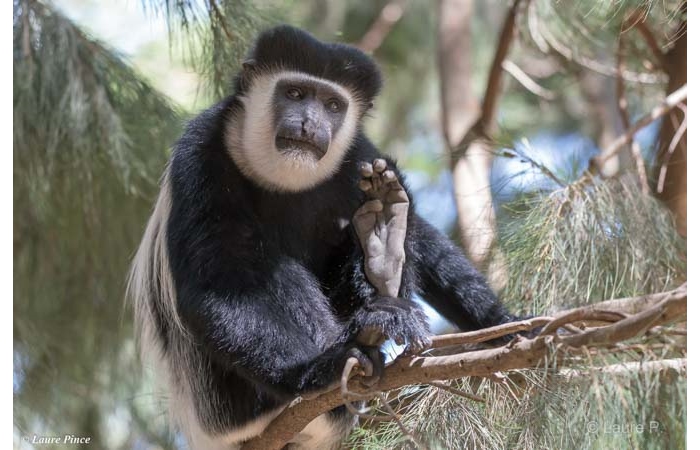
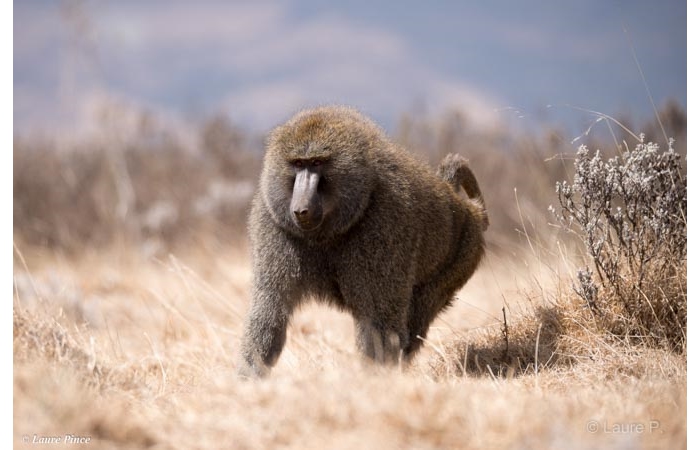
Another strong point about this voyage were the gelada monkeys. This large primate ressembles the baboon and inhabits the high plateaus of Ethiopia’s mountains and throughout the northern neighboring country of Eritrea.
Despite the fact that the gelada stands just as tall, if not much taller than the baboon, that he possesses an elongated face and that he remains even subject to his own species version of sexual dimorphism, both it and said baboon do not belong to the same branch of species. Geladas live in small groups incorporating a single male and multiple females, as well as their progeny. It rests upon the vigilance and aggressiveness of the male gelada that the security of his harem reposes itself. He expends great deals of energy so as to conquer and maintain this power as fragile as it can be exhausting, all the while the females themselves attach themselves with far more devotion to their children rather than their mate. Fiercely loyal to their sister wives, they will not hesitate to leave an older, weaker male partner behind for a younger, stronger one.
Ethiopia - A Paradise For Wildlife Photographers
Landscapes of an incredible beauty, on one hand the high plateaus at more than 4000 meters (~13100 feet) of altitude, on the other humid forest bathed within a low hanging fog, an absolutely magical setting when observed through the photographer’s lens, lakes teeming with innumerable bird species yet but another portion of the incredible backdrop serving as the decor to this superb naturalist and photographic voyage organized by yours truly. This nation, in extra to its amazing natural beauties is rich with wild fauna, most notably the rare and endangered Ethiopian wolf. We were led to the center and beating heart of the parc by our specialist and naturalist guide, said man also charged with the saving and preservation of this endemic species when on the field.
For this trip, we dolled out the best possible photographic oriented advice. This expedition was both an artistic and naturalist tuned adventure. In other news, whilst patiently awaiting our painstakingly desired encounter with the famed wolves, we also payed tribute to the gelada monkeys by visiting them as well, themselves endemic to the Ethiopian nation. A grand voyage to a nation of origins!
Ethiopia is a country of dreams and wish-fulfillment for both animal and wildlife photographers. The country counts close to 280 different species of mammals and 280 species of birds. Yet the sheer biodiversity is such that some 6600 species of plants lay spread out throughout the nation’s borders. The lakes within the region of the Great Rift Valley retain a great numerous variety of bird species and other wild, untamed animals.
We also count an important number of species endemic to the countryside in terms of mammals and birds, both in equal measure and both constituting a large portion of Ethiopia’s total fauna. The available biodiversity in terms of species is notably due to human intervention through the importation of originally nonnative wildlife within relatively impressive sectors of the nation. Based upon what kind of wildlife can be locally observed, it is therefore possible to make the distinction between the highlands and ensuing mountains as well as those flatlands surrounding them.
A Tailor-made Expedition For The Realization Of The Highest Quality Images
Throughout the entirety of this adventure, we had nothing but a sole and single end goal; that the participants realize some beautiful snapshots and bring back some big memories.
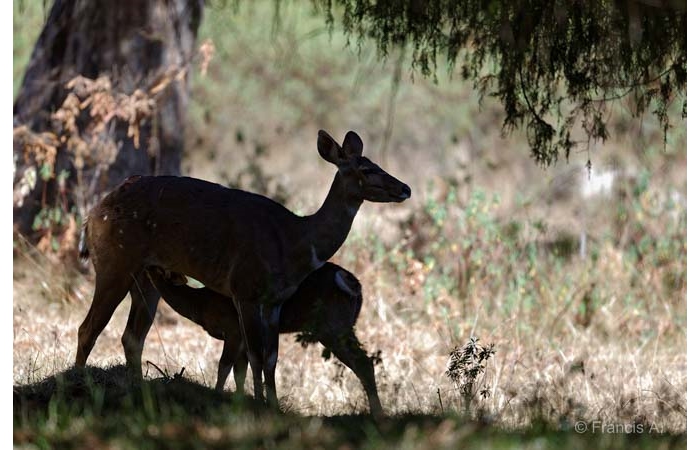
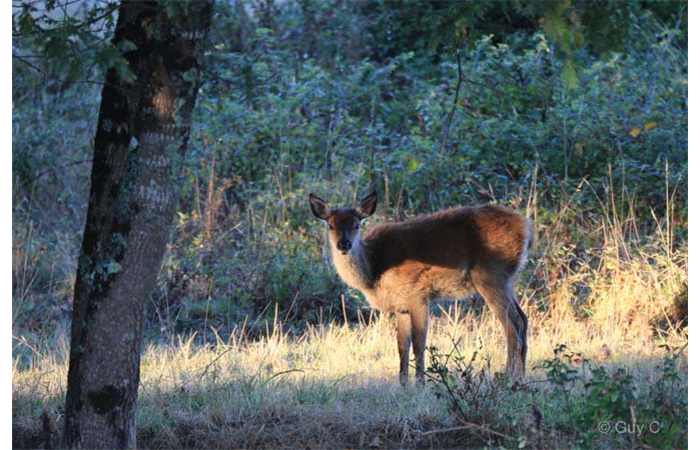
During the animal photography sessions, we devoted ourselves to providing the best advice for improved techniques, both in function and practice. For example, in terms of capturing birds on camera, we emphasized the usage of cameras’ rapid-fire and autofocus capabilities. For photos involving the mountain dwelling nyala monkeys, we strongly suggested focusing upon the usage of lighting, both towards and against the incoming sunlight. We have always tried to present extensive thematic variety so as to make the photography workshop as broad, inclusive and educational as possible. Yet all of our advice always remained pragmatic and easily applicable whilst in the field.
Photographic Advice Uniquely Tailored To Each Photographer
For years now, as professional wildlife and animal photographers, we’ve organized this voyage to share and pass onto other photographers our passion for nature and fauna. Contrary to France, here the animals live in complete harmony and symbiosis with the Ethiopian nation’s human inhabitants. The wildlife does not flee from photographers.
It requires nothing more than to respect your distance for security reasons and so as to not cause them to flee. Of course this does not hold true for every species, examples including the Abyssinian wolves and the gelada monkeys. Yet they are cooperative. This permits the group to stick together. We are therefore able to present the best possible advise whilst at the same time being right there on the ground. This manner of broaching wildlife animal photography enables the participants to rapidly progress no matter the desired framing, composition, scene establishment or picturing birds in mid-flight. This expedition was a complete success from both the creative and technical planning aspects.
A Friendly & Welcoming Atmosphere
For this trip, themed as a “far adventure” dedicated to the beauty of Ethiopia’s endemic nature, we explicitly choose 5 photographers. We were therefore able to spend considerable amounts of time with each individual participant so as to provide them with the necessary advice, both technical and practical, but also rapidly establish a warm and welcoming atmosphere due to said groups inherently restricted nature. For this voyage, we opted for a single large car to encourage technical conversation between the photographers riding within and favor the growth of an open and amicable ambiance.
The act of sharing powerful moments such as tonight’s at an altitude of more than 4000 meters (~13100 feet) in our small refuge, permits for the creation of an atmosphere that could qualify as familial. After several days, we had the impression of having been upon a journey that had already lasted several weeks. Daily routines had emerged from the initial chaos. Each participant rapidly found their most comfortable place and position. The overall harmony of the group was perfect as indicated by said participants’ own thoughts as described further below.
An Expedition To The Height Of Each Participants Expectations
What most often came up within the various participants’ commentaries were the observations upon the sheer size, scale and number of animal species whom we’d passed by throughout the journey but also they’re sheer density within restricted geographic areas. Another common remark by these said photographers was also as to how in harmony the wildlife coexisted with the Ethiopian people. This proximity allowed for each of them to realize very distinct and creative snapshots.
Participants’ Written Testimonies
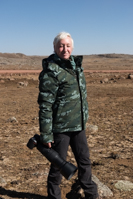 Pascale.
I signed myself up for this workshop as I was specifically focused upon the opportunity of being able to observe the gelada monkeys. It’s an animal that had garnered considerable interest from myself. I was not disappointed, whether it be in terms of their facial expressions, looks or attitudes; it’s a truly impressive animal. The surrounding decors also brought a lot to bear to the background, which, in this case, was the Great Rift Valley. There were also cliffs. I’d often have my breath taken away. There were some extraordinary mornings with beautiful lighting conditions while animals stood still by the encompassing cliff sides. I made some amazing photographs. Following these encounters, I had trouble projecting myself and vision onto the other wildlife.
I was surprised by the number of species I caught on camera. My head’s still spinning just thinking about it. I even had trouble just handling the sheer influx of pictures I took. This had never happened to me. What really surprised me was observing these animals so close to humans. It’s really astonishing as, in France, the animals flee when in sight of humans. Here, I was able to capture their emotions without any trouble.
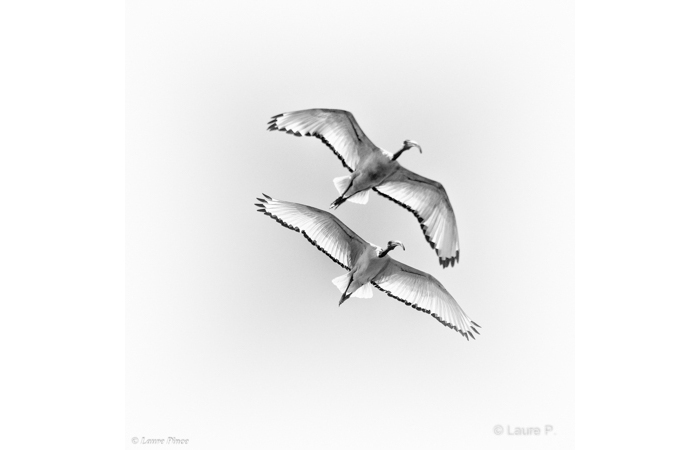
I had never photographed birds. I’m rather more interested in land mammals.It was a little difficult at the start. However, I do recognize that, with your advice and help on how to capture birds in mid-flight, lighting, reflective surfaces and theme, I was able to get myself into the game. I have now found a goal and have created what I believe to be quality snapshots. In the begging, I took a naturalistic approach. Then, as I got farther along, along with your remarks, I started to broach birds in a different manner, in a more artistic fashion. This morning, I jumped off the deep end in terms of mid-flight snapshots and have held on to a select few.
During this trip, I was surprised by the overall number and density of animal species. It’s incredible. I had never seen so many birds in such a small and restricted area. The lights surrounding the lake were also just as incredible.
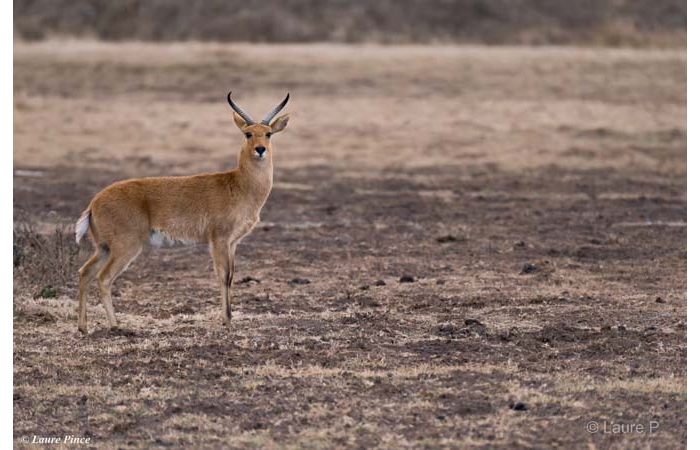
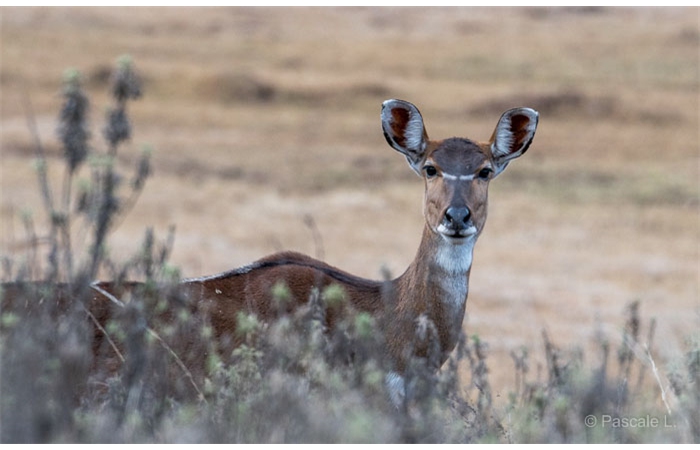
I was also surprised by the nyalas present within the Bale Province. It was also just as impressive to witness the sheer number of warthogs, baboons and southern reedbucks. It had never crossed my mind that we’d get the opportunity to encounter so many animals. It’s impressive.
Concerning organization, the guides were awesome. It was a really compact tour. I think I missed out a little in terms of meeting the locals. Yet the diversity of possible and varied photographic subjects was impressive. It was quite the novelty for me, personally.
I did not believe that we’d encounter the Ethiopian wolves as close as we did. I had accepted the fact that we would have probably seen them from afar. Yet, having them so up close and personal, that was extraordinary. In addition to his we had some magnificent lighting thanks to a setting sun. It was a great present.
If I had to conserve to memory a unique moment about this adventure, it would definitely be that of encountering the wolves. It was very powerful. The Sanetti Plateau is arid, its lighting beautiful. We scout out the animals. When they come in real close, it’s a real treat.
All of the landscapes traveled throughout this trip were magnificent, whether it be those including the monkeys, the birds or the wolves. We were always alone whilst in photograph mode. We never got in each others way.
I would never have believed that I could create such a large collection of photos. I now enjoy ornithology. It’s honestly quite surprising. I’m impatient to review all of these photos. I’m eager to start sorting through them.
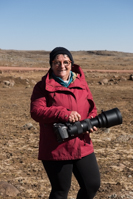 Laure.
I wanted to participate in this animal photography workshop in Ethiopia as I’ve been practicing underwater photography for a very long time and have never had the chance to practice its overland based equivalent, be it otherwise landscape or wildlife oriented. Having known you since ages ago and having heard the gossip surrounding your wildlife photography workshops, I was excited about uncovering this new discipline.
I’ll admit that upon my arrival to this workshop I was a bit worried about what I was going to find and if whether or not I would enjoy photographing these animals. Yet in the end, I left happy and content about this voyage.
In truth, I discovered a new world and another method through which I could approach photography. You have now permitted me to open a vast number of new doors for the years to come. I’ve uncovered a world of liberty, purity, nature, animal behaviors, tranquility and of peace, to put things simply.
What marked me about the animals in Ethiopia was the contact and proximity that I experienced with them. For example, I knew that I would be seeing monkeys but I hadn’t understood that I would be living amongst their numbers. I knew that I’d be observing birds but failed to realize that I would see dozens of different species and especially that I would be capturing them on camera whilst being to very close to them as well.
What marked me in Ethiopia was the harmony which exists between the animal kingdom and human beings. I let myself get dragged into the game. I forgot everything about France while I was on this trip. I went with the flow of Ethiopian life. I became part of this unique piece of the world.
The encounter with the geladas was exceptional. On one end it was my first encounter with the animals within Ethiopia’s borders. I was fascinated by the eye contact we maintained. It was as if we were talking to one another. I had this impression that I was communicating with them. It made for truly a both memorable and remarkable experience, very powerful. It’s quite the good idea of traveling this region on the first day for someone who is a novice like myself. This sparked my passion for animals.
Whilst during my encounter with the wolves of Ethiopia, It was just like being a kid again. With my eyes I was looking everywhere for them, on this immense plateau. Once I’d caught sight of my first wolf I was really ecstatic. My heart beat was frantic. I’d rediscovered my inner child.
I was impressed by the sheer number of bird species and their relative density throughout the area. There were the beautiful, the less so, the majestic and the colorful. It’s extraordinary. I hadn’t even needed to run after them. They’re right there next to us, living their peaceful lives as long as we don’t disturb them.
Ethiopia is a grandiose country. We are smack dab within the dry season. The colors are of an interesting nature. I enjoyed the contrasts between the landscapes of those farmlands and the mountains. It’s undoubtedly a wealthy country in terms of raw nature. There are many assets to choose from.
The trips organization was perfect. We were taken care of right from the plane’s landing and arrival. The guide and chauffer were always available to us and our various little needs. We were very well logged and in some quite family friendly locations. We were always close to the Ethiopian peoples. It was very relaxing and we felt great. It truly appreciated it.
However, I did have one small regret. I would have enjoyed spending a little more time photographing the daily lives of those people we passed by whilst being ferried around. It’s something you should put in place for next year’s trip.
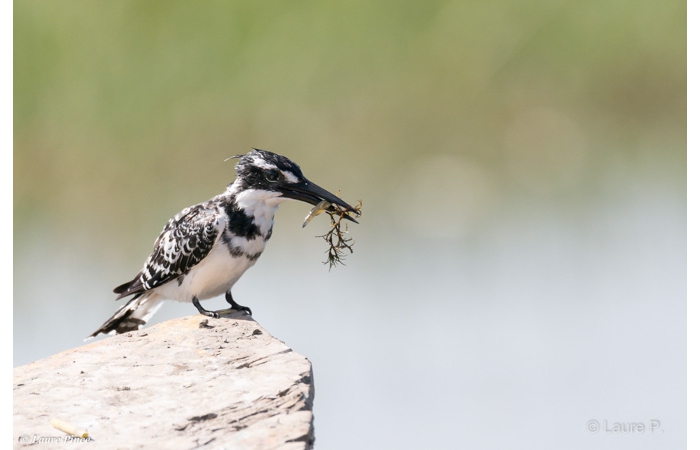
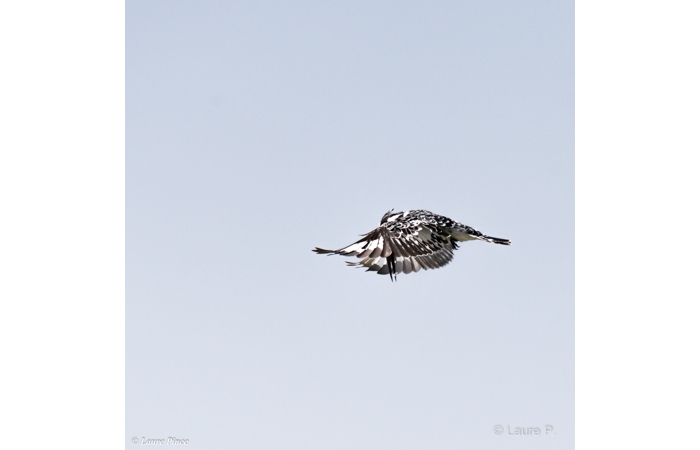
It’s rather difficult for me to choose and preserve into memory a single specific moment as there were many. Most notable that of the time with the geladas. I had a blast with the kingfisher. It’s impossible for me to select a moment.
Yet the most important is that now, I’ve opened these doors for the years to come.
 Yannick.
For this first trip amongst your company, my impressions were of the good kind. This discovery of Ethiopia was without fault. It’s my first time participating in a wildlife photography workshop.
In coming on this expedition, my first objective was to explore the country. Next, I wanted to uncover the true lifestyle of a professional photographer. I wanted to share with you your unique experiences. I wanted to learn your techniques and personal brand of approach to artistic photography that I had yet to broach. All of my objectives were met. Now I see wildlife photography from a new lens. For example, I have a better understanding of the usage of greyscale. I understood the deeper meaning behind the process of framing and varying techniques of image development. I had never done so in terms of wildlife oriented photography let photography alone.
I appreciated your advice in terms of the processes concerning digital photography, be it in terms or editing, development or otherwise.
I am passionate of birds and of the study of ornithology. Yet I was very moved by the Ethiopian wolves. On one hand due to their endemic and consequently rare nature, yet also as a result of the manner in which we encountered them. I’d believed that we would be seeing them from afar, that they would be difficult to find. Yet I shared a cool moment with them. It was magnificent.
I wasn’t all that excited by the primates yet I had to admit that the gelada monkeys were very attractive but must also conclude that the surrounding decors themselves must be noteworthy in order to capture them on camera in light of their true value. The encompassing photographic atmosphere were very inspirational.
In terms of avian life, the sheer scope of their density was truly impressive. They were very beautiful. I’d already encountered a number of species in Tanzania yet here I was surprised in our ability to approach them as close as we did. I was allowed to realize more creative images thanks to this proximity and based upon the fact that they did not flee as we steadily approached.
Throughout the duration of this wildlife photography workshop, I modified my usual approach to photography. I worked on my lighting and exposition. Both were techniques that I did not usually practice.
All of the locations you’d elected to choose were ideal. We were close to the birds. You were obviously aware your surroundings. Your advice on our methods of approach and image capture were well thought out.
The overall atmosphere surrounding the trip was great. The car was comfortable. The guides were experienced and very sympathetic.
If I had to hold onto a single grand moment of this expedition, it would most certainly be that of the encounter with the Abyssinian wolves. We were quite close. They accepted our presence. They demonstrated their hunting methods with an amazing lighting serving as the backdrop. There really isn’t that much else to say. It was perfect.
 Ludovic.
I participated to this voyage in Ethiopia as I’d seen your photos of the geladas. I personally found that this species of monkey was truly beautiful. Whilst diving further into the subject, I grew to want to realize photographs of them.
Concerning the wolves of Ethiopia, we had some incredible luck as we saw many and from up close. Our encounters with them were both memorable and unique.
As to the nyalas, I was less excited as I’d already seen a species relatively alike in South Africa. I was not as impressed.
Yet all of these encounters with these endemic animals were very cool.
In terms of birds, as a creature of habit I am not a great admirer of aerial fauna yet I do recognize that it was a charming experience. The concentration of numerous species and density of bird lives was truly incredible.
All of the locations that you’d chosen were well thought out. Everything was perfect. I was never bored.
The group of photographers were very pleasant. The ambiance was nice throughout the 10 days. Everyone was very calm. Many were contemplative.
The guides that you had chosen were very competent. The trips organization was top notch from all possible perspectives.
Thanks to your council throughout the duration of the workshop, I learned many new techniques in terms of photography. Now I know how to properly capture images of birds, for example. I also learned how to manually adjust my camera’s settings.
If I had to preserve into memory one of this voyage’s big moments, it would have to be the time where we were surrounded by geladas whilst on the plateau. I had this feeling of being part of the group. We had plenty of time to get up close and personal. They payed attention to us. It was a grand moment.
 Francis.
This trip and wildlife photography workshop in Ethiopia was an extraordinary voyage for me. I was amongst the animals, sometimes incredibly close to birds, monkeys and antelopes. I’d had the chance to participate in another wildlife photography workshop with you in the Dombes yet this was completely different as here it was often to catch sight of a bird and you have to approach them slowly as they are easily frightened. In Ethiopia, the number of species of animals is impressive but especially how densely located each species are located relative to one another. The animals live in harmony with the Ethiopian peoples. For example, once again this morning whilst on a birdwatching session, we observed some shepards and fisherman smack dab in the middle of the animals, undisturbed by their presence.
I participated in this adventure as all of the photographers I had met had told me that Ethiopia was an extraordinary country in terms of animal and wildlife oriented photography. I wasn’t disappointed.
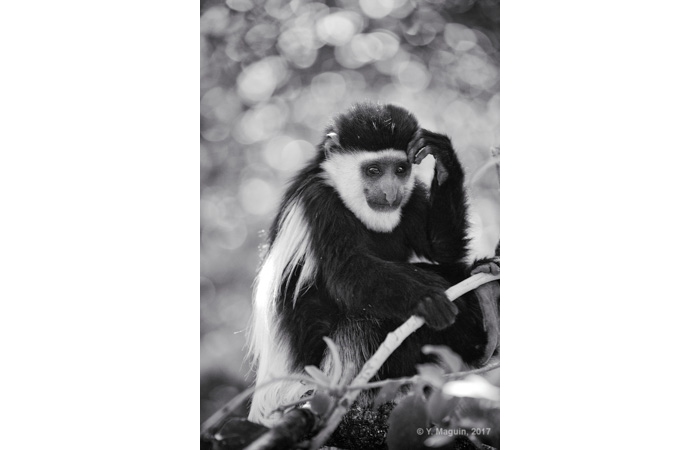
The image that would have marked me the most during this trip is that of the colobe monkey who was literally right next to me. Plus I got to pet him.
Throughout this voyage, I believe myself to have taken anywhere between 4000 to 5000 photos. There never was a dull moment. I never got bored.
The workshop’s organization was excellent. The guides were the definition of professional in every definition of the term.
I found the wolves of Ethiopia to be very beautiful. The encounter will have left its mark.
I learned many new techniques thanks to your advice, notably concerning the usage of greyscale. Your recommendations were a real bonus.
The ambiance throughout the duration of the workshop was swell. We’d all come along with the same common goal in mind. All of the proper conditions were reunited so as to make this expedition a success.
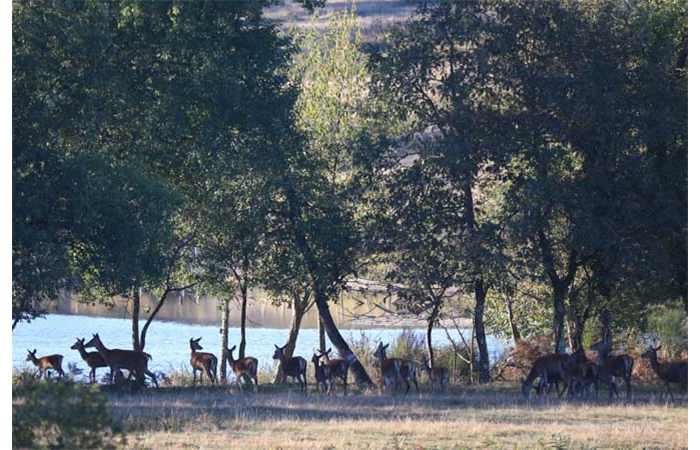
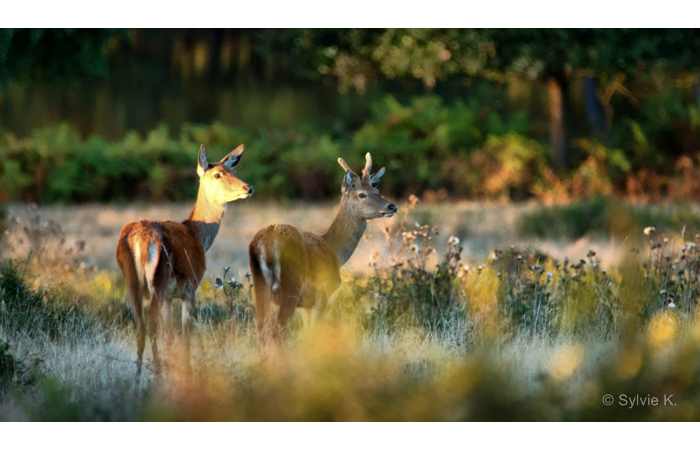
A gallery of the participants' photos