Nagare: The Language of the Ocean
The Japanese word Nagare means flow, current, movement. It naturally evokes water and the continuous movements of nature.
Where water meets stone, the ocean reminds us that every force can become movement.
Before the ocean, something within us slows down.
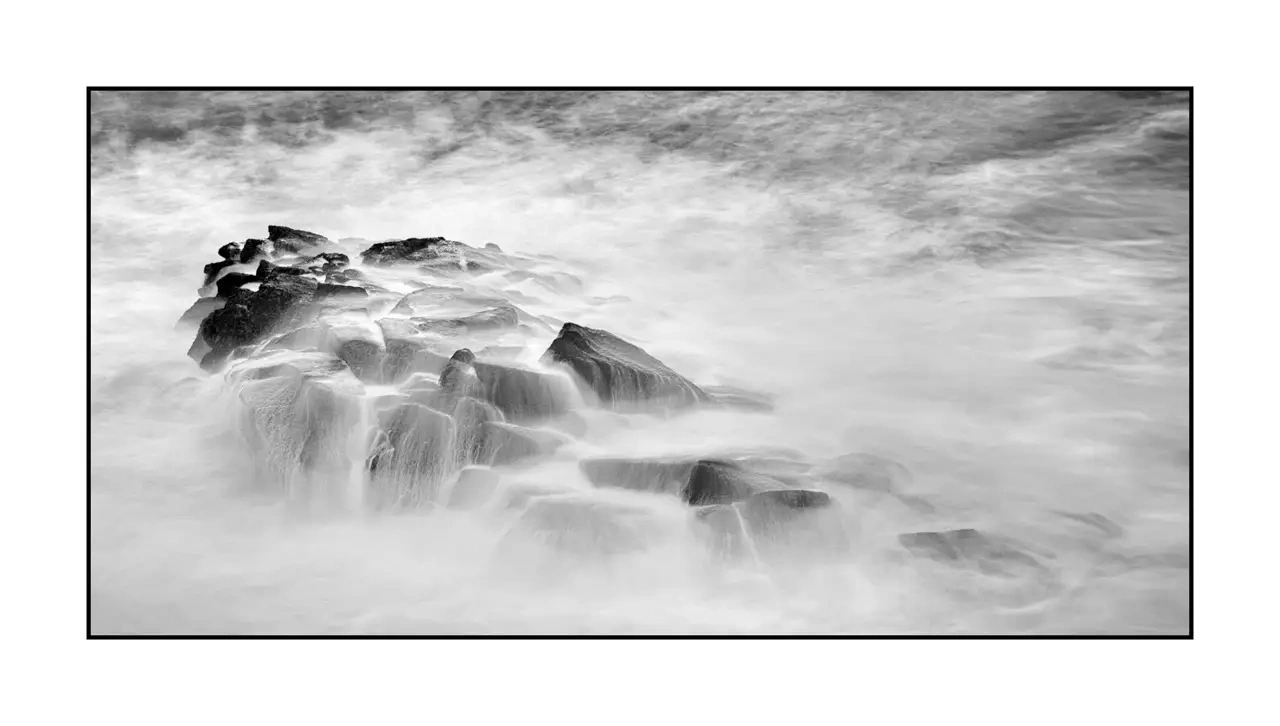
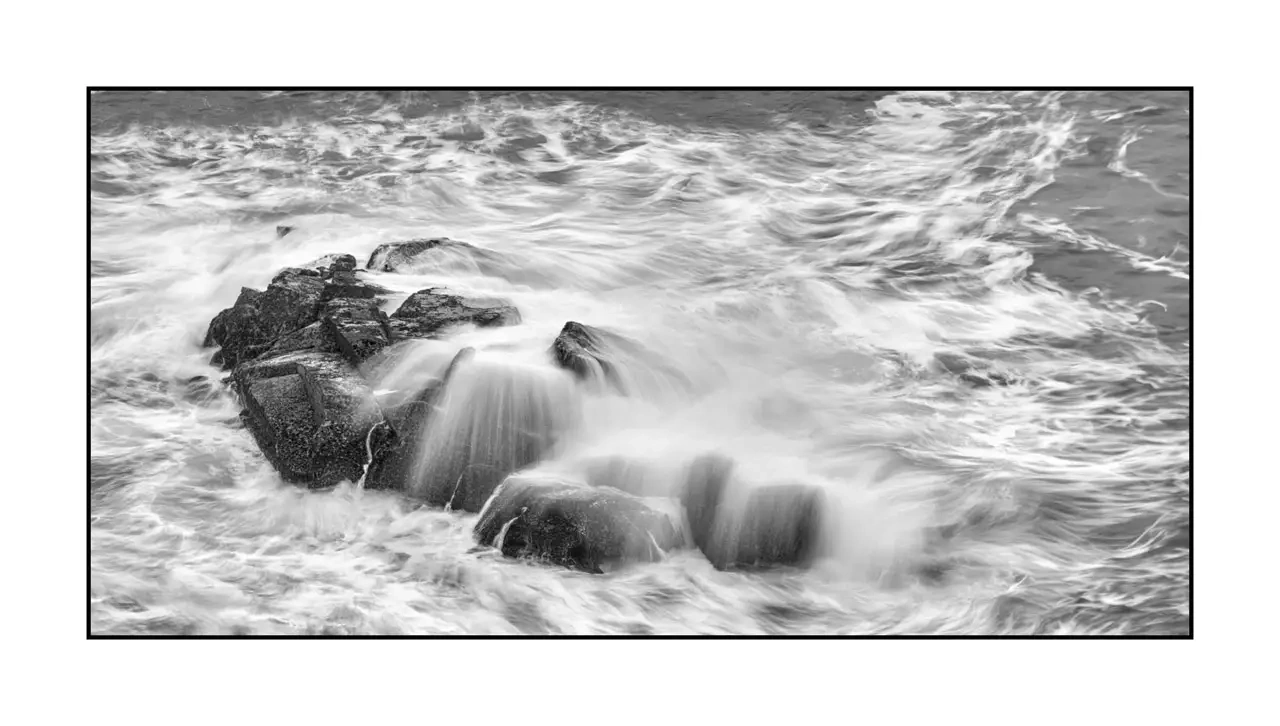
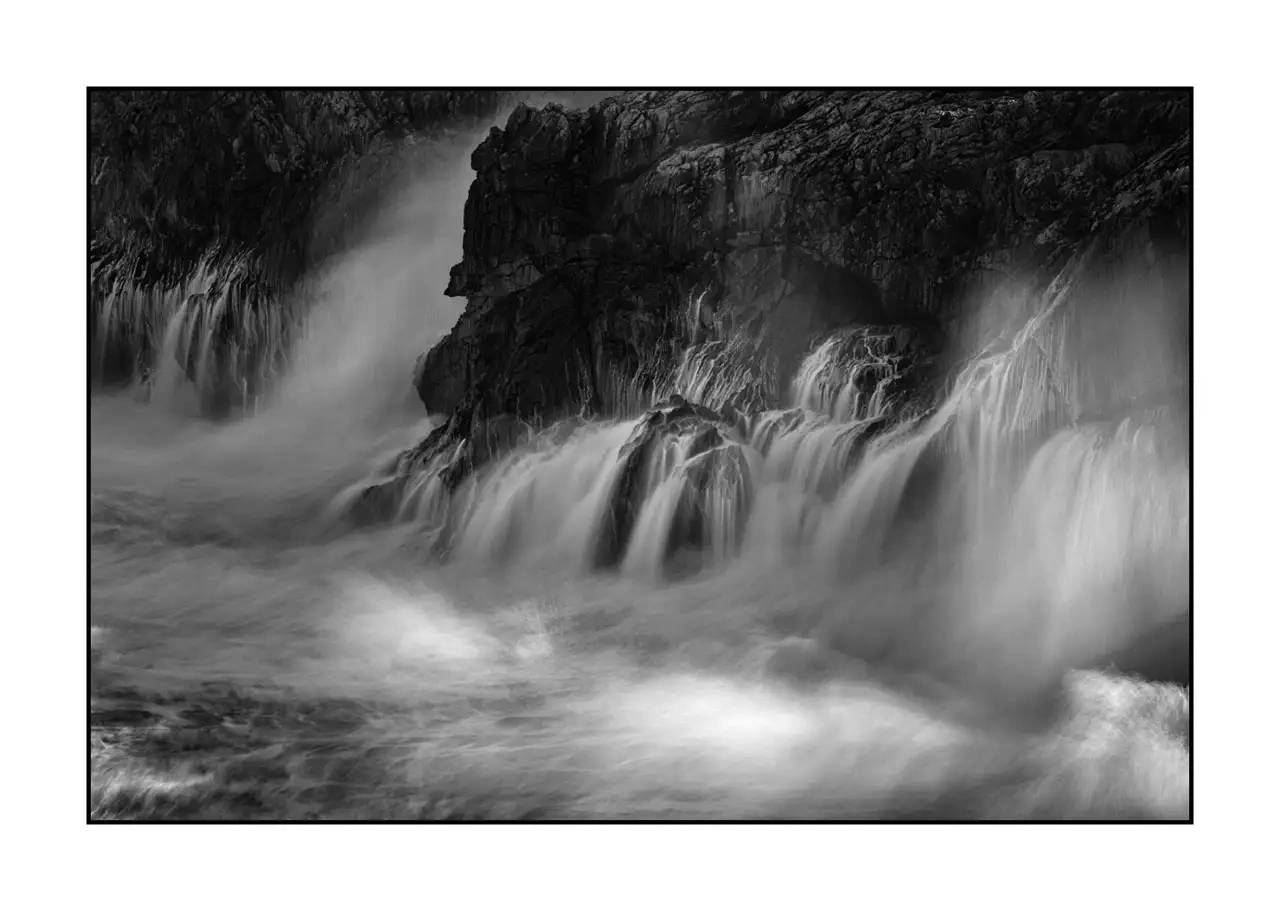
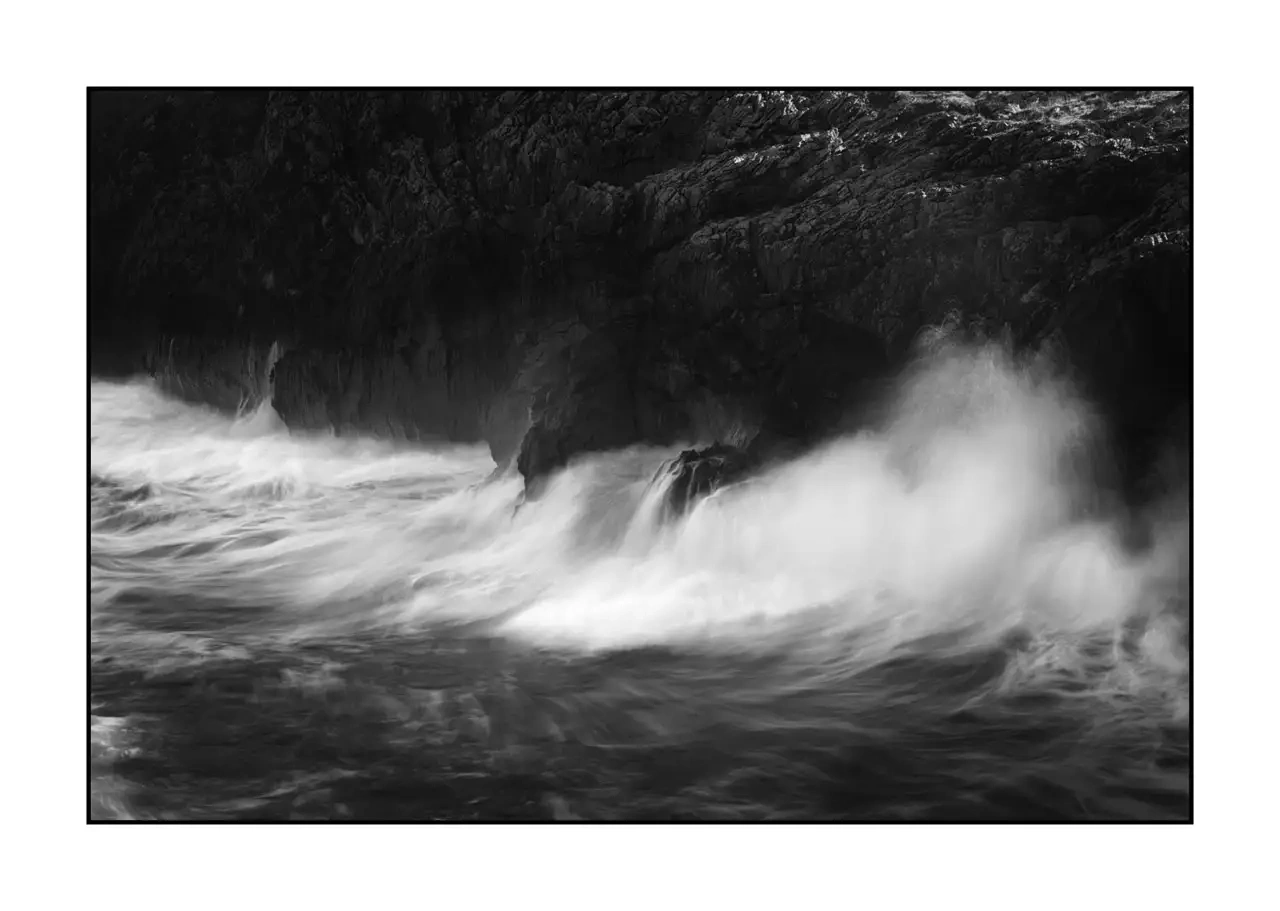
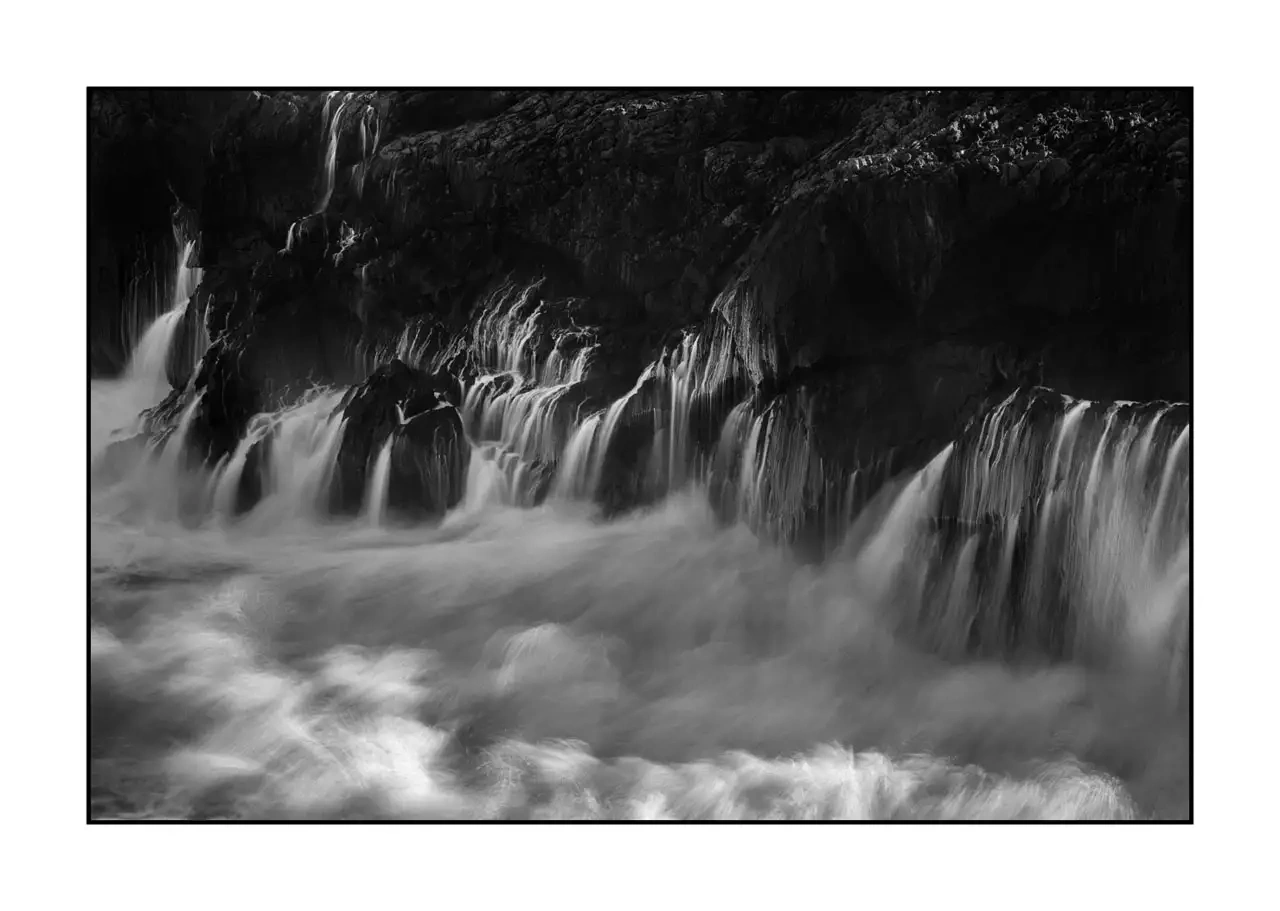
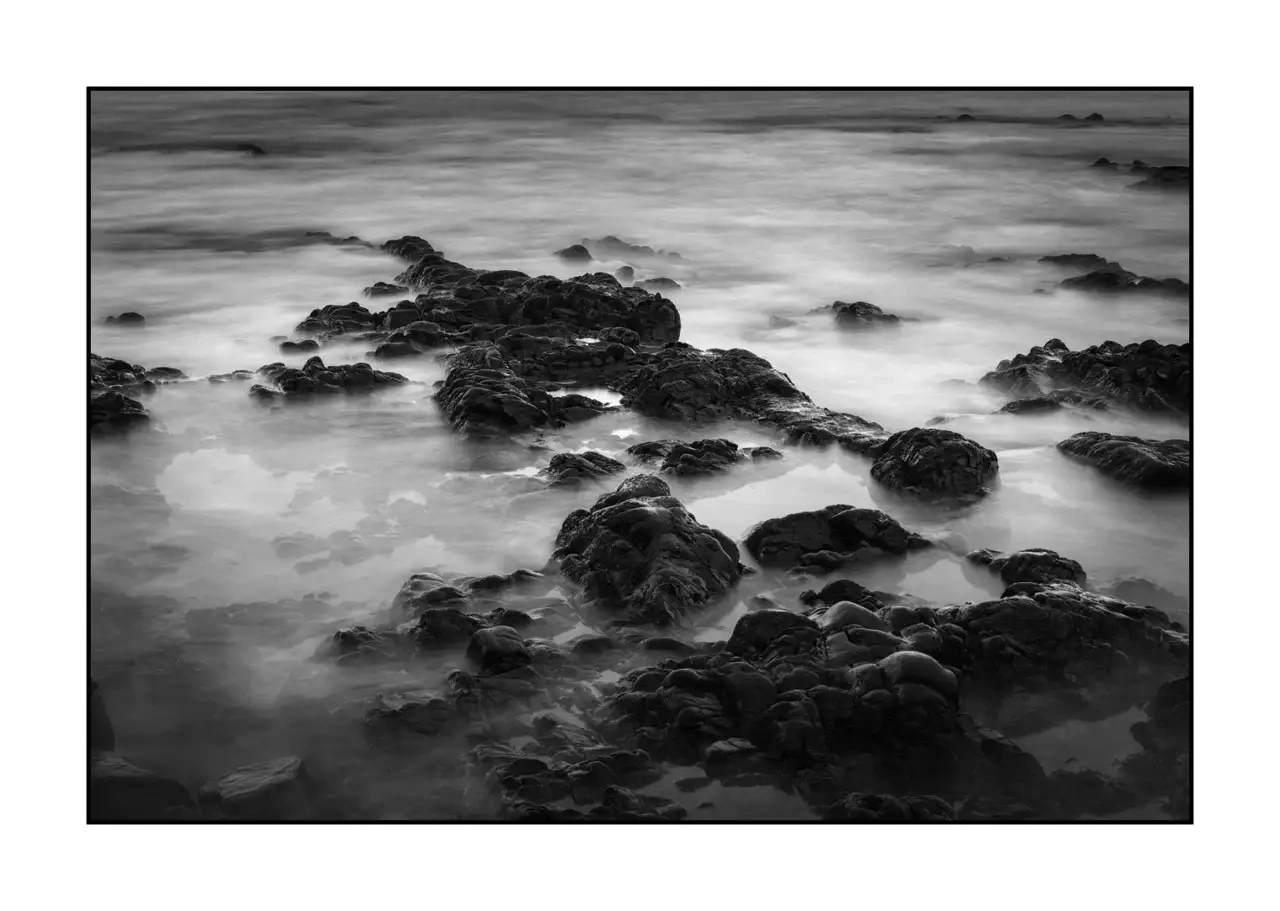
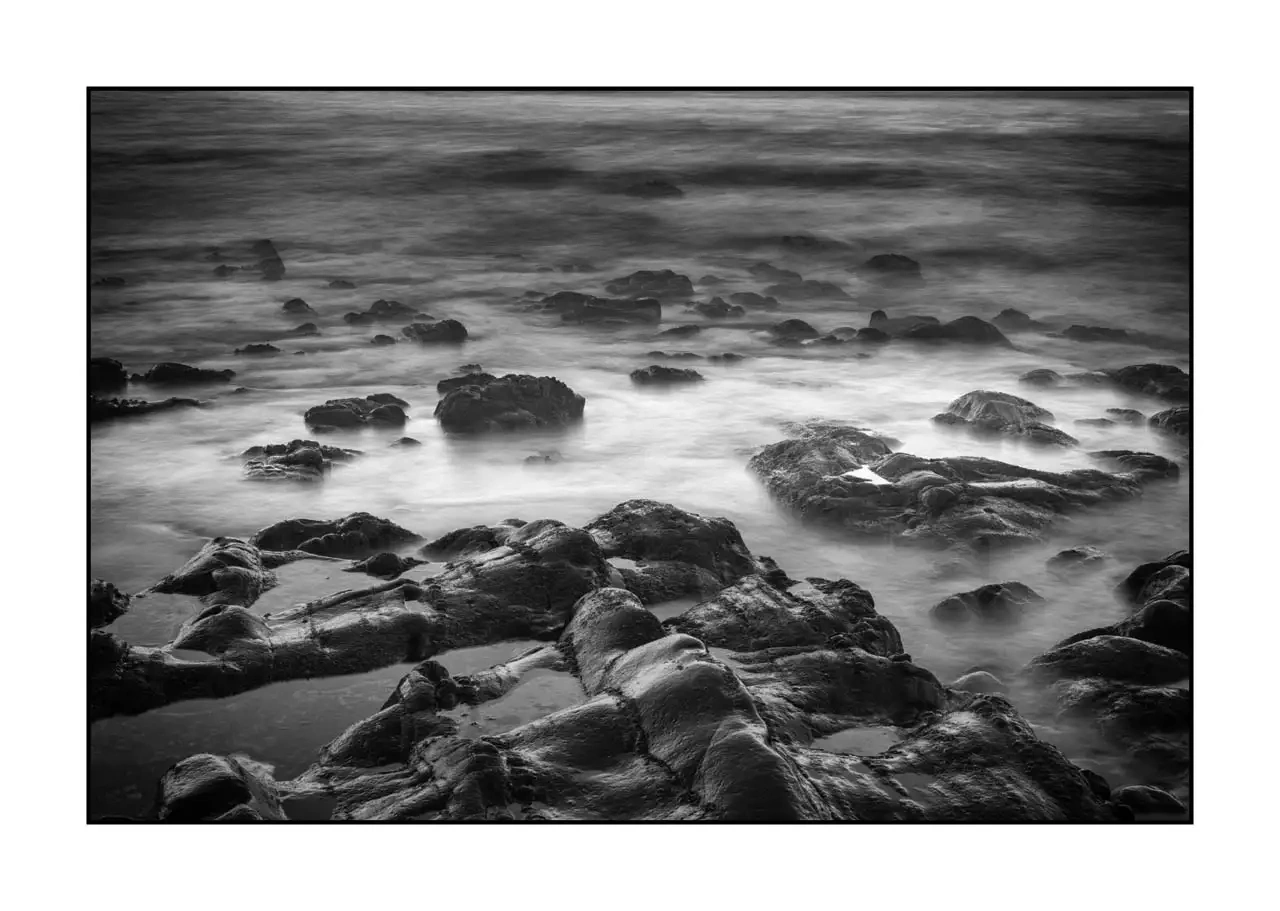
The turmoil becomes a breath. The waves no longer simply strike the rocks: they wrap around them, move through them, reveal them. The water glides, rises, falls, then returns again, like an ancient breath that never truly stops.
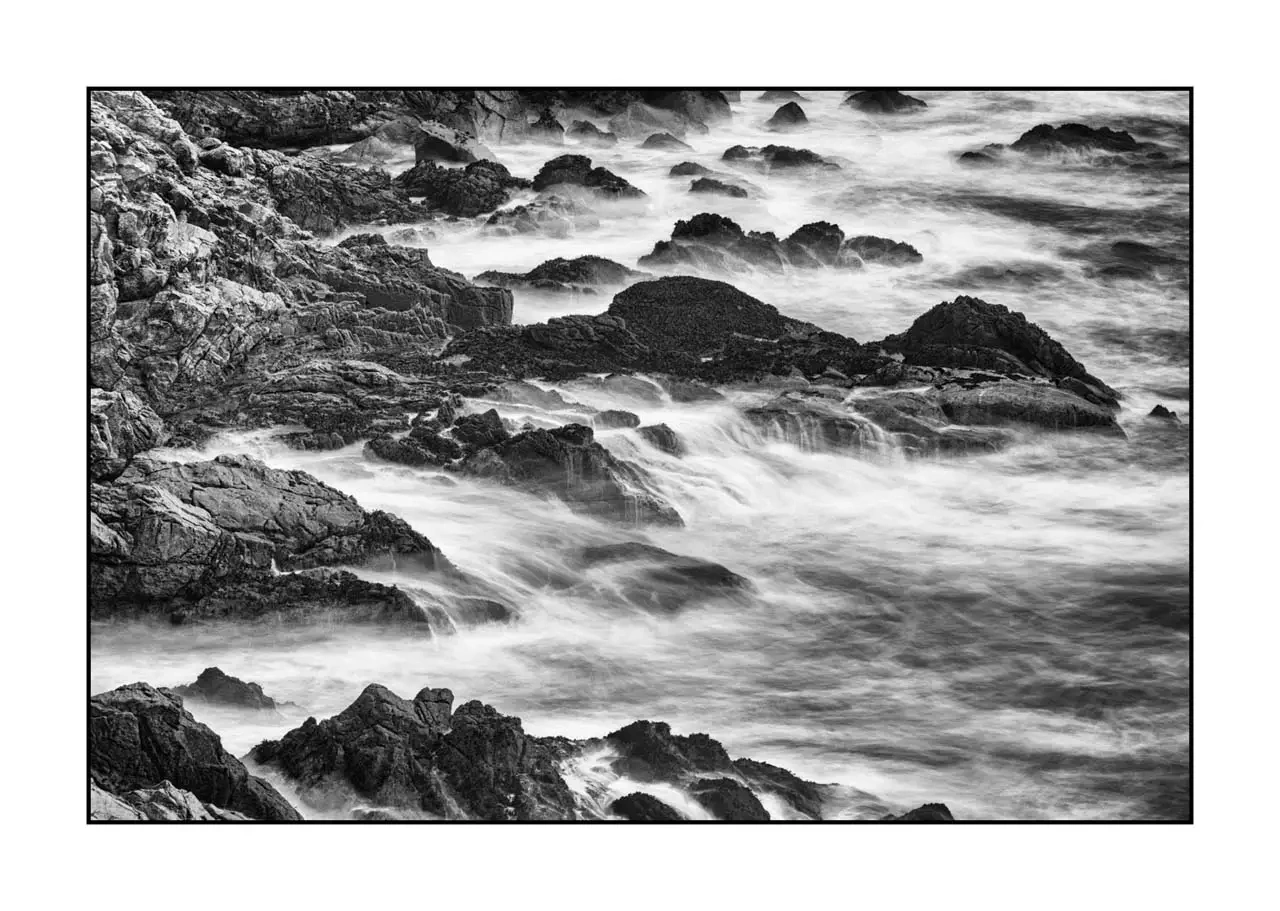
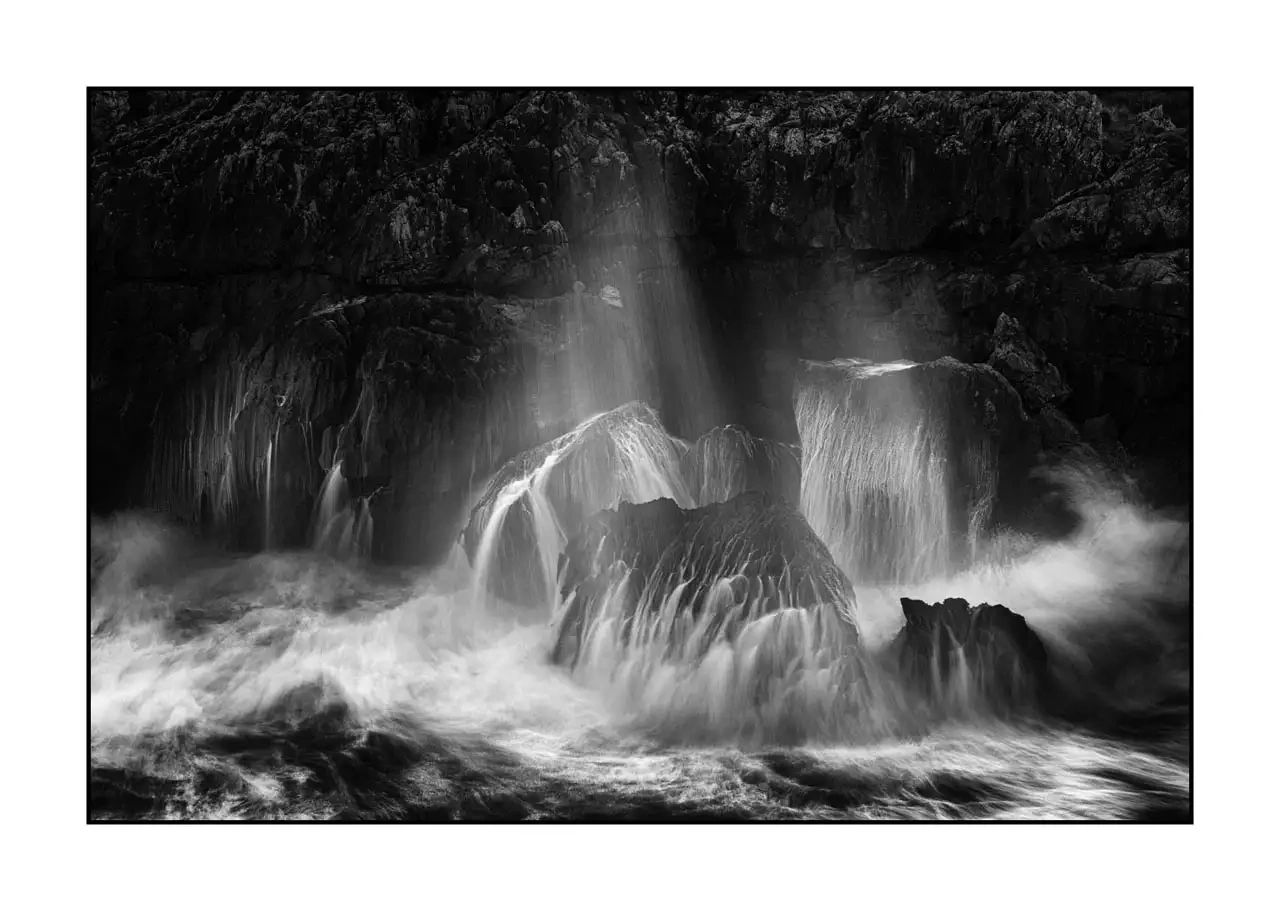
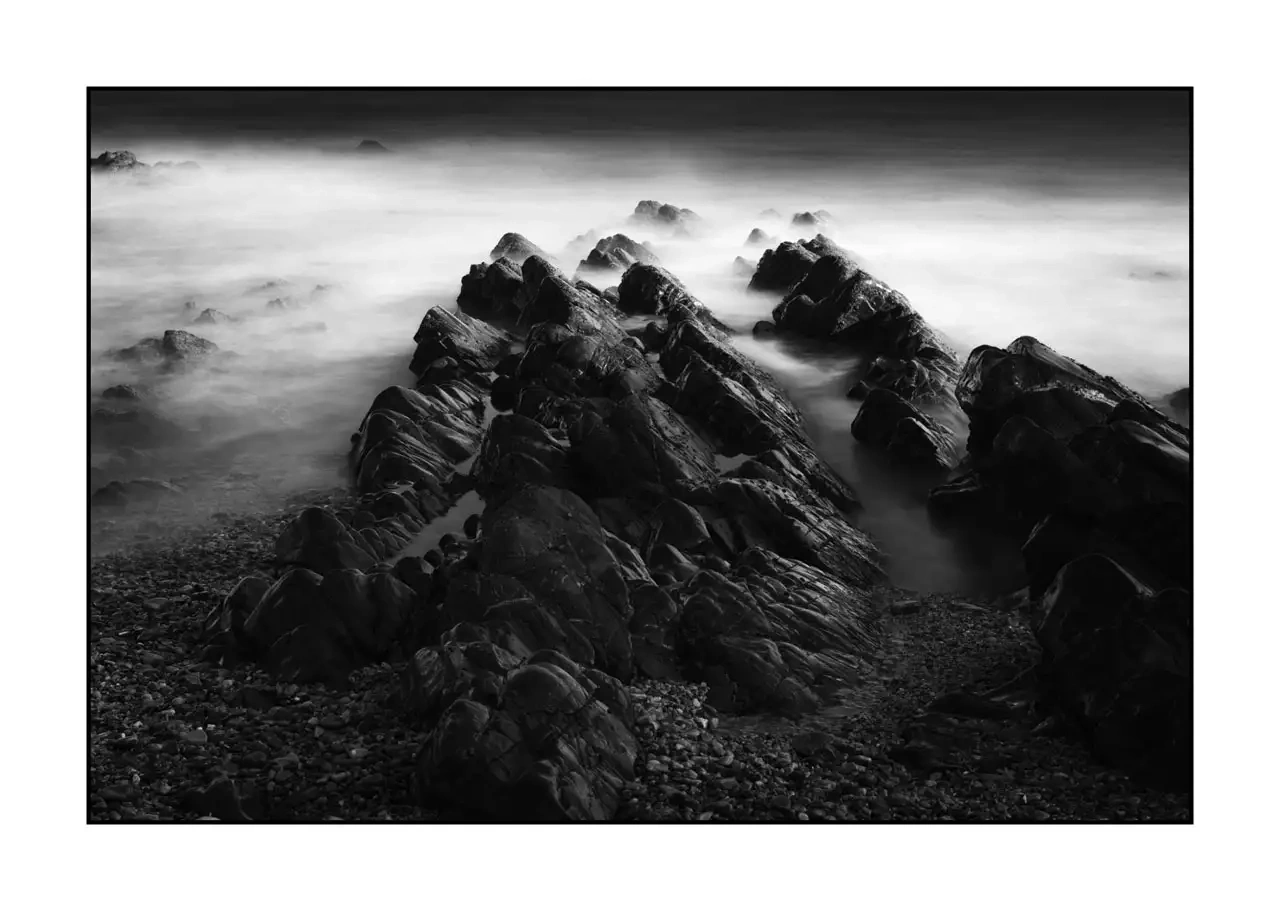
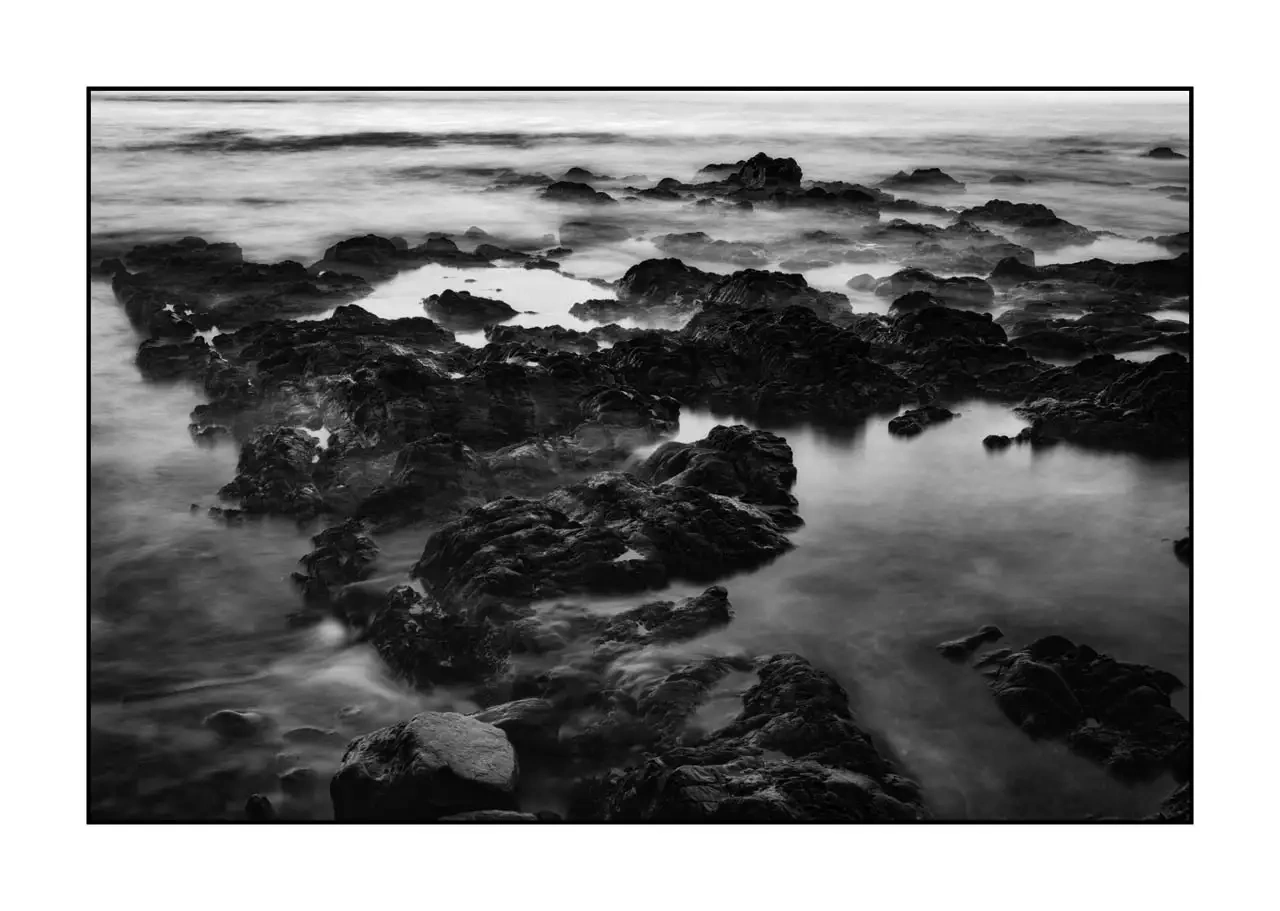
The rocks remain, dark and silent. They seem to carry the memory of storms, tides, and time itself.
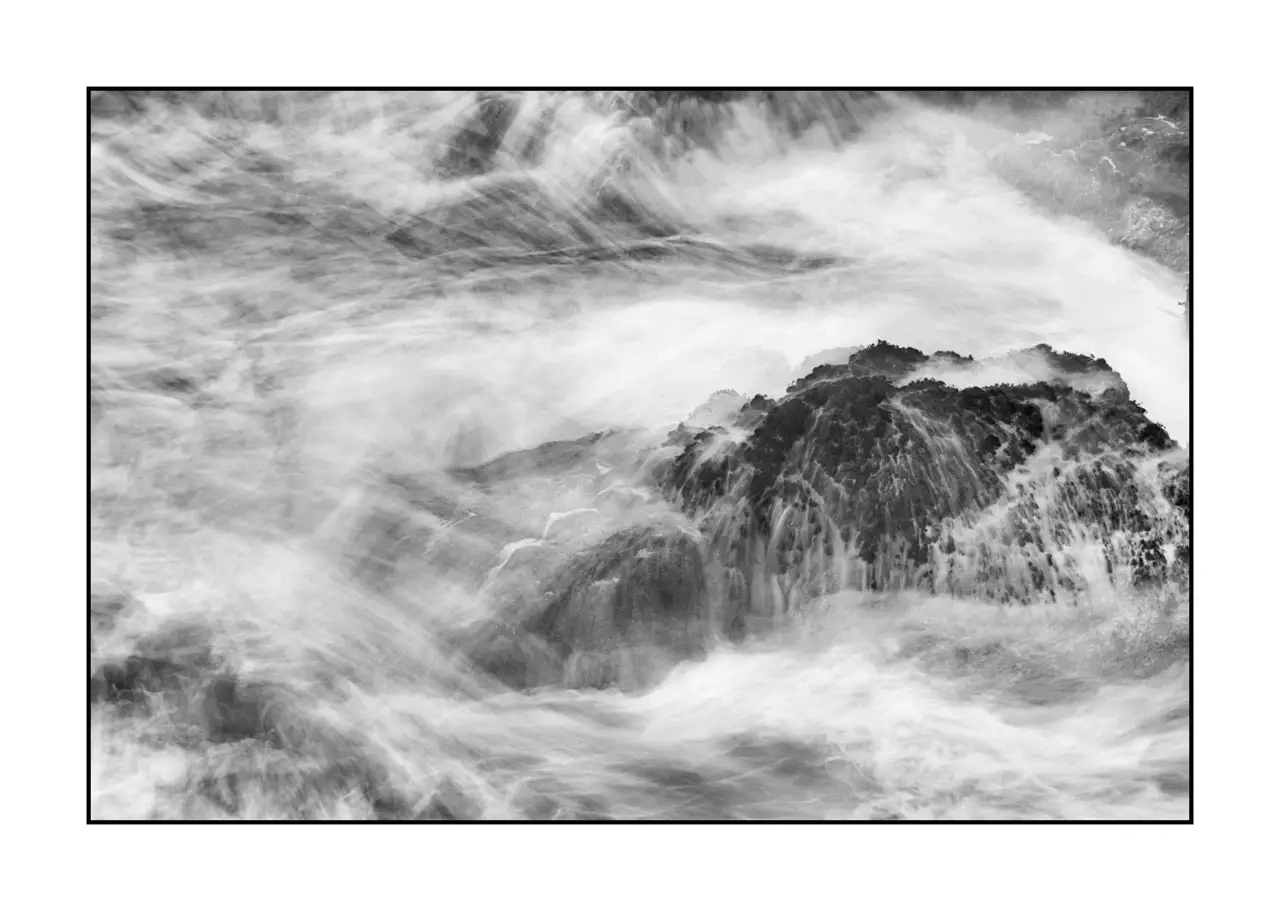
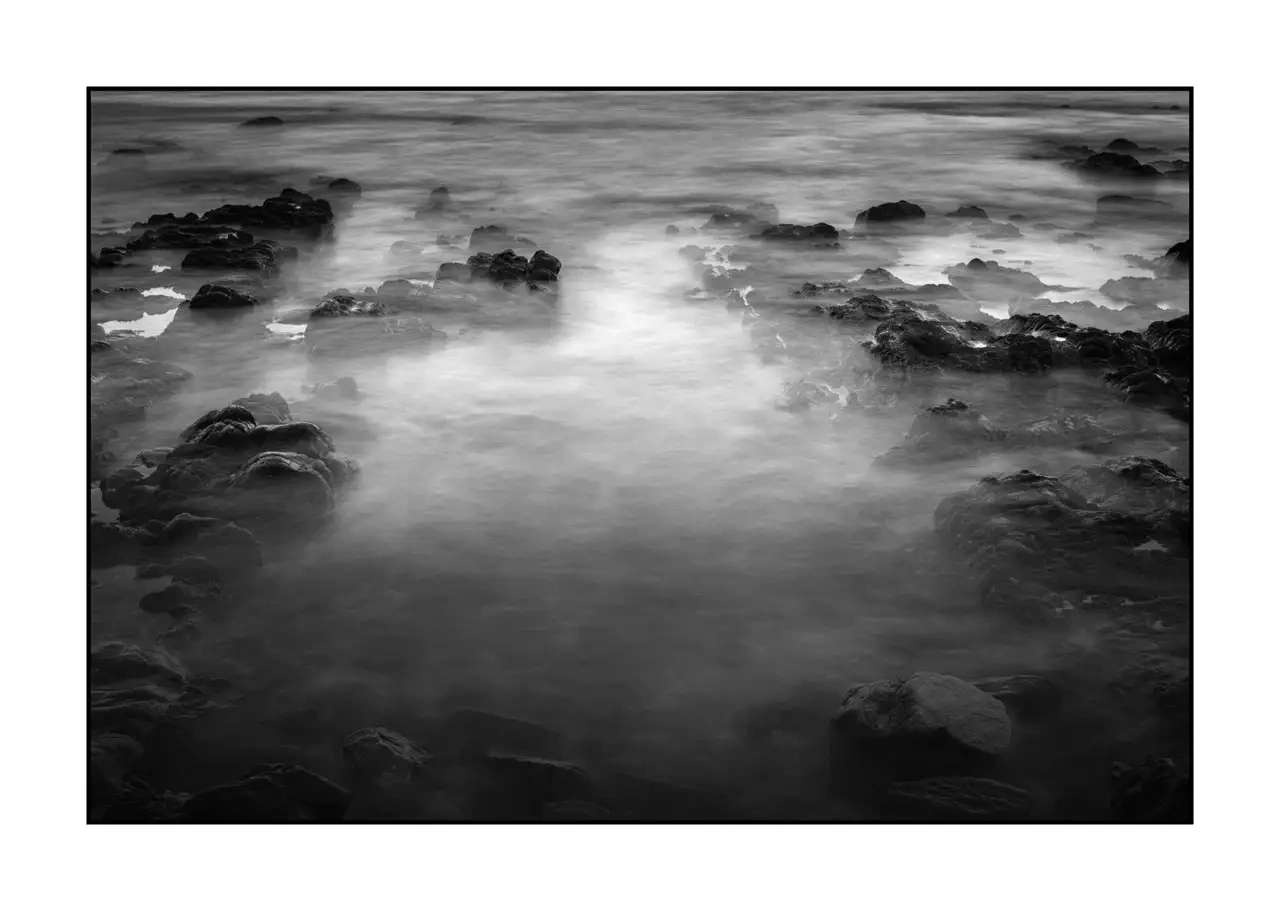
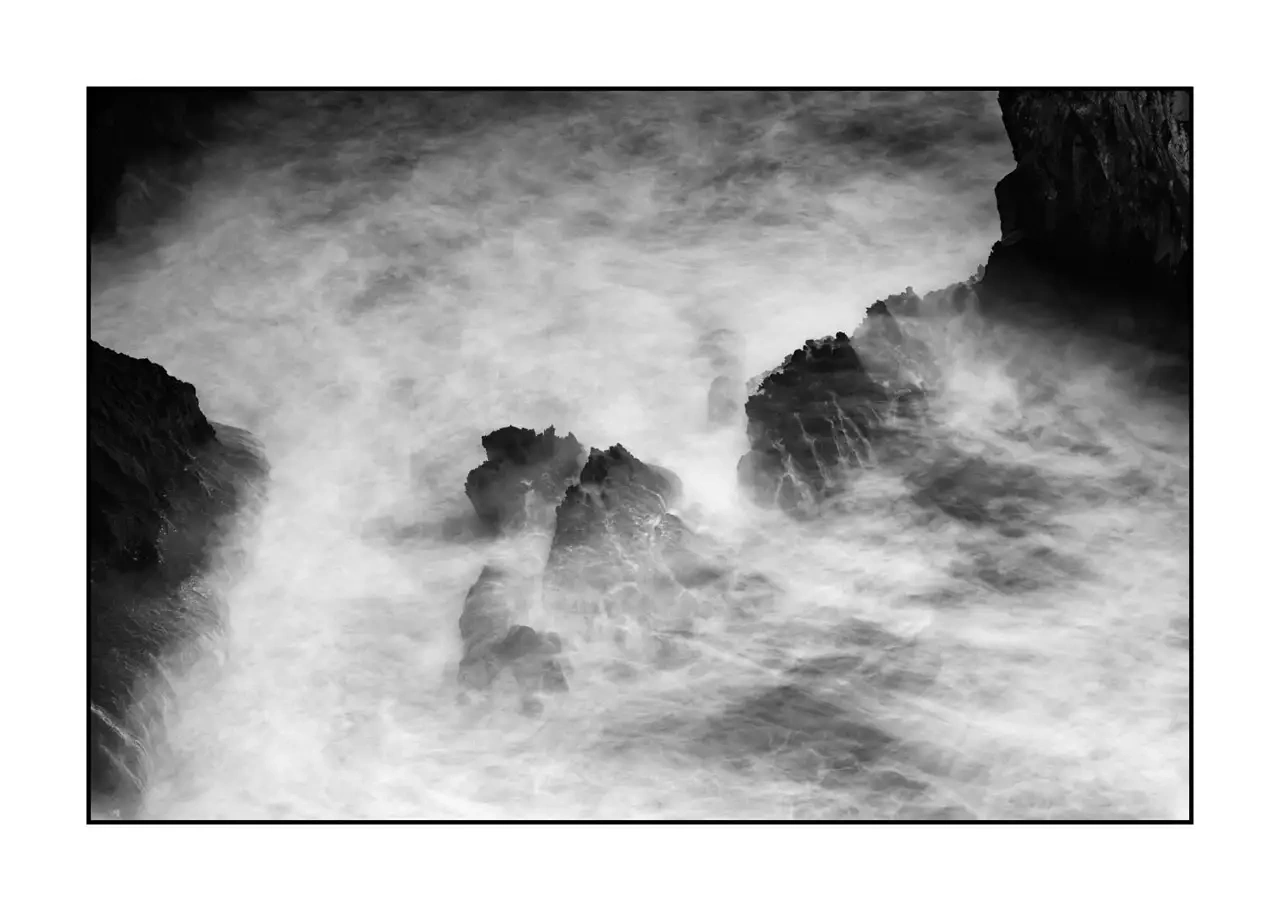
Around them, the foam turns into a veil, into mist, into light. Strength becomes softness. Movement becomes silence. And the gaze allows itself to be carried away.
It follows the currents, loses itself in the swirls, lingers over a cascade of white water before disappearing into the shadows. Little by little, thoughts drift away.
The noise within dissolves into the sound of the waves. All that remains is a feeling of space, freedom, and presence.
The ocean reminds us that nothing ever truly stands still. Everything moves forward, returns, transforms.
Some waves carry us. Others unsettle us. Some erase the traces left along the shore. Others slowly sculpt the stone.
Faced with this moving immensity, we feel both our fragility and our strength. We begin to understand that resistance is not always necessary.
That sometimes there is another way through: by welcoming movement, accepting uncertainty, and allowing life to follow its course.
The water seems to carry everything away. And yet, it also leaves something behind: a smoother stone, a deeper silence, a more peaceful gaze.
Photographing what the ocean makes us feel. With Nagare, I am not simply trying to photograph the sea. I am seeking to express what unfolds between water and rock, between movement and stillness, between power and surrender.
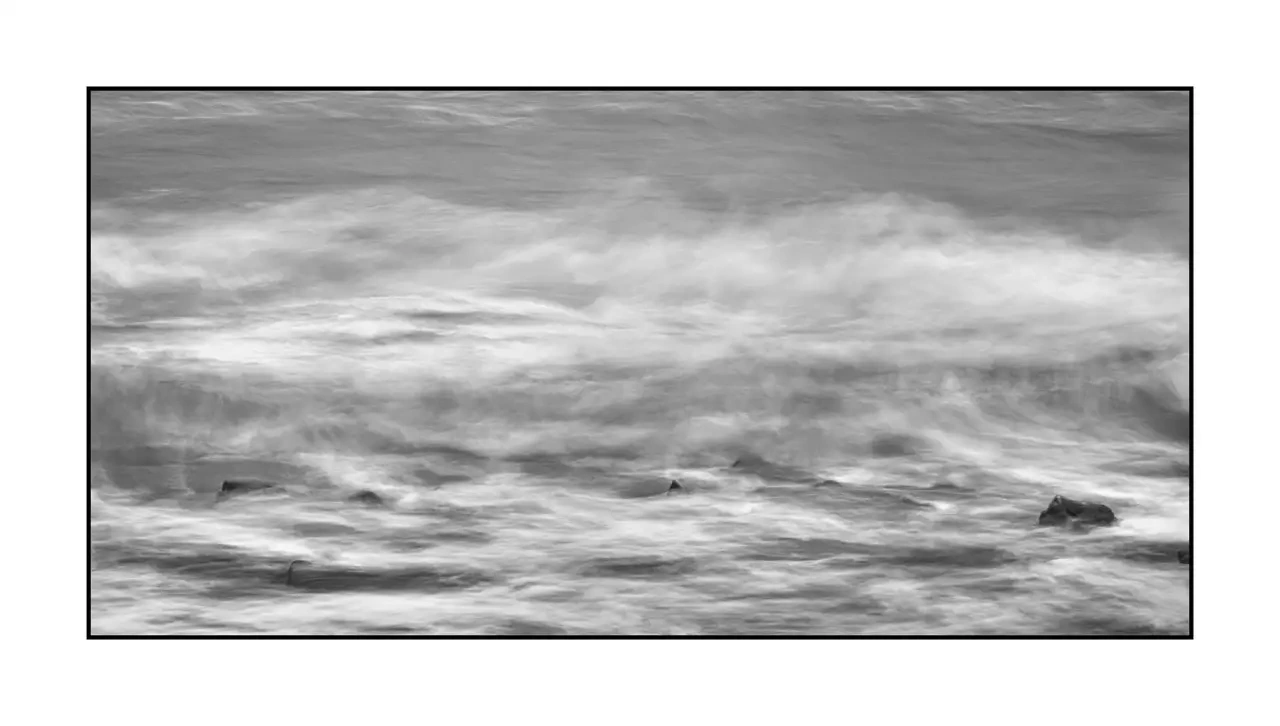
Through long exposure and black and white, the ocean gradually ceases to be something we merely see. It becomes a sensation.
The waves turn into lines, veils, breaths. The rocks become silent presences around which the water continues on its way.
Photographic time then reveals something the eye does not always perceive: the continuity of movement. This approach allows me to move beyond description and toward emotion.
I am not trying to show the ocean as it is. I am trying to show what it awakens within us. Listening to the language of the ocean.
Nagare is an invitation to rediscover a slower rhythm. To accept that some things lie beyond our control. To feel the quiet strength that emerges when we stop struggling against movement.
Because the ocean holds on to nothing. It receives. It transforms. It carries away. And yet, it always returns.
Perhaps that is why we can spend so long simply looking at it.
Because beyond the waves, the sea spray, and the rocks, we sometimes feel as though we are hearing something that resembles us.
A breath. A movement. A presence.
The language of the ocean.