• The Art of ChoosingHome page
  • Fine Art Prints3 Editions
  • CollectionsAll Collections
  • AboutAmar Guillen
  • Customer Space & Contact
  • Select your language

    • English (United Kingdom)
    • Français (France)
  • All You Need to Select Your Fine Art Print
    • How to Choose a Fine Art Print - Q&A - FAQ
    • New Creations
    • Explore Some Interiors
    • Fine Art Print Blog
  • Browse by Edition
    • All Fine Art Prints
    • Unique Edition
    • Limited Edition
    • Open Edition
  • Browse by Style
    • Black and White
    • Color
    • Fusion
    • Impression
    • Back to Black
    • Landscapes in Black and White
    • Landscapes in Color
    • Animals in Black and White
    • Animals in Color
  • Browse by Theme
    • Landscape
    • Wildlife
    • Underwater
    • Abstract
    • Symbolic
    • Landscapes of the United States
    • Landscapes of France
    • Landscapes of Scotland
    • Seascapes
    • Relaxing
    • Energizing
    • Playful
  • Browse by Format
    • Rectangular
    • Square
    • Panoramic
  • Contact Me
    • Contact Me by Email or Phone
  • Collections
    • New Collections
    • All Collections
  • Browse by Theme
    • Landscapes
    • Wildlife
    • Underwater
    • Abstract
    • Symbolic
    • Landscapes of France
    • Landscapes of the United States
  • Browse by Style
    • Black and White
    • Color
    • Impression
    • Back to Black
    • Fusion
  • Contact Me
    • Contact Me by Email or Phone
  • Discover More About Me
    • Discover Who is Amar Guillen
    • Artistic and Photographic Statement
  • Galleries
    • Photo Galleries
    • Abstract Portfolio in Color
    • Black and White Landscape Photography Portfolio
    • Color Landscape Photography Portfolio
    • Black and White Wildlife Photography Portfolio
    • Color Wildlife Photography Portfolio
    • Underwater Photography Portfolio
  • Contact Me
    • Contact Me by Email or Phone
  • Your Customer Space
    • Create or Manage your Account
    • Your Download Space
    • Your Orders
  • Contact Me
    • Contact Me by Email or Phone

You are in that section: Home > Blog > Blog of the Photographic Creation Approach

May 2018. Wildlife Photo Project in the Danube Delta to Photograph Water Birds

In May 2018, we spent two weeks in the Danube Delta to continue working on our water bird project. We are starting to know this region well, due to several years of photographic experience there.

Our goal this time was to produce artistic photographs to create collections of art prints as part of "Around the Mind" and "Around the World". We have defined very specific guidelines for our work we wish to accomplish, including experimental research on birds in flight, and project on shorebirds such as collared pratincole and northern lapwing.

But as always, nothing, or almost nothing happened. This year has been very different from previous years. Spring was a scene of heavy rains in the Danube Delta, where the water levels were abnormally high. All waders, such as purple herons, gray herons, and little bittern, took refuge far in the reed beds. Indeed, they could not hunt due to the flooded banks. In the same way, waders were rare to encounter because mudflats were no longer visible.

Despite this, we were still able to photograph a multitude of paludicole passerines. We have observed many families of bearded reedling, Eurasian reed warbler and great reed warbler as well as many Eurasian penduline tit.

We were fortunate to organize many blinds from the boats to photograph kingfishers and the grey-headed woodpecker.

As soon as we began shooting, we only kept artistic photographs in mind. We totally abandoned our previous naturalistic perspective. The following photos show some of the research areas for our photos. We have not decided yet whether we will retain post processing in color or black and white.

As always, we perform many tests when shooting. We must remain consistent with our artistic vision while encouraging creativity. We must do all of this while thinking of our future customers who will benefit from our art prints.

This compromise is not always easy to find. The editing phase normally allows us to fine-tune our selection.

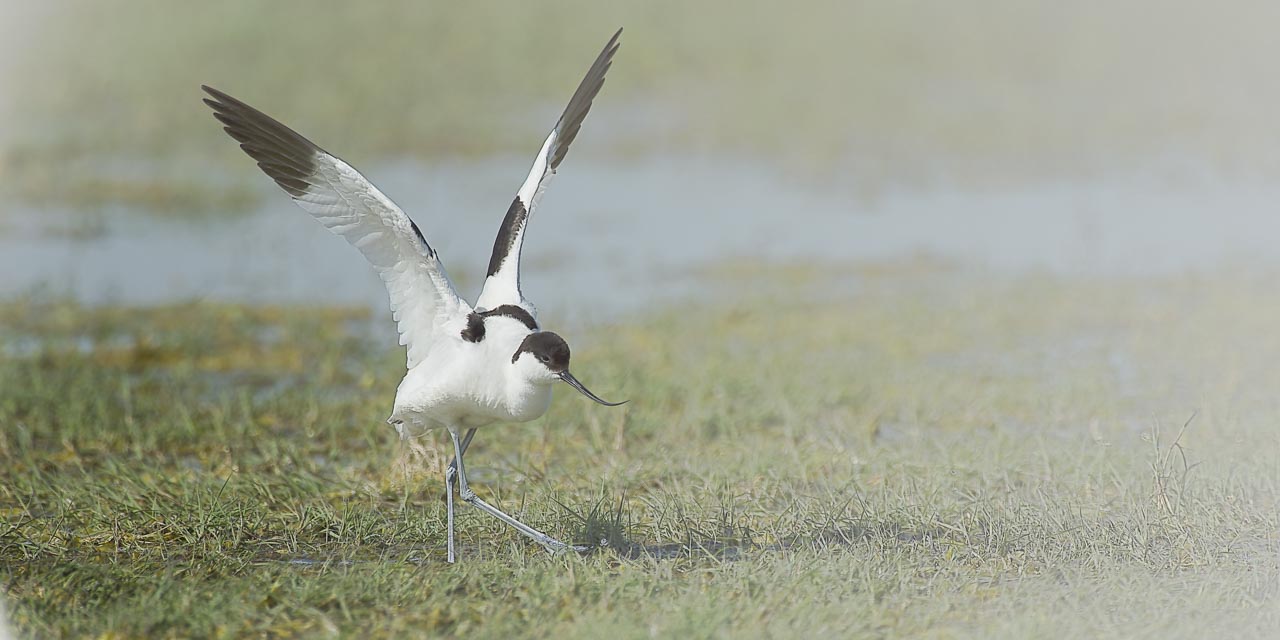
Wildlife photo project in Danube Delta in May 2018: pied avocet.
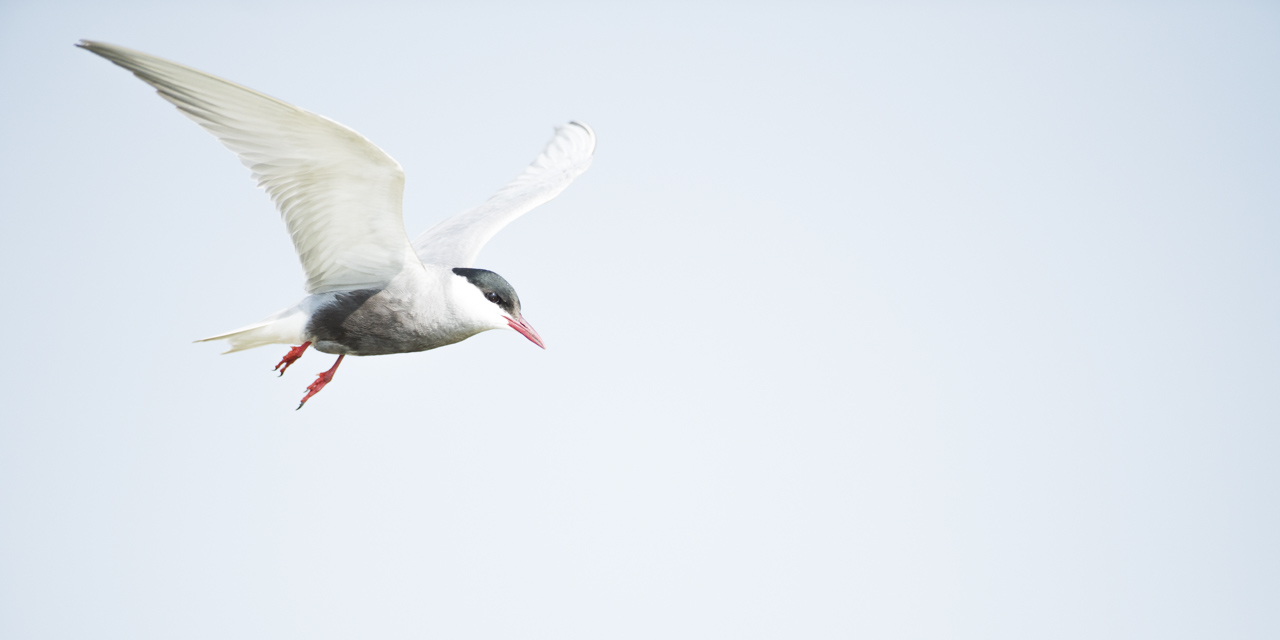
Wildlife photo project in Danube Delta in May 2018: whiskered tern.
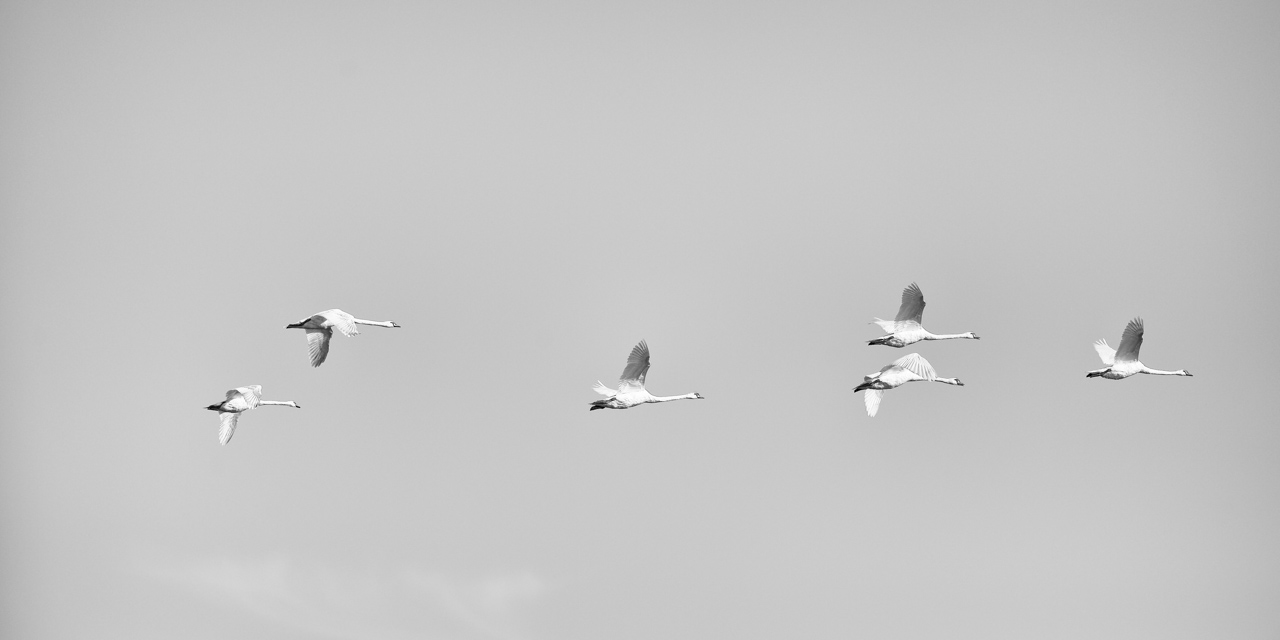
Wildlife photo project in Danube Delta in May 2018: flight of mute swan.
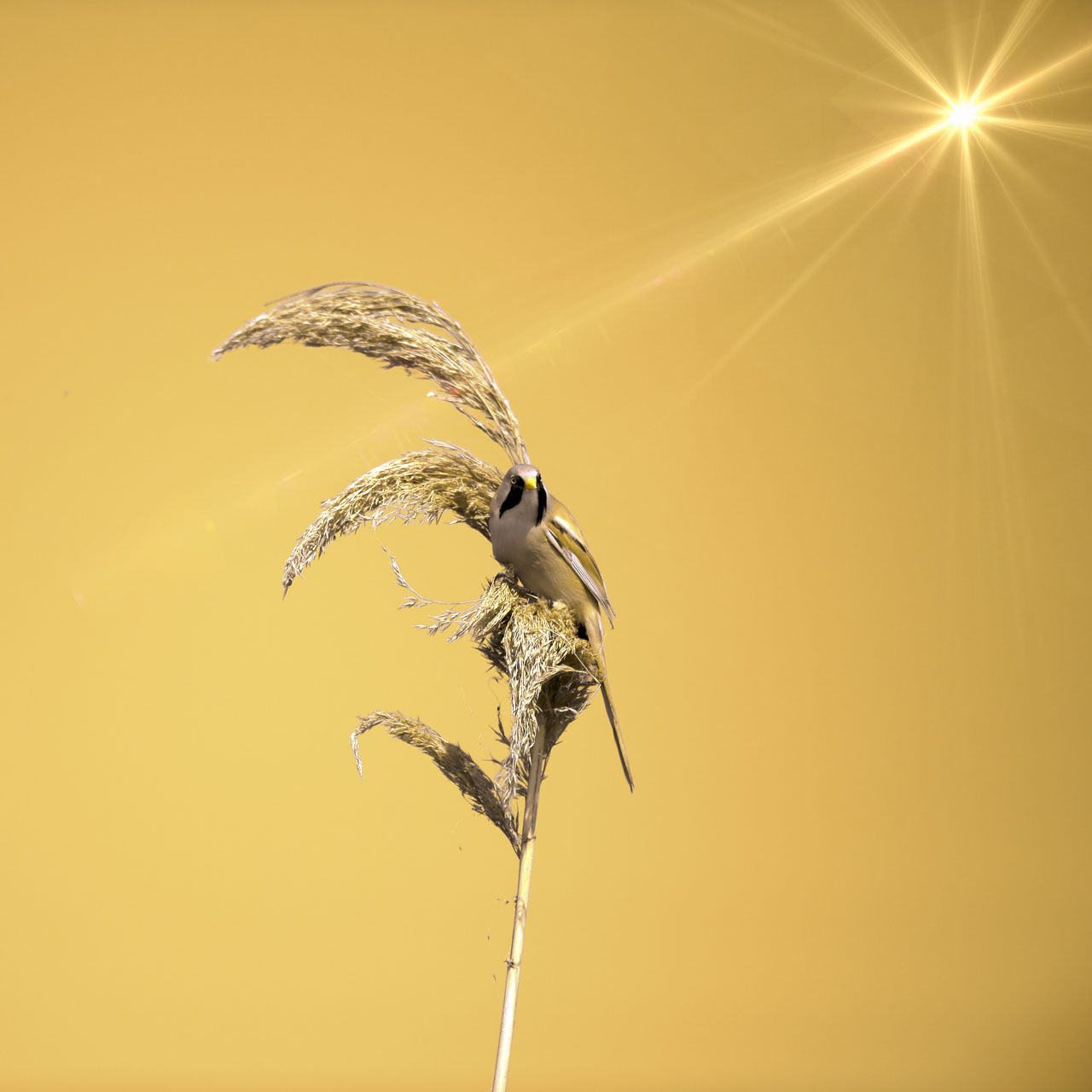
Wildlife photo project in Danube Delta in May 2018: male bearded reedling.
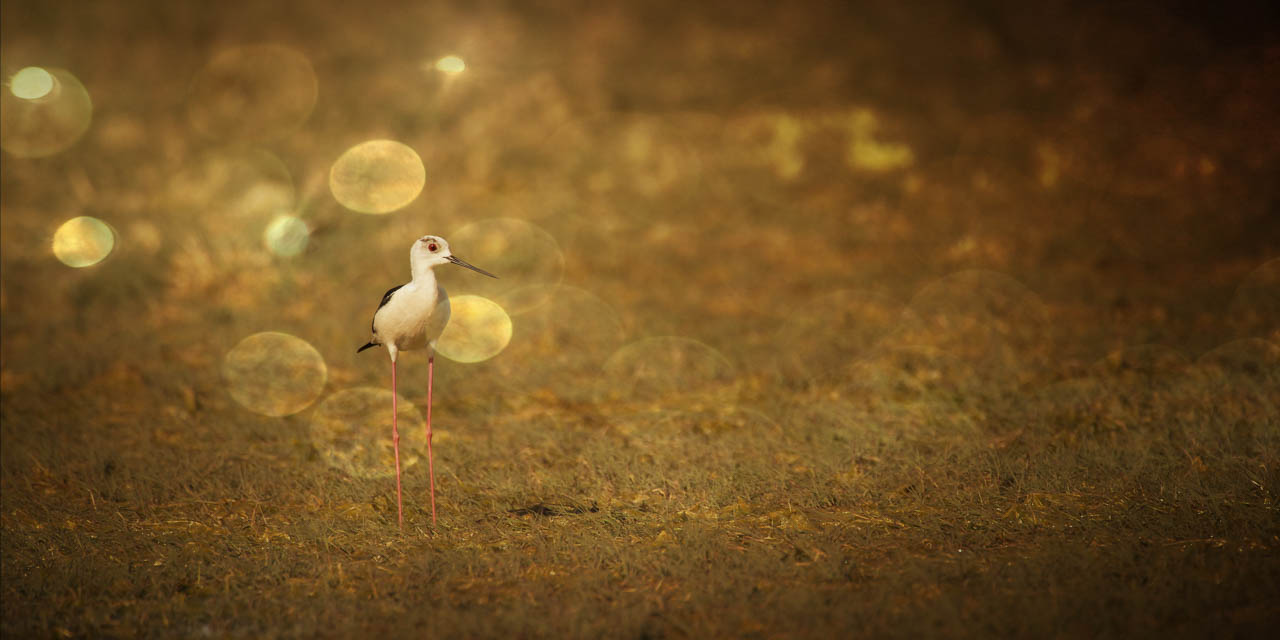
Wildlife photo project in Danube Delta in May 2018: black-winged stilt.
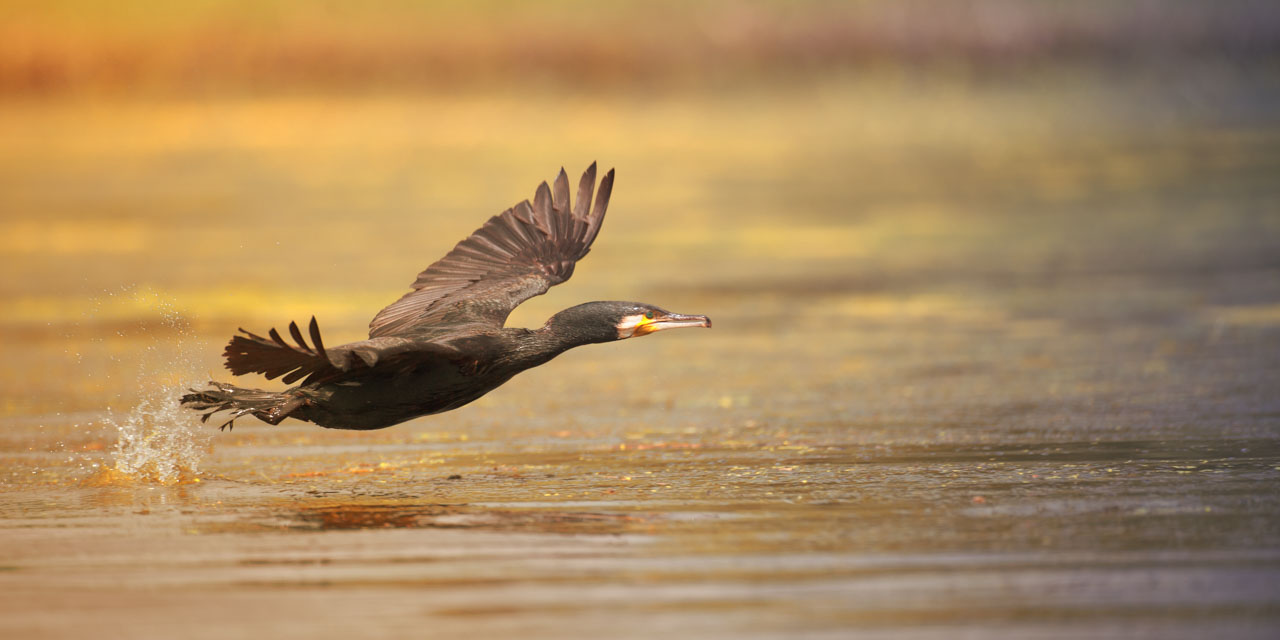
Wildlife photo project in Danube Delta in May 2018: great cormoran taking off.
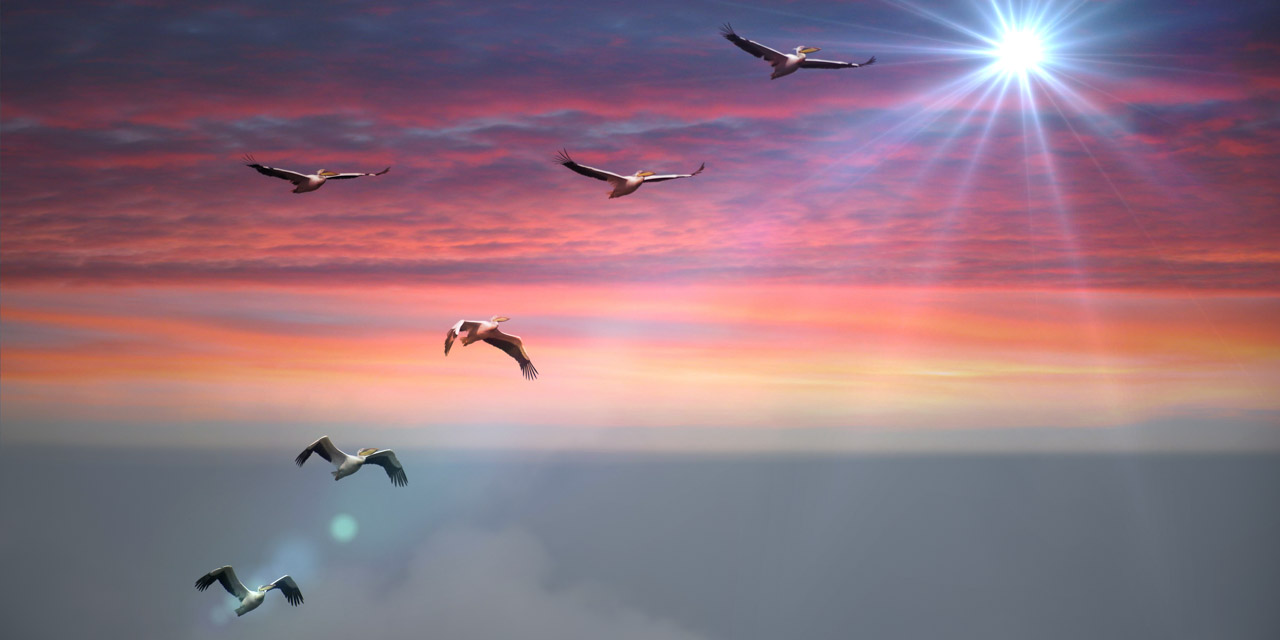
Wildlife photo project in Danube Delta in May 2018: great white pelicans flying.
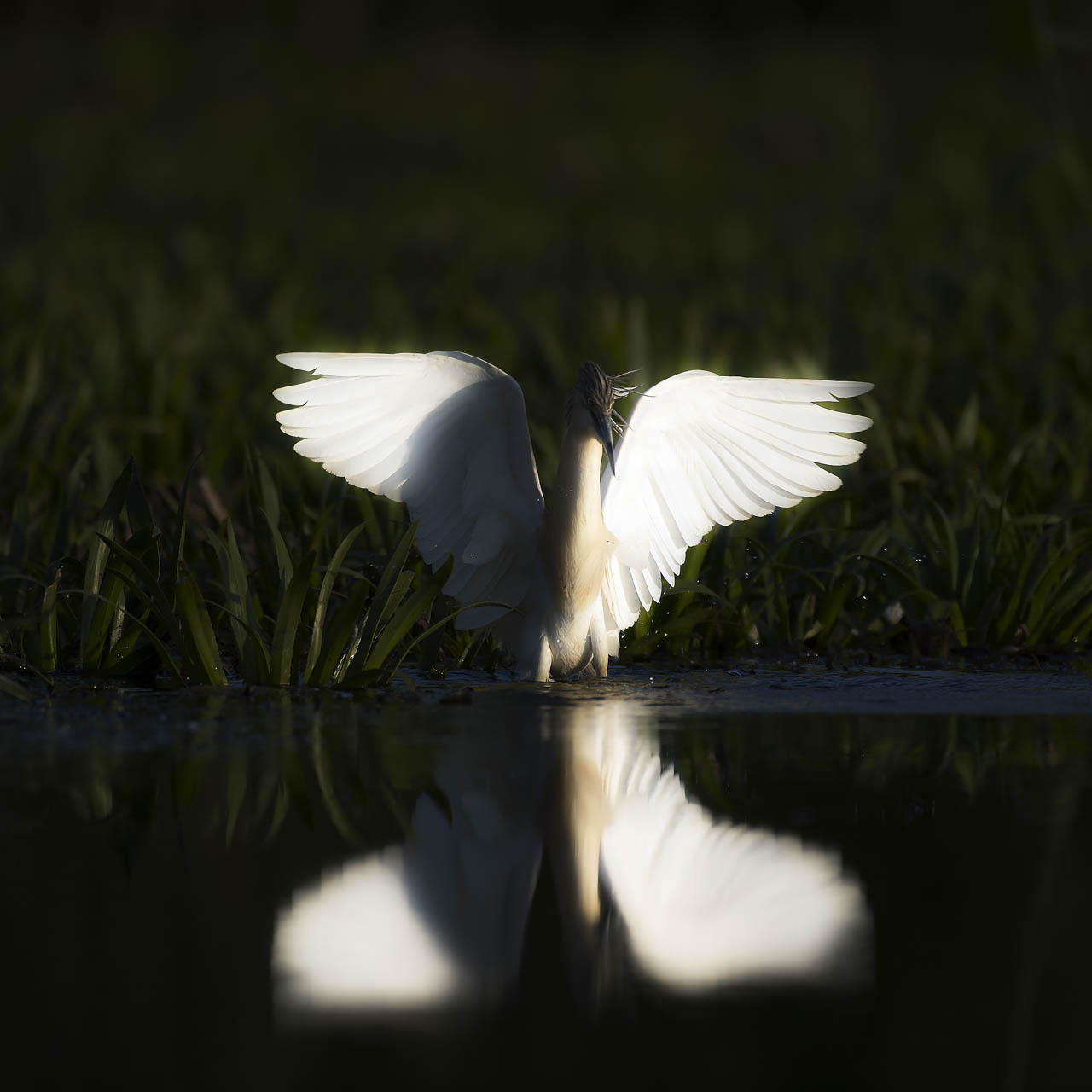
Wildlife photo project in Danube Delta in May 2018: squacco heron.
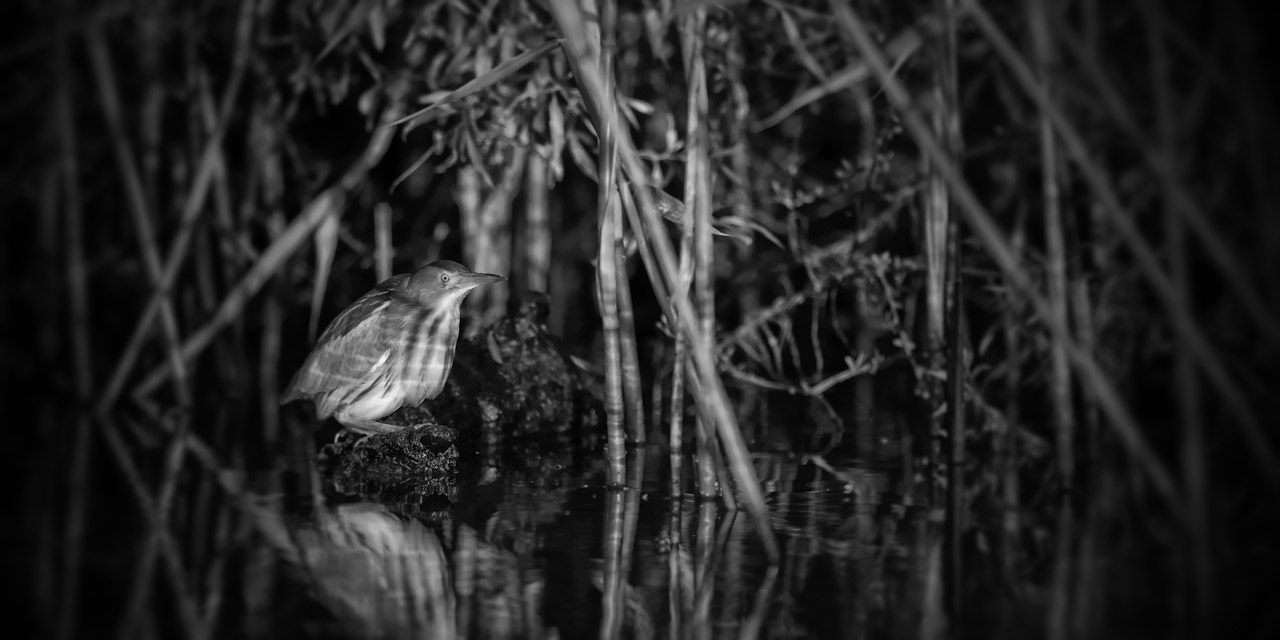
Wildlife photo project in Danube Delta in May 2018: little bittern.

Why: Calibrating a Screen is Insufficient When Creating a Photograph

You have certainly often heard that to develop your photographs well, you need to calibrate your screen.

This is a necessary but insufficient condition to print your photos correctly.

In this article, I will explain why.

Art photograph of sand dunes by Amar Guillen, photographer artist.
Art Photograph of sand dunes. The calibration of the screen is not enough to print it correctly..

Table of Contents

  • Why: Calibrating a Screen
  • Calibrating a Screen is the First Step in the Development Process
  • The Principle of Screen Calibration
  • Why Eyes Alone Inhibit Good Calibration
  • Calibration in Practice
  • Proper Calibration is Not a Guarantee for Correct Impressions
  • Finally

Why: Calibrating a Screen

The correct calibration of a screen is the guarantee that your photos will be seen in the same way on another calibrated screen anywhere in the world.

To create an artistic or illustrative photograph correctly, you must calibrate your screen properly. This is an essential step during the development phase of your photos.

As I often say during my photography workshops, a photograph only exists if it is printed on paper, whether it is for a wall display or for a beautiful book.

As long as it is not printed, it is an image. This is the case for a display on a computer screen, a tablet or a mobile phone.

Displaying on a digital medium is only an intermediate step. To me, it is not essential.

Screen manufacturers produce devices that are often very bright, high contrast. The photographs displayed are often cold. Indeed, photographers are a small minority. Most screen users are content to play games, consult websites or use office applications. The original settings are made to satisfy these users.

But as a photographer, you have other more specific needs because your photographs are going to be printed.

When editing a photograph, you want to be able to display colors, contrasts and tones correctly.

For example, you do not want exuberant colors like tablets can produce. They are certainly flattering to the eye, but they are incompatible with quality paper printing.

For this reason, it is necessary to calibrate the screen. Colors, contrasts and tones will be displayed in relation to standard values.

But as for me, the most important thing for me is the printing phase. But to print a photo correctly, the calibration of a screen is insufficient.

Calibrating a Screen is the First Step in the Development Process

As I mentioned in the article about developing artistic photography, the use of software is essential for you to show your vision of the world through your photos.

The development will allow you to strengthen your photographic approach. This is its only function.

But before using software, it is essential to properly calibrate the screen you will use during the development process.

If this step is not performed correctly, the development of colors, tones, and contrasts will not be correct.

If you give your picture to someone who has a calibrated screen, the result will be totally different from what you see.

Read also: Why and How an Art Photograph Needs to be Processed.

The Principle of Screen Calibration

To properly calibrate a display, you must use a calibration device.

A calibration with eyes will not give you a good result because it will be subjective.

A calibration device is a small electronic device sold by specialized companies. It connects to a computer via a USB cable. It is placed on the screen for the calibration phase. When the device is purchased, the manufacturer supplies a special application to the consumer so that they can control the probe during the entire calibration phase.

To begin, you will enter some quite simple data, perform one or two operations. Then the software will drive the device for calibration.

When all operations are complete, the application will generate a file called an ICC profile that contains the monitor's characteristics.

This ICC profile will be loaded by the computer's operating system at each boot. This profile will provide information to the video card to correctly display colors, contrast, and tones.

The goals of proper calibration are:

  • Override the manufacturer's default settings for a display.
  • To display the correct level of contrast and brightness in the widest possible range of colors.

Let me take the example of the grey which in the RGB gamut has the value 128. If the screen is calibrated correctly, it will display a true gray. If the screen is not calibrated correctly, the gray will shoot the orange ones.

Why Eyes Alone Inhibit Good Calibration

As I have just described, a calibration device is required to properly calibrate a screen. Your eye is not suitable for this operation.

On the one hand, it is not able to read a color without having a comparison element.

On the other hand, it is not able to know the brightness level of a screen.

Even when the light is low, it is able to detect details in a scene.

If you observe a dark photo on a screen, you will be able to see details. Your eyes will think that the tones are correct. It is when you print that you will realize that the shadows or blacks are very dark.

Calibration in Practice

Calibrating a computer screen has become quite easy. Application editors have made great strides in software ergonomics and interface.

The first step in calibration is configuration. You have to set the color temperature, gamma, contrast value, maximum brightness, also called the white point.

Once these values are provided in the device control application, calculations will be performed for a few minutes. This step is called characterization. At the end of the process, the application asks you to specify a name for a data file. This is the famous ICC file I mentioned earlier. It will be loaded each time you start your computer.

One of the essential points you must respect is to set the amount of light emitted by the screen between 80 and 100 cd/m2 (candelas per square meter). A higher value will cause problems when printing.

After a screen has been profiled (or characterized or calibrated) the settings must not be modified any more. If this happens, you must redo a calibration.

I recommend that you perform a full calibration every two weeks as the settings change by themselves. These are not great variations, but quality developments require perfect quality from the beginning to the end of the post processing workflow.

Proper Calibration is Not a Guarantee for Correct Impressions

Correctly calibrating your monitor only allows you to ensure that the photos you develop will be viewed in the same way on all monitors worldwide and are properly calibrated.

If you use another way to view your photos, such as a video projector or a printer, you may be disappointed with the result.

Let us take the specific case of using a printer. Printing is the penultimate step in the workflow of creating a photograph.

If you print your developed photograph with a calibrated screen, I bet you that your printed photo will be dark. This is because paper absorbs light while a screen emits light.

When printing a picture, there is usually between 1 and 2 EV of light missing. Shadows are often dark. The whole picture becomes flat.

If you have your own printer, it must be calibrated. This will ensure that the result is consistent with the one you see on the screen.

The problem comes from the prints made by specialized laboratories. You cannot intervene in the printing process. You cannot calibrate printers.

In addition, if you use the services of a generalist laboratory, you will not be sure to have your photographs printed by the same printers with each order.

This is a real problem because it is impossible to create a rule for managing brightness and apply it every time you want prints. Everything is unpredictable.

That is why I always use the services of specialized laboratories with whom I can speak directly. I always ask for printer marks and printing procedures.

But in both cases, whether it is a specialized laboratory or a generalist, the light of the photograph will have to be increased so that it can be printed correctly.

The problem is how many EVs to increase the light. Too high a value may cause overexposure of certain areas. Too low a value will still result in a dark picture.

For this reason, you must request tests by requesting a "bon à tirer" (whose acronym is BAT). This BAT is a proof of your final prints.

It is for this reason that you must ask for tests by asking a proof of your final prints. The printer selects a portion of the photo and sends it to you for verification. This process should be repeated as many times as necessary until the desired results are achieved. The proof can be expensive, but it is necessary. Once the photo is printed and glued onto a support, the cost is quite high.

I will not go into detail to print a photograph. That will be the subject of another article.

Finally

The correct calibration of a screen is the first step in the development of photographs : artistic or illustrative.

However, if your photographs are to be used for other media, such as a printer, other processes must be initiated for the image to be properly displayed.

If you wish to create artistic prints, you must place massive focus on this crucial phase if you want to highlight your photographic vision accurately.
  1. The Ideal Scenes for your High Key Black and White Wildlife Photos
  2. How Creating Wildlife Photos in High Key and Black and White
  3. Why and How Photographing Caddo Lake in Texas in Black and White
  4. Why It Is So Difficult to Judge a Fine Art Photograph

Page 93 of 201

  • 88
  • 89
  • 90
  • 91
  • 92
  • 93
  • 94
  • 95
  • 96
  • 97
  1. You are here:  
  2. Home
  3. Blog Photographic Approach

Share on Social Media

Post
Share
Share
E-mail
WhatsApp
Text

Join Me on Social Networks

Join Me on Facebook  Join Me on Instagram  Join Me on LinkedIn

Claim your free guide to make your photo impactful and meaningful

Claim Your Free Guide '50 Pages of Tips to Give Impact and Meaning to Your Photos'.

4 + 8 =

Click Here To Discover All My Chronicles About the Photographic Approach.

Treat Yourself to a Fine Art Print That Matches your Personality

Example of a vacation home interior with a black and white fine photo art displayed on the wall.

Fine Art Print Collections in Black and White

Fine Art Print Collections in Black and White Black and white photography is a suitable technique for many nature scenes. It requires a particular frame of mind. A black and white photograph should be prepared and planned from the framing to the…
11999
Fine Art Print Collections in Black and White
An abstract art photo displayed in a contemporary living room decor.

Fine Art Print Collections in Color

Collections of Fine Art Prints in Color Color photographs allow digressions and take the audience to the message by secondary ways. The world around us, especially nature, is colorful. A color image can show the way our surroundings really are. Of course, it…
10445
Fine Art Print Collections in Color
Example of a home interior with fine art prints in my style back to black displayed on the wall. These photos are a part of my collection 'Wild beauties of Kenya'.

Fine Art Print Collections in Back to Black

Fine Art Print Collections in Back to Black I want to share my fine art prints of nature in a personal style that I call "back to black." "Back to Black" was developed to embody a sharp and clean style for artistic photos that can be hung in your living room,…
9984
Fine Art Print Collections in Back to Black
A waiting room with a photo in the style Fusion displayed on the wall. Grey Heron in Fusion.

Fine Art Print Collections with the Fusion Style

Fine Art Print Collections with the Fusion Style I would like to share a very creative and modern photography style to represent Nature in a very different way. I call it "Fusion." I created the style to offer dynamic photos, allowing you to start a good day…
7916
Fine Art Print Collections with the Fusion Style
A living room with a photo in the style 'Impression' exposed on the wall. Rising sun in impression

Fine Art Print Collections with the ‘Impression’ Style

Fine Art Print Collections with the ‘Impression’ Style The objective of this photographic style is to create the ephemeral blurs. That's why I named it 'Impression.' Photography, as an art form, is a powerful means of expressing reality from different…
5830
Fine Art Print Collections with the ‘Impression’ Style
Fine art prints from the style back to black displayed on a wall. Amar Guillen, photographer artist

New Collections of Fine Art Prints Dedicated to the Wonders of Nature

New and Updated Fine Art Print Collections Dedicated to the Wonders of Nature Fine art prints from the style back to black displayed on a wall.
11450
New Collections of Fine Art Prints Dedicated to the Wonders of Nature

Themes of the Blog Articles

Landscape of Arches National Park in Utah in black and white.

Blog Articles Dedicated to Artist Statement

Blog Articles Dedicated to Artist Statement
Dunes of death Valley in Black and White

Blog Articles Dedicated to Black and White Photography

Blog Articles Dedicated to Black and White Photography
Abstract photo or trees reflection on water

Blog Articles Dedicated to Photographic Mindset

Blog Articles Dedicated to Photographic Mindset
Abstract photo of ridles on water

Blog Articles Dedicated to Artistic Photography

Blog Articles Dedicated to Artistic Photography
Abstract photo of Yellowstone

Blog Articles Dedicated to Photographic Language

Blog Articles Dedicated to Photographic Language
Pronghorn in Yellowstone

Blog Articles Dedicated to Wildlife Photography

Blog Articles Dedicated to Wildlife Photography
Landscape of Bryce Canyon

Blog Articles Dedicated to Photographing United States

Blog Articles Dedicated to Photographing United States
Underwater waves in the Red Sea

Blog Articles Dedicated to Photographic Techniques

Blog Articles Dedicated to Photographic Techniques
Tree of Black Canyon in Black and White

Blog Articles Dedicated to Landscape Photography

Blog Articles Dedicated to Landscape Photography
Manta Ray in Maldives in Black and White

Blog Articles Dedicated to Underwater Photography

Blog Articles Dedicated to Underwater Photography
Red Deer stag during the rut of the deer

Blog Articles Dedicated to Photographic Judgement

Blog Articles Dedicated to Photographic Judgement
Great Crested Greb and his chick

Unclassified Blog Articles

Unclassified Blog Articles

You Might Be Interested By One of These Photographic Approach Articles

We waited a week before creating this photograph. We wanted the sun at this particular place. We proceeded by method.

7 Tips to Create your Photos in a Methodical Way

5217
7 Tips to Create your Photos in a Methodical Way
This photograph was created for the collection 'Musical notes on water'.

Why and How Creating Fine Art Photos

8719
Why and How Creating Fine Art Photos
Seascape of the Northern of Sutherland in Scotland.

Storytelling, Copywriting, Script and Narration

4701
Storytelling, Copywriting, Script and Narration
Photo sous-marine d'un nudibranche. En photographie sous-marine, la technique du bokeh est très intéressante en gros plan pour mettre des sujets en valeur.

Why and How Creating a Bokeh in Nature Photography

6342
Why and How Creating a Bokeh in Nature Photography

Receive Free Tips On How to Give Impact and Meaning to Your Photos. Subscribe to Receive Regular Articles.

2 + 7 =

Contact Me By Email

10 + 9 =
This site is protected by reCAPTCHA and the Google Privacy Policy and Terms of Service apply.

About Amar Guillen, Creator of Fine Art Prints of Nature
As a photographer capturing the artistic essence for several decades, I have mastered the art of crafting an authentic experience for art enthusiasts and collectors of visual art.
When I observe my surroundings, be it friends, family, relationships, or professional contacts, I see souls in perpetual motion. Every moment of their existence is engulfed by daily hassles, work concerns, social media, online or televised information streams, and videos on the web.
Every minute, they strive to accomplish something, fearing losing ground and feeling marginalized in this frenzied society. Imprisoned by an oppressive schedule, the essential eludes them, drowned in the tumult of daily life. Is it really crucial to watch yet another cat video on the internet? Is it necessary to post twenty daily messages on social media?
Despite this, they remain constantly stressed and anxious about the challenges of the world, without being able to influence these monumental problems. It is at this moment that my artistic nature photographs come into play. Those who have had the privilege of hanging one of my works in their personal or professional space have expressed a radical transformation in their lives.
Every day, contemplating these works of art immerses them in tranquility, inner peace, and rediscovered serenity. They then understand that nature has the power to unravel tensions, to encourage reflection on the essential. Artistic photographs thus become open windows to the wonders of nature.
I have chosen to share the best of myself by helping others discover their identity, personality, style, all while reconnecting with nature. Take the time to explore my artistic photographs if you wish to reveal your true essence. Once hung in your space, your view of the world will be transformed.
Amar Guillen is a creator of fine art prints of nature.
I am Amar Guillen, creator of nature art photographs. I have a deep conviction that contemplating nature has the power to transform human beings. If everyone learned to know, respect, and preserve nature, our world would be transformed into a haven of peace where everyone would find their place.
Copyright © 2003 - 2026 Guillen Photo LLC - All rights reserved. Amar Guillen, professional photographer since 2003.
  • Blog
  • Calibration
  • Legal Information
  • Sitemap
  • Accessibility
  • Contact Me
  • Updates of the Website
I Want to Help You to Create Interesting Photos

How Can I Help You To Create More Interesting Photos?

Ask Me a Technical Question.
Subscribe to my Newsletter. The Inspiration Behind Guillen Photo.

Select your language

  • English (United Kingdom)
  • Français (France)
Claim your free guide to make your photo impactful and meaningful

Claim Your Free Guide '50 Pages of Tips to Give Impact and Meaning to Your Photos'.

8 + 3 =

Contact Me By Email

10 + 9 =

Office Address:
3512 Robin Road
Plano Texas 75075
USA

Office phone: (+1)214-769-6825