• The Art of ChoosingHome page
  • Fine Art Prints3 Editions
  • CollectionsAll Collections
  • AboutAmar Guillen
  • Customer Space & Contact
  • Select your language

    • English (United Kingdom)
    • Français (France)
  • All You Need to Select Your Fine Art Print
    • How to Choose a Fine Art Print - Q&A - FAQ
    • New Creations
    • Explore Some Interiors
    • Fine Art Print Blog
  • Browse by Edition
    • All Fine Art Prints
    • Unique Edition
    • Limited Edition
    • Open Edition
  • Browse by Style
    • Black and White
    • Color
    • Fusion
    • Impression
    • Back to Black
    • Landscapes in Black and White
    • Landscapes in Color
    • Animals in Black and White
    • Animals in Color
  • Browse by Theme
    • Landscape
    • Wildlife
    • Underwater
    • Abstract
    • Symbolic
    • Landscapes of the United States
    • Landscapes of France
    • Landscapes of Scotland
    • Seascapes
    • Relaxing
    • Energizing
    • Playful
  • Browse by Format
    • Rectangular
    • Square
    • Panoramic
  • Contact Me
    • Contact Me by Email or Phone
  • Collections
    • New Collections
    • All Collections
  • Browse by Theme
    • Landscapes
    • Wildlife
    • Underwater
    • Abstract
    • Symbolic
    • Landscapes of France
    • Landscapes of the United States
  • Browse by Style
    • Black and White
    • Color
    • Impression
    • Back to Black
    • Fusion
  • Contact Me
    • Contact Me by Email or Phone
  • Discover More About Me
    • Discover Who is Amar Guillen
    • Artistic and Photographic Statement
  • Galleries
    • Photo Galleries
    • Abstract Portfolio in Color
    • Black and White Landscape Photography Portfolio
    • Color Landscape Photography Portfolio
    • Black and White Wildlife Photography Portfolio
    • Color Wildlife Photography Portfolio
    • Underwater Photography Portfolio
  • Contact Me
    • Contact Me by Email or Phone
  • Your Customer Space
    • Create or Manage your Account
    • Your Download Space
    • Your Orders
  • Contact Me
    • Contact Me by Email or Phone

You are in that section: Home > Blog > Blog of the Photographic Creation Approach

June 2017. Wildlife Photography Project Using floating blinds Dedicated to the Birds of La Dombes

In May 2017, for four weeks, we photographed the birds on the ponds of La Dombes in France. We have used new floating blinds that are lighter, more maneuverable and easier to set up. In a future blog, we will revisit their use.

Every year since 2012, we carry out a photo project in this region. This way we can now make more artistic and creative photographs that will help us to create collections of fine art photographs. As wildlife professional photographers, we have understood for a very long time that it is not the quantity of photos but the quality of the work that makes up a good photographer. No matter how many projects we process, the important thing for us is to produce works that express our photographic vision.

La Dombes is a damp region located in the department of Ain in France. It is about thirty kilometers north of the city of Lyon. It is a flat area where there are over one thousand ponds. They are mainly used for raising fish. Farmers raise carps, northern pikes, and common ruds, which are then resold for breeding or for human consumption.

These very shallow ponds attract many birds such as wading birds, waders, passerines or diving birds. These migratory birds generally spend the summer in La Dombes breeding and enjoying the abundant food (fish and frogs) in the ponds. Not all birds are migratory and some spend the entire year in this area. This annual four-week appointment is important for us because it is the only time we can use floating blinds. Indeed, all the ponds of La Dombes apart from two or three are private. We rent several ponds to fish farmers in order to possess the right to put our hides on the ponds. It is a rare privilege that we are given. We must follow very strict rules so as not to disturb the birds or approach the nests. These are not constraints for us because our photographic approach is devoted to both artistry and environmental concerns. We are obliged to always emphasize the decors before attaching to the birds. So, going to photograph a bird in a nest is not a subject we will linger on. We do not have a naturalistic photographic approach.

The floating blind as we described in this blog allows us to photograph at the water level and to approach the birds without scaring them. We do not make noise and our progress is always very slow. The word “hide” is not at all overused. Indeed, most of the time, we do not move and we wait for the birds in the scenes that we have chosen. The wait can take hours. But in most cases, it is successful. In wildlife photography, patience is the main quality of the photographer. The floating blind, unlike the blind in the woods, allows us to choose incomparable points of view. We can choose our settings, the orientation of the light in the scene, and at what height to photograph the eyes of the animals. This enables us to create the deepest impact on our viewers, portraying the animals' unique expressions and attitudes.

This year in La Dombes was very special. Temperatures have been very high, sometimes reaching 37 or 38 degrees Celsius (near 90 to 95 degrees Fahrenheit). The level of the ponds dropped by one centimeter per day when it was very hot. When it was very hot during the day, the birds did not remain on the banks of the ponds. They often chose to take shelter in shady areas below the tall trees bordering the ponds. The advantage of these days when the sun is shining is that we can have much faster speeds of 1/3000th to 1/4000th seconds to freeze take-offs, flights, or landings of the birds. We even photographed at 1 / 8000th of a second. These are very fast speeds for the regions of France.

But we also had rainy days. During these times the birds stayed longer on the ponds but the lighting conditions were less favorable. Moreover, it becomes difficult to have fast speeds to freeze the movement of the animals.

We experienced wonderfully misty mornings. We made very good photos in these mysterious atmospheres, ultimately deciding to devote a whole collection to this theme. We will always remember this morning which began with a little fog that continued to thicken until visibility was only a few meters. We were clueless as to what direction we should go. The wait lasted a little more than an hour before the sun began warming the ambient air, caused the fog to disappear. Despite this challenge, we had an extraordinary experience. We felt unusual emotions while we were in the middle of a pond.

As we often say, photography is always a game of compromise. There are never ideal situations. It is necessary to adapt constantly to the natural conditions to discover the best photographs possible.

2017 was marked by the substantial number of wading birds and, for the first time, many chicks of northern lapwings. For us, it was extraordinary news. We spent hours in a few centimeters of water and mud waiting for the birds to come out from the reed beds. Adults are very protective and very suspicious when protecting their offspring. We learned this at our own expense. When we were near their place of residence, the adults screamed loudly and the chicks ran to the protective reed beds. Sometimes we had to wait an hour before the chicks came out again. It took us more than three days before making some interesting photos. We wanted to use the creative technique of the sparkling bokeh and of iridescence to highlight the juvenile northern lapwings. Choosing the point of view was a prerequisite. Then we had to wait for the chicks to come out. Fortunately, our patience was successful with the creation of very beautiful shots.

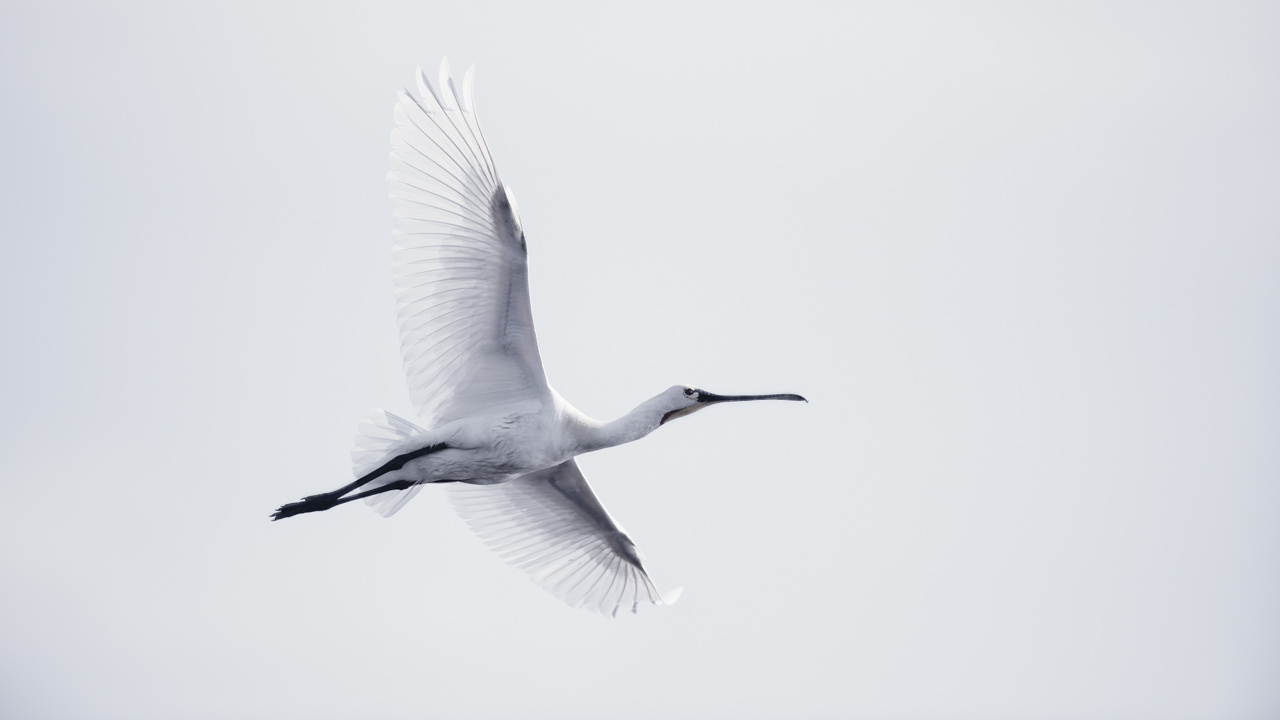
The second pleasant surprise of this year was the presence of many Eurasian spoonbills. In this part of the world, it was a first time for us to sight them. We observed and photographed both adults and juveniles, especially feedings. It was a little tense to observe the young spoonbill putting his beak into the adult's throat to feed. It is impressive. We also focused our photographic work on their flights, as the spoonbills have unique flight characteristics that are very aesthetic.

Surprisingly, we saw many black-crowned night heron. In previous years of good fortune, we might be able to observe or photograph only one or two birds of this species. However, this year, dozens came to look for food on the banks of the ponds. We created some very interesting photos of their extraordinary attitudes and beautiful postures.

Finally, this project of wildlife photography of June 2017 has been a very beneficial one because we have produced several interesting series that will feed our different collections of fine art photographs whether in the them "lights and colors" or in the theme of "shades of blacks and whites".

All these photographs come directly from the cameras. Post processing and framing were done with the tools of the cameras. These photos will be developed more finely to feed the collections of art photographs.

Wildlife photo project using floating blinds in La Dombes in France in June 2017.


Wildlife photo project using floating blinds in La Dombes in France in June 2017.


Wildlife photo project using floating blinds in La Dombes in France in June 2017.


Wildlife photo project using floating blinds in La Dombes in France in June 2017.


Wildlife photo project using floating blinds in La Dombes in France in June 2017.


Wildlife photo project using floating blinds in La Dombes in France in June 2017.


Wildlife photo project using floating blinds in La Dombes in France in June 2017.


Wildlife photo project using floating blinds in La Dombes in France in June 2017.


Wildlife photo project using floating blinds in La Dombes in France in June 2017.


Wildlife photo project using floating blinds in La Dombes in France in June 2017.


Wildlife photo project using floating blinds in La Dombes in France in June 2017.


Wildlife photo project using floating blinds in La Dombes in France in June 2017.


Wildlife photo project using floating blinds in La Dombes in France in June 2017.


Wildlife photo project using floating blinds in La Dombes in France in June 2017.


Wildlife photo project using floating blinds in La Dombes in France in June 2017.


Wildlife photo project using floating blinds in La Dombes in France in June 2017.


May 2017. Wildlife Photography Project on Birds of the Danube Delta in Romania

In May 2017, we journeyed to the Danube Delta in Romania, to photograph birds living near the Ukrainian border. Our goal was to photograph not only migratory birds such as purple herons, gray night herons or Eurasian penduline, but also to photograph birds who stayed year-round in this area such as Dalmatian pelicans.

The month of May is particularly interesting for us as the landscapes and scenery are magnificent. In our artistic approach designed for our artistic photographs, we always focus on: the decorations, the lights, and the birds, specifically in that order.

Since the weather conditions were very peculiar this year with rain and wind, the lights were challenging. Often, the rain beat down heavily upon us. Because our equipment is of a professional quality, it is sensitive to the abundant humidity, and we cannot use it in the rain. However, the rain did not merely affect our equipment, it also affected the creation of the photos themselves. When it rains, there is tiny light. Shutter speeds become slower. It is difficult to freeze the flight or the movement of a bird. Despite these difficult challenges, there is a positive side to when it rains. During rain, a photographer can create incredible and very special photographs with strange atmospheres.

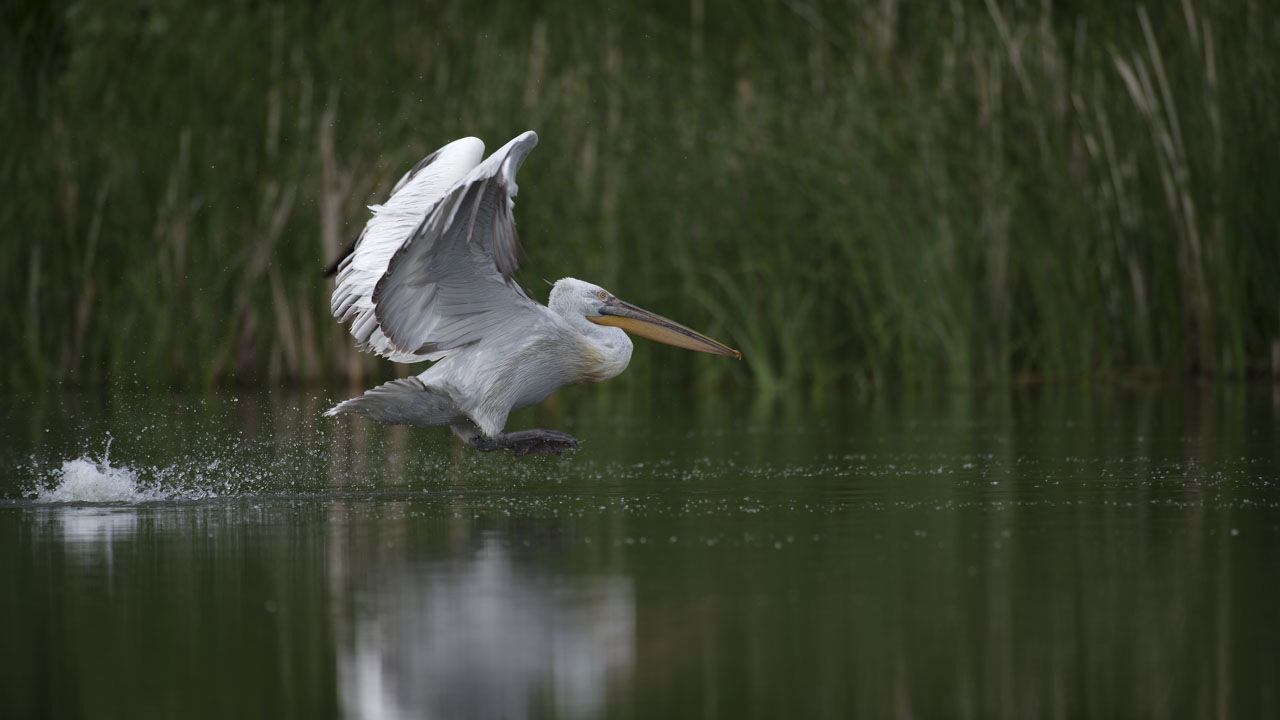
The wind is also a very annoying element for shooting. On one hand, birds do not like to fly when the wind blows. They prefer to remain sheltered in the immense beds of reeds within Danube Delta. But as always in wildlife photography, we showed tenacity and the sun eventually showed itself to be generous. On the other hand, it takes time for a bird to take off. This is a good situation for a photographer to create pictures of a pelican or a pelican starting to fly.

The Danube Delta covers an area of about 5800 km2. The number of species living in the delta is about 300. Each year at the time of the migratory period in spring, millions of birds come to breed, before leaving again in the fall. This period is certainly the most suitable for making animal pictures.

Photographing the poultry fauna of the Danube Delta can be done either from fixed blinds, from floating blinds or from a wooden boat.

The technique of a fixed blind is interesting because it only requires the use of a simple camouflage cloth or a summary camouflage created from branches and leaves. Once this is constructed, one has only to wait for a bird to land within the frame chosen by the photographer. The advantage to this method is that the photographer chooses the scenery and the light to highlight the subject. The disadvantage is that the birds do not often stay in the same places unless they nest. They move according to the wind and the food they find. A photographer can stay for several hours without seeing a single bird in his viewfinder. The technique of a fixed blind requires a lot of time on the spot because the photographer will be able to choose only two places each day: one in the morning and one in the evening.

The technique of the floating blind is more profitable for the number of photographs realized. The photographer can move in the pond he has chosen without scaring the birds, which is an advantage. In fact, animals tolerate the floating blind because it has a rounded shape, very far from the human form that maddens all wild animals. Unfortunately, this has a disadvantage. The floating blind requires a certain level of water to move across the pond. Two or three feet of water are acceptable, but during periods of drought such as this year, 2017, most of the interesting ponds are dry. It is thus impossible to use a floating blind.

The technique of a wooden boat remains the easiest to use. The photographer can easily move along canals to search for birds. During a photo session that lasts 5 hours, it is possible to travel nearly 30 kilometers using the engine, a great advantage. This technique is certainly the best one for the creation of many photographs of distinct species. But it has two major disadvantages. The first disadvantage is the sound of the engine, which often frightens the birds. They run away as soon as they hear the first sounds. Also, the canals of the Danube can be very winding. It is impossible to predict the presence of a bird before approaching a turn. Even when the speed is reduced and the engine is idling, the birds flee as soon as they see the boat arrive. It is often too late for the photographer to take any pictures.

The second disadvantage of the boat is that it is impossible to choose the scenery and the light to create the photographs. The photographer must adapt himself to the scene presented in front of him. Even if we find a beautiful purple heron or a night heron in an exceptional behavior, we may decide to not trigger the camera because of the scenery, which may be very unattractive, such as damaged trees or faded vegetation. However,  these situations occur quite rarely because the Danube Delta offers magnificent scenery and very little degradation made by human presence.

Because the entire Delta is a world biosphere, the locals protect these natural areas. There are a few villages established historically in the area, nevertheless, the fishermen have understood the importance of nature preservation since the World Heritage listed in 1991. Most fishermen have reconverted into tourism by offering accommodation for many ornithological enthusiasts, who come to admire the natural beauties of the region.

Finally, this trip in 2017 appears to have been placed under excellent auspices. We have produced several interesting series that will feed our different collections of photographs of art whether they are in the register lights and colors or in the register of shades of blacks and whites.

White spoonbill flying. Wildlife photography project dedicated to birds of the Danube Delta in Romania.


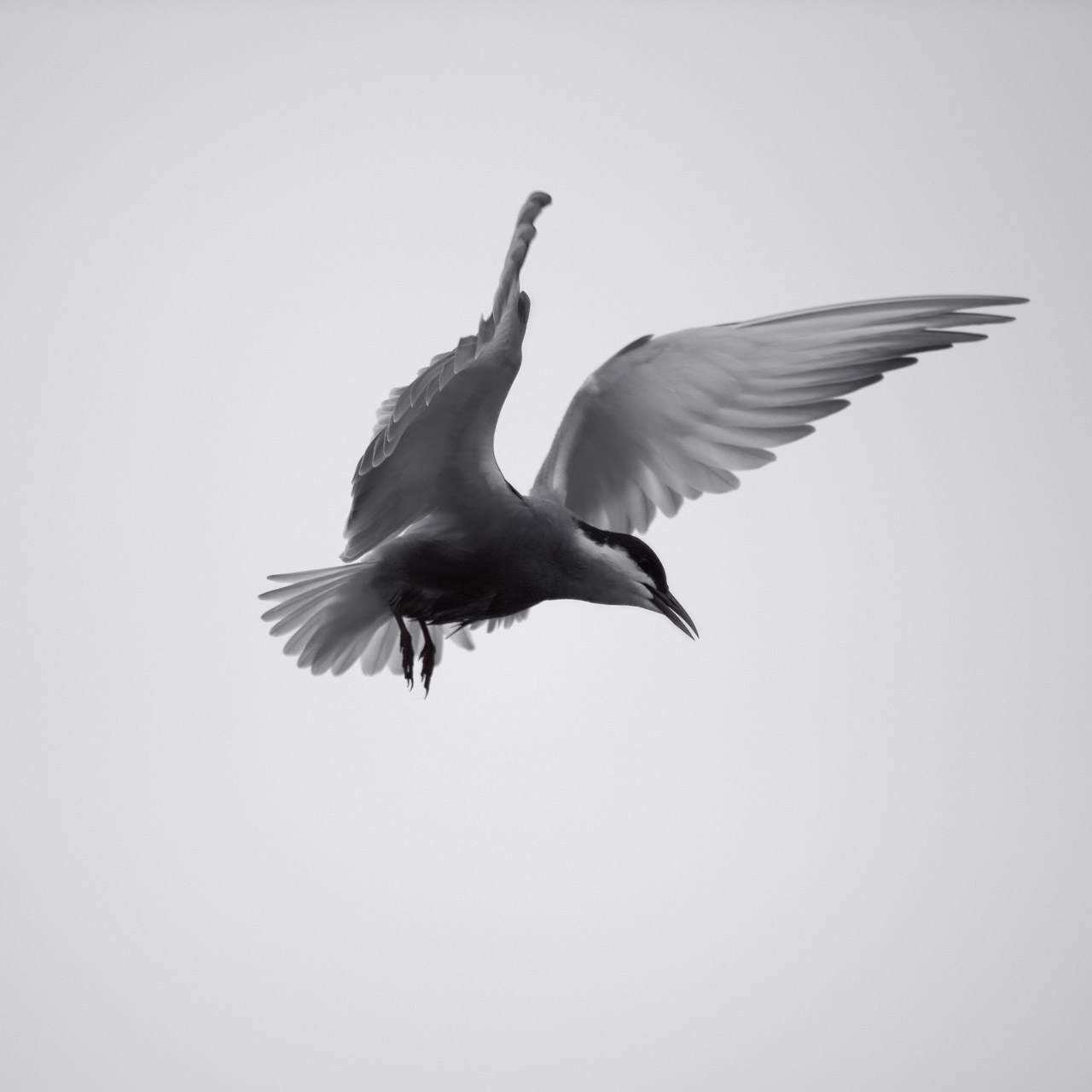
Whiskered tern flying. Wildlife photography project dedicated to birds of the Danube Delta in Romania.


Dalmatian pelican taking off. Wildlife photography project dedicated to birds of the Danube Delta in Romania.


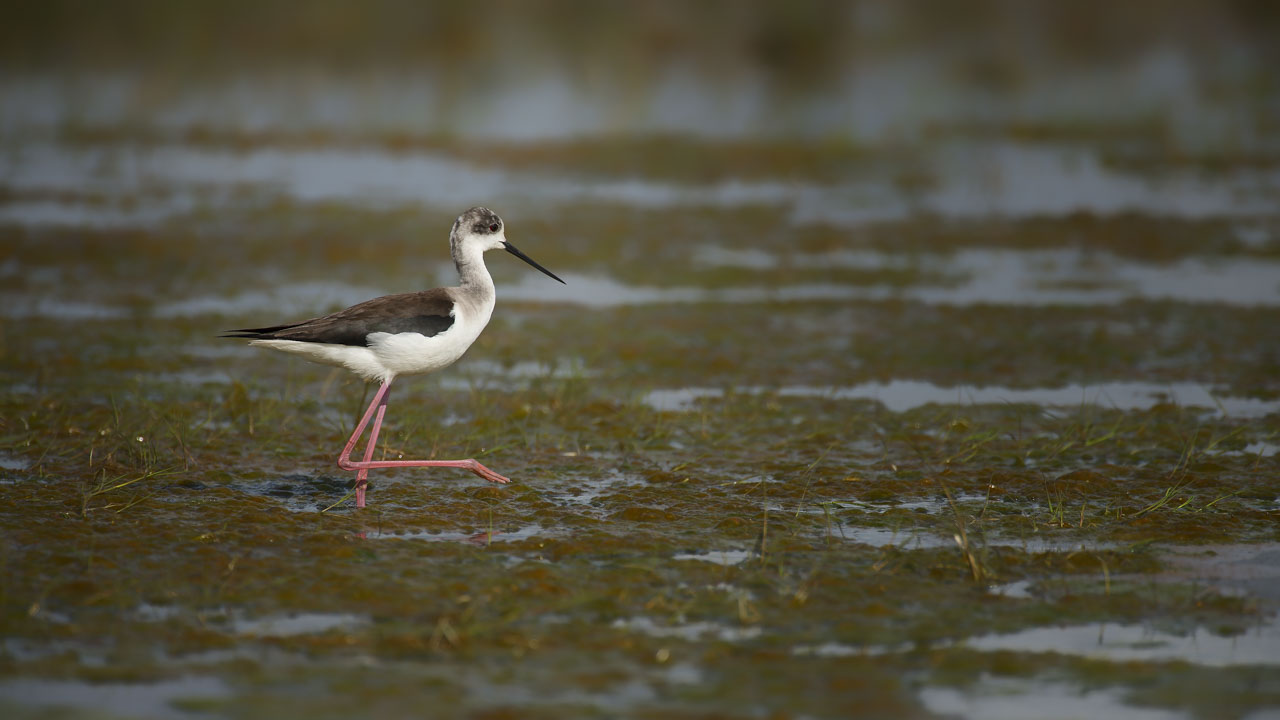
White stilt walking in a mudflat. Wildlife photography project dedicated to birds of the Danube Delta in Romania.


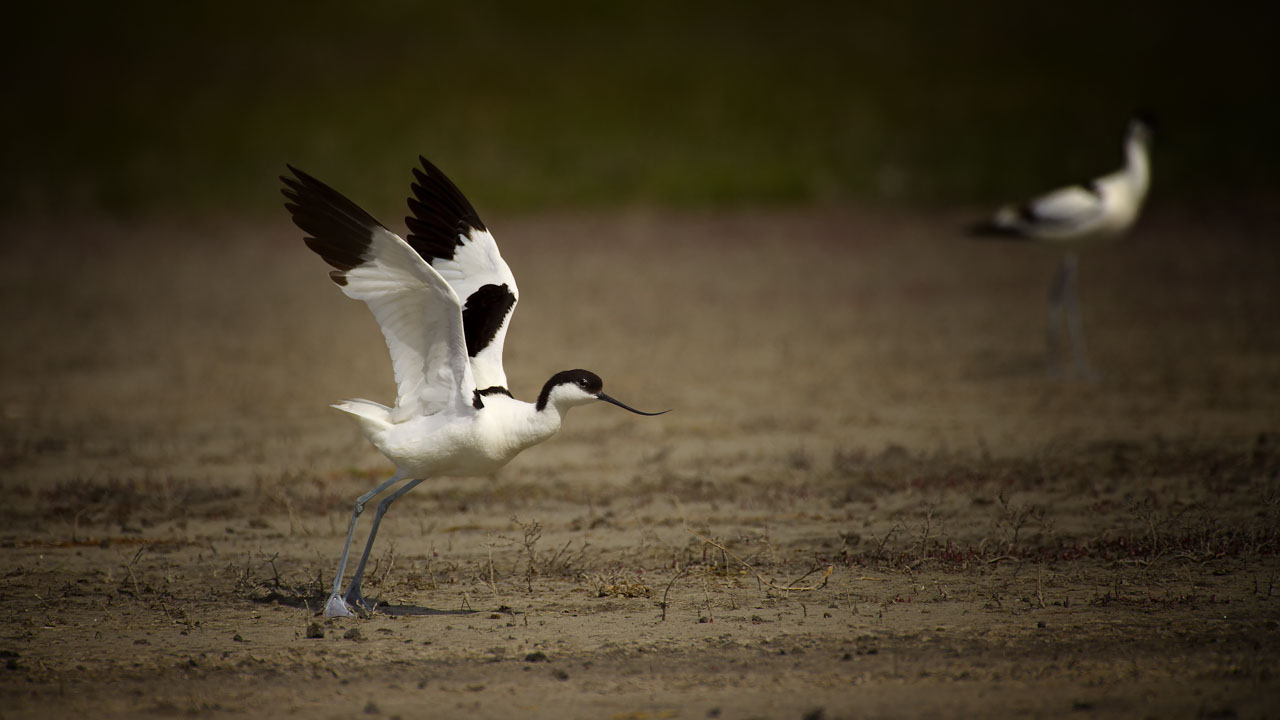
Elegant Avocet taking off. Wildlife photography project dedicated to birds of the Danube Delta in Romania.


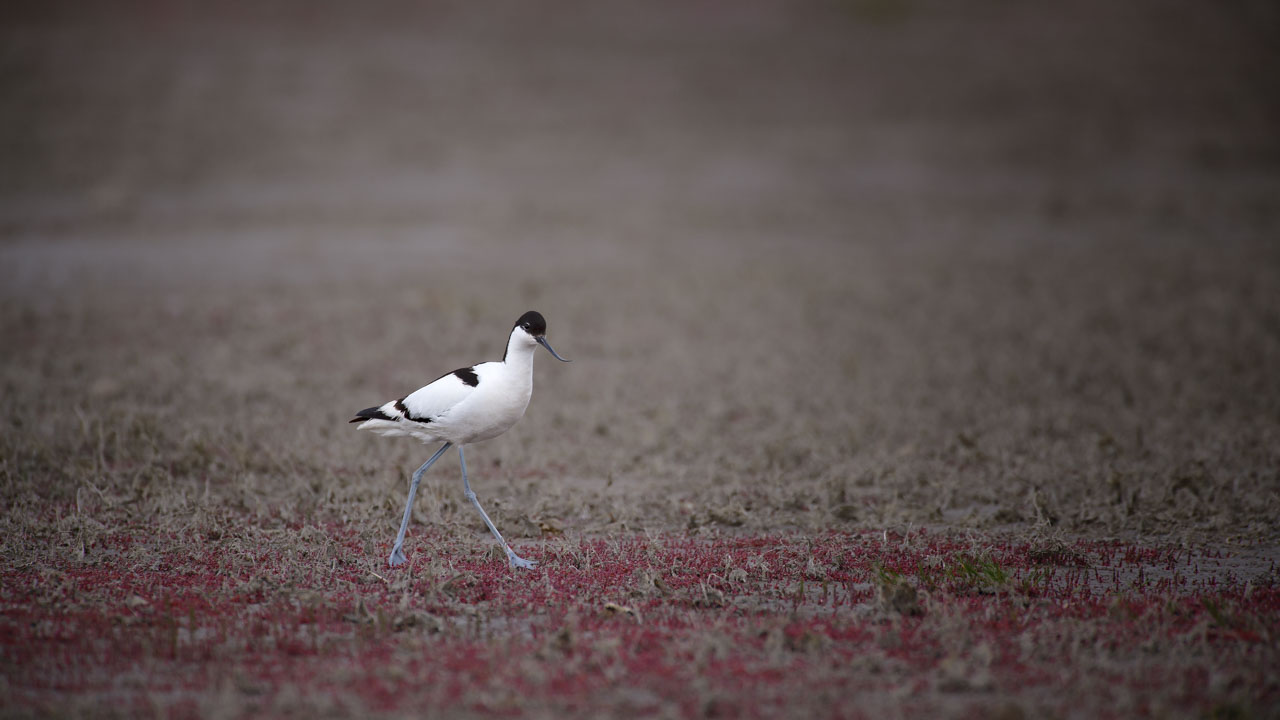
Elegant avocet in a mudflat. Wildlife photography project dedicated to birds of the Danube Delta in Romania.


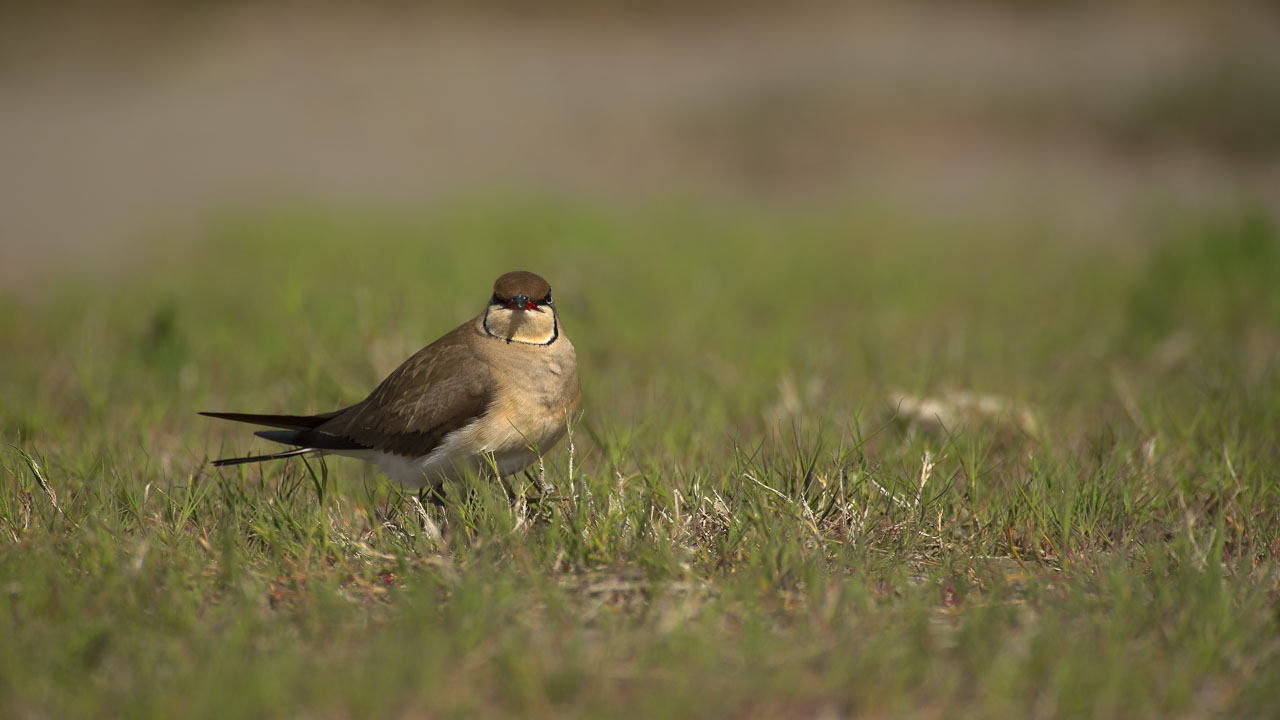
A collared pratincole in a mudflat. Wildlife photography project dedicated to birds of the Danube Delta in Romania.


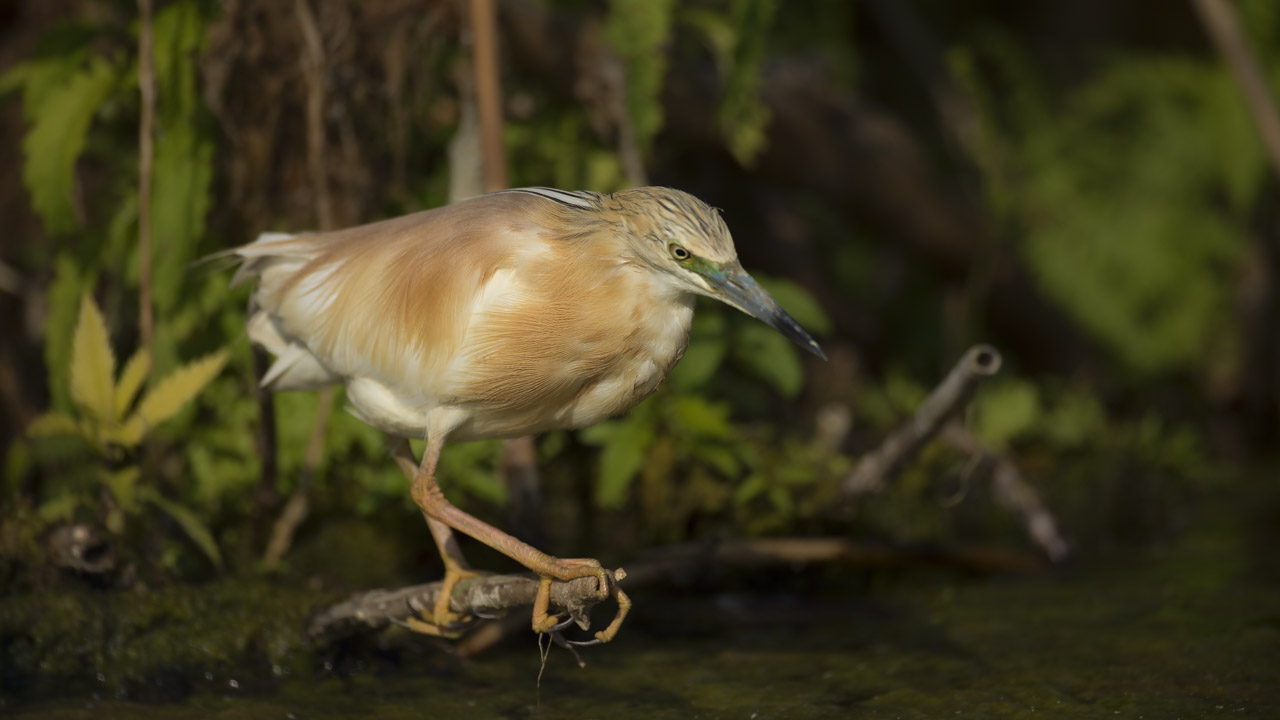
Squacco heron in one of the arms of the Danube. Wildlife photography project dedicated to birds of the Danube Delta in Romania.


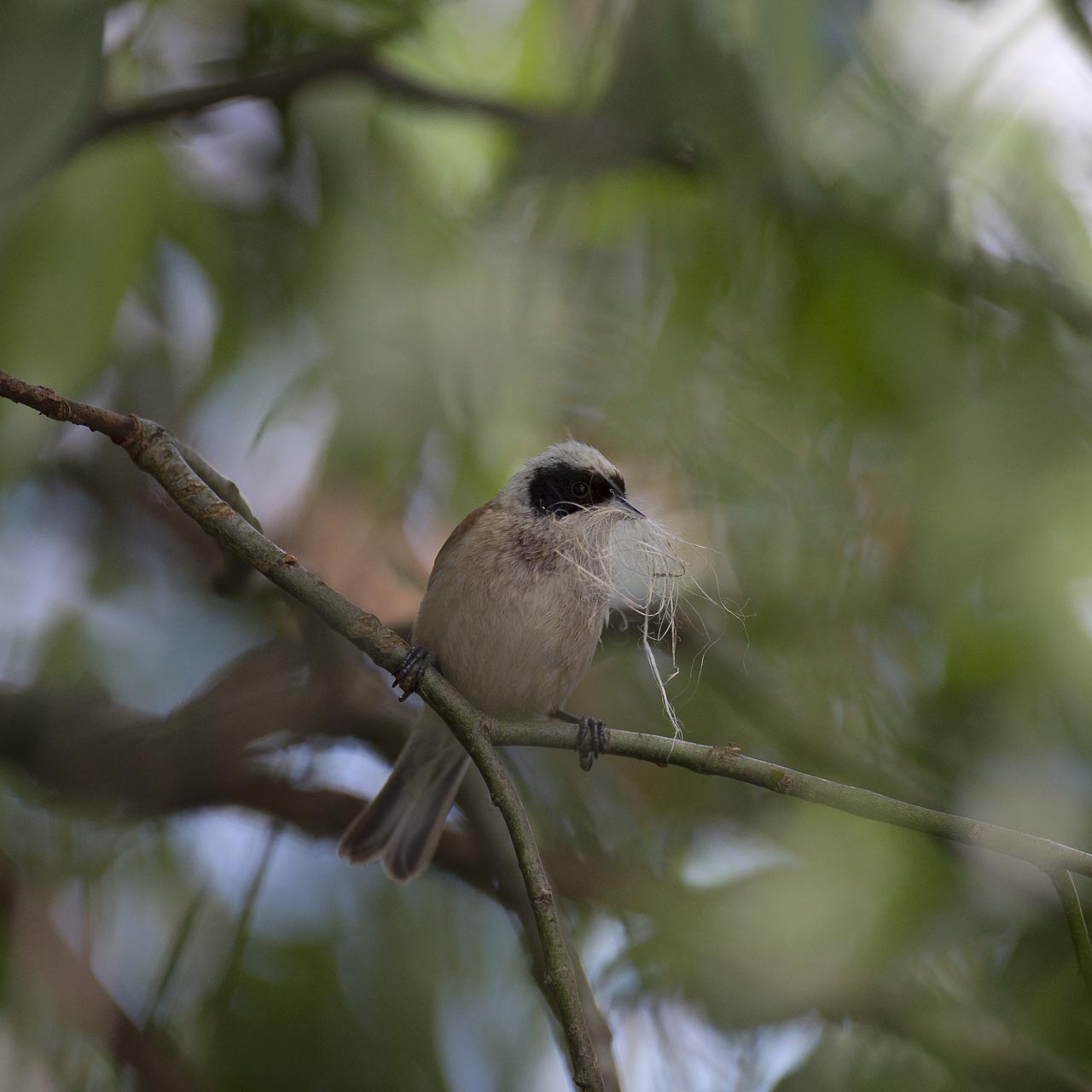
Eurasian penduline tit building his nest in a weeping willow. Wildlife photography project dedicated to birds of the Danube Delta in Romania.


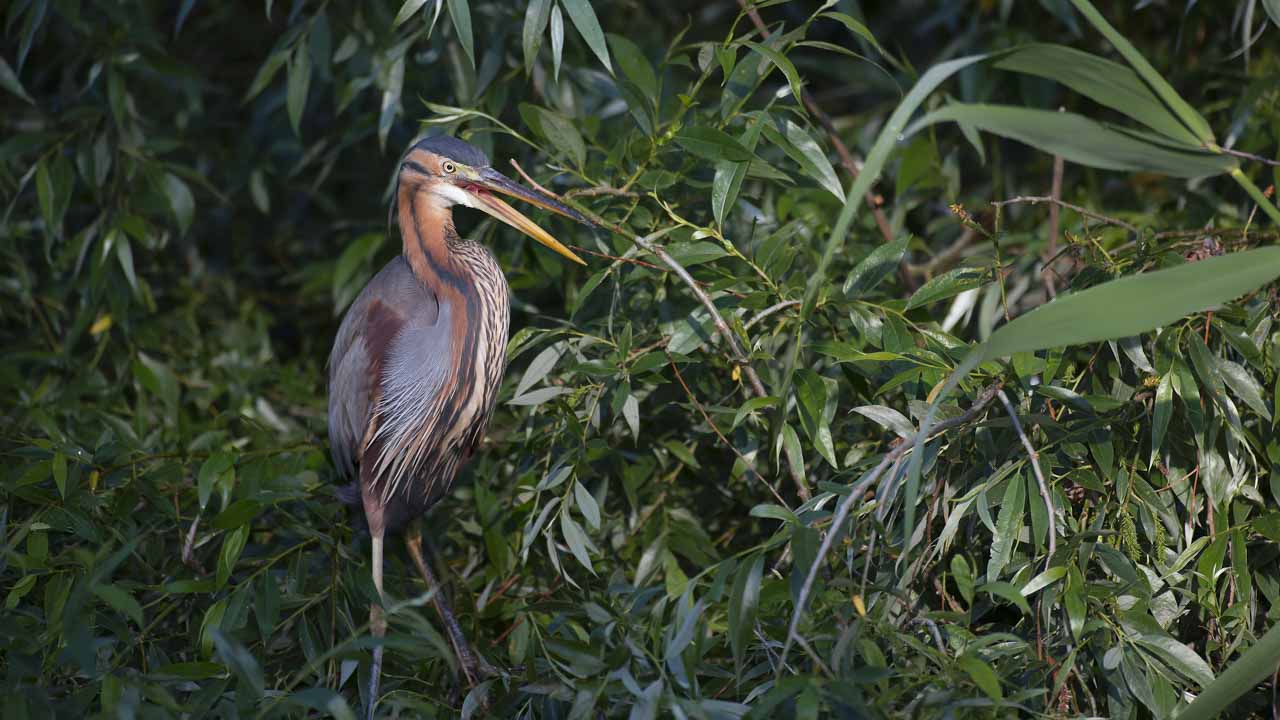
Purple heron in one of the arms of the Danube. Wildlife photography project dedicated to birds of the Danube Delta in Romania.


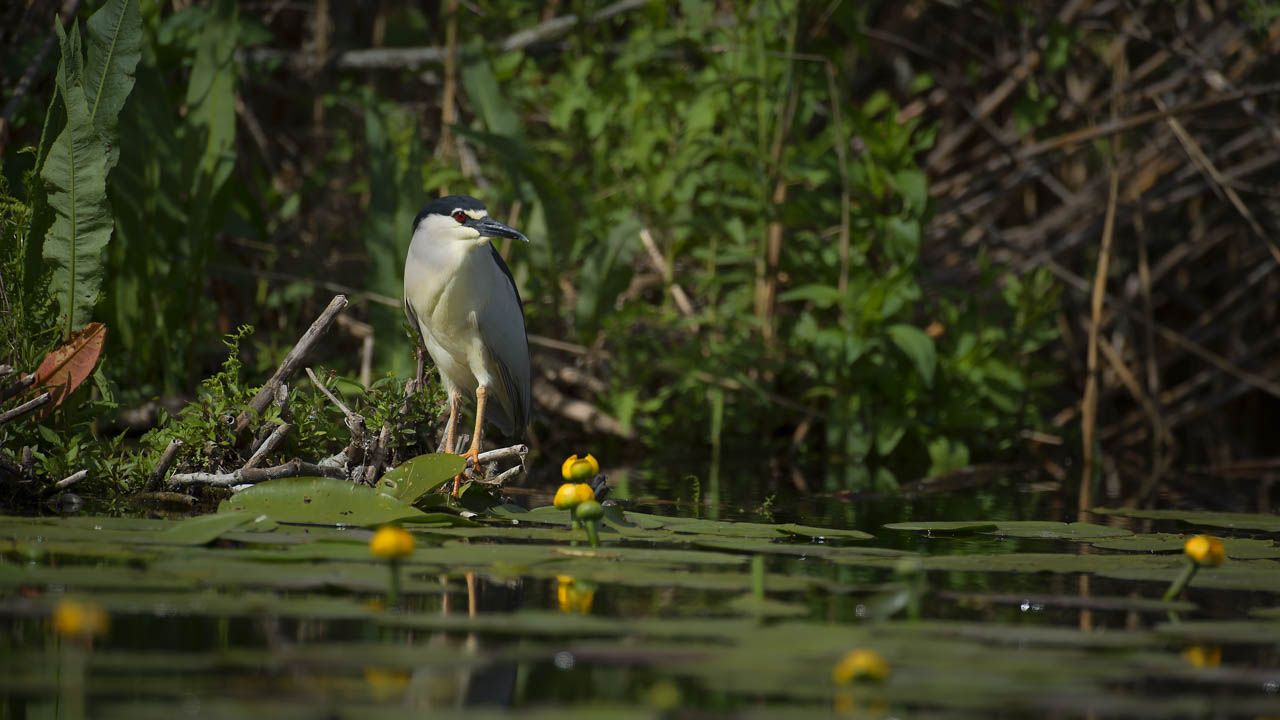
Black-crowned Night Heron in one of the arms of the Danube. Wildlife photography project dedicated to birds of the Danube Delta in Romania.


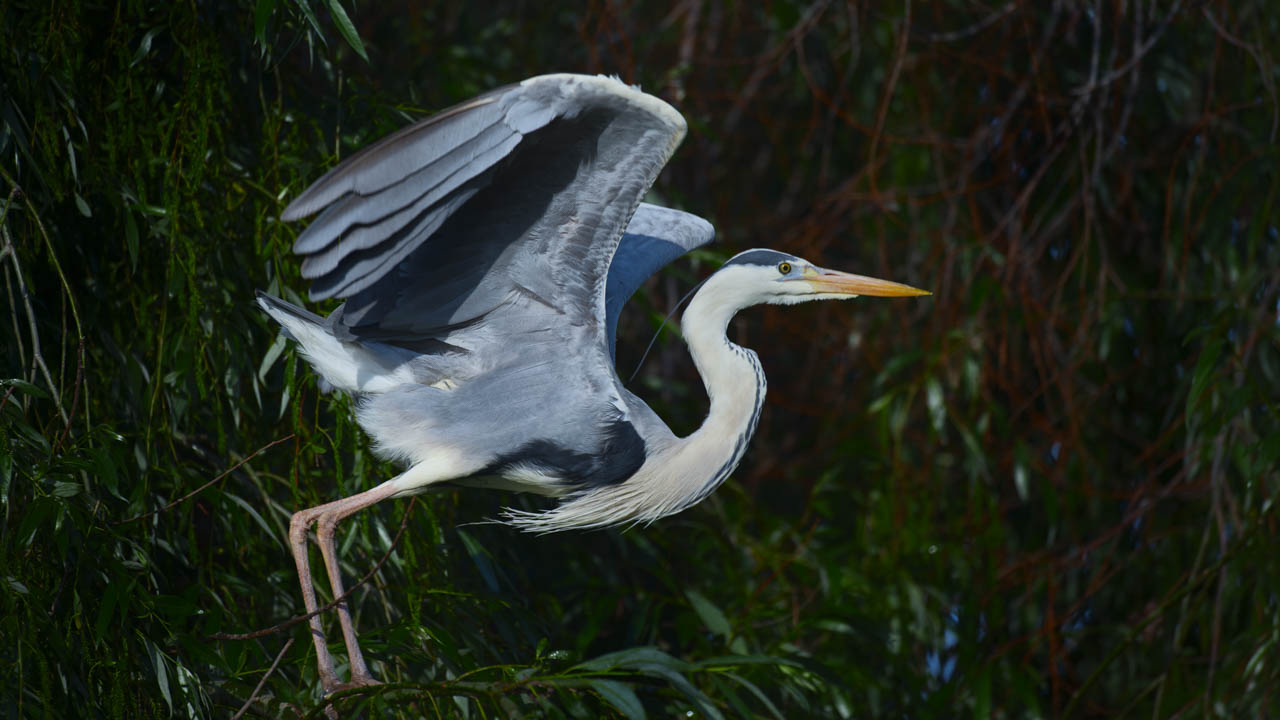
Gray heron in one of the arms of the Danube. Wildlife photography project dedicated to birds of the Danube Delta in Romania.


  1. Using the Bokeh technique to Create Minimalist Photos
  2. 8 Techniques for Creating Minimalist Photos
  3. To Create your Photos in a Methodical Way Think of the Message
  4. 7 Tips to Create your Photos in a Methodical Way

Page 110 of 201

  • 105
  • 106
  • 107
  • 108
  • 109
  • 110
  • 111
  • 112
  • 113
  • 114
  1. You are here:  
  2. Home
  3. Blog Photographic Approach

Share on Social Media

Post
Share
Share
E-mail
WhatsApp
Text

Join Me on Social Networks

Join Me on Facebook  Join Me on Instagram  Join Me on LinkedIn

Claim your free guide to make your photo impactful and meaningful

Claim Your Free Guide '50 Pages of Tips to Give Impact and Meaning to Your Photos'.

4 + 8 =

Click Here To Discover All My Chronicles About the Photographic Approach.

Treat Yourself to a Fine Art Print That Matches your Personality

Example of a vacation home interior with a black and white fine photo art displayed on the wall.

Fine Art Print Collections in Black and White

Fine Art Print Collections in Black and White Black and white photography is a suitable technique for many nature scenes. It requires a particular frame of mind. A black and white photograph should be prepared and planned from the framing to the…
11999
Fine Art Print Collections in Black and White
An abstract art photo displayed in a contemporary living room decor.

Fine Art Print Collections in Color

Collections of Fine Art Prints in Color Color photographs allow digressions and take the audience to the message by secondary ways. The world around us, especially nature, is colorful. A color image can show the way our surroundings really are. Of course, it…
10445
Fine Art Print Collections in Color
Example of a home interior with fine art prints in my style back to black displayed on the wall. These photos are a part of my collection 'Wild beauties of Kenya'.

Fine Art Print Collections in Back to Black

Fine Art Print Collections in Back to Black I want to share my fine art prints of nature in a personal style that I call "back to black." "Back to Black" was developed to embody a sharp and clean style for artistic photos that can be hung in your living room,…
9984
Fine Art Print Collections in Back to Black
A waiting room with a photo in the style Fusion displayed on the wall. Grey Heron in Fusion.

Fine Art Print Collections with the Fusion Style

Fine Art Print Collections with the Fusion Style I would like to share a very creative and modern photography style to represent Nature in a very different way. I call it "Fusion." I created the style to offer dynamic photos, allowing you to start a good day…
7916
Fine Art Print Collections with the Fusion Style
A living room with a photo in the style 'Impression' exposed on the wall. Rising sun in impression

Fine Art Print Collections with the ‘Impression’ Style

Fine Art Print Collections with the ‘Impression’ Style The objective of this photographic style is to create the ephemeral blurs. That's why I named it 'Impression.' Photography, as an art form, is a powerful means of expressing reality from different…
5830
Fine Art Print Collections with the ‘Impression’ Style
Fine art prints from the style back to black displayed on a wall. Amar Guillen, photographer artist

New Collections of Fine Art Prints Dedicated to the Wonders of Nature

New and Updated Fine Art Print Collections Dedicated to the Wonders of Nature Fine art prints from the style back to black displayed on a wall.
11450
New Collections of Fine Art Prints Dedicated to the Wonders of Nature

Themes of the Blog Articles

Landscape of Arches National Park in Utah in black and white.

Blog Articles Dedicated to Artist Statement

Blog Articles Dedicated to Artist Statement
Dunes of death Valley in Black and White

Blog Articles Dedicated to Black and White Photography

Blog Articles Dedicated to Black and White Photography
Abstract photo or trees reflection on water

Blog Articles Dedicated to Photographic Mindset

Blog Articles Dedicated to Photographic Mindset
Abstract photo of ridles on water

Blog Articles Dedicated to Artistic Photography

Blog Articles Dedicated to Artistic Photography
Abstract photo of Yellowstone

Blog Articles Dedicated to Photographic Language

Blog Articles Dedicated to Photographic Language
Pronghorn in Yellowstone

Blog Articles Dedicated to Wildlife Photography

Blog Articles Dedicated to Wildlife Photography
Landscape of Bryce Canyon

Blog Articles Dedicated to Photographing United States

Blog Articles Dedicated to Photographing United States
Underwater waves in the Red Sea

Blog Articles Dedicated to Photographic Techniques

Blog Articles Dedicated to Photographic Techniques
Tree of Black Canyon in Black and White

Blog Articles Dedicated to Landscape Photography

Blog Articles Dedicated to Landscape Photography
Manta Ray in Maldives in Black and White

Blog Articles Dedicated to Underwater Photography

Blog Articles Dedicated to Underwater Photography
Red Deer stag during the rut of the deer

Blog Articles Dedicated to Photographic Judgement

Blog Articles Dedicated to Photographic Judgement
Great Crested Greb and his chick

Unclassified Blog Articles

Unclassified Blog Articles

You Might Be Interested By One of These Photographic Approach Articles

We waited a week before creating this photograph. We wanted the sun at this particular place. We proceeded by method.

7 Tips to Create your Photos in a Methodical Way

5217
7 Tips to Create your Photos in a Methodical Way
This photograph was created for the collection 'Musical notes on water'.

Why and How Creating Fine Art Photos

8719
Why and How Creating Fine Art Photos
Seascape of the Northern of Sutherland in Scotland.

Storytelling, Copywriting, Script and Narration

4701
Storytelling, Copywriting, Script and Narration
Photo sous-marine d'un nudibranche. En photographie sous-marine, la technique du bokeh est très intéressante en gros plan pour mettre des sujets en valeur.

Why and How Creating a Bokeh in Nature Photography

6342
Why and How Creating a Bokeh in Nature Photography

Receive Free Tips On How to Give Impact and Meaning to Your Photos. Subscribe to Receive Regular Articles.

2 + 7 =

Contact Me By Email

10 + 9 =
This site is protected by reCAPTCHA and the Google Privacy Policy and Terms of Service apply.

About Amar Guillen, Creator of Fine Art Prints of Nature
As a photographer capturing the artistic essence for several decades, I have mastered the art of crafting an authentic experience for art enthusiasts and collectors of visual art.
When I observe my surroundings, be it friends, family, relationships, or professional contacts, I see souls in perpetual motion. Every moment of their existence is engulfed by daily hassles, work concerns, social media, online or televised information streams, and videos on the web.
Every minute, they strive to accomplish something, fearing losing ground and feeling marginalized in this frenzied society. Imprisoned by an oppressive schedule, the essential eludes them, drowned in the tumult of daily life. Is it really crucial to watch yet another cat video on the internet? Is it necessary to post twenty daily messages on social media?
Despite this, they remain constantly stressed and anxious about the challenges of the world, without being able to influence these monumental problems. It is at this moment that my artistic nature photographs come into play. Those who have had the privilege of hanging one of my works in their personal or professional space have expressed a radical transformation in their lives.
Every day, contemplating these works of art immerses them in tranquility, inner peace, and rediscovered serenity. They then understand that nature has the power to unravel tensions, to encourage reflection on the essential. Artistic photographs thus become open windows to the wonders of nature.
I have chosen to share the best of myself by helping others discover their identity, personality, style, all while reconnecting with nature. Take the time to explore my artistic photographs if you wish to reveal your true essence. Once hung in your space, your view of the world will be transformed.
Amar Guillen is a creator of fine art prints of nature.
I am Amar Guillen, creator of nature art photographs. I have a deep conviction that contemplating nature has the power to transform human beings. If everyone learned to know, respect, and preserve nature, our world would be transformed into a haven of peace where everyone would find their place.
Copyright © 2003 - 2026 Guillen Photo LLC - All rights reserved. Amar Guillen, professional photographer since 2003.
  • Blog
  • Calibration
  • Legal Information
  • Sitemap
  • Accessibility
  • Contact Me
  • Updates of the Website
I Want to Help You to Create Interesting Photos

How Can I Help You To Create More Interesting Photos?

Ask Me a Technical Question.
Subscribe to my Newsletter. The Inspiration Behind Guillen Photo.

Select your language

  • English (United Kingdom)
  • Français (France)
Claim your free guide to make your photo impactful and meaningful

Claim Your Free Guide '50 Pages of Tips to Give Impact and Meaning to Your Photos'.

4 + 4 =

Contact Me By Email

5 + 8 =

Office Address:
3512 Robin Road
Plano Texas 75075
USA

Office phone: (+1)214-769-6825