• The Art of ChoosingHome page
  • Fine Art Prints3 Editions
  • CollectionsAll Collections
  • AboutAmar Guillen
  • Customer Space & Contact
  • Select your language

    • English (United Kingdom)
    • Français (France)
  • All You Need to Select Your Fine Art Print
    • How to Choose a Fine Art Print - Q&A - FAQ
    • New Creations
    • Explore Some Interiors
    • Fine Art Print Blog
  • Browse by Edition
    • All Fine Art Prints
    • Unique Edition
    • Limited Edition
    • Open Edition
  • Browse by Style
    • Black and White
    • Color
    • Fusion
    • Impression
    • Back to Black
    • Landscapes in Black and White
    • Landscapes in Color
    • Animals in Black and White
    • Animals in Color
  • Browse by Theme
    • Landscape
    • Wildlife
    • Underwater
    • Abstract
    • Symbolic
    • Landscapes of the United States
    • Landscapes of France
    • Landscapes of Scotland
    • Seascapes
    • Relaxing
    • Energizing
    • Playful
  • Browse by Format
    • Rectangular
    • Square
    • Panoramic
  • Contact Me
    • Contact Me by Email or Phone
  • Collections
    • New Collections
    • All Collections
  • Browse by Theme
    • Landscapes
    • Wildlife
    • Underwater
    • Abstract
    • Symbolic
    • Landscapes of France
    • Landscapes of the United States
  • Browse by Style
    • Black and White
    • Color
    • Impression
    • Back to Black
    • Fusion
  • Contact Me
    • Contact Me by Email or Phone
  • Discover More About Me
    • Discover Who is Amar Guillen
    • Artistic and Photographic Statement
  • Galleries
    • Photo Galleries
    • Abstract Portfolio in Color
    • Black and White Landscape Photography Portfolio
    • Color Landscape Photography Portfolio
    • Black and White Wildlife Photography Portfolio
    • Color Wildlife Photography Portfolio
    • Underwater Photography Portfolio
  • Contact Me
    • Contact Me by Email or Phone
  • Your Customer Space
    • Create or Manage your Account
    • Your Download Space
    • Your Orders
  • Contact Me
    • Contact Me by Email or Phone

You are in that section: Home > Blog > Blog of the Photographic Creation Approach

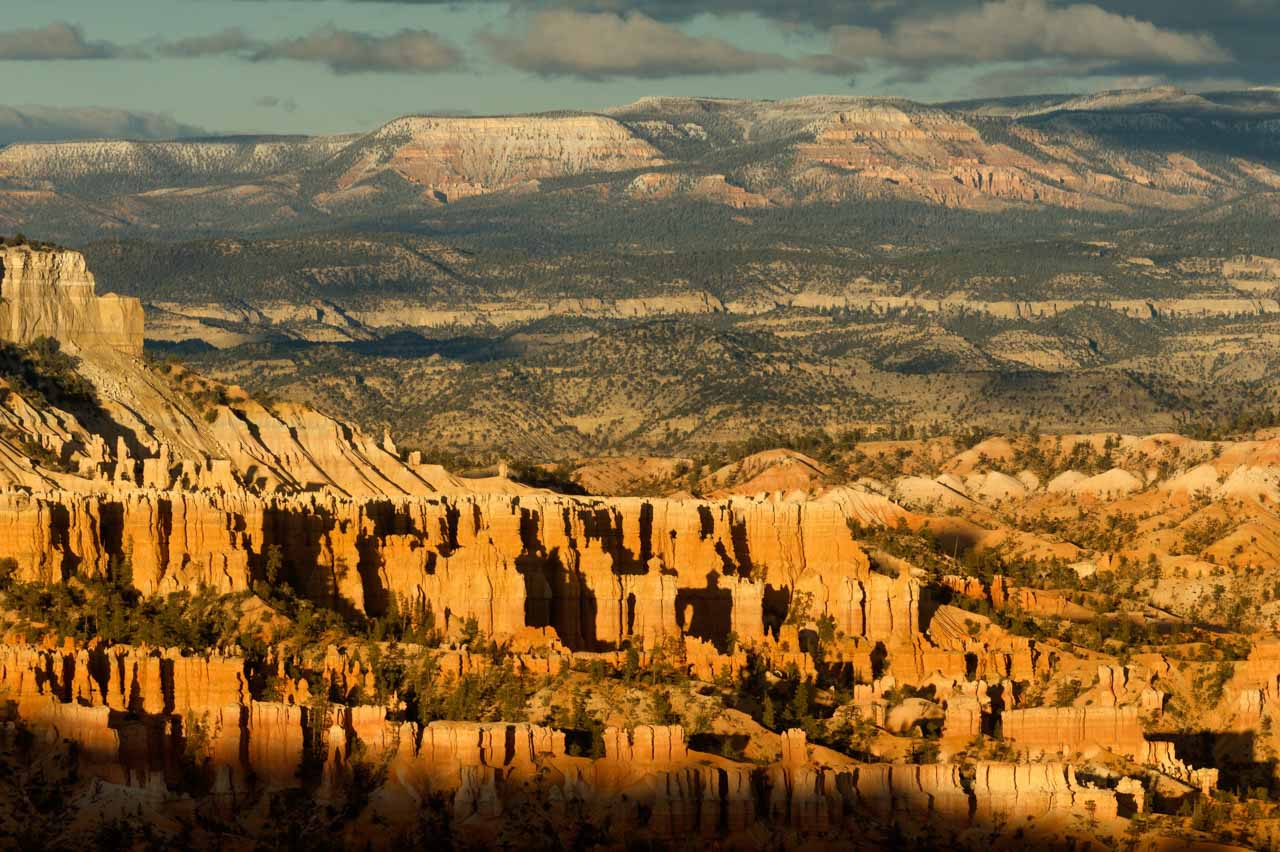
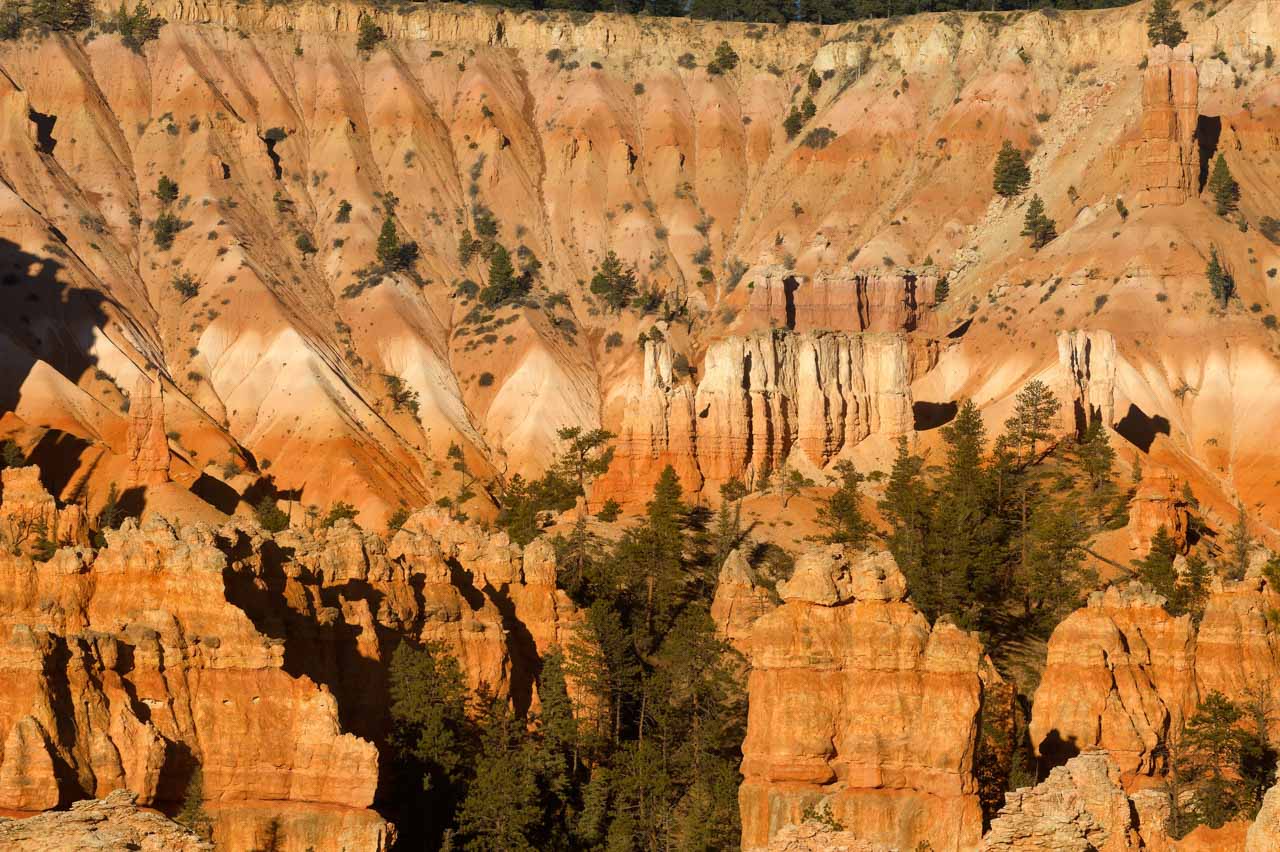
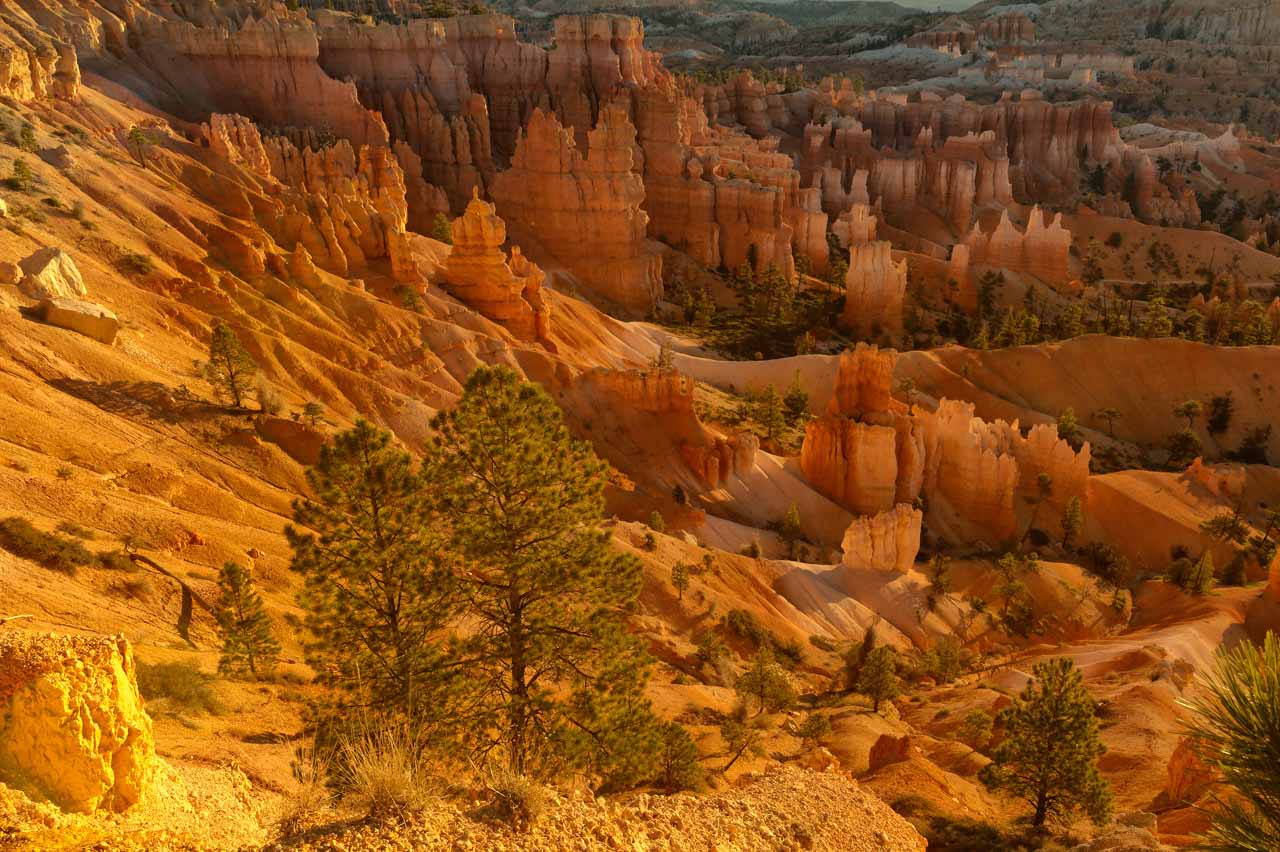
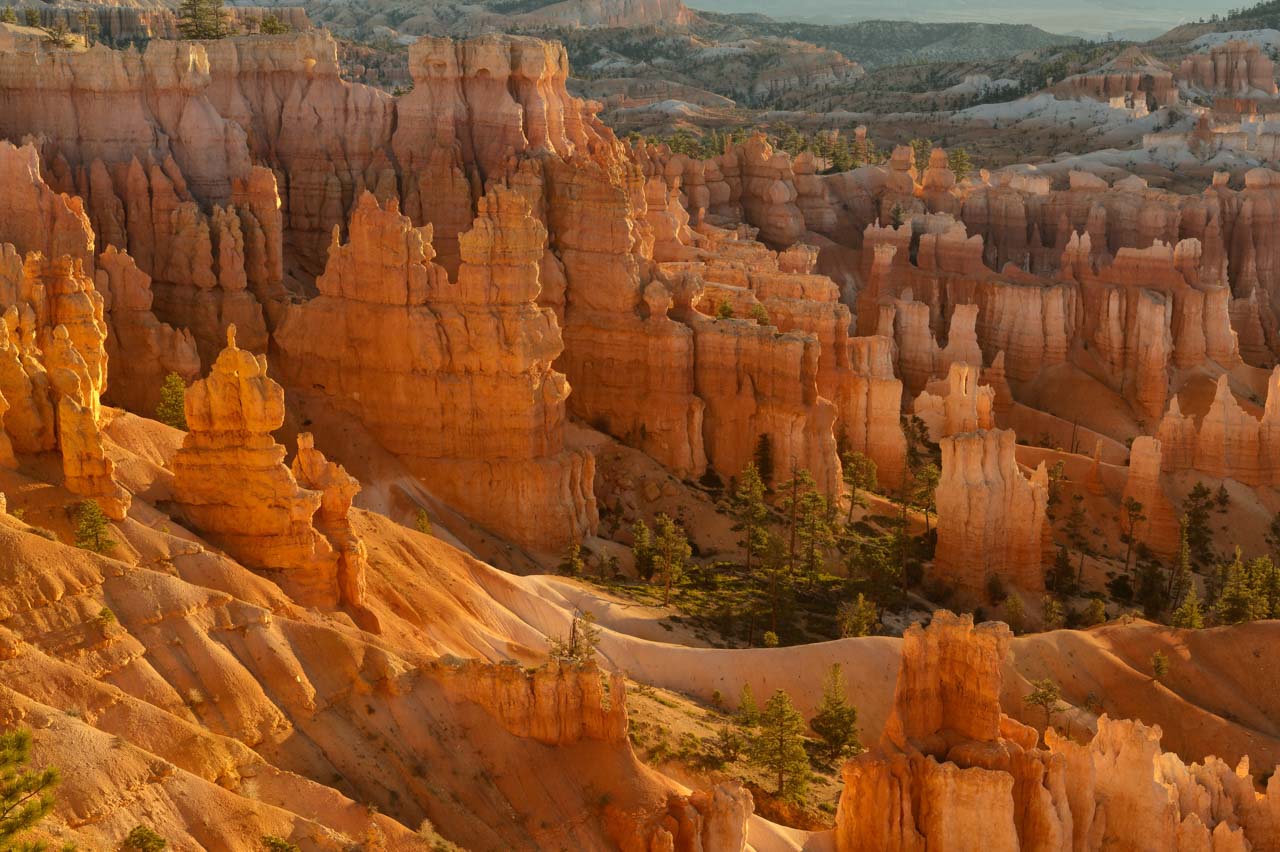
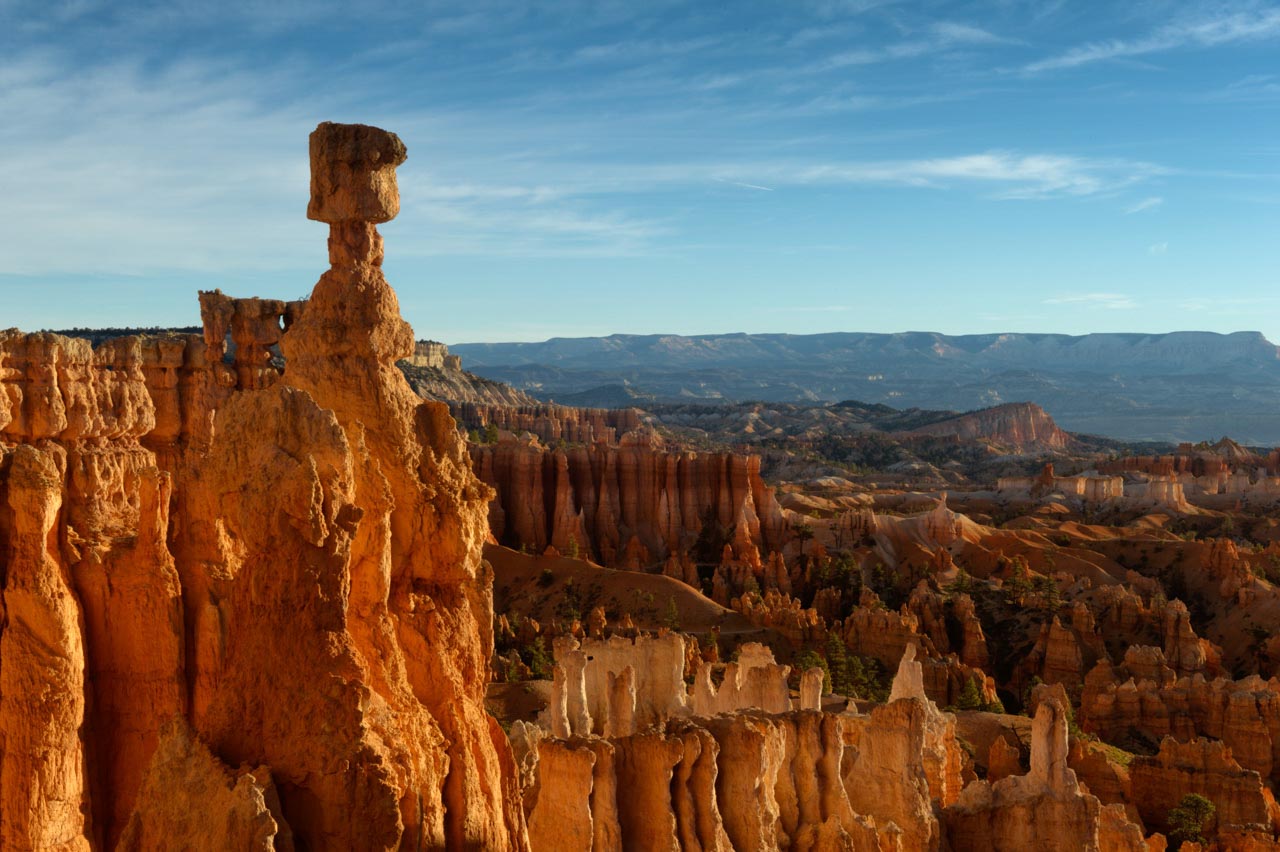
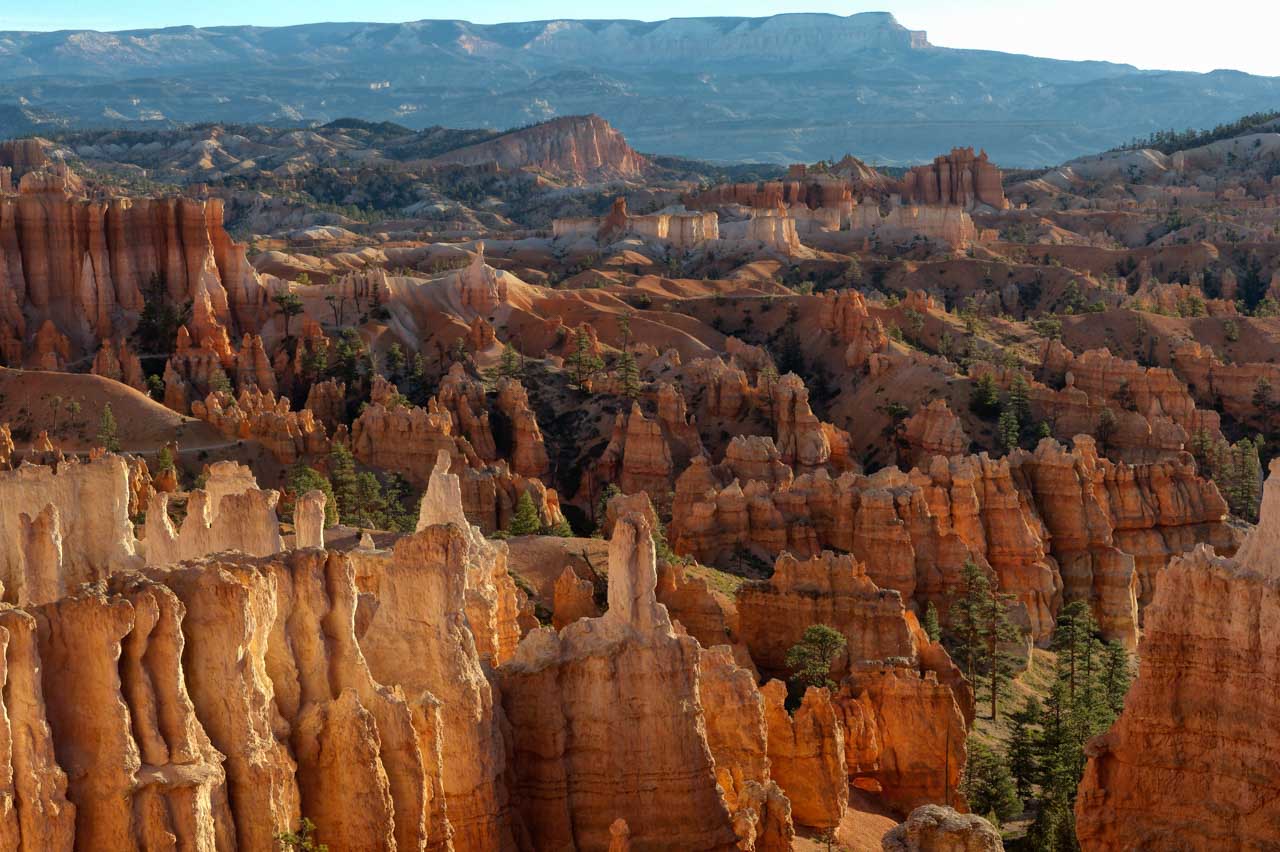
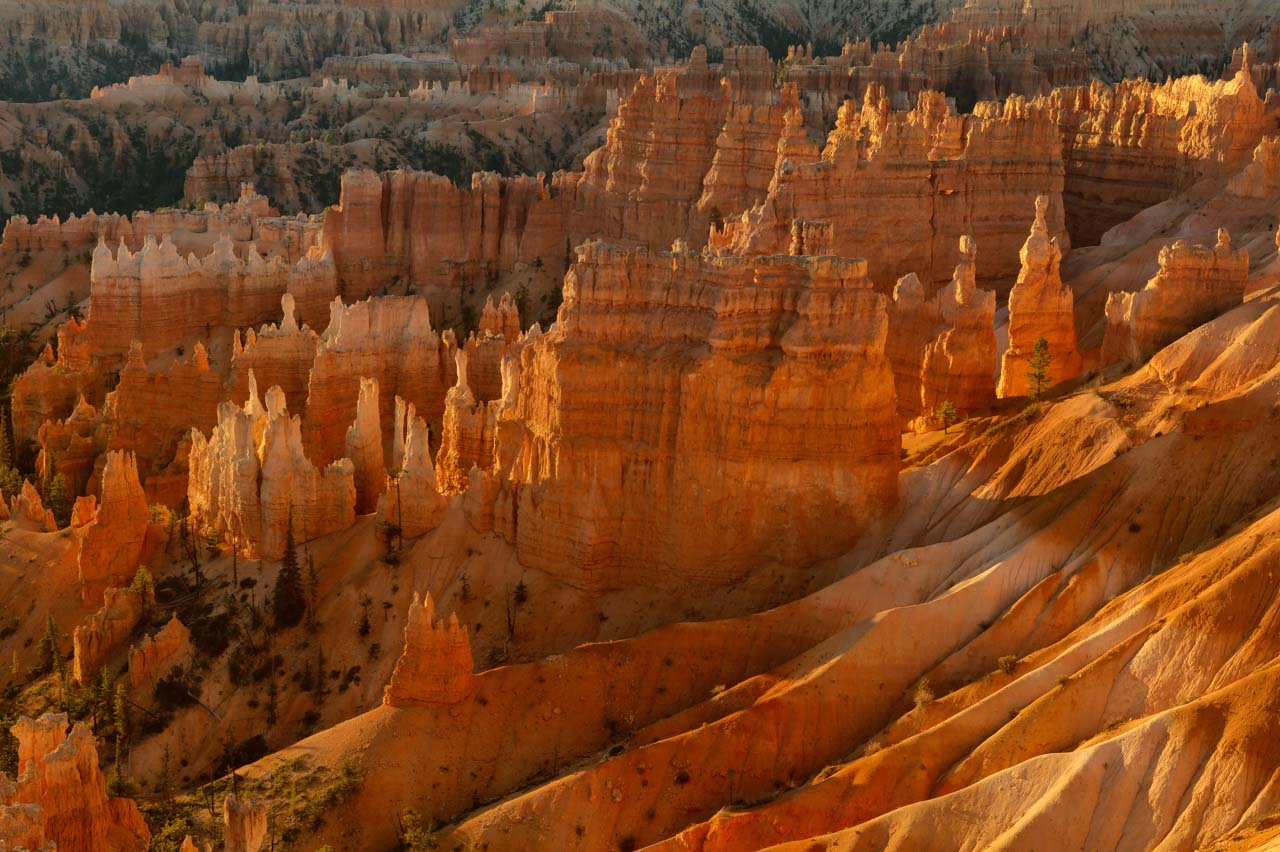
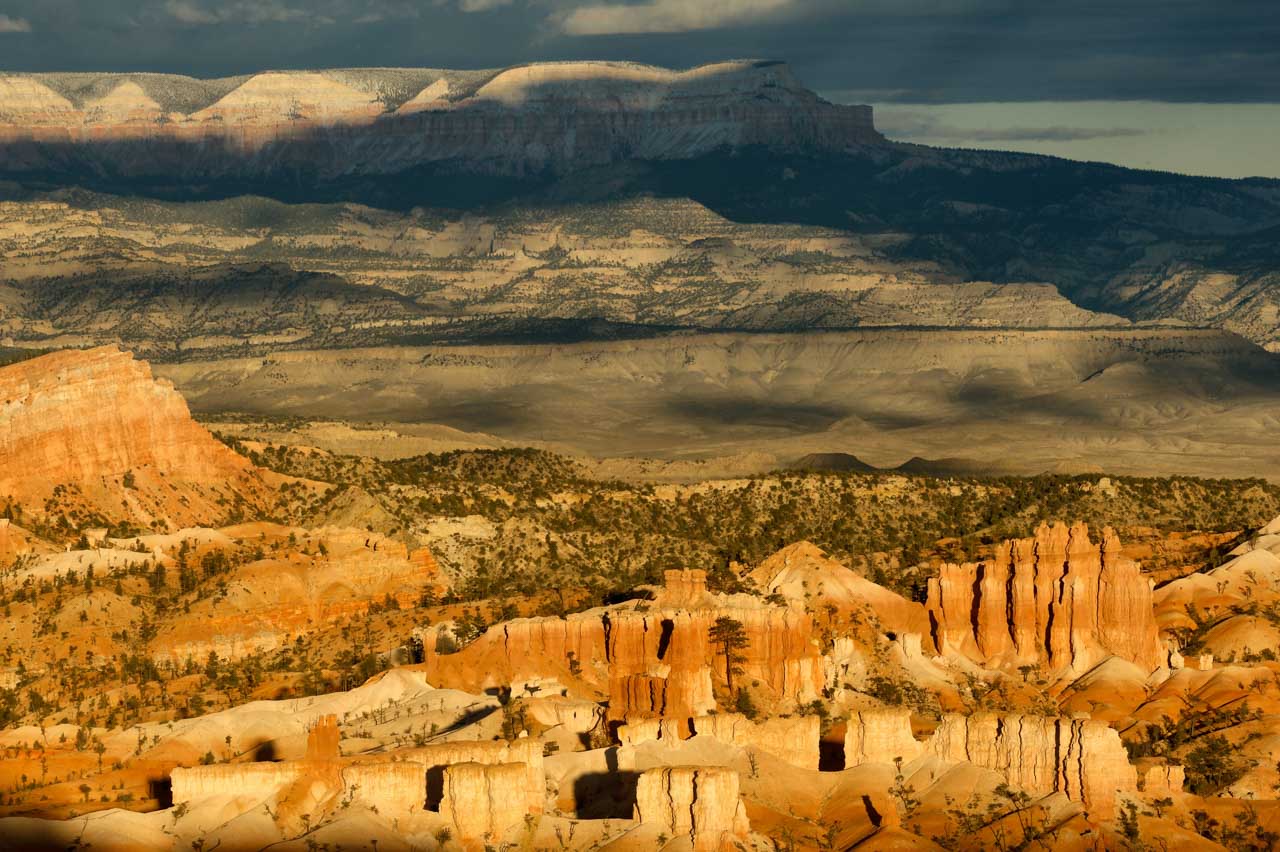
Bryce Canyon in Utah state, United States

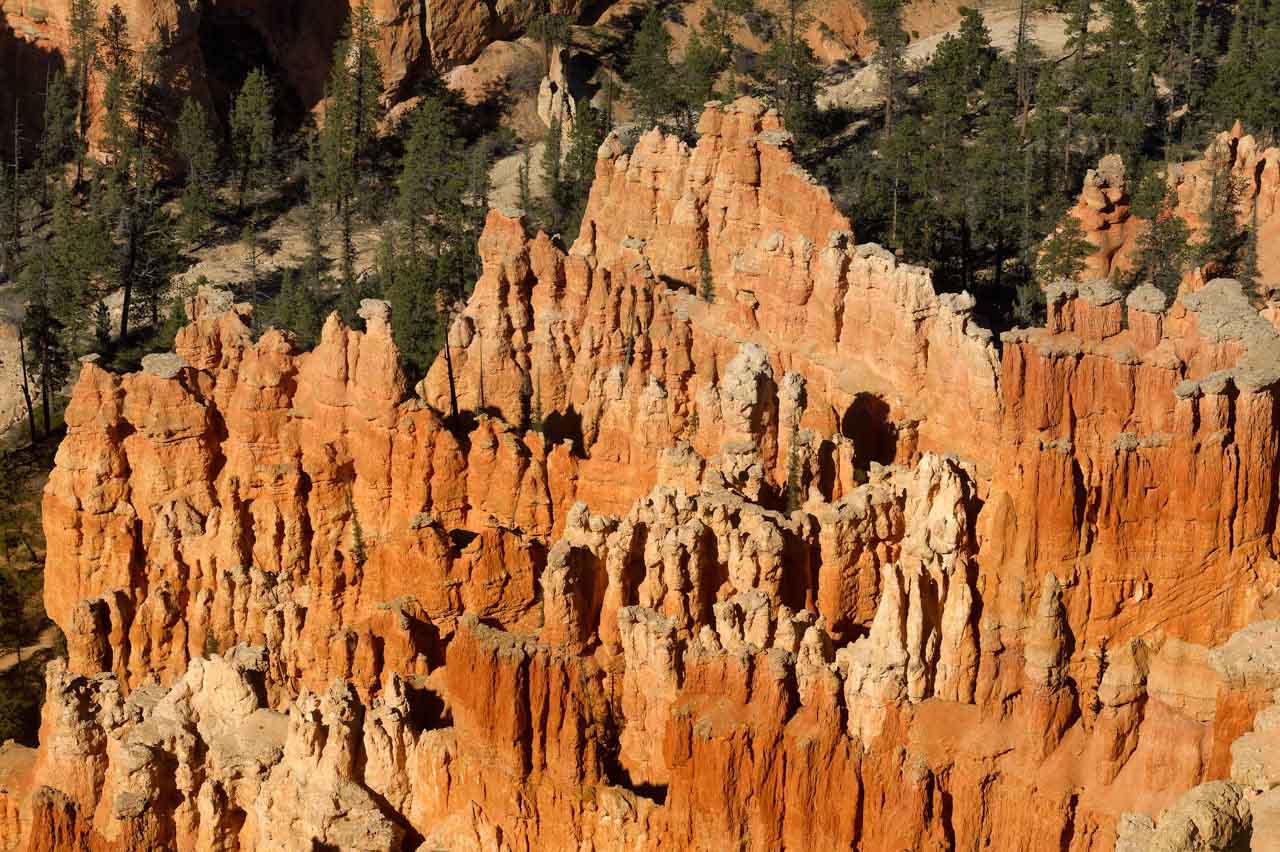
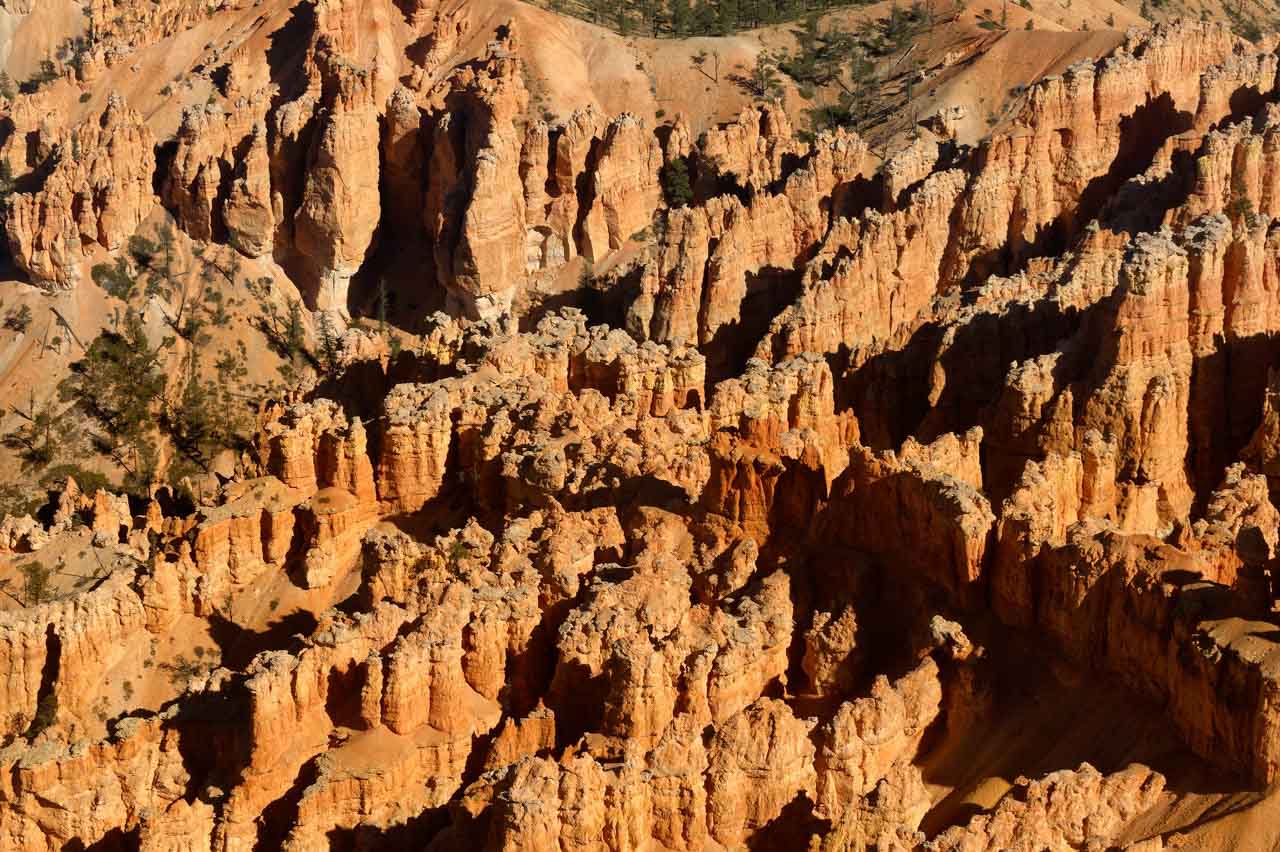
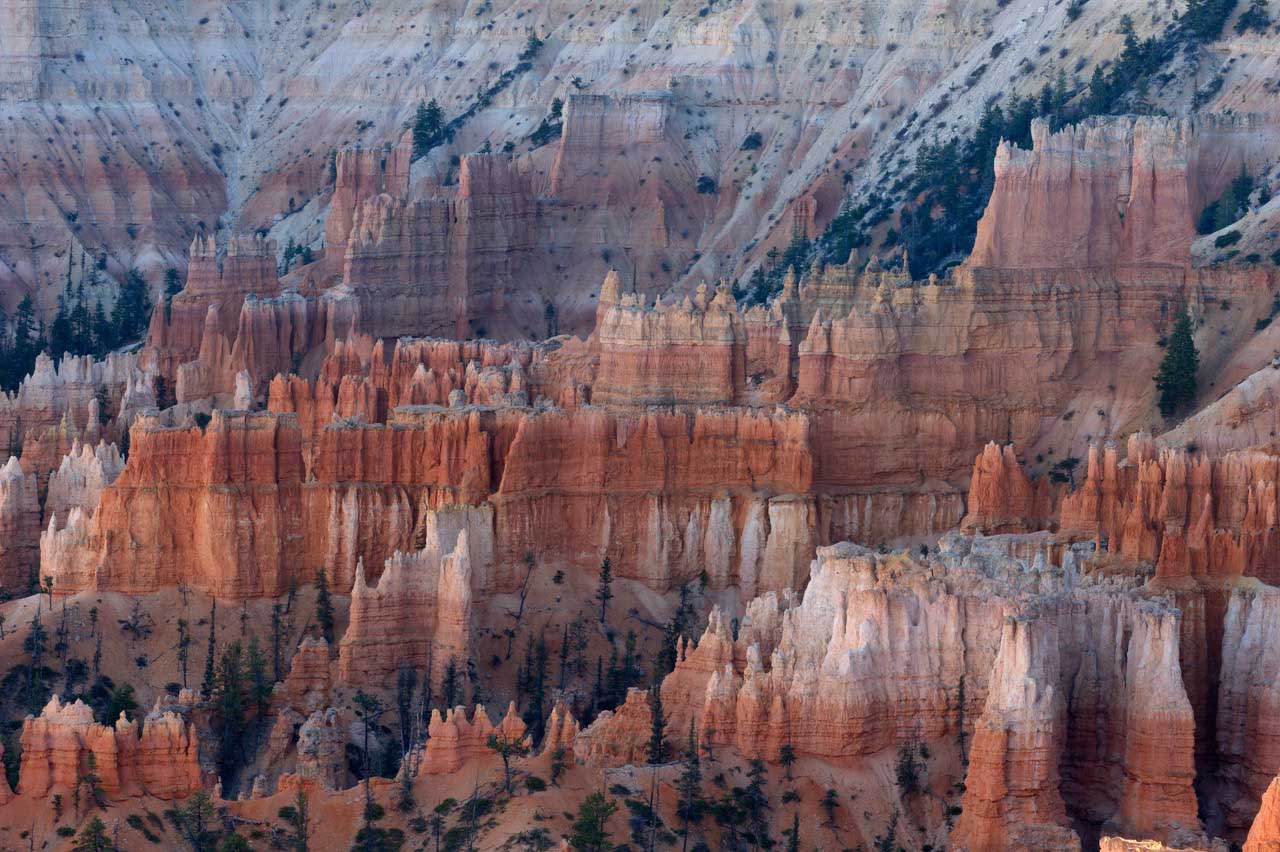
Bryce Canyon is a very small area in the state of Utah. It is a park of 145 km2. But it is certainly one of the most incredible and one of the most exceptional for landscape photographers.

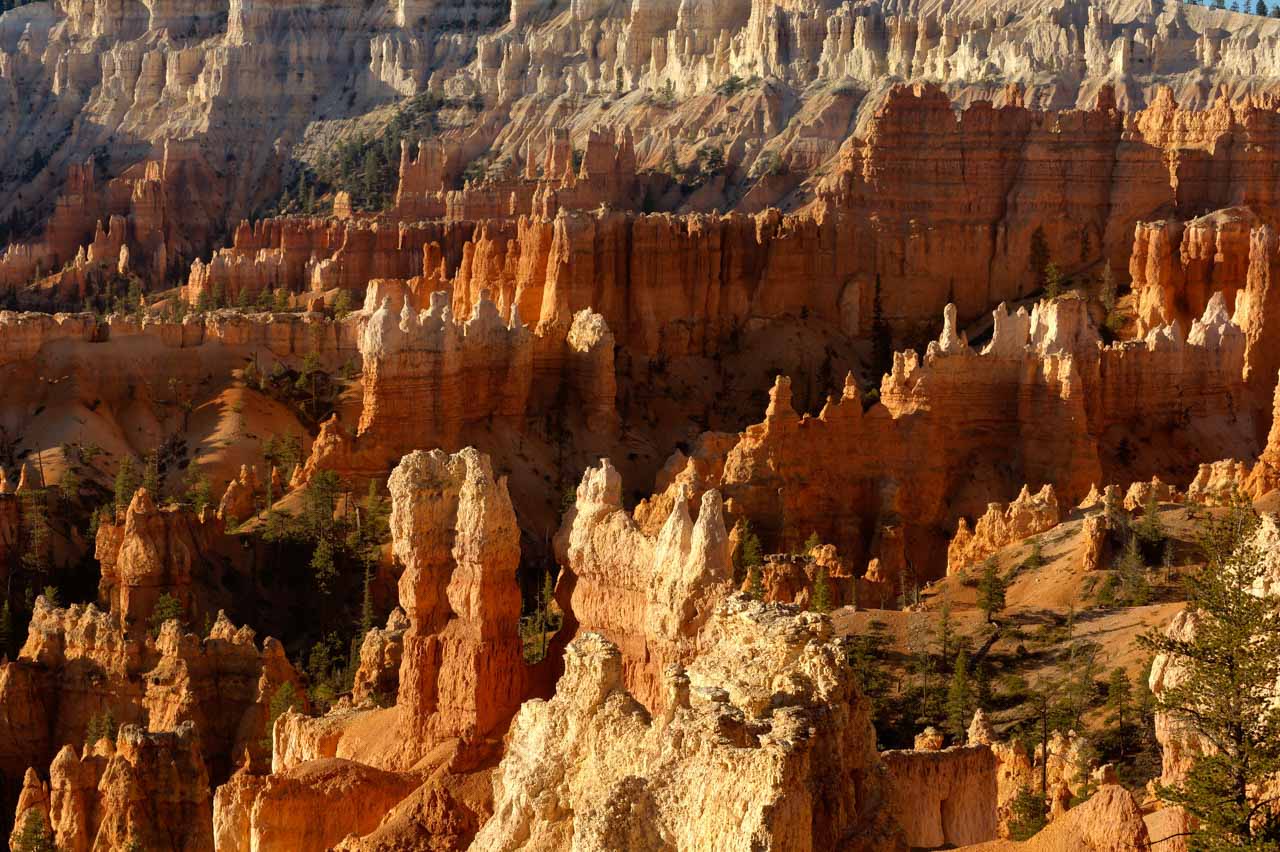
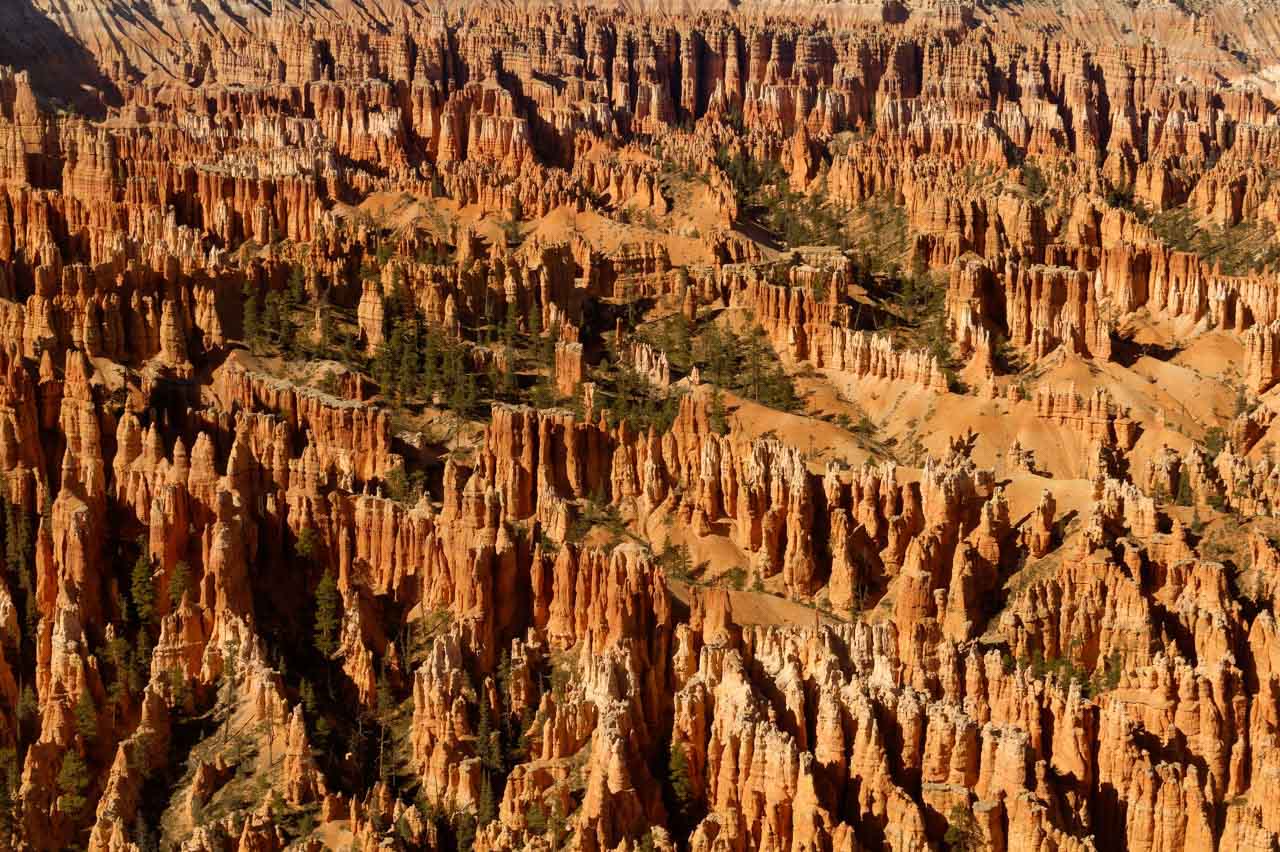
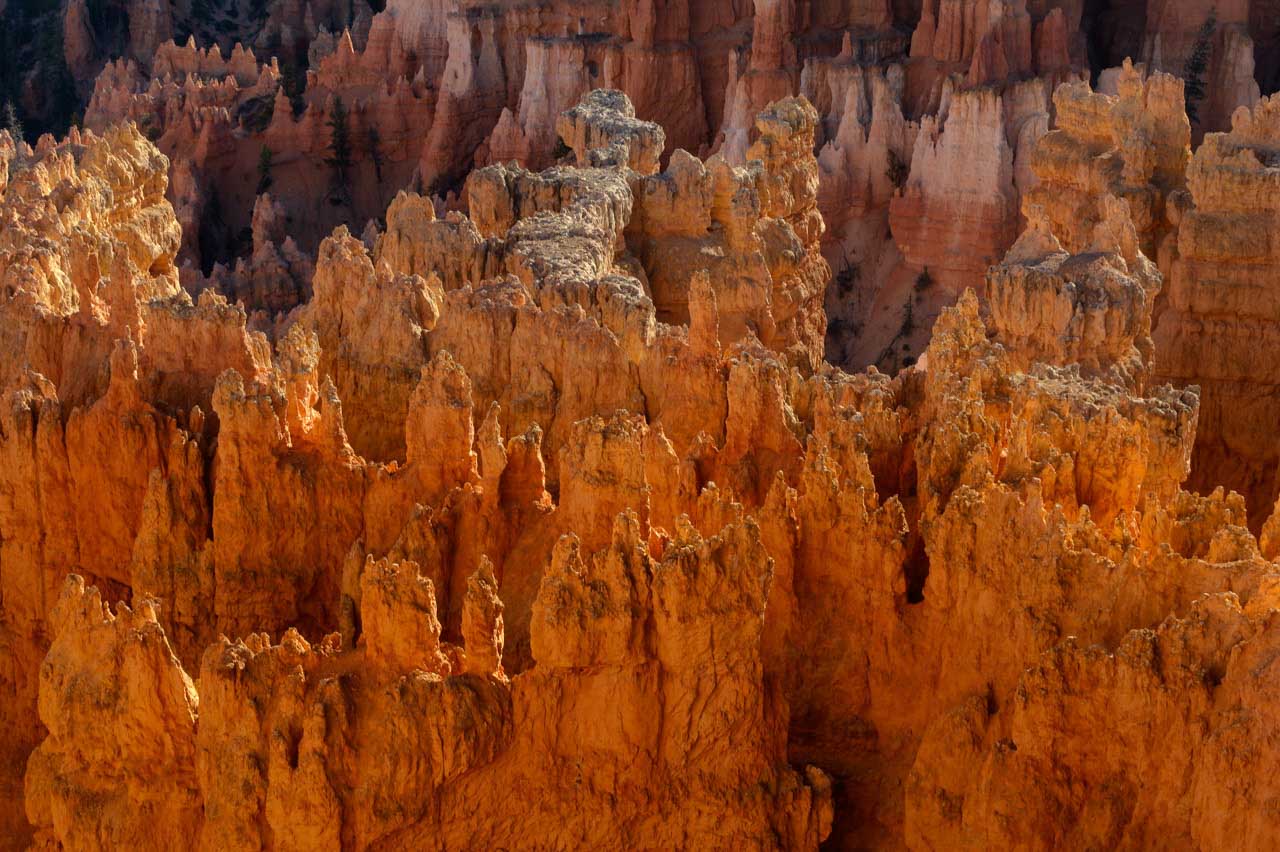
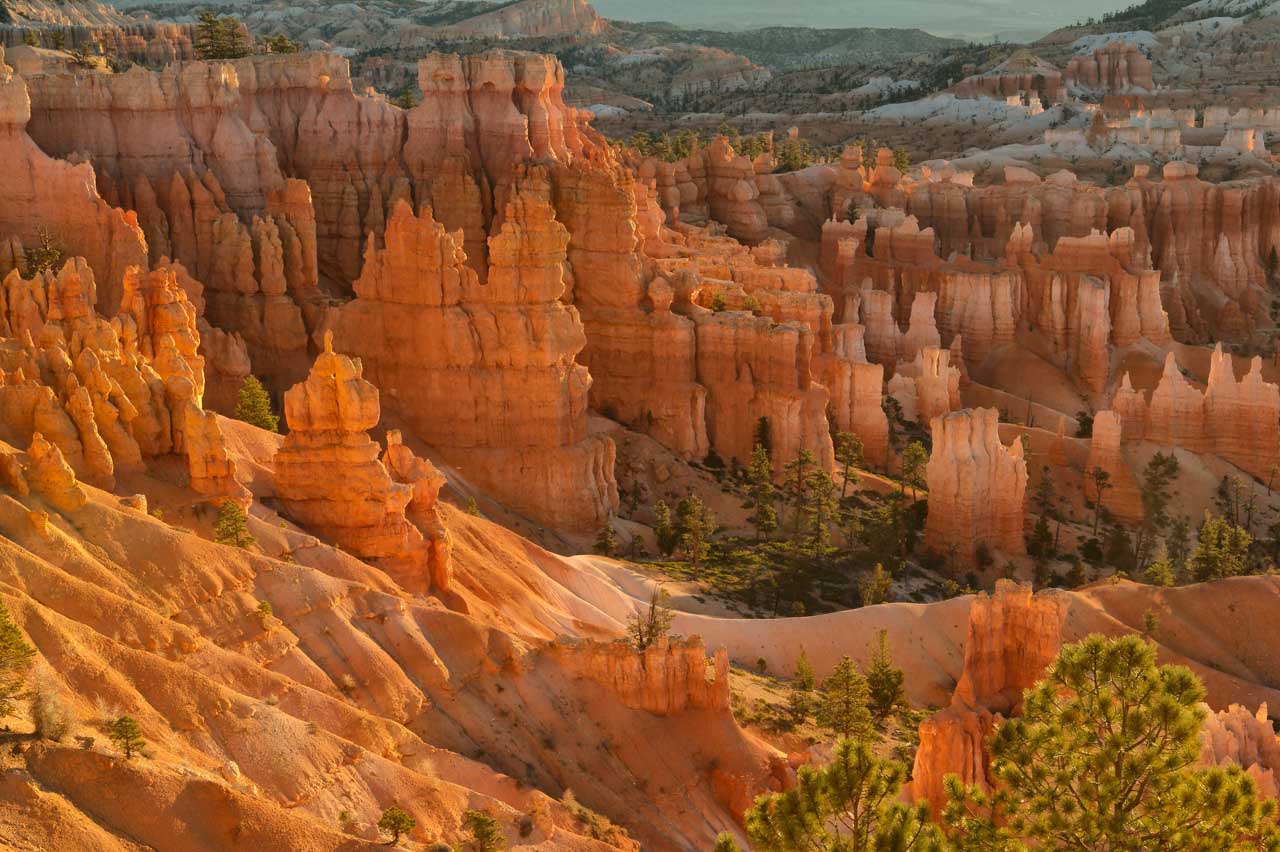
We can photograph there unique geological formations in the world called hoodoos whose height can vary from 2 to over 50 meters. Several formations have names like “Thor's Hammer” or “Queen Victoria”.

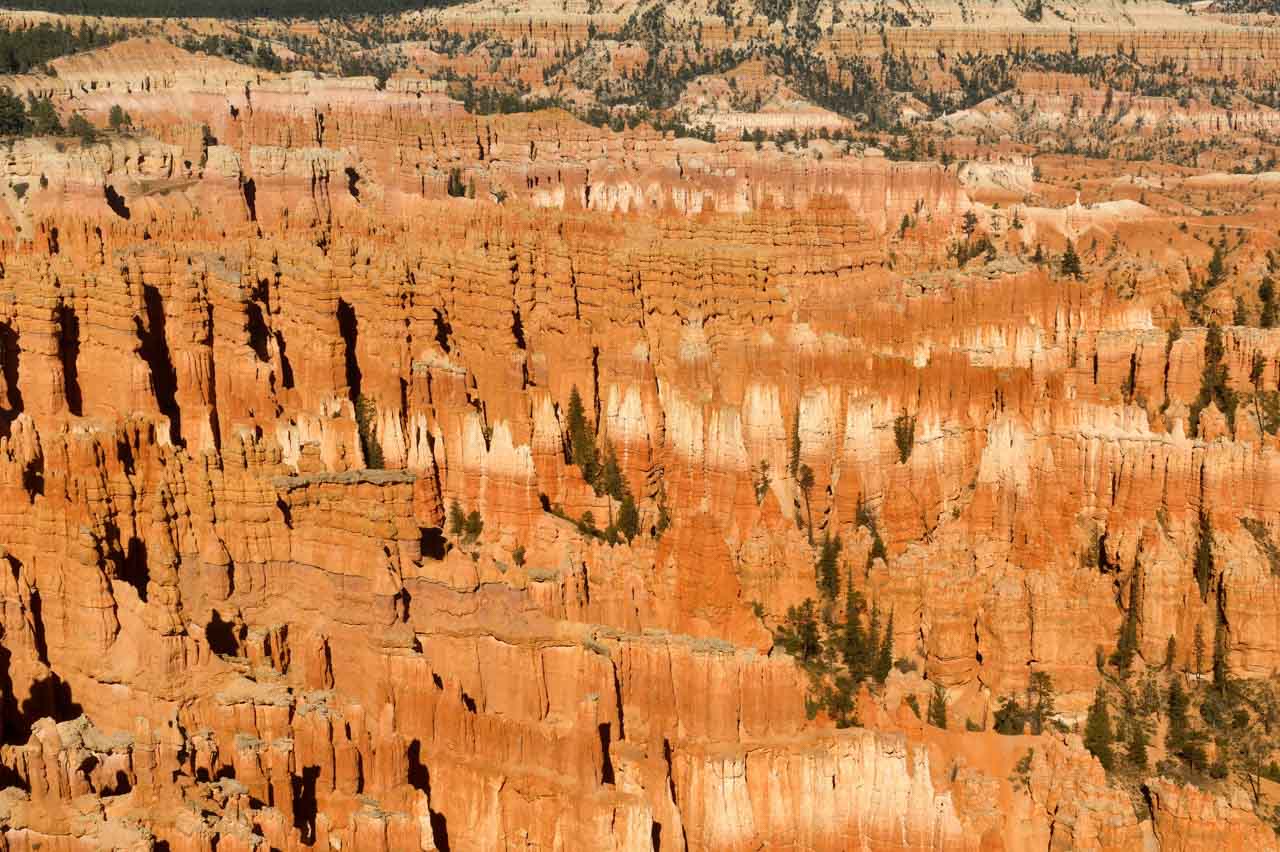
Bryce Canyon park is organized as amphitheaters. This organization gives the impression that hundreds of soldiers are waiting for an order from a superior.

Photographing Bryce Canyon is for a photographer, a unique experience because it must succeed in realizing not only the scenery but also the shapes of hoodoos. A good photograph of Bryce Canyon must succeed in surprising the audience and make them escape into fantasy.

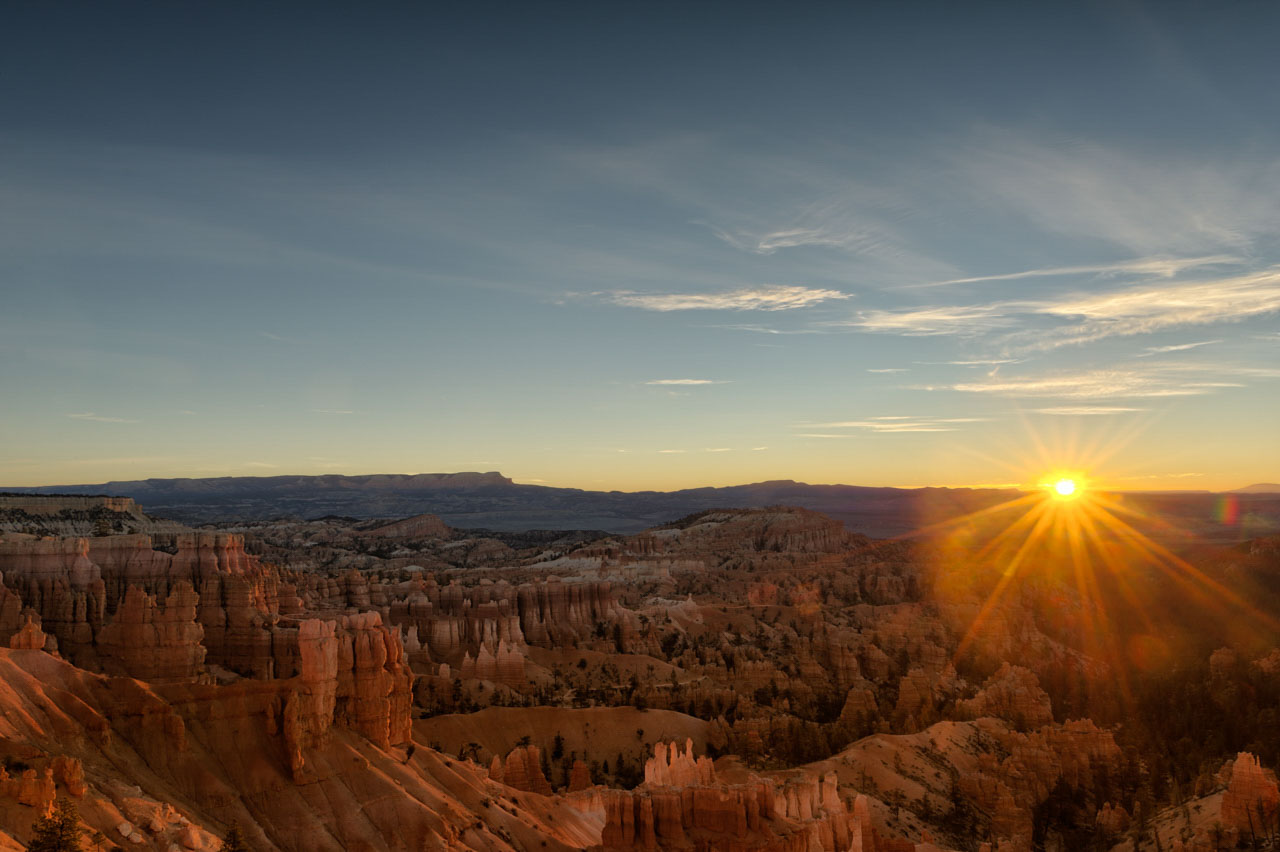
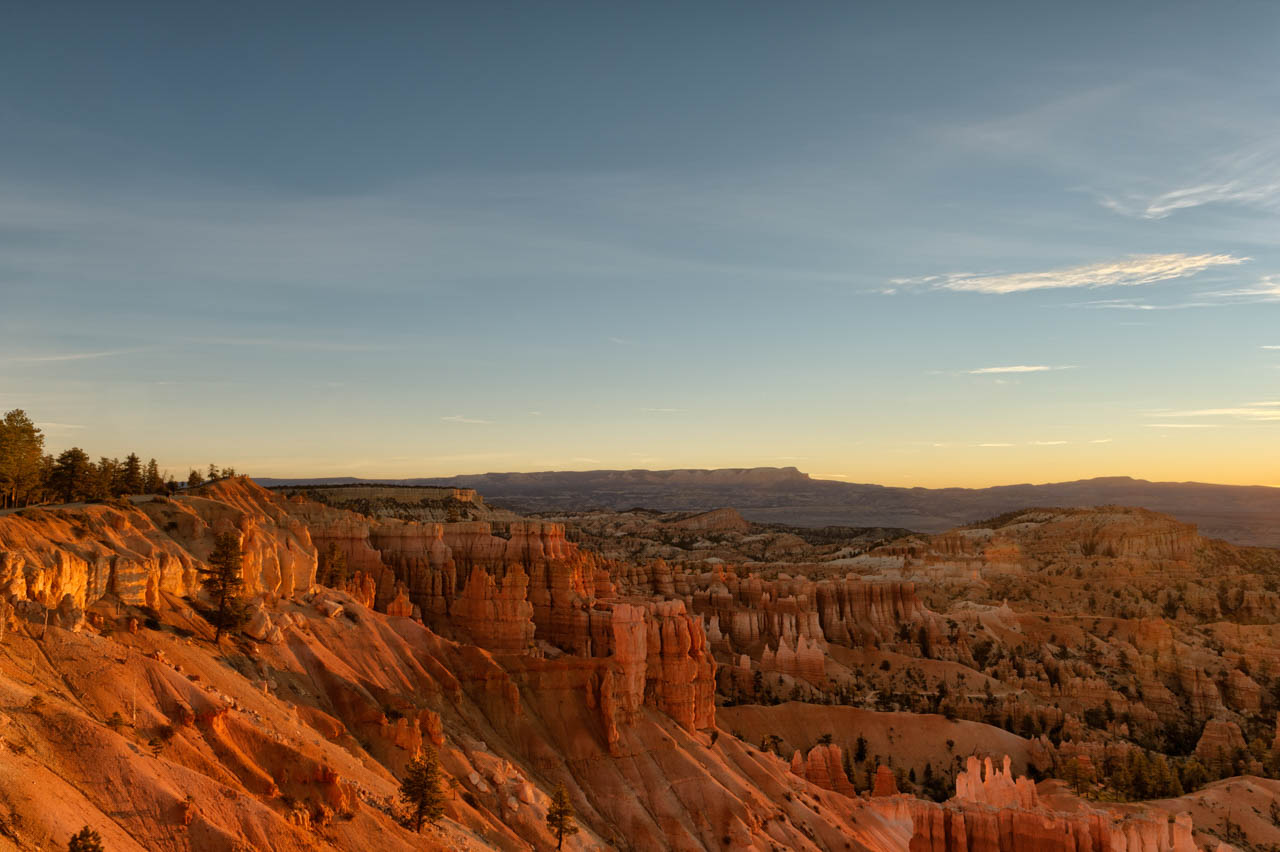
The best time of the day is undoubtedly early morning just before sunrise. The colors ocher and orange due to magnesium which are formed hoodoos give unreal dimension to the atmosphere.

Bryce Canyon is not very popular and many photographers miss it when they travel from the Grand Canyon to Zion. Therefore, it is one of the best places that we know for mineral landscape photography.

Click on a thumbnail to enlarge it.

Landscapes of Bryce Canyon in the state of 'Utah. Photographs by Amar Guillen.

3 Techniques For Photographing Red Deer Bugling

Red deer bellowing: a sight worth photographing

Red deer are certainly some of the most beautiful European animals for photographers to capture. This is especially true in the autumn, when the bucks are looking for mates and bellowing. A picture of a buck calling for a doe is truly worth getting. While a lot of people have heard the deer bellowing in forests, actually finding them and taking a good picture is difficult in the wild. There are several different techniques that can be used. They all require some practice and skill, but they often pay off.
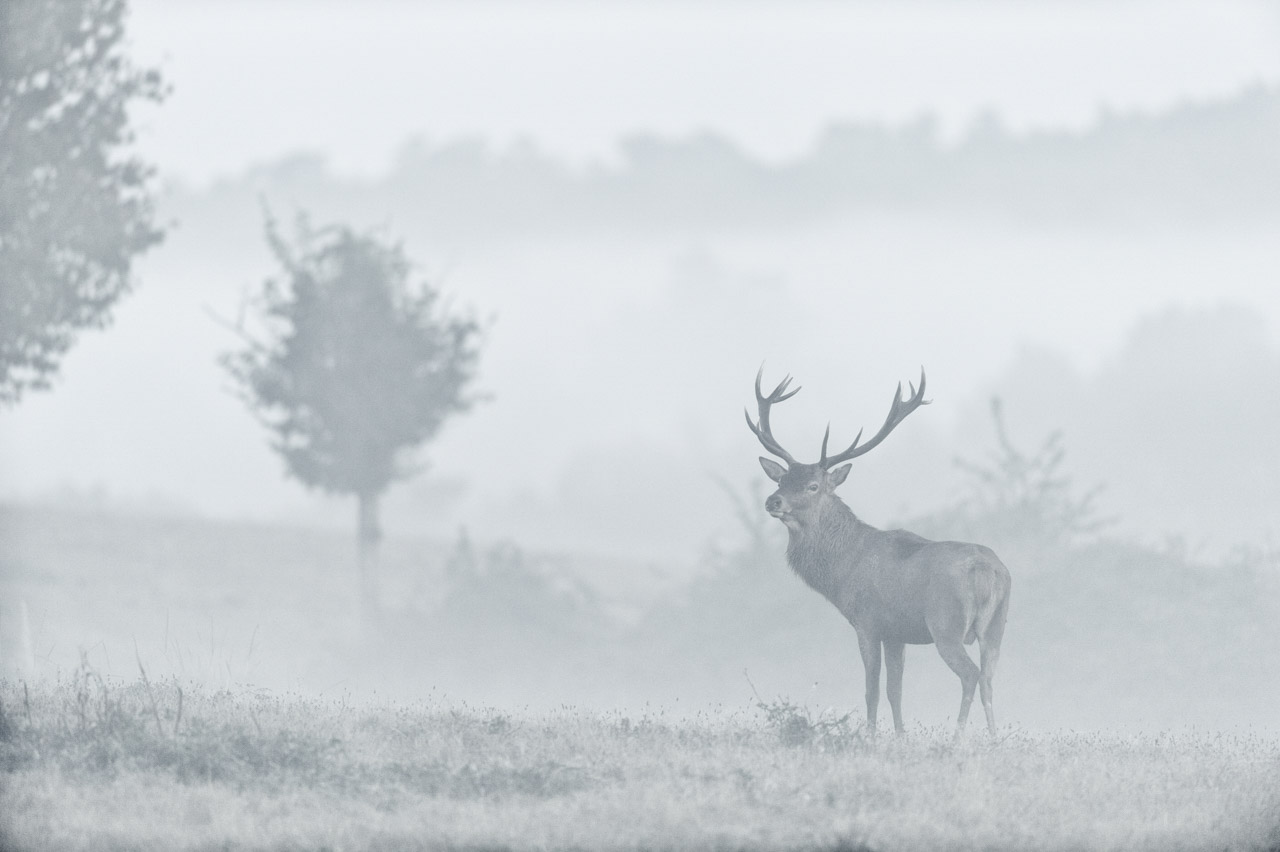
A red deer photographed in the mist from a natural blind in a forest.

Table of Contents

    Page 1

  • The first technique: photo-walking
  • The final approach: a tiring but rewarding technique
  • Photography from a blind: more relaxing, but sometimes tricky
  • Knowledge of his field, knowledge of animals’ behavior, and patience are the photographer’s best assets

The first technique: photo-walking

The first technique used to photograph deer is called photo-walking. In this case, the photographer does not have a particular strategy. He goes into the woods in search of whatever subjects he can find, and takes pictures of all those that he finds interesting. I use this technique with a lightweight 300 mm lens. Longer, heavier lenses are difficult to use for hand-held photographs, and carrying a tripod during a photo-walk is cumbersome. Usually, by the time the tripod is set up, the animal I was trying to photograph is already gone.

When we use this technique to look for red deer, we move as silently as possible, whether on roads or in the forest. In the autumn, the dry leaves make it hard to be quiet. They crunch underfoot, creating what we call ‘the chips effect’, since it sounds like someone is out in the woods eating potato chips. The deer have excellent hearing, and they hear us before we see them, which makes it hard to take pictures of them.

Photo-walking has one major drawback. The animals are disturbed and worried by the presence of humans. To them, we are predators and represent a danger. When a doe has fawns or a sow has piglets, the presence of a photographer always creates a stressful situation for the animals because they think they have to get their young away from us. Photo-walking should always be done carefully and quietly, acting in a way that will not frighten the animals.

The best time for photo-walking is when it has rained and the leaves and roads are wet. The sound of our footsteps is dampened, and it is easy to move quietly.
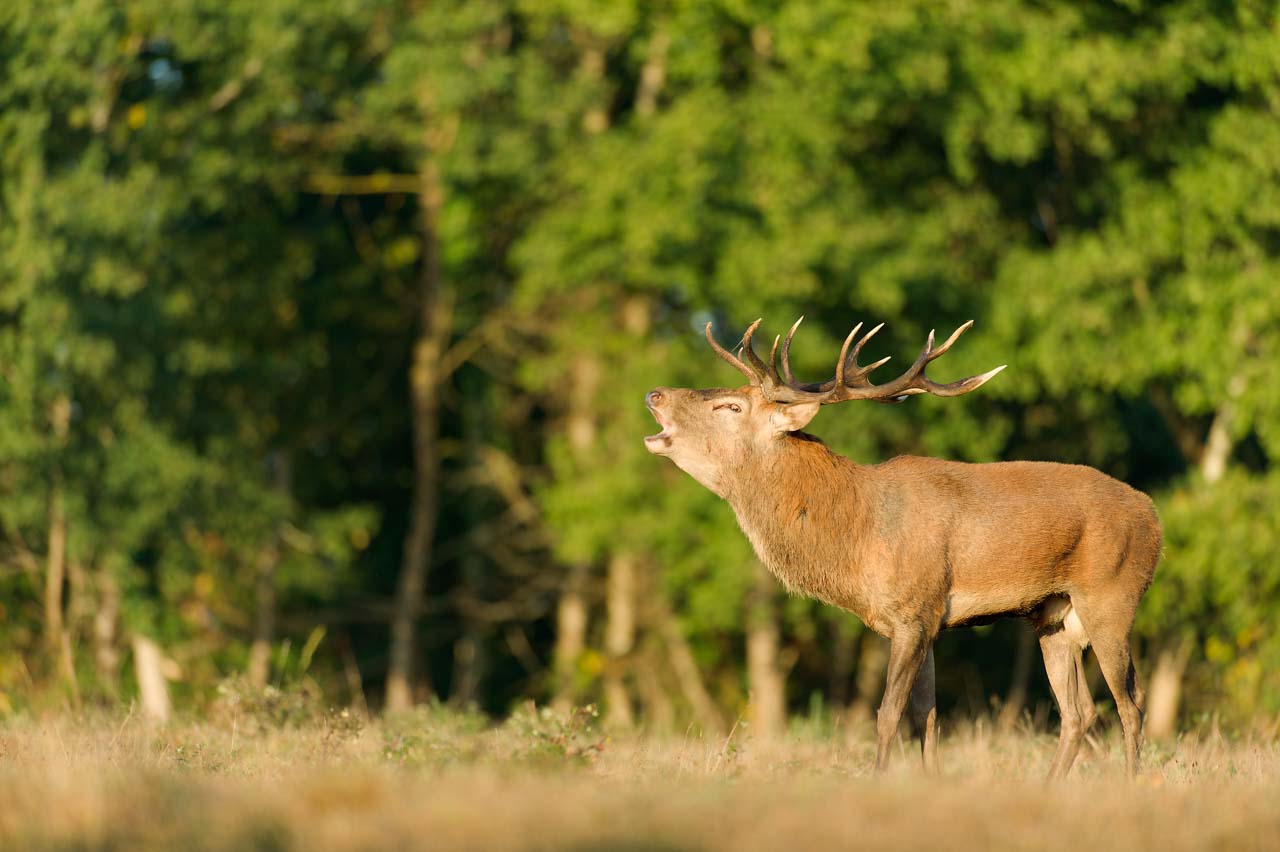
A red deer photographed in the mist from a natural blind in a forest.
A deer bugling being photographed in a meadow at the bend of a wood during a photo-walking.

The final approach: a tiring but rewarding technique

The final approach technique is a way to sneak closer to an animal that we have spotted, especially if it is too far away for us to take a good photo. In order to do this, we keep as low as we can, whether that means walking bent over or crawling on all fours. For this method to work, we have to be upwind of the animals. Having the sun in a good position is a bonus.

A good final approach requires a lot of training. The photographer must be invisible and very quiet, because the slightest sound will alert the animal, and it will immediately run away. When an animal has been spotted from far away, this is the way to approach it or move until it is in the right place in the composition. We frequently use this technique to photograph wild pigs, because their vision is fairly poor, and we can come within a few yards of them. The final approach works in either the forest or a meadow.

The main problem with this type of approach is that it can be hard to see when the animal is in the right place. It is important to stop in the right place, because once the tripod is set up, the photographer will only have the opportunity to snap a few pictures before the animal hears the camera and runs away.

Even though it is physically difficult, the final approach is the best technique for creating good compositions because the photographer chooses the position of the animal in the photograph.

When photographing red deer, the final approach is a technique we use a lot. In the absence of a doe, solitary bucks are often so engrossed in their bellowing that they do not notice a photographer approaching from ground level.
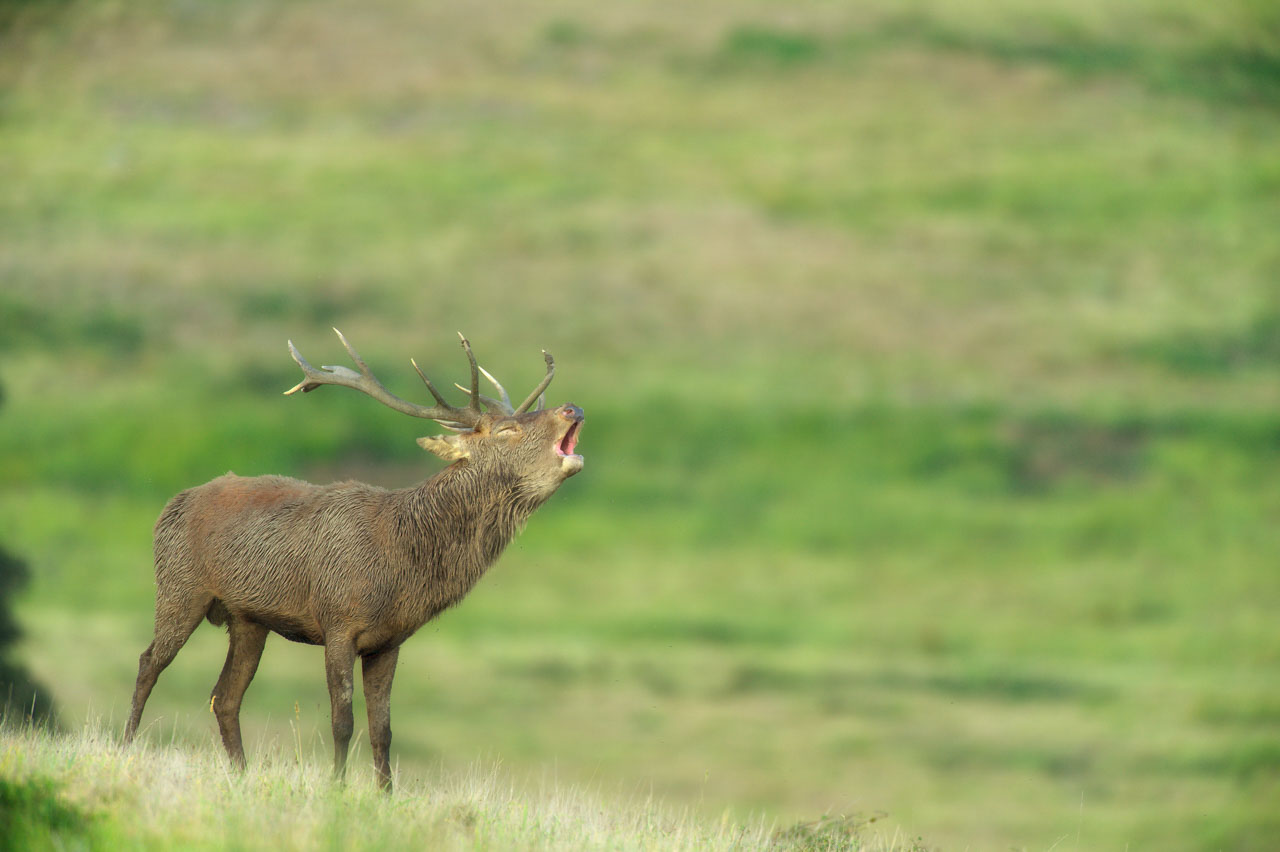
A red deer photographed in the mist from a natural blind in a forest.
A red deer photographed during the rut after a final approach in a meadow.

Photography from a blind: more relaxing, but sometimes tricky

The third technique used to photograph red deer is to photograph them from a blind. The photographer selects a place where deer frequently walk. It should have a nice background and good lighting. The blind should be placed carefully, where the photographers have a good view of the path, and where the deer will not notice it. It should also be very comfortable, because we often spend hours waiting for the animals to come.

The blind should make the photographer invisible to the animals. They are concerned enough by the noise from the camera and the light reflecting off of the lens without seeing people there. This is the most important thing. The animals must not be able to detect our presence. There are many possibilities for constructing a good blind, ranging from a man-made dome blind to a natural blind made from branches and leaves.

Hiding in a blind is not as tiring as photo-walking or a final approach because the animal comes to the photographer, instead of vice versa. However, the photographer must be very patient. We love photographing from a blind because it is a good way to enjoy the beauty of our surroundings, and we have time to sit and think. It is often in these moments of communion with our environment that we have come up with our best ideas.

The major drawback of using a blind is that the photographer does not choose the distance between the lens and the subject. The animal is the one who moves and decides where to stop. Sometimes we have been very frustrated because the animal was a little too close or too far away. However, with experience, we have learned to position ourselves where the animals will be in the right place. By looking at the tracks and other sign left on the ground, we can often figure out fairly reliably where the animal will stand.

A blind can also be used after a few final approaches or photo-walks. It is a nice way to rest for a couple of hours after a long walk.

Knowledge of his field, knowledge of animals’ behavior, and patience are the photographer’s best assets

These three techniques, photo-walking, final approach, and photography from a blind are work well for taking pictures of bellowing deer. They require training, and they have their advantages and disadvantages, but they are very useful.

A good photographer must never forget that knowledge of his field, knowledge of the animals’ behavior, and patience are his main assets. European wildlife photography is a complex and difficult field, but patience is always rewarded.
  1. The blind: an excellent method to photograph red deer
  2. Diving on Oil Platforms in the Gulf of Mexico off Texas, USA
  3. Close up photographs of marine life in the Gulf of Mexico off Texas, USA
  4. The Common Kingfisher or the Photo Quest for the Blue Arrow

Page 146 of 201

  • 141
  • 142
  • 143
  • 144
  • 145
  • 146
  • 147
  • 148
  • 149
  • 150
  1. You are here:  
  2. Home
  3. Blog Photographic Approach

Share on Social Media

Post
Share
Share
E-mail
WhatsApp
Text

Join Me on Social Networks

Join Me on Facebook  Join Me on Instagram  Join Me on LinkedIn

Claim your free guide to make your photo impactful and meaningful

Claim Your Free Guide '50 Pages of Tips to Give Impact and Meaning to Your Photos'.

4 + 8 =

Click Here To Discover All My Chronicles About the Photographic Approach.

Treat Yourself to a Fine Art Print That Matches your Personality

Example of a vacation home interior with a black and white fine photo art displayed on the wall.

Fine Art Print Collections in Black and White

Fine Art Print Collections in Black and White Black and white photography is a suitable technique for many nature scenes. It requires a particular frame of mind. A black and white photograph should be prepared and planned from the framing to the…
11991
Fine Art Print Collections in Black and White
An abstract art photo displayed in a contemporary living room decor.

Fine Art Print Collections in Color

Collections of Fine Art Prints in Color Color photographs allow digressions and take the audience to the message by secondary ways. The world around us, especially nature, is colorful. A color image can show the way our surroundings really are. Of course, it…
10440
Fine Art Print Collections in Color
Example of a home interior with fine art prints in my style back to black displayed on the wall. These photos are a part of my collection 'Wild beauties of Kenya'.

Fine Art Print Collections in Back to Black

Fine Art Print Collections in Back to Black I want to share my fine art prints of nature in a personal style that I call "back to black." "Back to Black" was developed to embody a sharp and clean style for artistic photos that can be hung in your living room,…
9980
Fine Art Print Collections in Back to Black
A waiting room with a photo in the style Fusion displayed on the wall. Grey Heron in Fusion.

Fine Art Print Collections with the Fusion Style

Fine Art Print Collections with the Fusion Style I would like to share a very creative and modern photography style to represent Nature in a very different way. I call it "Fusion." I created the style to offer dynamic photos, allowing you to start a good day…
7908
Fine Art Print Collections with the Fusion Style
A living room with a photo in the style 'Impression' exposed on the wall. Rising sun in impression

Fine Art Print Collections with the ‘Impression’ Style

Fine Art Print Collections with the ‘Impression’ Style The objective of this photographic style is to create the ephemeral blurs. That's why I named it 'Impression.' Photography, as an art form, is a powerful means of expressing reality from different…
5827
Fine Art Print Collections with the ‘Impression’ Style
Fine art prints from the style back to black displayed on a wall. Amar Guillen, photographer artist

New Collections of Fine Art Prints Dedicated to the Wonders of Nature

New and Updated Fine Art Print Collections Dedicated to the Wonders of Nature Fine art prints from the style back to black displayed on a wall.
11446
New Collections of Fine Art Prints Dedicated to the Wonders of Nature

Themes of the Blog Articles

Landscape of Arches National Park in Utah in black and white.

Blog Articles Dedicated to Artist Statement

Blog Articles Dedicated to Artist Statement
Dunes of death Valley in Black and White

Blog Articles Dedicated to Black and White Photography

Blog Articles Dedicated to Black and White Photography
Abstract photo or trees reflection on water

Blog Articles Dedicated to Photographic Mindset

Blog Articles Dedicated to Photographic Mindset
Abstract photo of ridles on water

Blog Articles Dedicated to Artistic Photography

Blog Articles Dedicated to Artistic Photography
Abstract photo of Yellowstone

Blog Articles Dedicated to Photographic Language

Blog Articles Dedicated to Photographic Language
Pronghorn in Yellowstone

Blog Articles Dedicated to Wildlife Photography

Blog Articles Dedicated to Wildlife Photography
Landscape of Bryce Canyon

Blog Articles Dedicated to Photographing United States

Blog Articles Dedicated to Photographing United States
Underwater waves in the Red Sea

Blog Articles Dedicated to Photographic Techniques

Blog Articles Dedicated to Photographic Techniques
Tree of Black Canyon in Black and White

Blog Articles Dedicated to Landscape Photography

Blog Articles Dedicated to Landscape Photography
Manta Ray in Maldives in Black and White

Blog Articles Dedicated to Underwater Photography

Blog Articles Dedicated to Underwater Photography
Red Deer stag during the rut of the deer

Blog Articles Dedicated to Photographic Judgement

Blog Articles Dedicated to Photographic Judgement
Great Crested Greb and his chick

Unclassified Blog Articles

Unclassified Blog Articles

You Might Be Interested By One of These Photographic Approach Articles

Photograph in black and white of the Grand Canyon from Arizona State in USA.

Why and How Mastering the Steps of Creating an Art Photograph

3603
Why and How Mastering the Steps of Creating an Art Photograph
An example of a narrative photo. Landscape of Island in the Sky in the Canyonlands in Utah in United States. Photo in black and white by Amar Guillen.

Why and How: Creating Impactful Narrative Photos

4118
Why and How: Creating Impactful Narrative Photos
Snowy landscape of Yellowstone during winter.

3 Steps for Giving Meaning to Your Photos

8750
3 Steps for Giving Meaning to Your Photos
Two lions in Kenya. Photographed in black and white. Photograph by Amar Guillen, photographer artist.

To Create Aesthetics Photos, Print your Images

4238
To Create Aesthetics Photos, Print your Images

Receive Free Tips On How to Give Impact and Meaning to Your Photos. Subscribe to Receive Regular Articles.

2 + 7 =

Contact Me By Email

10 + 9 =
This site is protected by reCAPTCHA and the Google Privacy Policy and Terms of Service apply.

About Amar Guillen, Creator of Fine Art Prints of Nature
As a photographer capturing the artistic essence for several decades, I have mastered the art of crafting an authentic experience for art enthusiasts and collectors of visual art.
When I observe my surroundings, be it friends, family, relationships, or professional contacts, I see souls in perpetual motion. Every moment of their existence is engulfed by daily hassles, work concerns, social media, online or televised information streams, and videos on the web.
Every minute, they strive to accomplish something, fearing losing ground and feeling marginalized in this frenzied society. Imprisoned by an oppressive schedule, the essential eludes them, drowned in the tumult of daily life. Is it really crucial to watch yet another cat video on the internet? Is it necessary to post twenty daily messages on social media?
Despite this, they remain constantly stressed and anxious about the challenges of the world, without being able to influence these monumental problems. It is at this moment that my artistic nature photographs come into play. Those who have had the privilege of hanging one of my works in their personal or professional space have expressed a radical transformation in their lives.
Every day, contemplating these works of art immerses them in tranquility, inner peace, and rediscovered serenity. They then understand that nature has the power to unravel tensions, to encourage reflection on the essential. Artistic photographs thus become open windows to the wonders of nature.
I have chosen to share the best of myself by helping others discover their identity, personality, style, all while reconnecting with nature. Take the time to explore my artistic photographs if you wish to reveal your true essence. Once hung in your space, your view of the world will be transformed.
Amar Guillen is a creator of fine art prints of nature.
I am Amar Guillen, creator of nature art photographs. I have a deep conviction that contemplating nature has the power to transform human beings. If everyone learned to know, respect, and preserve nature, our world would be transformed into a haven of peace where everyone would find their place.
Copyright © 2003 - 2026 Guillen Photo LLC - All rights reserved. Amar Guillen, professional photographer since 2003.
  • Blog
  • Calibration
  • Legal Information
  • Sitemap
  • Accessibility
  • Contact Me
  • Updates of the Website
I Want to Help You to Create Interesting Photos

How Can I Help You To Create More Interesting Photos?

Ask Me a Technical Question.
Subscribe to my Newsletter. The Inspiration Behind Guillen Photo.

Select your language

  • English (United Kingdom)
  • Français (France)
Claim your free guide to make your photo impactful and meaningful

Claim Your Free Guide '50 Pages of Tips to Give Impact and Meaning to Your Photos'.

9 + 5 =

Contact Me By Email

1 + 9 =

Office Address:
3512 Robin Road
Plano Texas 75075
USA

Office phone: (+1)214-769-6825