• The Art of ChoosingHome page
  • Fine Art Prints3 Editions
  • CollectionsAll Collections
  • AboutAmar Guillen
  • Customer Space & Contact
  • Select your language

    • English (United Kingdom)
    • Français (France)
  • All You Need to Select Your Fine Art Print
    • How to Choose a Fine Art Print - Q&A - FAQ
    • New Creations
    • Explore Some Interiors
    • Fine Art Print Blog
  • Browse by Edition
    • All Fine Art Prints
    • Unique Edition
    • Limited Edition
    • Open Edition
  • Browse by Style
    • Black and White
    • Color
    • Fusion
    • Impression
    • Back to Black
    • Landscapes in Black and White
    • Landscapes in Color
    • Animals in Black and White
    • Animals in Color
  • Browse by Theme
    • Landscape
    • Wildlife
    • Underwater
    • Abstract
    • Symbolic
    • Landscapes of the United States
    • Landscapes of France
    • Landscapes of Scotland
    • Seascapes
    • Relaxing
    • Energizing
    • Playful
  • Browse by Format
    • Rectangular
    • Square
    • Panoramic
  • Contact Me
    • Contact Me by Email or Phone
  • Collections
    • New Collections
    • All Collections
  • Browse by Theme
    • Landscapes
    • Wildlife
    • Underwater
    • Abstract
    • Symbolic
    • Landscapes of France
    • Landscapes of the United States
  • Browse by Style
    • Black and White
    • Color
    • Impression
    • Back to Black
    • Fusion
  • Contact Me
    • Contact Me by Email or Phone
  • Discover More About Me
    • Discover Who is Amar Guillen
    • Artistic and Photographic Statement
  • Galleries
    • Photo Galleries
    • Abstract Portfolio in Color
    • Black and White Landscape Photography Portfolio
    • Color Landscape Photography Portfolio
    • Black and White Wildlife Photography Portfolio
    • Color Wildlife Photography Portfolio
    • Underwater Photography Portfolio
  • Contact Me
    • Contact Me by Email or Phone
  • Your Customer Space
    • Create or Manage your Account
    • Your Download Space
    • Your Orders
  • Contact Me
    • Contact Me by Email or Phone

You are in that section: Home > Blog > Blog of the Photographic Creation Approach

Examples of Photographic Stories with a Single Photo
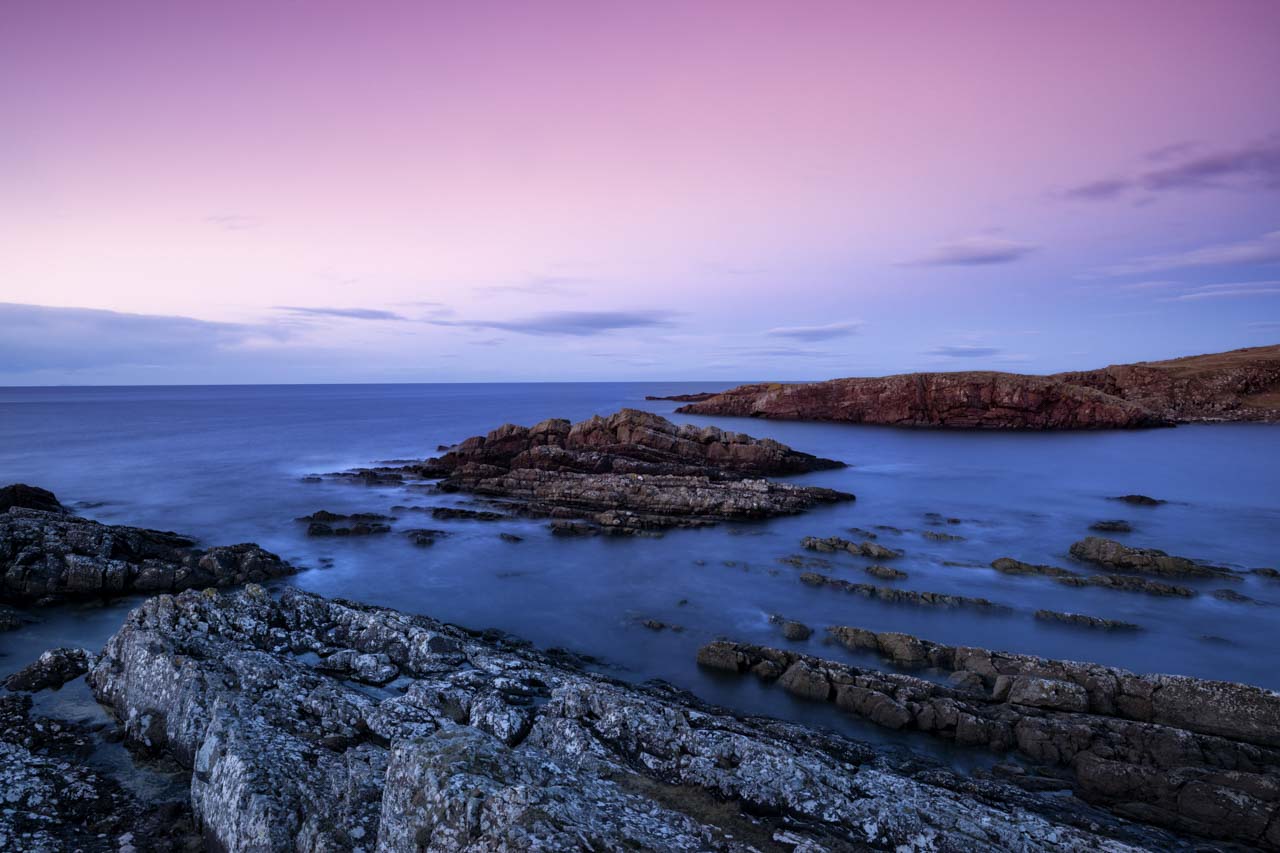
Seascape of the west coast of Scotland. Assynt.

A Landscape Photo: Castle Valley in Utah

Still on the topic of a single photo to tell a story, here's another example with a landscape photo.

I chose a photo of Castle Valley. It's an arid desert in the state of Utah in the USA. Few people know about it because it's not a national park or a national monument. Just a desert area with buttes and impressive monolithic formations.

I go there regularly because it's one of the places that best represents the American Southwest.

During one of my stays, I had a cloudy, dramatic, terrifying sky. I chose to show my personality through this mound. Despite the adversity and pitfalls of my life, I keep moving forward. I've created a solid foundation on which to build. It's the basis of mineral formation.
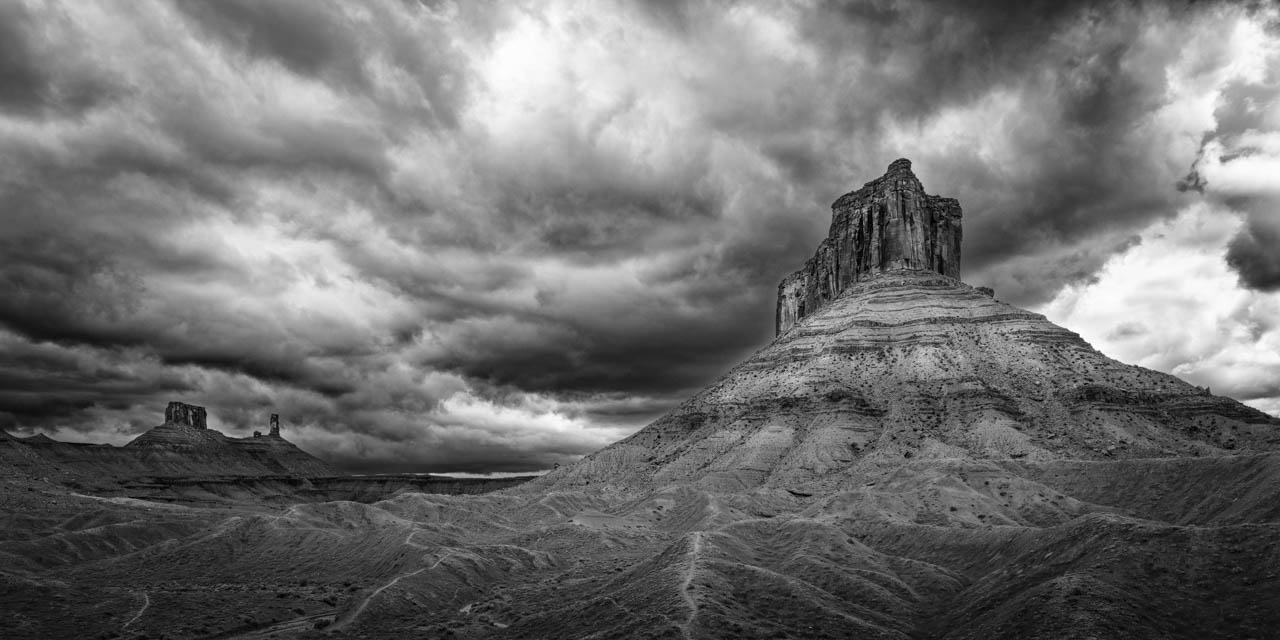
Black and white photo of Castle Valley in Utah.

The top always seeks to go further in knowledge to better share. The sky represents the obstacles and pitfalls I have to face. The guide is not apparent in the photo. The paths around the bat show the journeys I've made. On these roads, I have met many people who have accompanied and helped me.

Once again, this is a photo that appeals to the emotions. It's suggestive.

I could multiply the examples, but the aim of this blog is not to explore every possibility. Its purpose is to enlighten you, to give you avenues to explore, so that you in turn can find inspiration. I'm just a guide. The rest is up to you.

The universe of a story in a single photo is what we call the decor, the mood, the atmosphere, the negative space.

In photography, the photographic element that characterizes the universe is negative space. It's the case that will support and highlight your main subject, also known as the main photographic element.

The world of your photo must be identifiable by the viewer. A world can be luminous, gloomy, mysterious, bewitching, and so on.

The rendering of the universe is given by light. That's why you need to choose the right light.

In a world, you'll find reinforcing elements to help you understand the subject. Each element has its own photographic attributes.

You need to choose them carefully to make your photo credible.

The universe doesn't have to be real. For example, I create a lot of photos in black and white. And yet nature is colorful.

The important thing, as always, is to suggest something to the viewer. His mind and emotions will do the rest.

Never forget that even if photography is a means of expression, you're also creating photos for others.

When you choose a world, which we can call a setting, you can use photographic language such as lines, shapes, figures, colors, tones, tonality and so on. These are the elements that will set the mood.

A Wildlife Photo: a Red Deer Stag Bugling

Let's take the example of a photo. It's of a deer bellowing in the mist of an autumn morning.
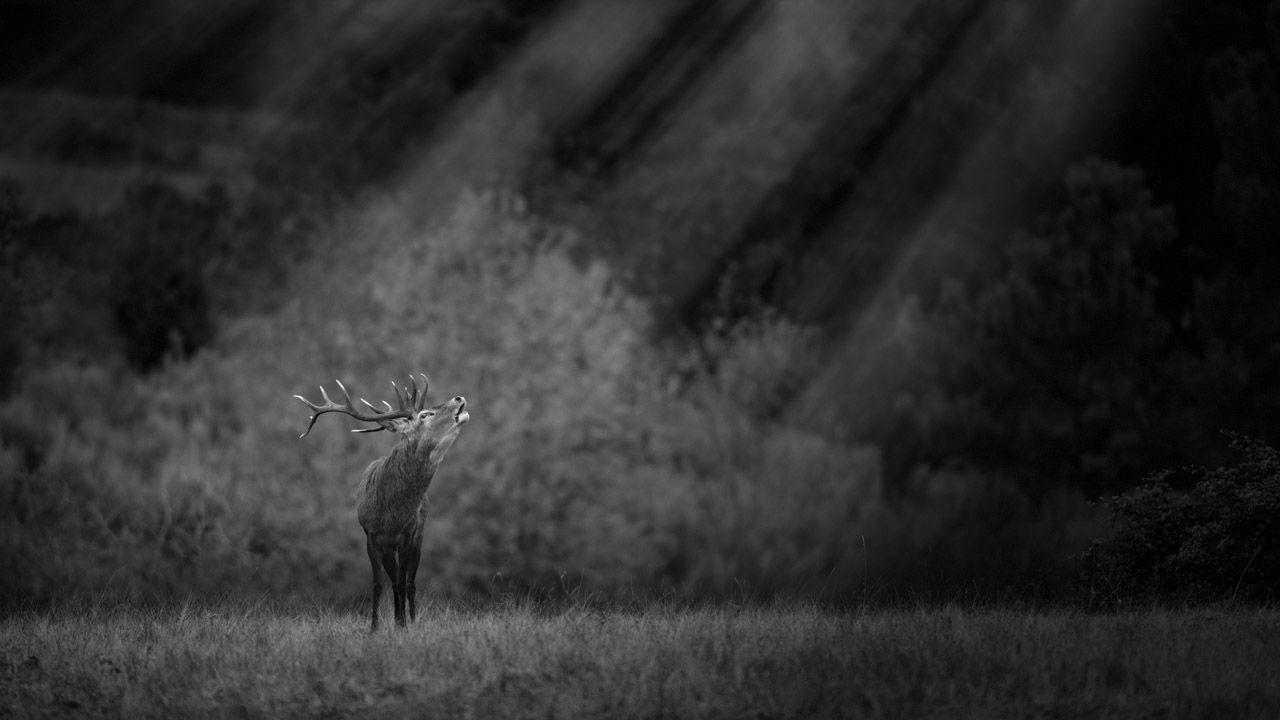
Black and white photo of a red deer stag bellowing in a meadow in Charente-Maritime in France.

The character is identifiable; it's the deer.

In this photo, I wanted to show grace, elegance, power, but above all solitude and the effects it can have on the human beings who experience it.

I chose a fairly low, grazing light. The tone of the photo is dark. The universe I've created is closed. It's hard to escape. It's solitude.

Now we need to analyze how to add an event.

Let me remind you that we're still in the business of telling a story with a single character.

The event is what allows the viewer to really get into the story, because it's the event that's going to push the main character into action.

With a single photo, creating an event means photographing an unusual phenomenon or action. In a wildlife photo, it might be a fight between 2 animals. It could be a tender scene between an adult and his offspring.

In a landscape scene, this might be a lone tree in the middle of a desert area.

Even if this event is not visible in the photo, it should suggest to the viewer that something has happened or is happening.

If you have several photos, it's easier, because the event will be palpable through the images.

Let me take a concrete example with a scene that, on the face of it, isn't designed to tell a story.
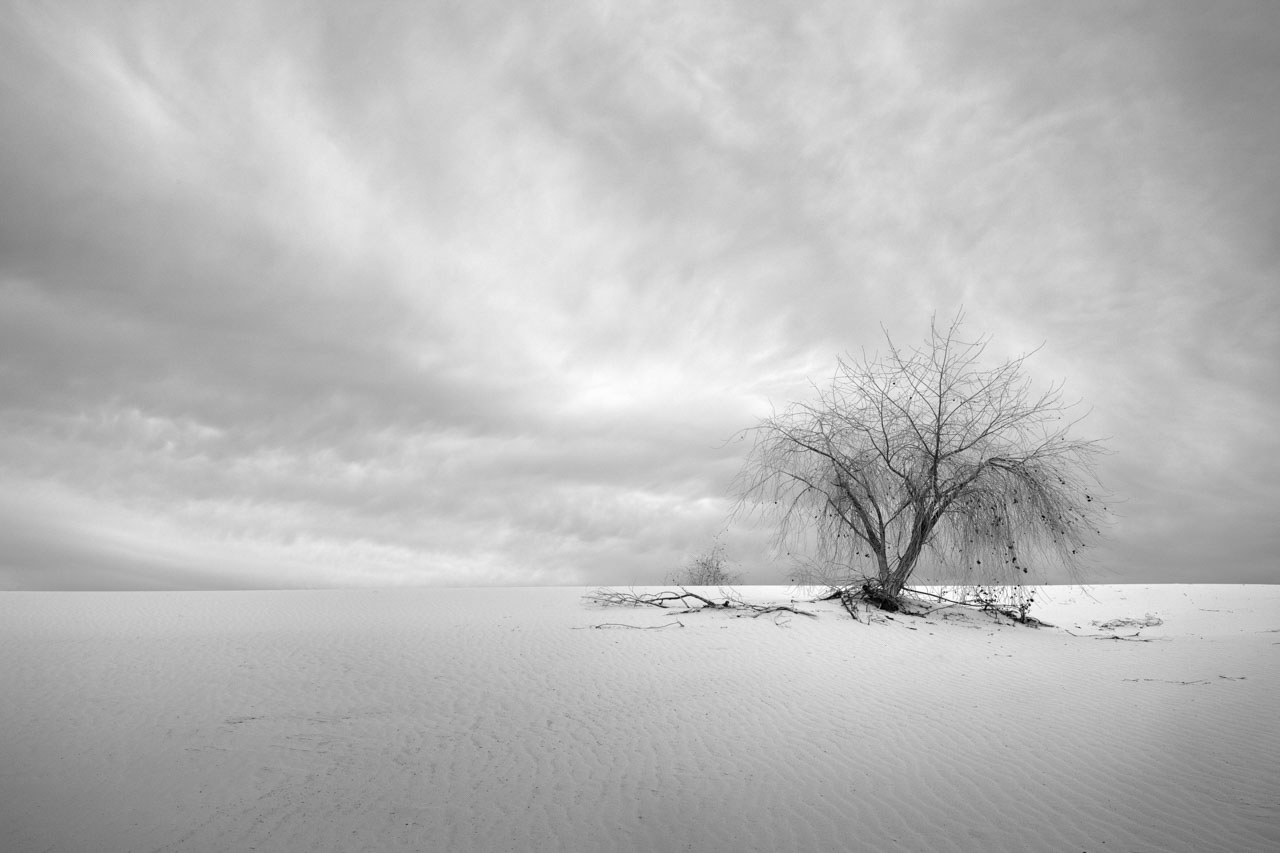
Black and white photo of a tree in White Sand Dunes national park in New Mexico.

This photo was taken in a gypsum desert. It's part of the "Survive" collection, in which I evoke the fact that despite adversity and obstacles, we must move forward, adapt and evolve. That's what's so special about the human species.

In this photo, the tree is the main subject. It's leafless, but very much alive. It's surrounded by desert.

The event I'm evoking here is drought and aridity. Once a viewer has read the name of the collection and the art photo, he will mentally identify the subject, the universe and the event. They begin to tell themselves a story.

To evoke action and adventure in a single photo, you need to appeal to the viewer's imagination.

There are the twists and turns and pitfalls the hero encounters that make the story so interesting.

When you're creating a series of photos, it's easy enough to highlight one event per image.

Appealing to the Viewer's Emotions

With a single photo, it becomes more complicated.

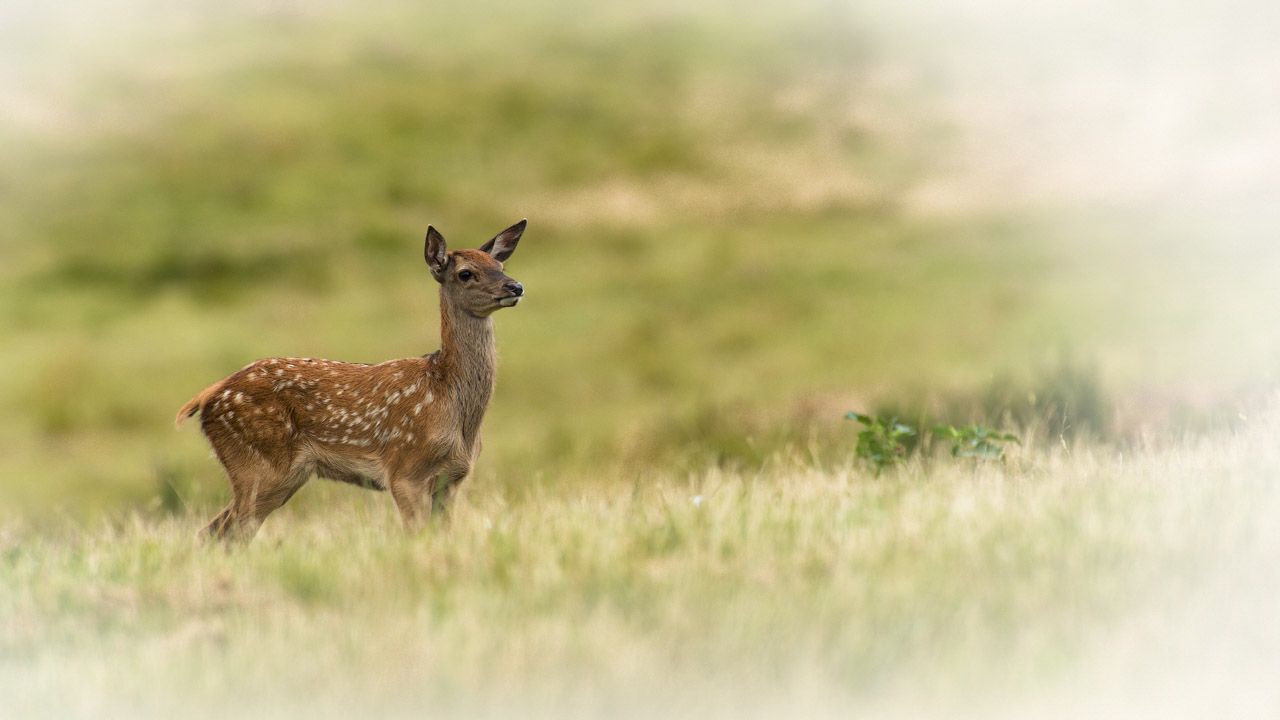
Once again, you need to appeal to the viewer's emotions. You need to suggest an attitude, a position, a mood. His imagination will do the rest. Let me take an example to illustrate what I've just written. Let's take the example of a fawn.
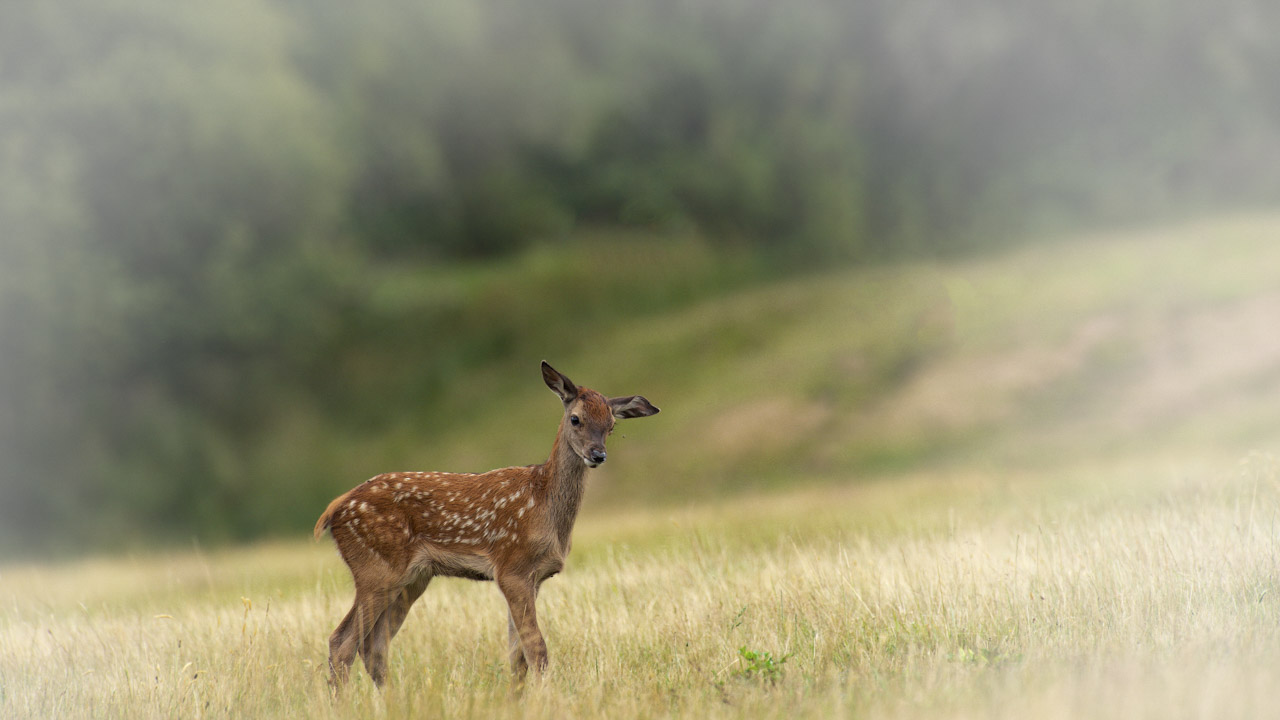
Color photo of a fawn in a meadow in Charente-Maritime in France.

It's always the same story: he wants to grow up, to emancipate himself. In this scene, he's walking through a meadow. He's discovering the world. He's curious about everything around him. The action in this scene is shown through his curious, inquisitive gaze on a flower. Is he looking at the flower? Or the insects? His pricked ears accentuate his curiosity.

Just one photo. The viewer puts his or her imagination to work. If you create landscape photos, the principle is the same. It's the natural elements that set the tempo for the action.

The final point we'll address in telling a story with a single photo is resolution. Every good story has a resolution.

With a single photo, it's not easy because you have to integrate the action and the resolution. If you only show the resolution of the story, you won't capture the viewer's attention.

Ideally, action is preferred to resolution.

Take the viewer's imagination as your starting point for resolution. It's by constructing your photos that you'll appeal to their senses and emotions. I'll explain how to do this in future blog posts.

At this stage of the article, I think you've understood what a story is and how to tell it with one or more photos.

You've understood that the main character has goals. He's looking for a guide who can give him a plan of action to get past the pitfalls in his path and achieve his goals.

To set up a story properly, there are techniques based on 4 concepts: storytelling, copywriting, scripting and narration. Here's a look at what these techniques are and how you can use them to tell compelling stories. In this way, you'll give your photos added impact.
Storytelling, Copywriting, Script and Narration

The Universe to Create a Photographic Story

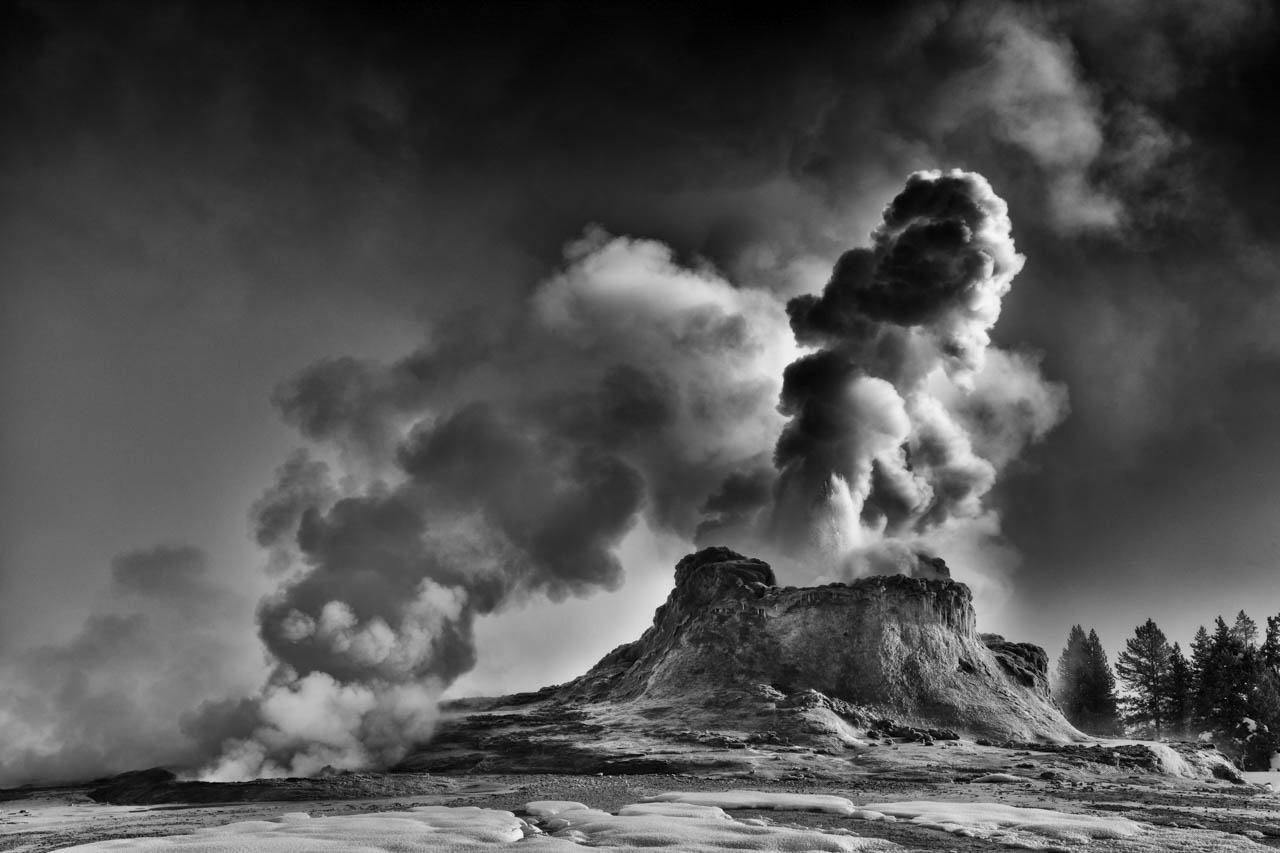
Black and white landscape of Yellowstone National Park. Fumaroles.

The Universe and the Event are essential to Create a Photographic Story

The universe is the setting in which the character will evolve.

The setting must be comprehensible to the viewer or reader. It must be familiar. The setting must be coherent and interesting.

The audience needs to be convinced of its potential reality. If you want to apply this universe principle to your photos, you'll need to choose your scenes carefully.

For example, in wildlife photography, you'll choose a forest, a steppe, a meadow, mountains. This is the setting.

This is the negative space I've talked about in several articles. It's the box that will hold your subject. The viewer must identify it perfectly.

As always, to hold your audience's attention, this universe has to be believable. Viewers must be able to relate to it.

If you're creating just one photo, the choice of decor is unique. It's so easy.

If you decide to create a series of photos, you need to be careful to keep each one consistent.

For example, if you choose to tell the story of a migratory bird living in wetlands, always choose marshes for your backdrops.

If you create a disturbance, you'll lose the viewer's attention.

An Event

Now that the character and his world are defined, if nothing happens, the story is likely to be boring.

It is going to be a long time coming.

That's why, in every good story, something happens.

You need an adventure. It's this event that must spur the hero or main character into action. Never forget that a good story must change the hero. It must transform him.

The main character has to get out of his comfort zone.

If there's no event in a story, it becomes boring, long and uninteresting.

In a good story, the hero is driven to action. He must have an adventure. The hero must have a goal.

Never forget that the hero needs to undergo a transformation, a change in attitude. He must leave his comfort zone.

For example, in the movies, the hero must avenge his family or save the planet. Themes abound.

But the most important thing is that he changes his attitude to achieve his goals.

In a good story, the main character is always motivated to act by the event.

This is how the audience understands the meaning of the film and holds its attention.

You need to do the same with your photos.

Adventure and Action

The plot's twists and turns and action allow the story to unfold, telling the story of the main character (the hero) throughout the story.

Since you can't reach the end of the story too quickly, you need to create obstacles and twists.

Adventure and action form the heart of the story. These are the challenges and dangers the main character must face.

Along the way, the hero encounters opponents he must defeat. They will do everything in their power to prevent the main character from achieving the goal he has set himself. They don't want him to change.

It's these adventures, this action, these dangers that threaten the hero that will hold and maintain the viewer's attention.

Audiences love the pitfalls, the twists and turns, the encounters along the way.

You must never forget that when man was first born, he learned to fight ferocious animals to survive. It's inscribed in our reptilian brain.

We always enjoy watching or listening to stories involving danger. By putting ourselves in the main character's shoes, we relive situations that characterize us.

A Resolution

You should always bear in mind that a good story is always about a main character (a hero) who takes on a challenge, wants to achieve goals by transforming himself.

For an audience to be interested in a story, there always has to be an end: that's the resolution.

The main character's transformation takes place along the way.

The resolution of a story is to show that it has achieved its goals. Sometimes he doesn't, but he has succeeded in transforming himself.  In fairy tales, the resolution is also what we might call the moral of the story.

Whether negative or positive, a story's epilogue must show the audience the consequences or impact of the transformation on the central character, his loved ones and his world.

The audience needs to find a message. They need to learn a lesson from the story. Even if a resolution isn't necessarily a happy ending, an ending is always satisfying.

It's the perfect way to end a story, whether fair, happy, sad or depressing.

The story justifies the choice of this ending, if no other.

Now that you've understood what a story is in general, you need to apply it to your photos.

I'll share a few ideas with you.

What Is a Photographic Story?

To tell a photographic story, you can use one or more photos.

With several photos, it's sure to be easier for you, as each one will tell a different story.

Even if you use a visual medium, photography remains a static medium, unlike video, where images are animated.

Let me remind you that a good story should respect the following magic formula: "a hero, a main character, has philosophical problems, internal or external. To solve them, he needs a guide to suggest a plan. The guide will also spur him into action. The hero follows a road strewn with pitfalls to reach his goal. He will transform himself until he reaches his resolution.

If you create several photos, you begin to glimpse the possibilities of a scenario.

In the rest of this article, I'll share with you what a scenario is. If you're only creating one photo, you're going to ask me, but how do you tell a story, especially with a nature theme?

For example, how to tell a story with a photo of a tree. Here are a few tips:

  • Keep it as simple as possible. Choose to tell an easy-to-understand, intuitive story.
  • Use emotions like joy, anger, sadness, etc. You need to put yourself in the shoes of an audience that will connect emotionally with your photos.
  • Never represent real life. Art should make you dream and escape.  Even if the public projects itself into your photos by imagining its everyday life, it must transcend it.

Telling a Story With a Photo

Telling a story with a photo can seem difficult, because in a split second you have to show a character who wants to transform himself to achieve a goal.

He's looking for a guide to give him a plan of action to overcome his internal, external and philosophical problems. How to do it in one photo?  You have to involve the viewer's emotional side. A photo is limited to a frame.

The number of elements you place is limited. Each must have impact; each must speak to the viewer.

Let's take each element of a story. What I also call ingredients. Let's look at how to create a recipe to give impact to a photo.

The subject of your photo is the main character or hero of your story. For example, this subject could be an animal, a tree, a fish, a flower, a mountain, etc.

Whatever the case, it must be perfectly identifiable by the viewer and, above all, plausible.

It doesn't have to be a faithful representation of reality. For example, in my case, I really like the black and white style. Yet nature is colorful. When I show a mountain, a tree or a deer, everyone can identify it.

When you arrive on a scene to photograph, you need to identify the main element: the one that will catch the public eye.

If you're taking wildlife photos, be patient before observing the animal's attitude and position.

The subject must evoke an emotion, convey a message, express a feeling. It can be joy, sadness, dismay, melancholy, strength, and so on.

You need to be able to qualify what you're photographing. The suggestion you make to the viewer will make him or her mentally create the same story as you.

If you don't see the story, then the viewer won't either.

When I mentioned the character's internal, external or philosophical problems in a story, and if you only have one photo, these problems are actually the ones you're going to suggest with your main subject.

Often, the guide can't be present in the picture. Once again, it's the suggestive power of your images that will enable the viewer to find the guide.

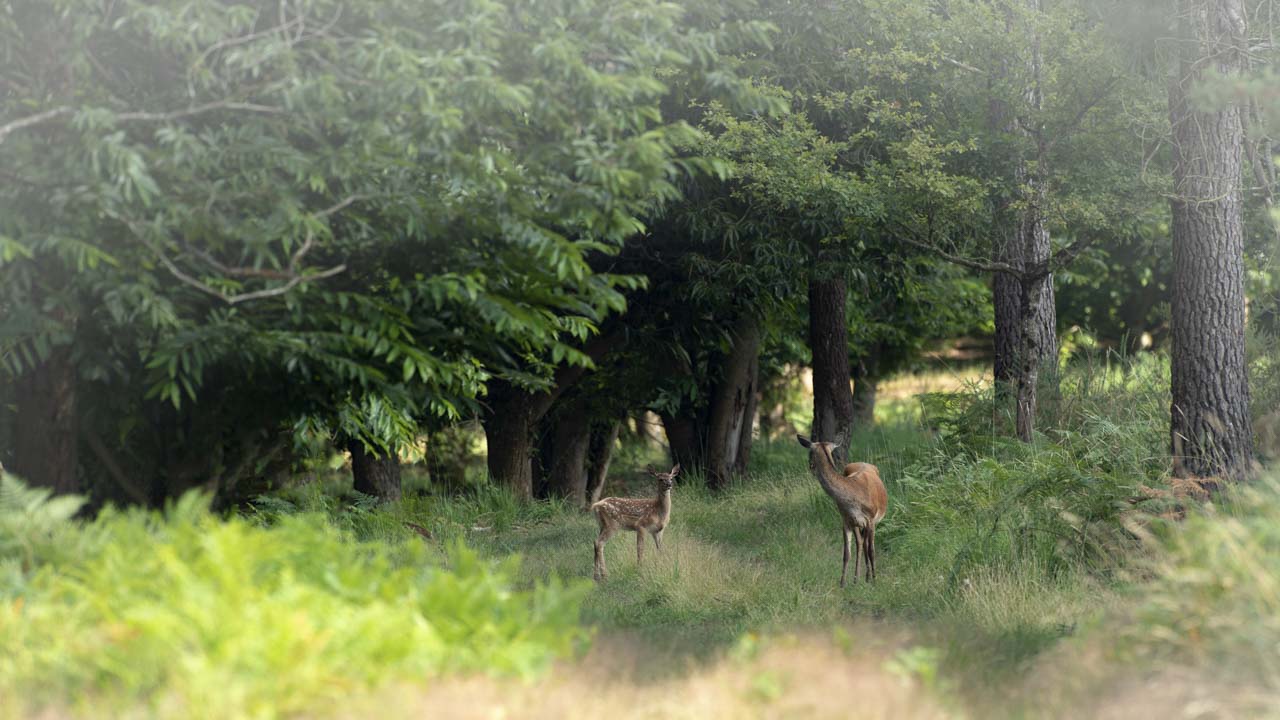
Let's take a concrete example. If in a photo you have a doe and her fawn, you can consider that the subject is the fawn. Its aim is to grow up and become a doe or a flaming stag.

A doe in an undergrowth with her fawn. The doe seems to talk to her fawn.

To do this, he'll have to face predators like man, wolf, bear and lynx. In nature, dangers are many and varied.

His mother, the doe, will accompany him. She'll be his guide. She'll show him what he needs to eat to grow, how to avoid danger, where to find shelter, and so on. She'll help him overcome the dangers of nature.

After a few years, he'll become a doe or a stag, having undergone a successful transformation to reach his goal.

Now let's take the example of this photo with a fawn without the doe. The main subject is always the fan. He still has the same goal and the same problems to face. But in this photo, the guide is nowhere to be seen.

Yet this photo tells a story. It's the one I imagined, and the one I'd like you to imagine.

A fawn stands alone in a meadow. The mother, the doe, is not far away.

In creating this photo, I thought of a fawn playing on a plain. His mother, his guide, was nearby. I chose to show the carefree spirit of childhood, to awaken in you the happy moments of this period of life.

You knew your parents weren't far away and that they'd be able to meet your needs and help you grow.

I can repeat the argument of the previous photo, but instead of having a story described visually, this is a suggestive story that appeals to emotions and memories.

  1. The Elements of a Photographic Story
  2. The Difference Between a Photographic Story, a Narrative and a Narration
  3. Why Telling a Story with your Photos Is So Important
  4. How to Create a Story with your Photos

Page 2 of 201

  • 1
  • 2
  • 3
  • 4
  • 5
  • 6
  • 7
  • 8
  • 9
  • 10
  1. You are here:  
  2. Home
  3. Blog Photographic Approach

Share on Social Media

Post
Share
Share
E-mail
WhatsApp
Text

Join Me on Social Networks

Join Me on Facebook  Join Me on Instagram  Join Me on LinkedIn

Claim your free guide to make your photo impactful and meaningful

Claim Your Free Guide '50 Pages of Tips to Give Impact and Meaning to Your Photos'.

4 + 8 =

Click Here To Discover All My Chronicles About the Photographic Approach.

Treat Yourself to a Fine Art Print That Matches your Personality

Example of a vacation home interior with a black and white fine photo art displayed on the wall.

Fine Art Print Collections in Black and White

Fine Art Print Collections in Black and White Black and white photography is a suitable technique for many nature scenes. It requires a particular frame of mind. A black and white photograph should be prepared and planned from the framing to the…
11991
Fine Art Print Collections in Black and White
An abstract art photo displayed in a contemporary living room decor.

Fine Art Print Collections in Color

Collections of Fine Art Prints in Color Color photographs allow digressions and take the audience to the message by secondary ways. The world around us, especially nature, is colorful. A color image can show the way our surroundings really are. Of course, it…
10440
Fine Art Print Collections in Color
Example of a home interior with fine art prints in my style back to black displayed on the wall. These photos are a part of my collection 'Wild beauties of Kenya'.

Fine Art Print Collections in Back to Black

Fine Art Print Collections in Back to Black I want to share my fine art prints of nature in a personal style that I call "back to black." "Back to Black" was developed to embody a sharp and clean style for artistic photos that can be hung in your living room,…
9980
Fine Art Print Collections in Back to Black
A waiting room with a photo in the style Fusion displayed on the wall. Grey Heron in Fusion.

Fine Art Print Collections with the Fusion Style

Fine Art Print Collections with the Fusion Style I would like to share a very creative and modern photography style to represent Nature in a very different way. I call it "Fusion." I created the style to offer dynamic photos, allowing you to start a good day…
7908
Fine Art Print Collections with the Fusion Style
A living room with a photo in the style 'Impression' exposed on the wall. Rising sun in impression

Fine Art Print Collections with the ‘Impression’ Style

Fine Art Print Collections with the ‘Impression’ Style The objective of this photographic style is to create the ephemeral blurs. That's why I named it 'Impression.' Photography, as an art form, is a powerful means of expressing reality from different…
5827
Fine Art Print Collections with the ‘Impression’ Style
Fine art prints from the style back to black displayed on a wall. Amar Guillen, photographer artist

New Collections of Fine Art Prints Dedicated to the Wonders of Nature

New and Updated Fine Art Print Collections Dedicated to the Wonders of Nature Fine art prints from the style back to black displayed on a wall.
11446
New Collections of Fine Art Prints Dedicated to the Wonders of Nature

Themes of the Blog Articles

Landscape of Arches National Park in Utah in black and white.

Blog Articles Dedicated to Artist Statement

Blog Articles Dedicated to Artist Statement
Dunes of death Valley in Black and White

Blog Articles Dedicated to Black and White Photography

Blog Articles Dedicated to Black and White Photography
Abstract photo or trees reflection on water

Blog Articles Dedicated to Photographic Mindset

Blog Articles Dedicated to Photographic Mindset
Abstract photo of ridles on water

Blog Articles Dedicated to Artistic Photography

Blog Articles Dedicated to Artistic Photography
Abstract photo of Yellowstone

Blog Articles Dedicated to Photographic Language

Blog Articles Dedicated to Photographic Language
Pronghorn in Yellowstone

Blog Articles Dedicated to Wildlife Photography

Blog Articles Dedicated to Wildlife Photography
Landscape of Bryce Canyon

Blog Articles Dedicated to Photographing United States

Blog Articles Dedicated to Photographing United States
Underwater waves in the Red Sea

Blog Articles Dedicated to Photographic Techniques

Blog Articles Dedicated to Photographic Techniques
Tree of Black Canyon in Black and White

Blog Articles Dedicated to Landscape Photography

Blog Articles Dedicated to Landscape Photography
Manta Ray in Maldives in Black and White

Blog Articles Dedicated to Underwater Photography

Blog Articles Dedicated to Underwater Photography
Red Deer stag during the rut of the deer

Blog Articles Dedicated to Photographic Judgement

Blog Articles Dedicated to Photographic Judgement
Great Crested Greb and his chick

Unclassified Blog Articles

Unclassified Blog Articles

You Might Be Interested By One of These Photographic Approach Articles

Photograph in black and white of the Grand Canyon from Arizona State in USA.

Why and How Mastering the Steps of Creating an Art Photograph

3603
Why and How Mastering the Steps of Creating an Art Photograph
An example of a narrative photo. Landscape of Island in the Sky in the Canyonlands in Utah in United States. Photo in black and white by Amar Guillen.

Why and How: Creating Impactful Narrative Photos

4118
Why and How: Creating Impactful Narrative Photos
Snowy landscape of Yellowstone during winter.

3 Steps for Giving Meaning to Your Photos

8750
3 Steps for Giving Meaning to Your Photos
Two lions in Kenya. Photographed in black and white. Photograph by Amar Guillen, photographer artist.

To Create Aesthetics Photos, Print your Images

4238
To Create Aesthetics Photos, Print your Images

Receive Free Tips On How to Give Impact and Meaning to Your Photos. Subscribe to Receive Regular Articles.

2 + 7 =

Contact Me By Email

10 + 9 =
This site is protected by reCAPTCHA and the Google Privacy Policy and Terms of Service apply.

About Amar Guillen, Creator of Fine Art Prints of Nature
As a photographer capturing the artistic essence for several decades, I have mastered the art of crafting an authentic experience for art enthusiasts and collectors of visual art.
When I observe my surroundings, be it friends, family, relationships, or professional contacts, I see souls in perpetual motion. Every moment of their existence is engulfed by daily hassles, work concerns, social media, online or televised information streams, and videos on the web.
Every minute, they strive to accomplish something, fearing losing ground and feeling marginalized in this frenzied society. Imprisoned by an oppressive schedule, the essential eludes them, drowned in the tumult of daily life. Is it really crucial to watch yet another cat video on the internet? Is it necessary to post twenty daily messages on social media?
Despite this, they remain constantly stressed and anxious about the challenges of the world, without being able to influence these monumental problems. It is at this moment that my artistic nature photographs come into play. Those who have had the privilege of hanging one of my works in their personal or professional space have expressed a radical transformation in their lives.
Every day, contemplating these works of art immerses them in tranquility, inner peace, and rediscovered serenity. They then understand that nature has the power to unravel tensions, to encourage reflection on the essential. Artistic photographs thus become open windows to the wonders of nature.
I have chosen to share the best of myself by helping others discover their identity, personality, style, all while reconnecting with nature. Take the time to explore my artistic photographs if you wish to reveal your true essence. Once hung in your space, your view of the world will be transformed.
Amar Guillen is a creator of fine art prints of nature.
I am Amar Guillen, creator of nature art photographs. I have a deep conviction that contemplating nature has the power to transform human beings. If everyone learned to know, respect, and preserve nature, our world would be transformed into a haven of peace where everyone would find their place.
Copyright © 2003 - 2026 Guillen Photo LLC - All rights reserved. Amar Guillen, professional photographer since 2003.
  • Blog
  • Calibration
  • Legal Information
  • Sitemap
  • Accessibility
  • Contact Me
  • Updates of the Website
I Want to Help You to Create Interesting Photos

How Can I Help You To Create More Interesting Photos?

Ask Me a Technical Question.
Subscribe to my Newsletter. The Inspiration Behind Guillen Photo.

Select your language

  • English (United Kingdom)
  • Français (France)
Claim your free guide to make your photo impactful and meaningful

Claim Your Free Guide '50 Pages of Tips to Give Impact and Meaning to Your Photos'.

3 + 9 =

Contact Me By Email

1 + 9 =

Office Address:
3512 Robin Road
Plano Texas 75075
USA

Office phone: (+1)214-769-6825