• The Art of ChoosingHome page
  • Fine Art Prints3 Editions
  • CollectionsAll Collections
  • AboutAmar Guillen
  • Customer Space & Contact
  • Select your language

    • English (United Kingdom)
    • Français (France)
  • All You Need to Select Your Fine Art Print
    • How to Choose a Fine Art Print - Q&A - FAQ
    • New Creations
    • Explore Some Interiors
    • Fine Art Print Blog
  • Browse by Edition
    • All Fine Art Prints
    • Unique Edition
    • Limited Edition
    • Open Edition
  • Browse by Style
    • Black and White
    • Color
    • Fusion
    • Impression
    • Back to Black
    • Landscapes in Black and White
    • Landscapes in Color
    • Animals in Black and White
    • Animals in Color
  • Browse by Theme
    • Landscape
    • Wildlife
    • Underwater
    • Abstract
    • Symbolic
    • Landscapes of the United States
    • Landscapes of France
    • Landscapes of Scotland
    • Seascapes
    • Relaxing
    • Energizing
    • Playful
  • Browse by Format
    • Rectangular
    • Square
    • Panoramic
  • Contact Me
    • Contact Me by Email or Phone
  • Collections
    • New Collections
    • All Collections
  • Browse by Theme
    • Landscapes
    • Wildlife
    • Underwater
    • Abstract
    • Symbolic
    • Landscapes of France
    • Landscapes of the United States
  • Browse by Style
    • Black and White
    • Color
    • Impression
    • Back to Black
    • Fusion
  • Contact Me
    • Contact Me by Email or Phone
  • Discover More About Me
    • Discover Who is Amar Guillen
    • Artistic and Photographic Statement
  • Galleries
    • Photo Galleries
    • Abstract Portfolio in Color
    • Black and White Landscape Photography Portfolio
    • Color Landscape Photography Portfolio
    • Black and White Wildlife Photography Portfolio
    • Color Wildlife Photography Portfolio
    • Underwater Photography Portfolio
  • Contact Me
    • Contact Me by Email or Phone
  • Your Customer Space
    • Create or Manage your Account
    • Your Download Space
    • Your Orders
  • Contact Me
    • Contact Me by Email or Phone

You are in that section: Home > Blog > Blog of the Photographic Creation Approach

8 Techniques for Creating Minimalist Photos

I like to create minimalist photographs because it fits perfectly into my artistic vision. This photographic approach may seem simple and natural at first glance, however, it requires a lot of patience and a special state of mind. I have incorporated this photographic approach into my methodology. I always use the same criteria for framing and composing.

For me, the creation of minimalist photographs is above all a therapy, a way to find myself alone in a fast-moving world where the words "fleeting", "speed", "instantaneity" and "forgetfulness" seem to dictate their laws to every moment. This approach allows me to formulate firm photographic foundations.

Minimalist picture of a bighorn sheep in Yellowstone in winter.

Table of Contents

    Page 1

  • A Little Bit of History
  • Proposal for a Definition of Minimalist Photography
  • An Artistic Vision Above All
  • The Value of a Minimalist Approach
  • Page 2

  • Some Tricks to create Minimalist Photos
  • Minimalist Wildlife Photography
  • Minimalist Underwater Photography
  • Minimalist Landscape Photography
  • Post-Processing: An Effective Ally
  • Finally

A Little Bit of History

It is always important to situate events, the evolution of principles, and techniques. Every story has a beginning and an end. Minimalist photography does not deviate from this rule.

In general, minimalism is a form of contemporary art, appearing during the early 1960s in the United States. This name was given in 1965 by the English analytical philosopher Richard Wollheim in the magazine "Arts Magazine" about an exhibition at the Green Gallery in New York.

Two facts characterize the hatching of the current minimalism. While Richard Wollheim did create minimalism in opposition to the figurative tendency of Pop Art, he is also the heir of the modernist movement, the Bauhaus. One of their maxims was "less is more". Minimalists sought purity and efficiency through painting.

Photography viewed as an artistic discipline has also been affected by this phenomenon. I do not know when this approach began impacting photography, but I believe that minimalist photography was born around the same time that the minimalist tide swept through society, in the mid-twentieth century.

Today this world is turmoil; most people have difficulty finding benchmarks. Thus, minimalist photography has become a true artistic form to describe nature.

Proposal for a Definition of Minimalist Photography

Quite strangely, defining minimalist photography is difficult. Rather than trying to define it, I will provide its main characteristics. Although trying to categorize minimalism into merely a few properties limits me, it is nevertheless how I conceive this artistic approach.

  • A minimalist photograph seeks to minimize the elements necessary for the viewer's understanding.
  • The message to be passed must be done with as few elements as possible. The photographer looks for the simplest form possible.
  • It is a simple photograph that does not require a complicated analytical reading.
  • A minimalist photograph shows a unique point of interest. It can be presented alone or in repetition, in the manner of a pattern. But in any case, the subject is unique.
  • When it is alone, the point of interest of the composition occupies a small place. The compositions are very refined.
  • There are no elements of reading reinforcement. The photograph does not present any frills.

If I was to give a general rough idea, I would say that a minimalist photograph is a simple photograph. It shows only what needs to be seen.

But as I always repeat during my wildlife, underwater or landscape photography workshops, "It is very difficult to do simple things".

But be careful: minimalist photography does not mean simplistic photography. Creating a minimalist photo requires a lot of thinking, a defined artistic approach, methodology and time.

An Artistic Vision Above All

Artistic photography is an artistic discipline. As I described in this article, it exists mainly to show a vision or unique perspective of the world. The minimalist vision is one of the ways to project this vision. It is a personal, and often, an artistic approach.

My everyday environment, be it sensory, visual, or olfactory, is full of details, shapes, and structures. Each sense is different from the others. The material world created by humans is often noisy. The ambient brouhaha is like all the repetitive information that I am delivered daily: it becomes inaudible.

As far as I am concerned, in recent years, I have wanted to find true values ​​by immersing myself in calm and serene environments. More and more, I crave the solitude that one finds in the great natural spaces. Minimalist photography has become a necessity for me, a vital need to find deep values, whether human, relational, or ethical.

I wanted to come back to an essential photograph, with no frills or apparatuses. When I was working for online photography stocks or for magazines, it was certain that it was not a very sought after type of photography. For that specific type of media, one needed sensational, exceptional, and brilliant photos. The more details, the more sales. After years of photographic work based on the orders I was given, I wanted to return to my true core values ​​and pursue a photography for which I was truly passionate.

Minimalist photography is a translation of a vision of the world and the emotions that a photographer desires to convey through his works. If you like exuberance, shimmering colors, and very detailed photographs, do not engage yourself in the minimalist approach. You will not be able to create interesting photos that resemble you and your personality. Stay true to who you really are. Your photos will have more impact if they are a true representation of yourself.

Minimalist photography does not need to describe the world or nature realistically. It has no importance in that sense. The most important are the suggestive and emotional power of the approach to convey the personal emotions of the photographer. Like any artistic process, it is ultimately an interpretation of the real world.

The Value of a Minimalist Approach

For me, minimalist photography is an elegant artistic approach that evokes class in the noblest sense of the term. By going to the basics, I try to convey simple, straightforward messages. I enjoy creating ethereal and dreamy scenes when I contemplate nature. Whether in the mineral landscapes of the United States, the forested landscapes of France, or in the wetlands, I always try to find simple scenes with well-organized environments, thus representing my perspective and love for nature.

The minimalist approach reflects tranquility, serenity, introspection, and self-seeking. The interest of this approach is to allow me to refocus on my core values by returning to the fundamental criteria of my life.

For me, the minimalist photo is like a therapy. My profession of independent professional photographers is a stressful and nervous activity. It can be very difficult to live daily. Between communication activities, administrative activities, photo workshops, and appointments with clients, I have little time to create pictures within my busy schedules. I do up to two or three projects each year. Moreover, these projects are often customer orders that require special art photographs. It is for this reason that when I was on the field, I was looking for simplicity and quietness with evanescent scenes that make me dream.

For me to create minimalist photos, I fulfill a longing within myself; a longing to project myself into scenes where I find freedom by evolving in spaces without any constraint, without any walls. These are scenes where I find time to breathe and relax while shooting. When the photos are printed on paper, perhaps decorating a wall, I revisit that same calm emotion of relaxation.

Some Tricks to create Minimalist Photos

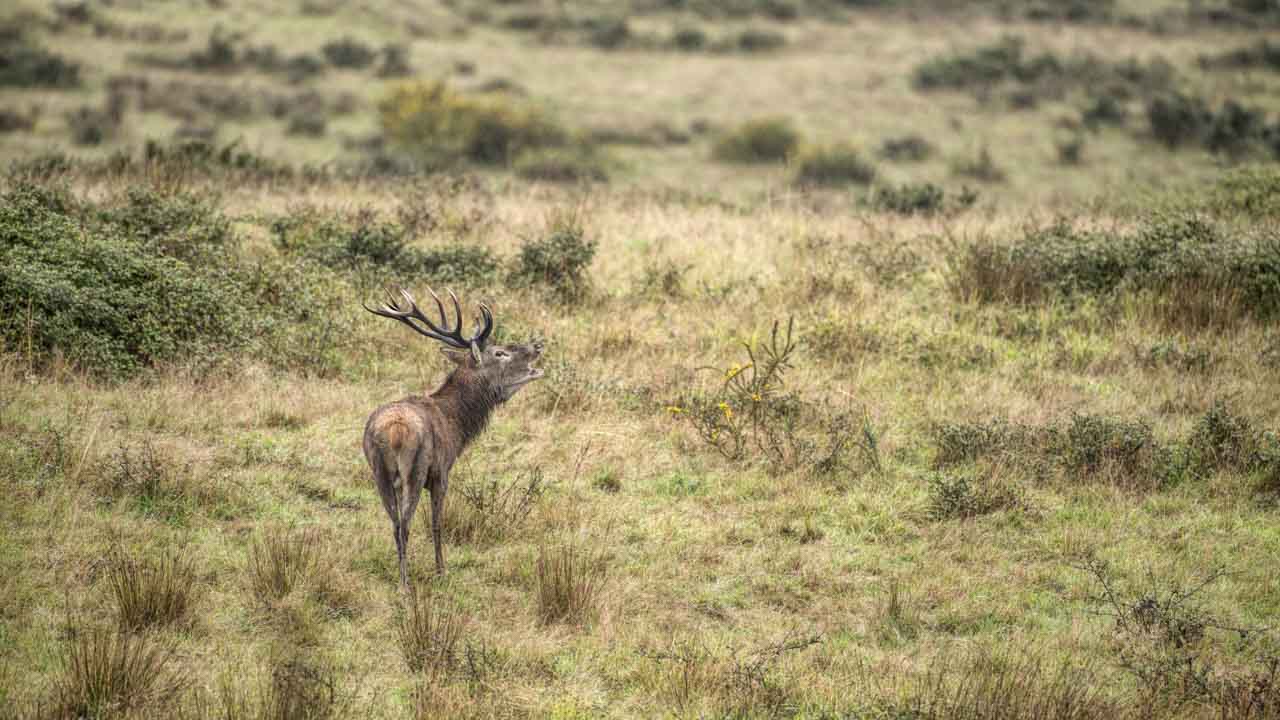
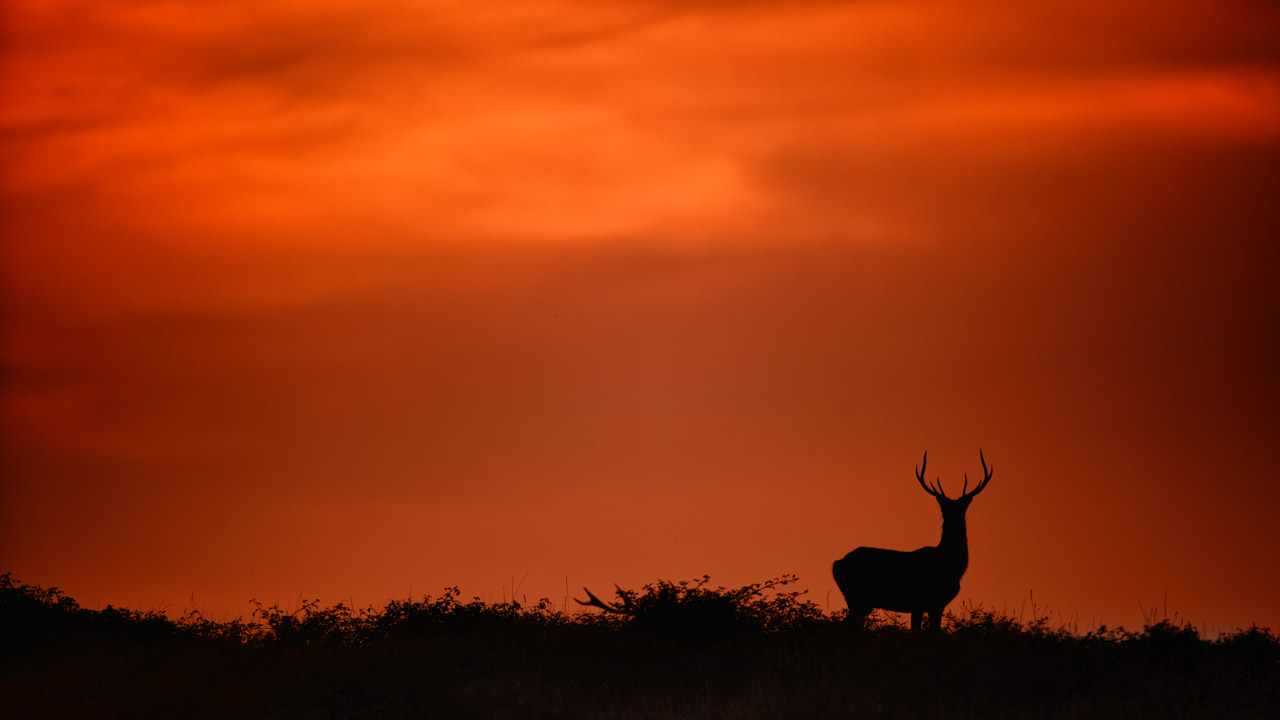
October 2017. Wildlife Photo Project Dedicated to the Deer Slab of Charente-Maritime in France

Each year during September and October, we travel to photograph the deer slab in the serene meadows and forests of Charente-Maritime in France. This year, we experienced strange weather; the strong heat in September delayed the slab. October soon dawned with magnificent lights.

An Unforgettable Annual Event

Each year, we book two to three weeks of our schedule to live within the meadows and forests of the Charente-Maritime region. We photograph the rare event of European wildlife: the slab of the red deer.

Although one might think that it seems pointless to return year after year to the same animal paths, to set up the same equipment, and to wait for hours, hoping to photograph the same event. However, it is an unbelievable occasion where magic moments occur. We eagerly wait for the first frost of September to load our car and leave for a few weeks. We would not trade this experience for anything.

The slab is an extraordinary moment for us as professional animal photographers. When observing the scenes of life, we are viewing only a representation of our daily lives as human beings. We generally know this script by heart; we know how our film will start and how it will end. But each autumn has its own basket of delightful surprises of unforgettable moments that surprise us.

The Slab: An Image of Humanity

Natural history is simple.

A dominant deer will strive to collect several females (does). It will establish a herd that will become a true treasure for a few weeks. Other stags will try to each other of one or more beautiful females. The fighting is intense, violent, and terrible. The clash of the antlers during the assaults are very fierce; its intensity made us jump with surprise.

Often, males possess power according to their strength, and the strongest animal receives the privilege of seducing the doe. Females watch for the slightest dangers, and this task is given to the “guard doe”. She hides beneath the forest shade away from sun's piercing rays. When a danger occurs, she shouts a hoarse cry; she barks. The does' leader observes the situation from her look-out position and tries to identify the source of danger. This leader is also the one who decides when and where to flee. The herd composed of the male and other hinds will only follow.

Once the leader doe feels that the group is safe, she will halt.

The stag will then begin his perennial riding. He revolves around the herd, avoiding other stags’ intrusions.

The observation of the deer's slab is fascinating because it is a representation of human behavior.

The Slab of the Deer is Centered in Chemistry

The principle of the stag's slab is quite simple.

Each year, a female red deer is “hot” once. These heats appear when temperatures drop to around 15 degrees Celsius (60 degrees Fahrenheit). Therefore, autumn is the breeding season for deer. The doe emits pheromones that cause the rise of testosterone for the stag. The testicles grow enormously; the dewlap also develops and is tinted with a dark color. The stage then begins to slab. As we have already described in this chronicle, several types of slabs can be heard depending on the situation.

Few stags will be allowed to mate. The younger ones will battle, but very few will be able to withstand against the older stags who possess longer antlers. If a hind has been engrossed, she will nevertheless remain in the herd under the benevolent protection of the male. But she will refuse future advances. Her aim is to avoid intrepid younger deer who annoy her.

Once the testosterone rise is over and the stag will be exhausted by weeks of slabbing and fighting, the does will remain among them waiting for the birth of fawns in the following spring. The males, meanwhile, will remain solitary or will also group in small herds until the next breeding season.

The Slab: A Priceless Moment for a Wildlife Photographer

Photographing the deer's slab requires not only a good knowledge of the animals and their behaviors but also a good knowledge of the field. To follow our artistic approach, we incorporate the soft lights of the morning or late afternoon. Under these conditions, we can better illustrate the coats as they begin to darken.

As we often say, a good wildlife photographer can make high-quality pictures only if he has a perfect knowledge of his environment. With years of experience, we know where to place ourselves to achieve the shots we want. We know perfectly how to utilize autumn lights so that we might gain the greatest effect.

The year 2017 was exceptional in terms of creativity. We managed to create a dozen exceptional photos. They will feed our collections of art photographs with a collection of lights and colors.

The photos we present in through our articles have been slightly edited before publication. These choice photos set the rhythm we wish to adopt for the development of this collection. As always, we will give ourselves several weeks to relax and digest these extraordinary moments that we have experienced. It is never good to rush into the development of art photographs. The project must be "cold" before going into it.


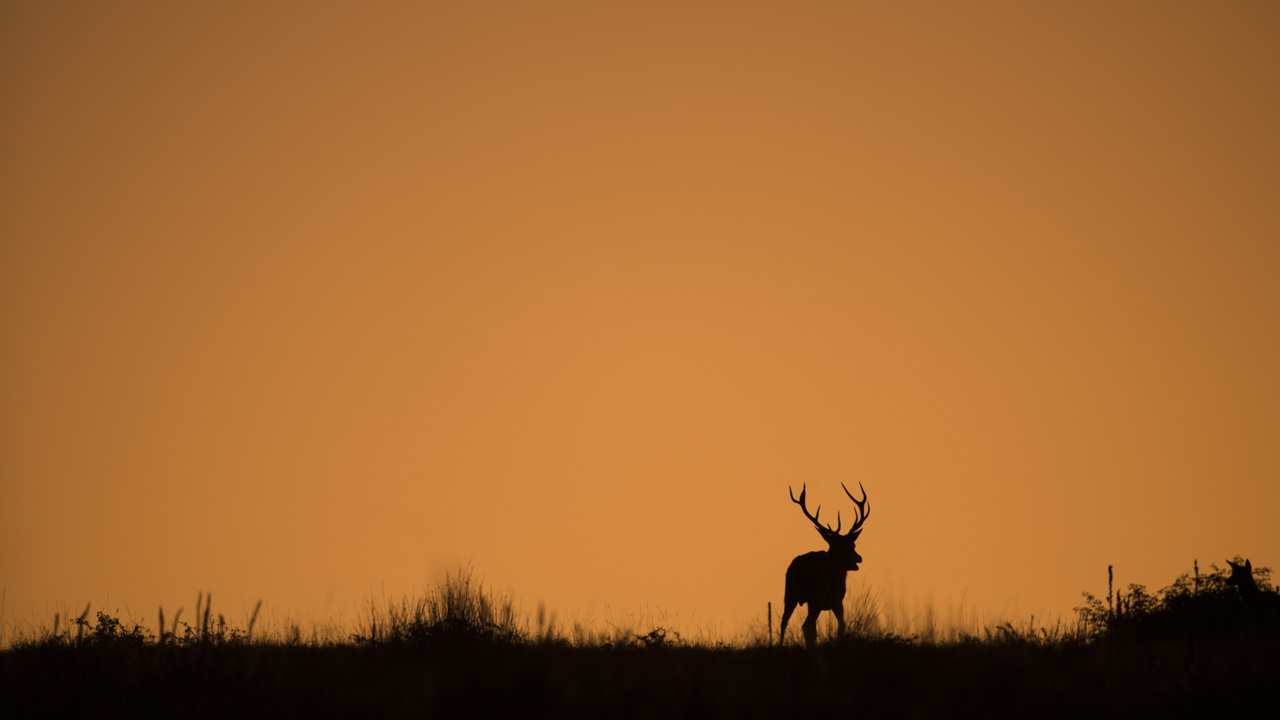
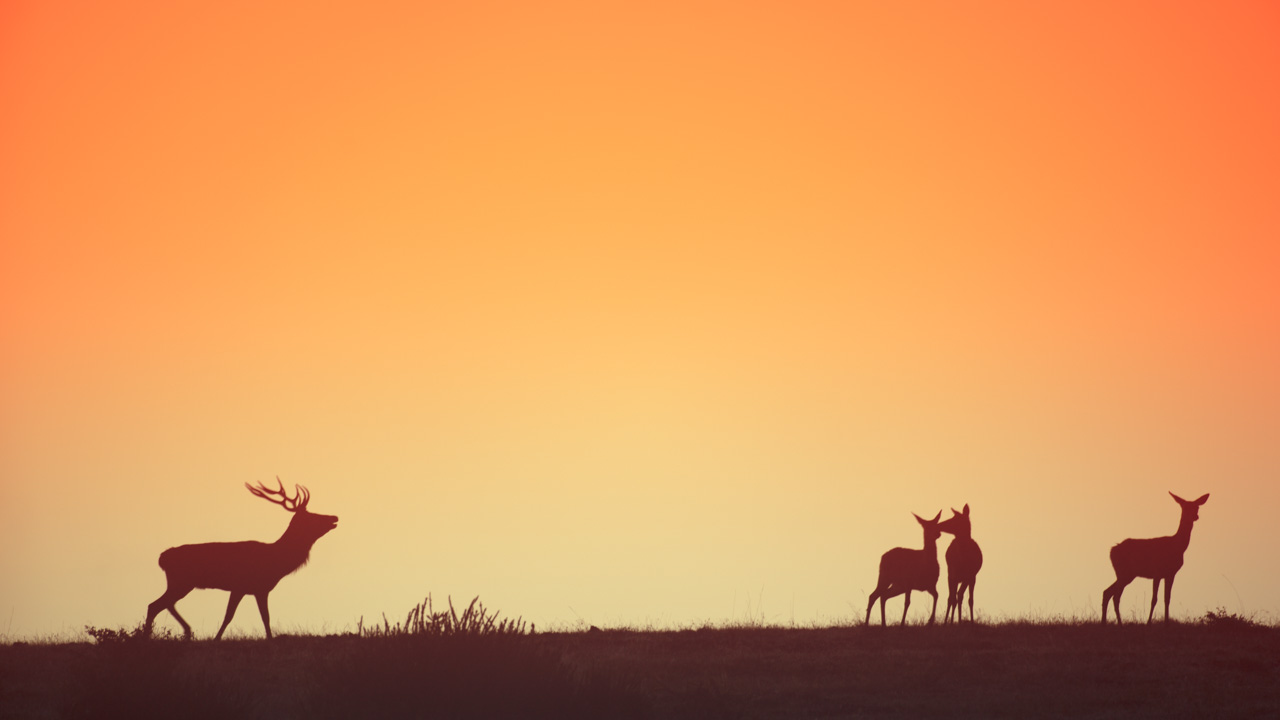
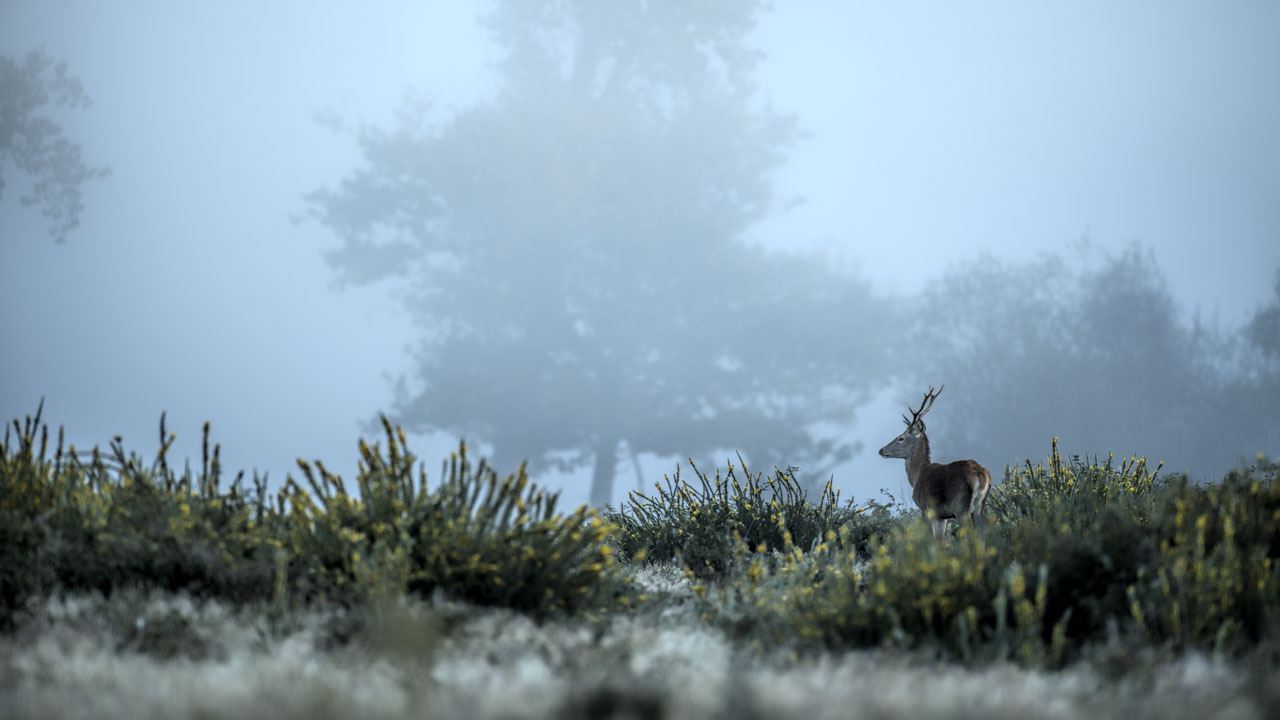
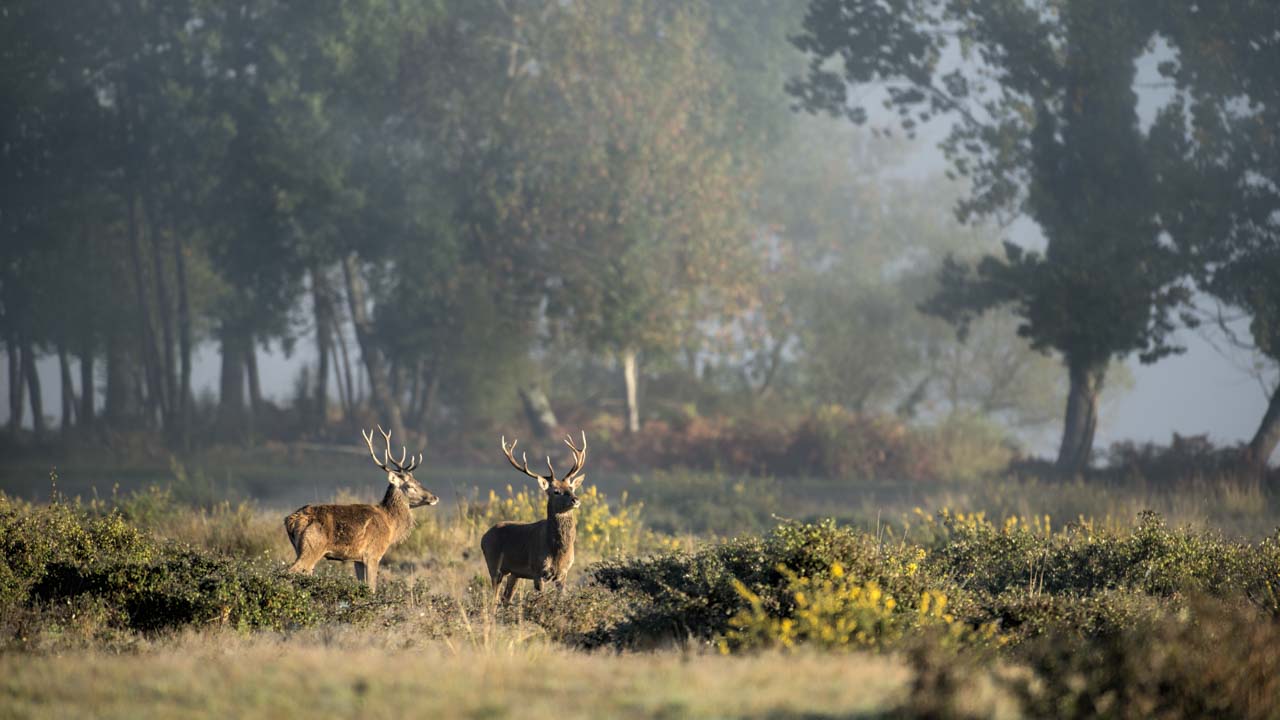
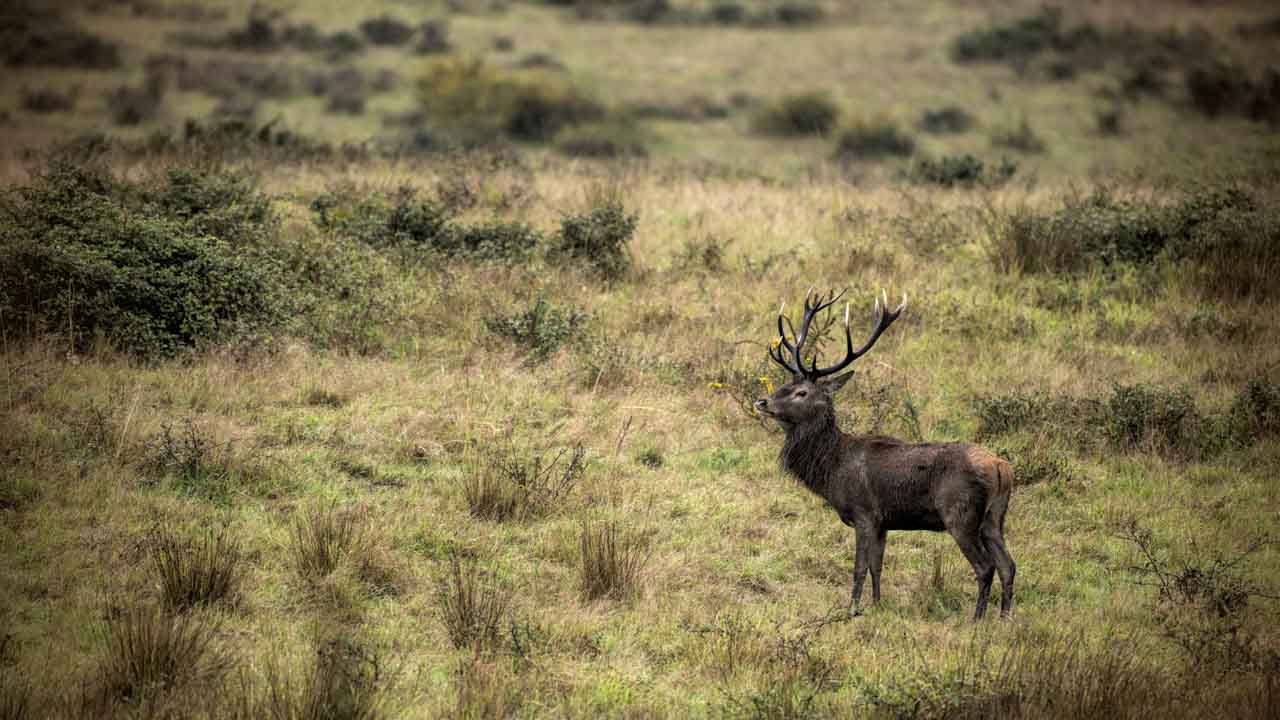
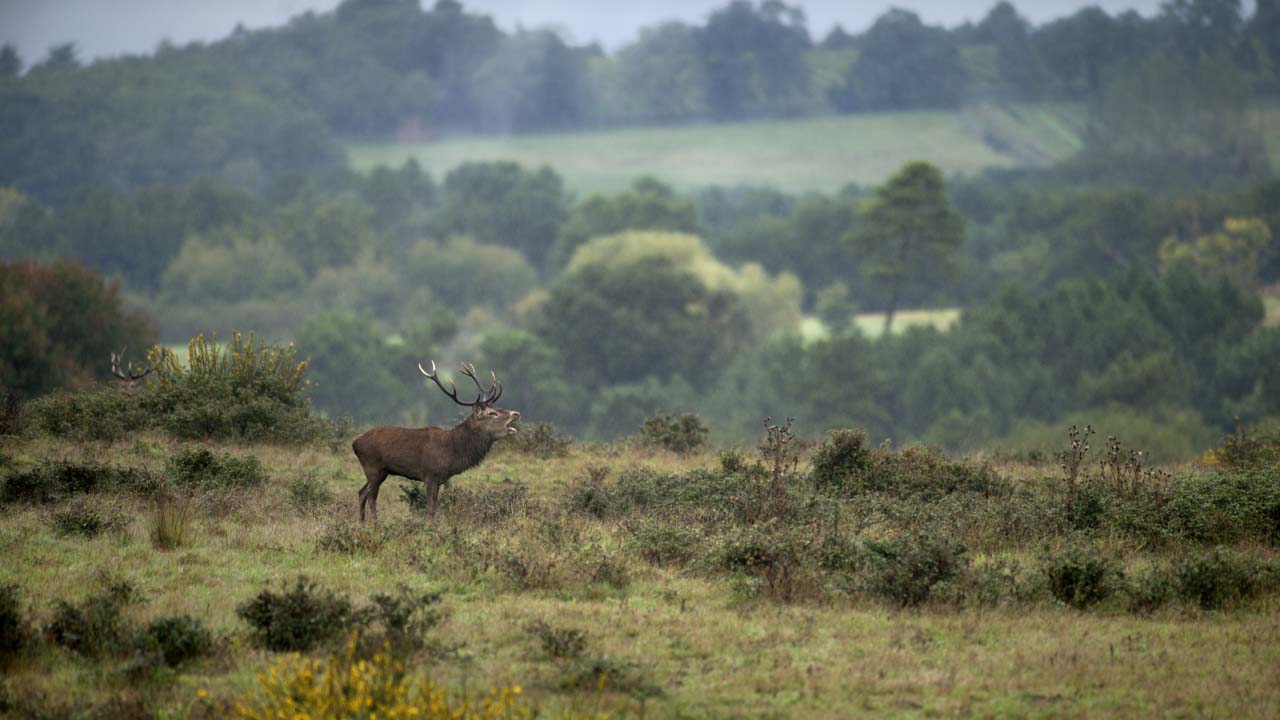
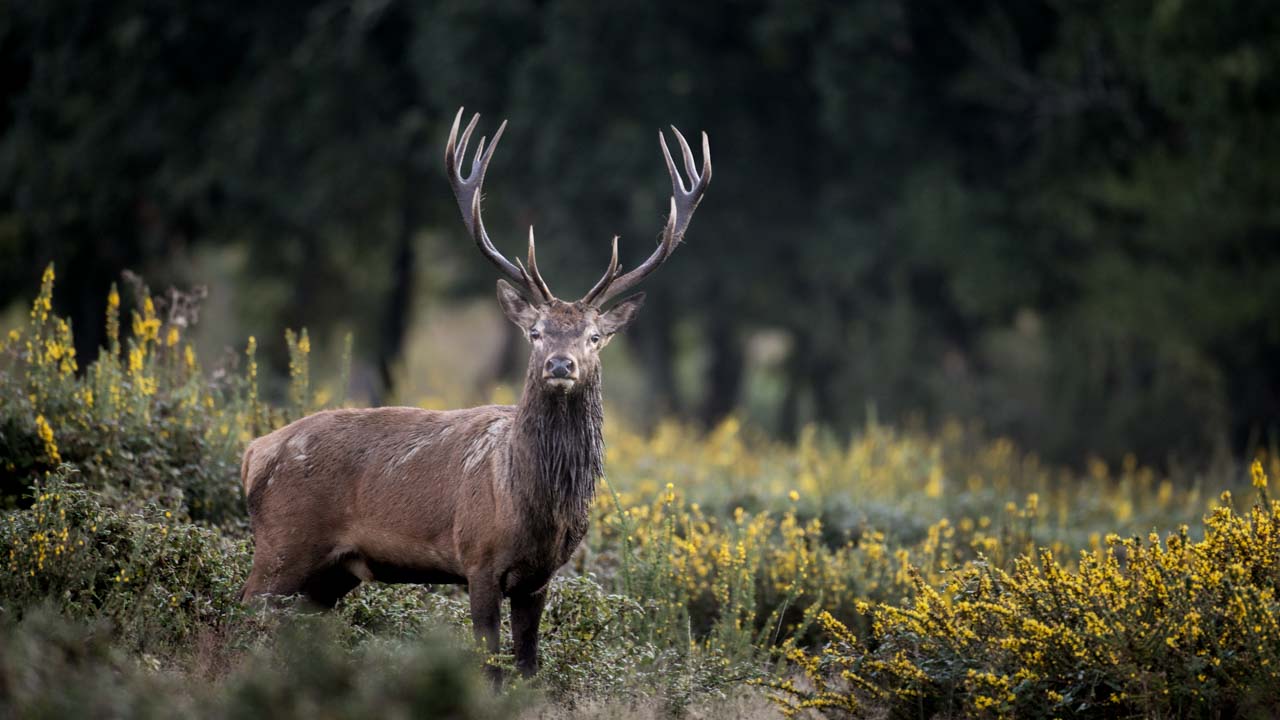
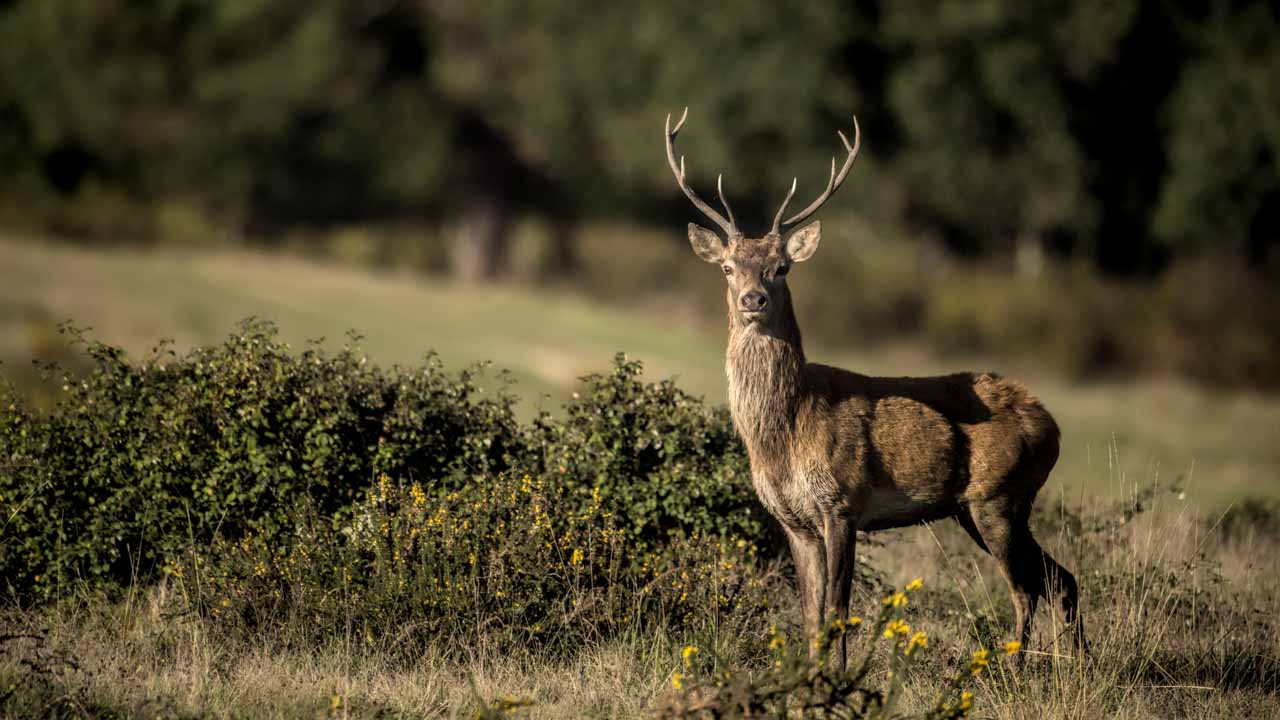
Wildlife photo project dedicated to the rut of the deer in France in September/October 2017.


Wildlife photo project dedicated to the rut of the deer in France in September/October 2017.


Wildlife photo project dedicated to the rut of the deer in France in September/October 2017.


Wildlife photo project dedicated to the rut of the deer in France in September/October 2017.


Wildlife photo project dedicated to the rut of the deer in France in September/October 2017.


Wildlife photo project dedicated to the rut of the deer in France in September/October 2017.


Wildlife photo project dedicated to the rut of the deer in France in September/October 2017.


Wildlife photo project dedicated to the rut of the deer in France in September/October 2017.


Wildlife photo project dedicated to the rut of the deer in France in September/October 2017.


Wildlife photo project dedicated to the rut of the deer in France in September/October 2017.


Wildlife photo project dedicated to the rut of the deer in France in September/October 2017.


  1. Create a Photographic Vision to Find Inspiration for your Photos
  2. Apply a Method to Find Inspiration in Photography
  3. Emotions Are a Source of Inspiration for Your Photos
  4. September 2017. Wildlife photography project in Kenya

Page 105 of 201

  • 100
  • 101
  • 102
  • 103
  • 104
  • 105
  • 106
  • 107
  • 108
  • 109
  1. You are here:  
  2. Home
  3. Blog Photographic Approach

Share on Social Media

Post
Share
Share
E-mail
WhatsApp
Text

Join Me on Social Networks

Join Me on Facebook  Join Me on Instagram  Join Me on LinkedIn

Claim your free guide to make your photo impactful and meaningful

Claim Your Free Guide '50 Pages of Tips to Give Impact and Meaning to Your Photos'.

4 + 8 =

Click Here To Discover All My Chronicles About the Photographic Approach.

Treat Yourself to a Fine Art Print That Matches your Personality

Example of a vacation home interior with a black and white fine photo art displayed on the wall.

Fine Art Print Collections in Black and White

Fine Art Print Collections in Black and White Black and white photography is a suitable technique for many nature scenes. It requires a particular frame of mind. A black and white photograph should be prepared and planned from the framing to the…
11999
Fine Art Print Collections in Black and White
An abstract art photo displayed in a contemporary living room decor.

Fine Art Print Collections in Color

Collections of Fine Art Prints in Color Color photographs allow digressions and take the audience to the message by secondary ways. The world around us, especially nature, is colorful. A color image can show the way our surroundings really are. Of course, it…
10445
Fine Art Print Collections in Color
Example of a home interior with fine art prints in my style back to black displayed on the wall. These photos are a part of my collection 'Wild beauties of Kenya'.

Fine Art Print Collections in Back to Black

Fine Art Print Collections in Back to Black I want to share my fine art prints of nature in a personal style that I call "back to black." "Back to Black" was developed to embody a sharp and clean style for artistic photos that can be hung in your living room,…
9984
Fine Art Print Collections in Back to Black
A waiting room with a photo in the style Fusion displayed on the wall. Grey Heron in Fusion.

Fine Art Print Collections with the Fusion Style

Fine Art Print Collections with the Fusion Style I would like to share a very creative and modern photography style to represent Nature in a very different way. I call it "Fusion." I created the style to offer dynamic photos, allowing you to start a good day…
7916
Fine Art Print Collections with the Fusion Style
A living room with a photo in the style 'Impression' exposed on the wall. Rising sun in impression

Fine Art Print Collections with the ‘Impression’ Style

Fine Art Print Collections with the ‘Impression’ Style The objective of this photographic style is to create the ephemeral blurs. That's why I named it 'Impression.' Photography, as an art form, is a powerful means of expressing reality from different…
5830
Fine Art Print Collections with the ‘Impression’ Style
Fine art prints from the style back to black displayed on a wall. Amar Guillen, photographer artist

New Collections of Fine Art Prints Dedicated to the Wonders of Nature

New and Updated Fine Art Print Collections Dedicated to the Wonders of Nature Fine art prints from the style back to black displayed on a wall.
11450
New Collections of Fine Art Prints Dedicated to the Wonders of Nature

Themes of the Blog Articles

Landscape of Arches National Park in Utah in black and white.

Blog Articles Dedicated to Artist Statement

Blog Articles Dedicated to Artist Statement
Dunes of death Valley in Black and White

Blog Articles Dedicated to Black and White Photography

Blog Articles Dedicated to Black and White Photography
Abstract photo or trees reflection on water

Blog Articles Dedicated to Photographic Mindset

Blog Articles Dedicated to Photographic Mindset
Abstract photo of ridles on water

Blog Articles Dedicated to Artistic Photography

Blog Articles Dedicated to Artistic Photography
Abstract photo of Yellowstone

Blog Articles Dedicated to Photographic Language

Blog Articles Dedicated to Photographic Language
Pronghorn in Yellowstone

Blog Articles Dedicated to Wildlife Photography

Blog Articles Dedicated to Wildlife Photography
Landscape of Bryce Canyon

Blog Articles Dedicated to Photographing United States

Blog Articles Dedicated to Photographing United States
Underwater waves in the Red Sea

Blog Articles Dedicated to Photographic Techniques

Blog Articles Dedicated to Photographic Techniques
Tree of Black Canyon in Black and White

Blog Articles Dedicated to Landscape Photography

Blog Articles Dedicated to Landscape Photography
Manta Ray in Maldives in Black and White

Blog Articles Dedicated to Underwater Photography

Blog Articles Dedicated to Underwater Photography
Red Deer stag during the rut of the deer

Blog Articles Dedicated to Photographic Judgement

Blog Articles Dedicated to Photographic Judgement
Great Crested Greb and his chick

Unclassified Blog Articles

Unclassified Blog Articles

You Might Be Interested By One of These Photographic Approach Articles

We waited a week before creating this photograph. We wanted the sun at this particular place. We proceeded by method.

7 Tips to Create your Photos in a Methodical Way

5217
7 Tips to Create your Photos in a Methodical Way
This photograph was created for the collection 'Musical notes on water'.

Why and How Creating Fine Art Photos

8719
Why and How Creating Fine Art Photos
Seascape of the Northern of Sutherland in Scotland.

Storytelling, Copywriting, Script and Narration

4701
Storytelling, Copywriting, Script and Narration
Photo sous-marine d'un nudibranche. En photographie sous-marine, la technique du bokeh est très intéressante en gros plan pour mettre des sujets en valeur.

Why and How Creating a Bokeh in Nature Photography

6342
Why and How Creating a Bokeh in Nature Photography

Receive Free Tips On How to Give Impact and Meaning to Your Photos. Subscribe to Receive Regular Articles.

2 + 7 =

Contact Me By Email

10 + 9 =
This site is protected by reCAPTCHA and the Google Privacy Policy and Terms of Service apply.

About Amar Guillen, Creator of Fine Art Prints of Nature
As a photographer capturing the artistic essence for several decades, I have mastered the art of crafting an authentic experience for art enthusiasts and collectors of visual art.
When I observe my surroundings, be it friends, family, relationships, or professional contacts, I see souls in perpetual motion. Every moment of their existence is engulfed by daily hassles, work concerns, social media, online or televised information streams, and videos on the web.
Every minute, they strive to accomplish something, fearing losing ground and feeling marginalized in this frenzied society. Imprisoned by an oppressive schedule, the essential eludes them, drowned in the tumult of daily life. Is it really crucial to watch yet another cat video on the internet? Is it necessary to post twenty daily messages on social media?
Despite this, they remain constantly stressed and anxious about the challenges of the world, without being able to influence these monumental problems. It is at this moment that my artistic nature photographs come into play. Those who have had the privilege of hanging one of my works in their personal or professional space have expressed a radical transformation in their lives.
Every day, contemplating these works of art immerses them in tranquility, inner peace, and rediscovered serenity. They then understand that nature has the power to unravel tensions, to encourage reflection on the essential. Artistic photographs thus become open windows to the wonders of nature.
I have chosen to share the best of myself by helping others discover their identity, personality, style, all while reconnecting with nature. Take the time to explore my artistic photographs if you wish to reveal your true essence. Once hung in your space, your view of the world will be transformed.
Amar Guillen is a creator of fine art prints of nature.
I am Amar Guillen, creator of nature art photographs. I have a deep conviction that contemplating nature has the power to transform human beings. If everyone learned to know, respect, and preserve nature, our world would be transformed into a haven of peace where everyone would find their place.
Copyright © 2003 - 2026 Guillen Photo LLC - All rights reserved. Amar Guillen, professional photographer since 2003.
  • Blog
  • Calibration
  • Legal Information
  • Sitemap
  • Accessibility
  • Contact Me
  • Updates of the Website
I Want to Help You to Create Interesting Photos

How Can I Help You To Create More Interesting Photos?

Ask Me a Technical Question.
Subscribe to my Newsletter. The Inspiration Behind Guillen Photo.

Select your language

  • English (United Kingdom)
  • Français (France)
Claim your free guide to make your photo impactful and meaningful

Claim Your Free Guide '50 Pages of Tips to Give Impact and Meaning to Your Photos'.

1 + 7 =

Contact Me By Email

9 + 1 =

Office Address:
3512 Robin Road
Plano Texas 75075
USA

Office phone: (+1)214-769-6825