• The Art of ChoosingHome page
  • Fine Art Prints3 Editions
  • CollectionsAll Collections
  • AboutAmar Guillen
  • Customer Space & Contact
  • Select your language

    • English (United Kingdom)
    • Français (France)
  • All You Need to Select Your Fine Art Print
    • How to Choose a Fine Art Print - Q&A - FAQ
    • New Creations
    • Explore Some Interiors
    • Fine Art Print Blog
  • Browse by Edition
    • All Fine Art Prints
    • Unique Edition
    • Limited Edition
    • Open Edition
  • Browse by Style
    • Black and White
    • Color
    • Fusion
    • Impression
    • Back to Black
    • Landscapes in Black and White
    • Landscapes in Color
    • Animals in Black and White
    • Animals in Color
  • Browse by Theme
    • Landscape
    • Wildlife
    • Underwater
    • Abstract
    • Symbolic
    • Landscapes of the United States
    • Landscapes of France
    • Landscapes of Scotland
    • Seascapes
    • Relaxing
    • Energizing
    • Playful
  • Browse by Format
    • Rectangular
    • Square
    • Panoramic
  • Contact Me
    • Contact Me by Email or Phone
  • Collections
    • New Collections
    • All Collections
  • Browse by Theme
    • Landscapes
    • Wildlife
    • Underwater
    • Abstract
    • Symbolic
    • Landscapes of France
    • Landscapes of the United States
  • Browse by Style
    • Black and White
    • Color
    • Impression
    • Back to Black
    • Fusion
  • Contact Me
    • Contact Me by Email or Phone
  • Discover More About Me
    • Discover Who is Amar Guillen
    • Artistic and Photographic Statement
  • Galleries
    • Photo Galleries
    • Abstract Portfolio in Color
    • Black and White Landscape Photography Portfolio
    • Color Landscape Photography Portfolio
    • Black and White Wildlife Photography Portfolio
    • Color Wildlife Photography Portfolio
    • Underwater Photography Portfolio
  • Contact Me
    • Contact Me by Email or Phone
  • Your Customer Space
    • Create or Manage your Account
    • Your Download Space
    • Your Orders
  • Contact Me
    • Contact Me by Email or Phone

You are in that section: Home > Blog > Blog of the Photographic Creation Approach

Photographing European fallow deer in Charente-Maritime, France

The European fallow deer: a very difficult animal to photograph

We learned by chance that the European fallow deer, Dama dama, had been reintroduced into some areas of Charente-Maritime, France. Usually, the deer is found in the departments of Haut-Rhin, Bas-Rhin, Essonne, Loire and Indre. As we were in the area, we took advantage of this chance to get some wildlife photos.

Unsuccessful attempts at tracking

In our first attempts at following the deer, we tried to use the same tactics as we had for tracking wild pigs. It was not a very good idea. We did not know how to do it properly, because we had never had the opportunity to go to the east of France to photograph deer. After two days of tracking the animals, we had to face facts: we would have to learn the habits of these animals before we would be able get anywhere near them.

We were in a closed area of several hundred acres, where the animals live in a natural environment. They are not fed. They must fend for themselves. As a result, they have retained their natural instincts and are very suspicious of people.

We contacted a bow hunter who specializes in hunting wild fallow deer. During our years of photography, we have learned that bow hunters and photographers have exactly the same problems. They both have to get very close to animals without being detected. The hunter taught us about the habits of fallow deer and the best ways to find them and approach them without being heard.

A medium-sized deer with a variety of coat colors

Fallow deer are medium-sized compared to other species of deer. Male deer, or bucks, measure 4 to 5 in length, and are 3 feet tall at the withers on average. They weigh approximately 140 pounds. Female deer, or does, are slightly smaller. They can be up to 4 feet long, and are a little under 3 feet tall at the withers. They weigh around 80 pounds.

While most deer are reddish fawn with white spots, they can also be black, or even completely white.

The bucks have broad palmate antlers which can weigh up to 15 pounds. They shed these annually during April and May. Young deer are called fawns.

An animal with remarkable physical abilities

Now that we knew more about the proper way to approach deer, we tried again. We looked for a herd of deer with binoculars, and once we had found one, we started our approach, staying aware of the direction of the wind and the position of the sun.

We soon learned that the bucks live in small groups away from the does. We also spotted does with fawns grazing peacefully in the meadows.

At the beginning of our project, we did not know just how keen the senses of these deer are. They have excellent sight, hearing, and smell. If they heard so much as the crunch of a twig 100 yards away, the whole herd would leap off with surprising alacrity. We were surprised by how high they can jump. They get up to 7 feet off of the ground, and can cover 20 feet in one jump. They are also extremely fast. We have learned that they can get up to 45 miles per hour for brief spurts, with an average speed of 30 miles per hour for longer sprints.

An animal with very sharp natural senses

In our first photography sessions, we quickly realized the tactics that we had used with other species of European deer were not going to work. We decided to use blinds, instead of trying to stalk the deer, since they are very suspicious of people.

Any unusual or new element in its environment is potentially a danger to a fallow deer. When we first set up our blinds, the deer consistently avoided them: the blinds were something new, and therefore, until proven otherwise, they were a danger. Also, however well we were camouflaged, the deer would still avoid us at first because of our camera lenses. Even if we had the sun at our backs and the lenses reflected no light, the deer could still see them, and so they kept well away until they were sure that the lenses were harmless.

Photographing fallow deer in a natural environment is very challenging

In France, some people keep half-tame fallow deer live around their houses, because they are beautiful animals, very "decorative" and very social. Even if they are not tame, they may very well live near houses in the meadows. But even if they are still very suspicious, they can be approached.

However, in the wild, the deer act very differently. In a wild herd, there is always a doe who is looking for any noise or any unusual movement. If she sees or hears anything that she doesn’t like, she growls to warn the herd, then runs away in the direction which she chooses.  The whole herd follows her.

We only took pictures from our blinds. Usually herds of fallow deer move through the meadows by fairly established paths. After a few days, we had come to understand the paths. Following the advice of the bow hunter, we managed to put our ground blinds in the right place so that they would not attract the deers’ attention.

When we approached the deer outside the blinds, we were able to take several photographs, while the animals were lying in the grass and brooding. This is the best time to approach them, even if it is difficult. The slightest suspicious noise and the watcher alerts the group to leave.

Our fondest memory: photographing a male from a ground blind

Our fondest memory from this trip is undoubtedly the magnificent male that we managed to photograph from less than 25 yards away. On the one hand, we were very proud because the deer had not spotted us, and secondly, he was a beautiful animal in the beautiful morning light.

We found a large meadow where the herds of males would come to graze. We arrived very early to avoid being seen while getting to the blind. We had waited for two hours when we saw a deer walking nonchalantly through the woods on our left. We decided not to move our lens towards him, since even that small movement would probably have alerted him of our presence.

We waited quietly for him to walk in front of us. We were very excited. Our hearts were pounding just as they had when we spotted our first deer. We breathed softly. He grazed peacefully, looking up from time to time to keep an eye on the surroundings. We were glued to our viewfinders, waiting for the right time to start taking our pictures. When we started, he raised his head, wondering what the crackling noise was. Despite the anti-noise accessories we use, the camera still makes some noise, and that is enough to alert these animals.

He stayed for thirty seconds, looking at our blind, wondering what he should do. Finally, after three bounds and a sprint, he was out of sight.

But we had what we wanted: a beautiful portrait of a male European fallow deer.

The European fallow deer, a prey of choice for photograph hunters

Over the course of our visit, we learned to love this extraordinary animal. It has become rare in the region. There are few places where it can still be photographed in its natural environment. But it is beautiful, graceful, and intelligent animal, and a prey of choice for wildlife photographers. Now we know how to take good photographs of it.
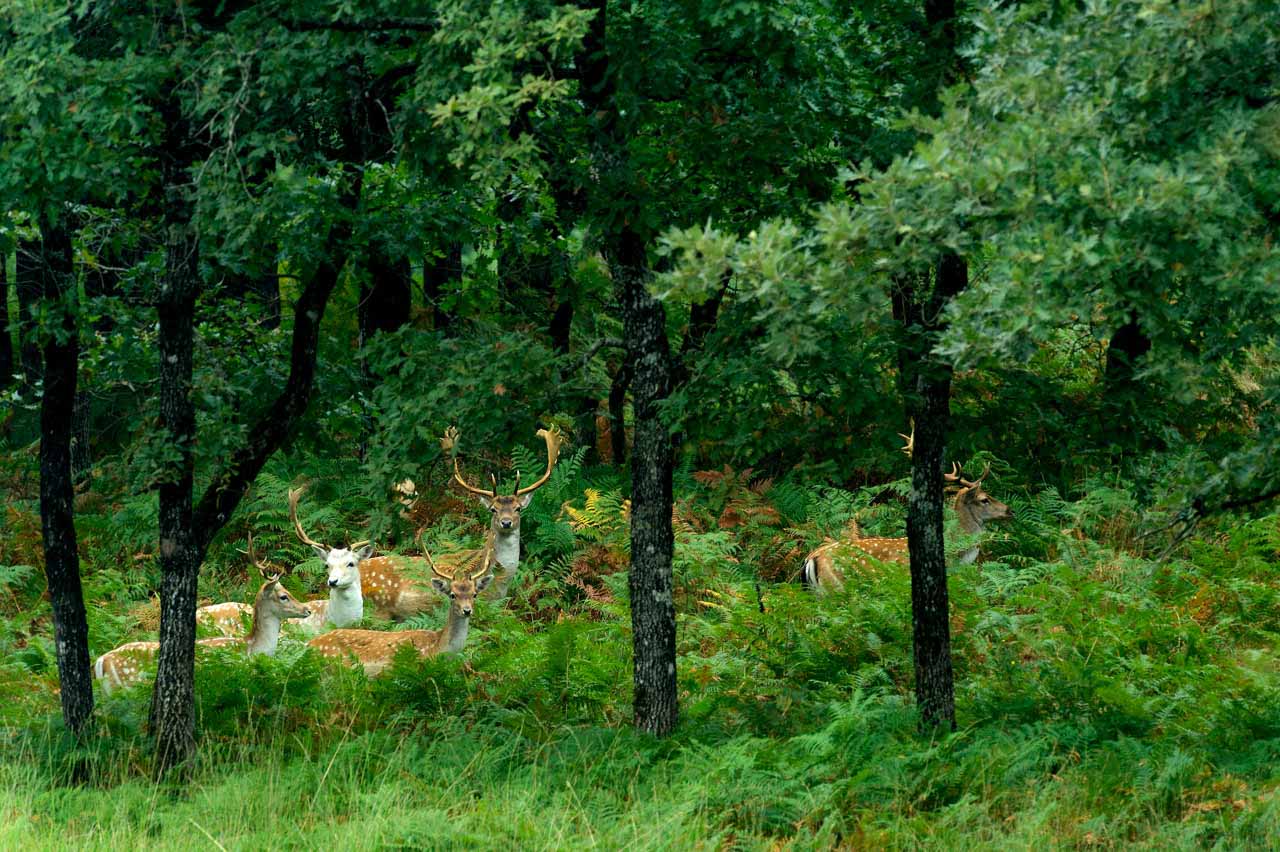
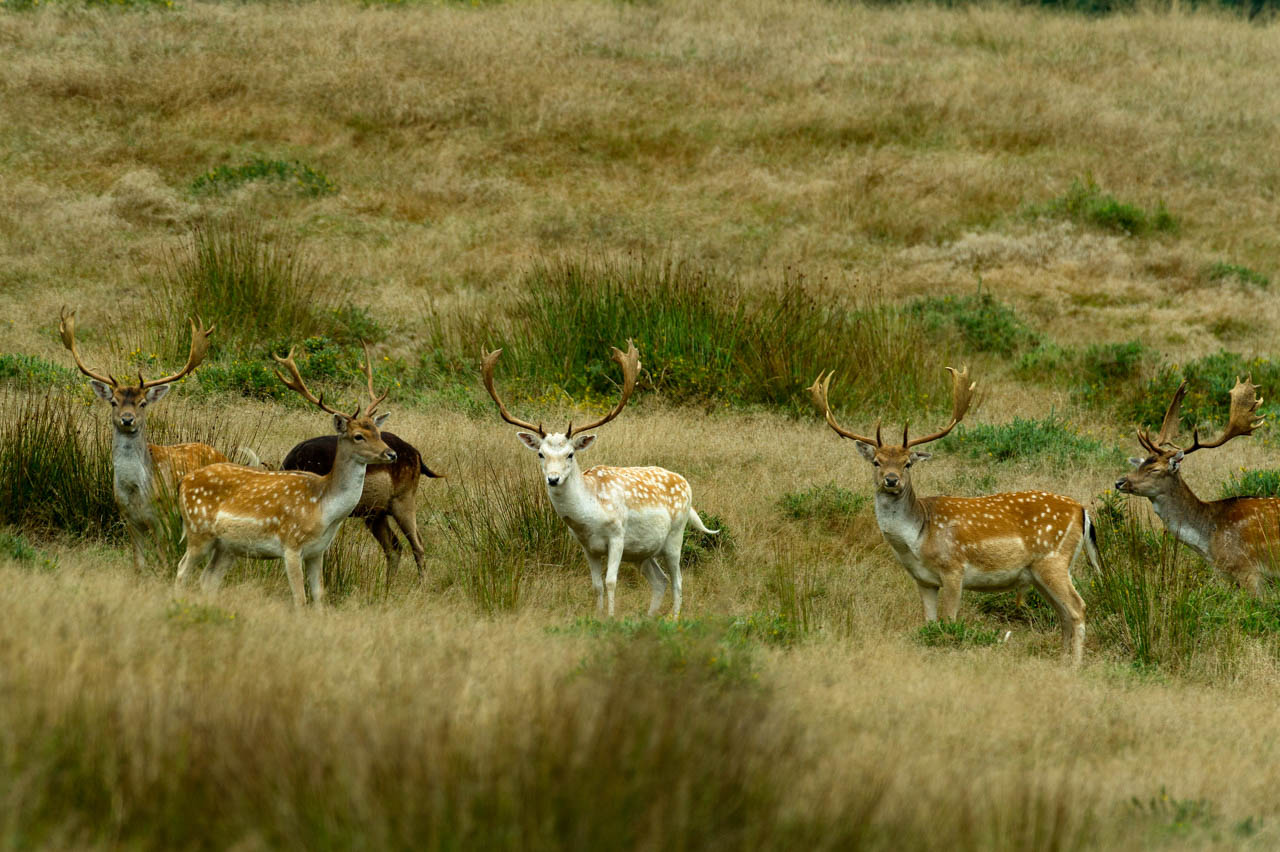
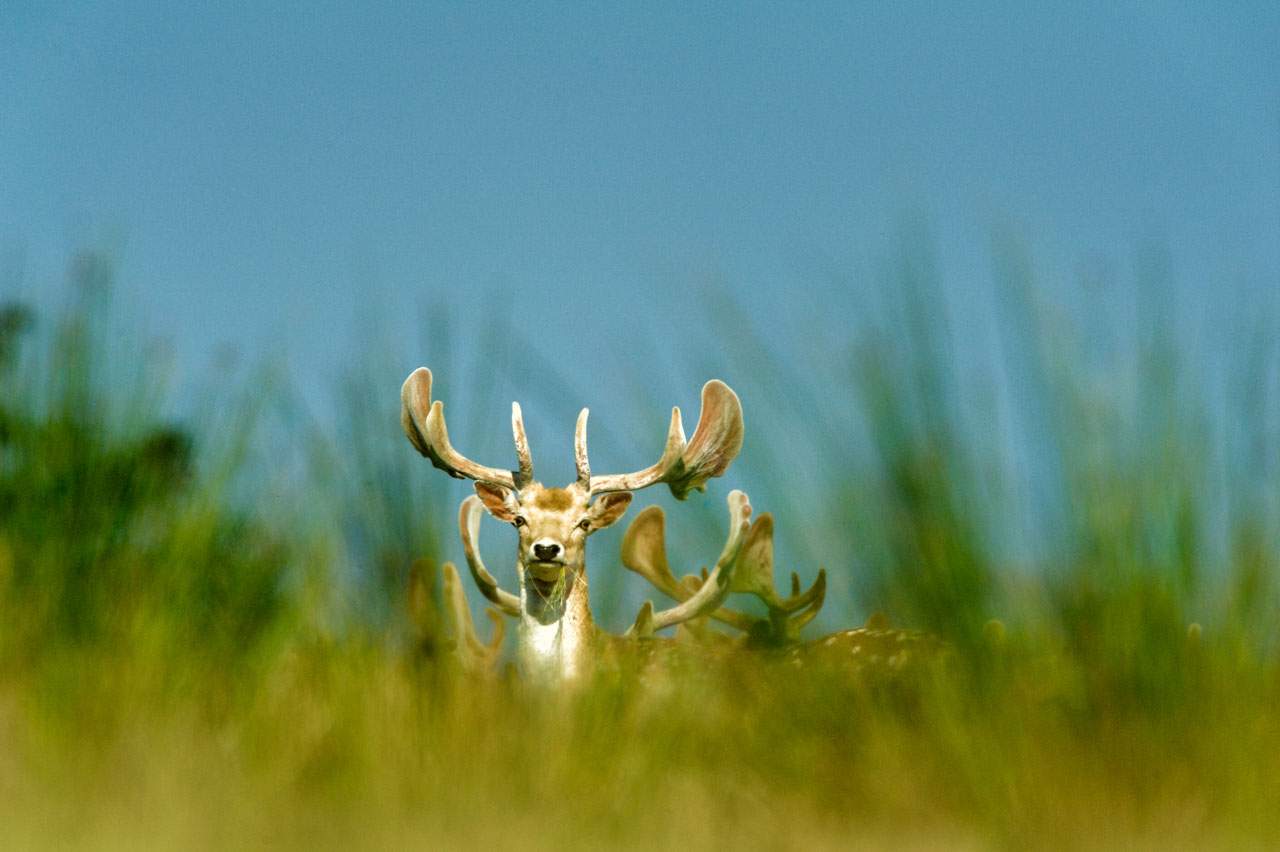
Herd of fallow deers in a forest of Poitou-Charentes region, France.
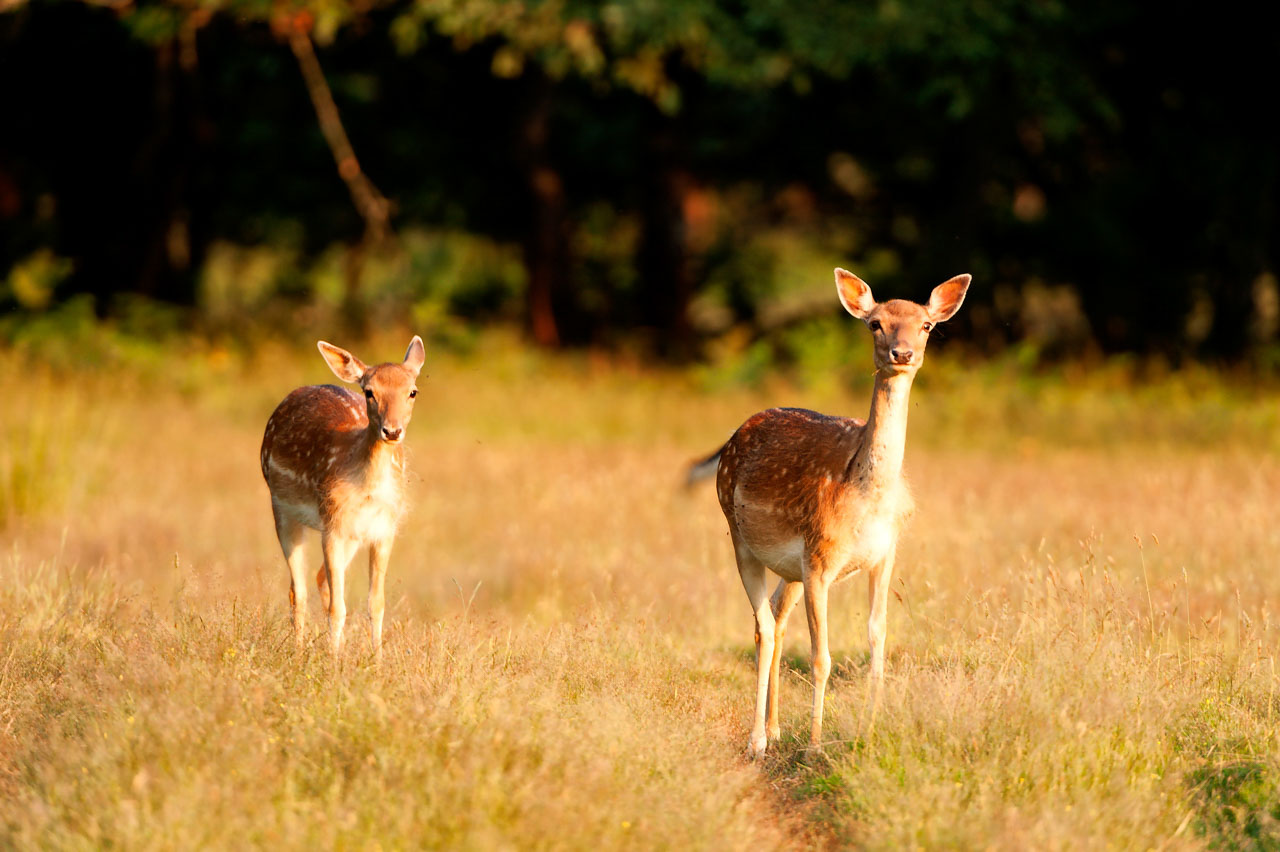
A doe and her fawn in a forest in Poitou-Charentes, France.
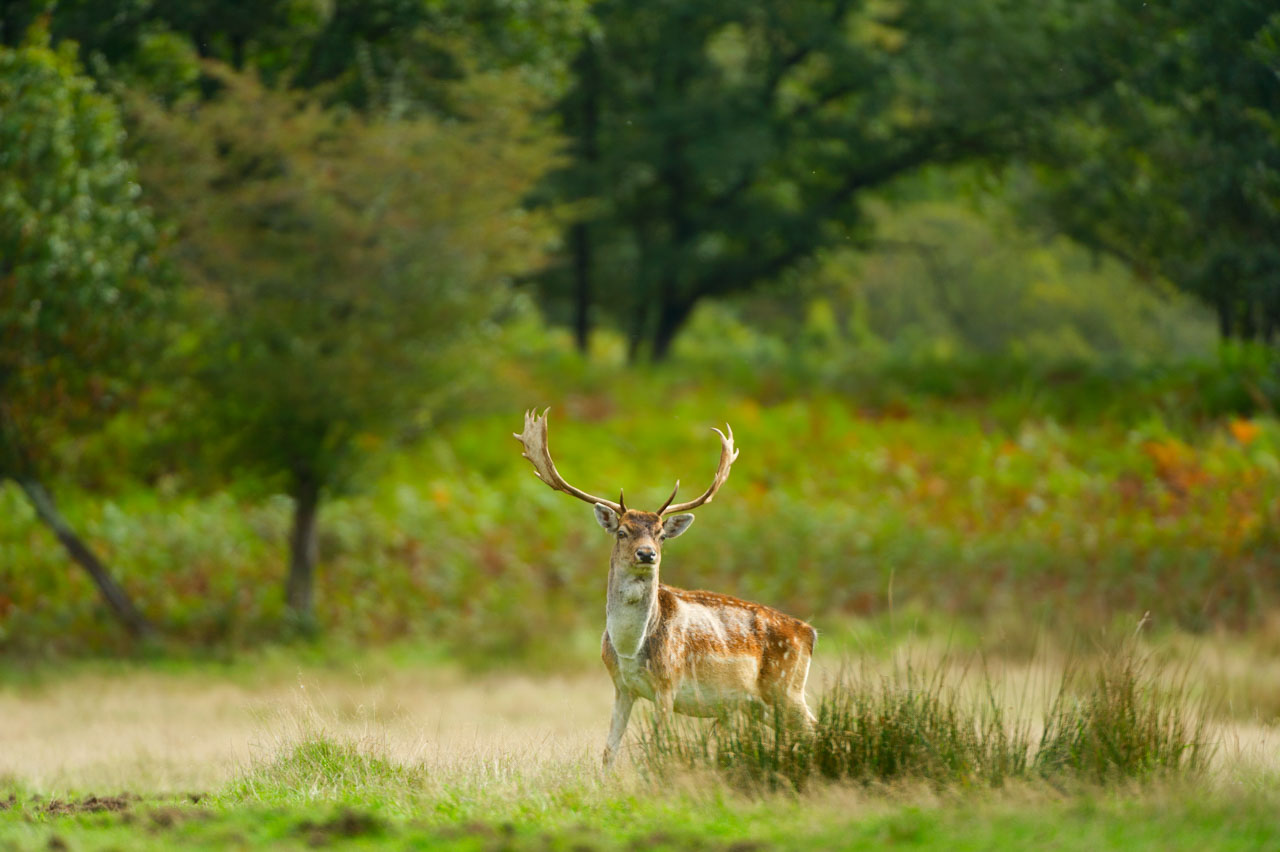
A deer in a meadow bordering a forest of Poitou-Charentes, France.
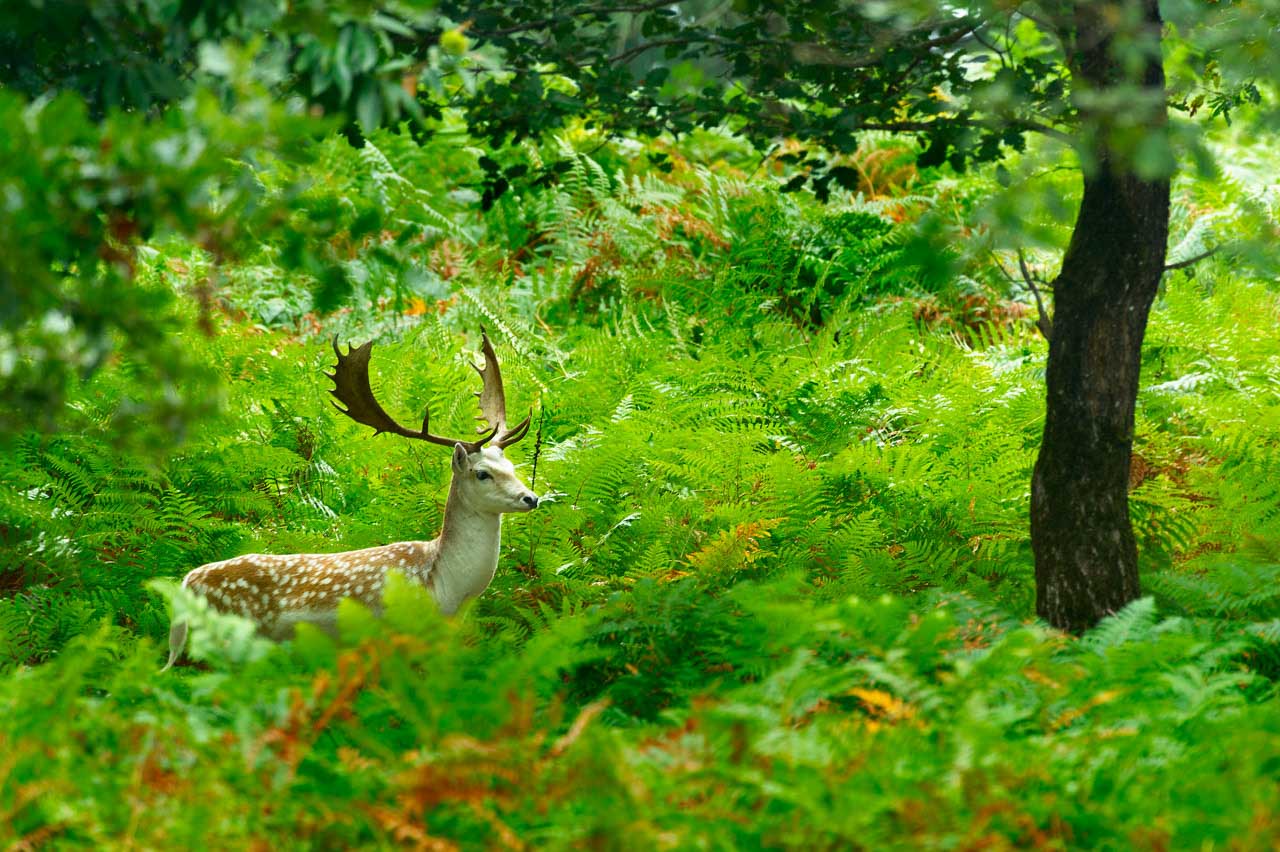
A deer in a clearing in a forest in Poitou-Charentes.

The wreck of the Sauerland off the coast of Charente-Maritime, France

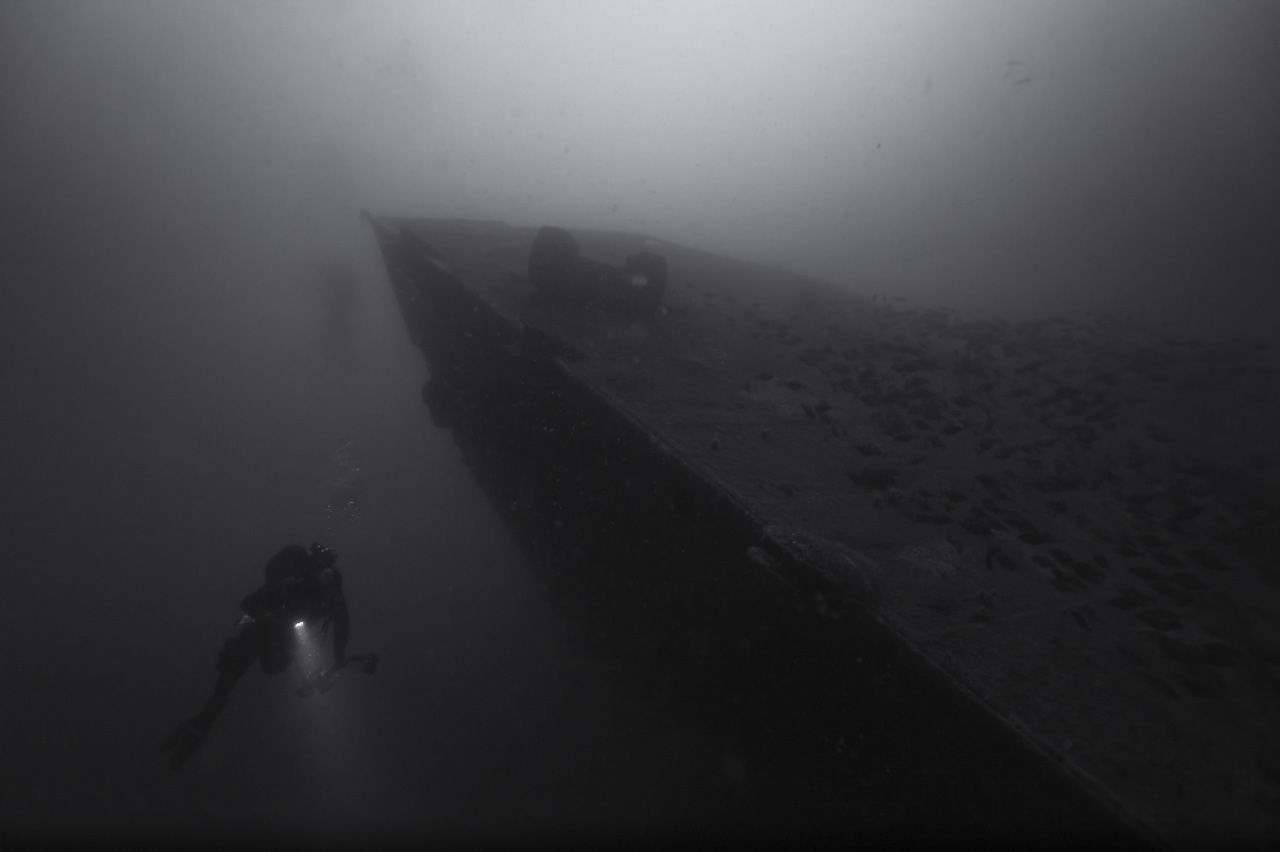
On August 12, 1944, the Sauerland, a German blockade breaker, was sunk 24 nautical miles from the port of La Rochelle in the west of France. Today she lies on sand 40 yards under the ocean’s surface. At 150 yards long, she is one of the largest shipwrecks off the coast of the Charente-Maritime.

The wreck of Sauerland sunk off the coast of Charente-Maritime in France, Atlantic Ocean.

Table of Contents

  • A Monumental Wreck From the Second World War
  • It Would Take at Least 5 Dives to Explore this Huge Wreck
  • The Wreck Is a Challenge to Photograph
  • An Extraordinary Wreck to Dive

A Monumental Wreck From the Second World War

The Sauerland was built in the shipyards of Gdansk. She was originally a merchant ship. Launched in 1929, she could accommodate 24 passengers and 57 crew members. She was equipped with two 5,000 horsepower diesel engines and could reach 12 knots. She measured 150 yards long. During World War 2, she was requisitioned by the German Navy, converted into a blockade breaker, and equipped with two 105 mm guns, eight 37 mm machine guns and twelve 27 mm guns. On August 12, 1944, she was attacked by aircraft, cruisers, and destroyers. She was sunk by a Polish ship, ORP Piorun.

It Would Take at Least 5 Dives to Explore this Huge Wreck

The wreck is located off the coast of Charente-Maritime, 24 nautical miles from the port of La Rochelle. The currents there can be quite violent. The best time to dive is at the stall tide. For this dive to be made safely, serious preparation is required. For example, to be sure to get down directly to the wreck, a buoy with a weighted sled on a rope must be put in place. Otherwise, since the visibility seldom exceeds 15 feet, it would be very easy to drift away from the wreck while descending, and it would be hard to find her again.

As often during the dives in the Atlantic, the water is green, largely opaque, and looks slightly sinister. The atmosphere is eerie. I am very glad to have the rope, because I cannot see the bottom. I amgetting impatient to find the wreck.

Once I find the wreck, I feel several shocks. The first one is the temperature. In about one minute, it has gone from of 26 degrees Celcius to 12 degrees. I am about 40 yards down, and have to be careful of narcosis. But the biggest shock is the sheer size of the steel monster. The visibility is good.  I can see around 25 yards around me. Wherever I look, I am see huge stacks of metal.

As part of my dive preparation, I decided which part of the ship to explore. For my first dive, I decided to go towards the bows. A glance at the compass and I head south. I have to be very careful not to swim too hard.

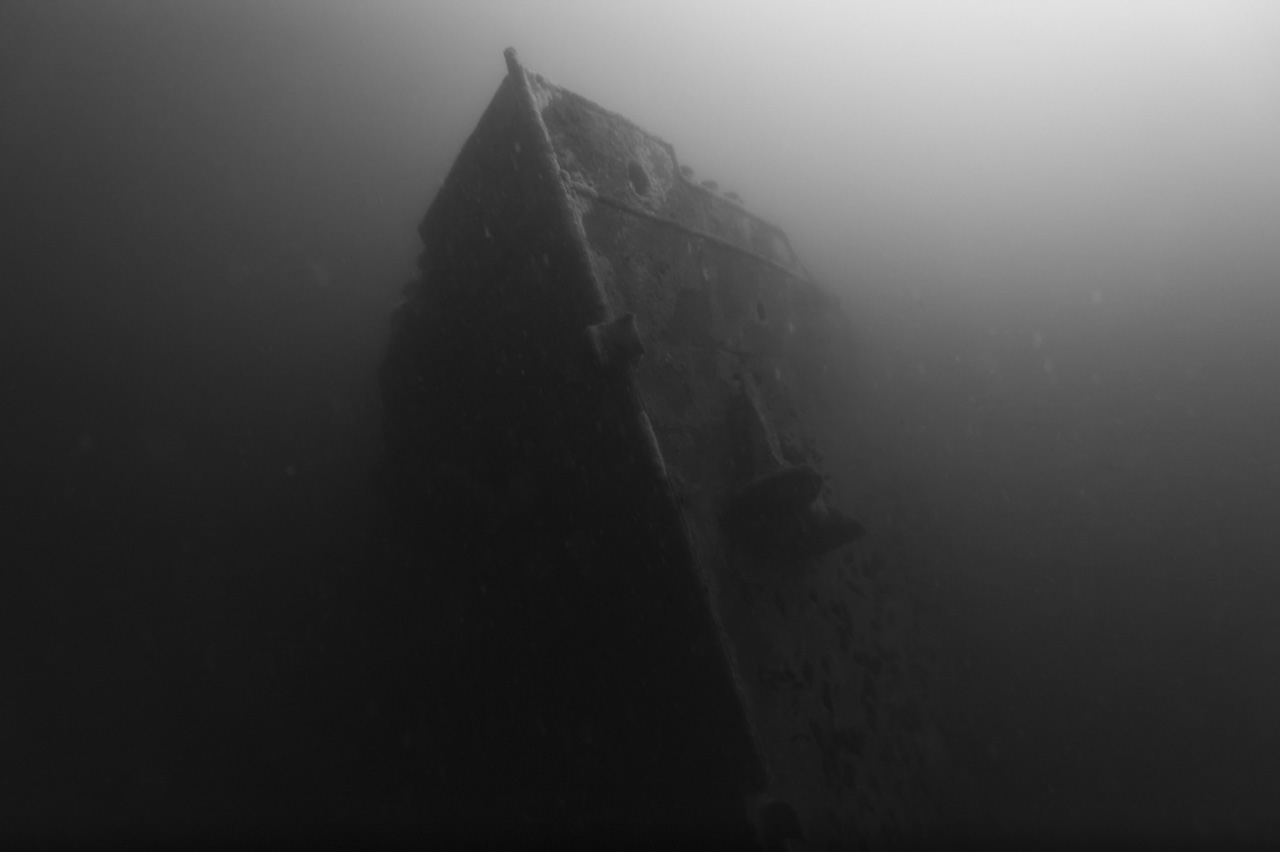
I know that I do not have much time, but, because of the temperature and depth, I also have to avoid working too hard and getting breathless. I have 20 minutes to find the bows and take my pictures. After 3 minutes of kicking, I arrive at the front of wreck. The bows stands proudly 30 feet above the sandy bottom. The anchors are still in position. It is an awesome sight. I take a little bit of time to control my breathing, then I start to take pictures. I have very little light, which makes it hard to focus the cameras.

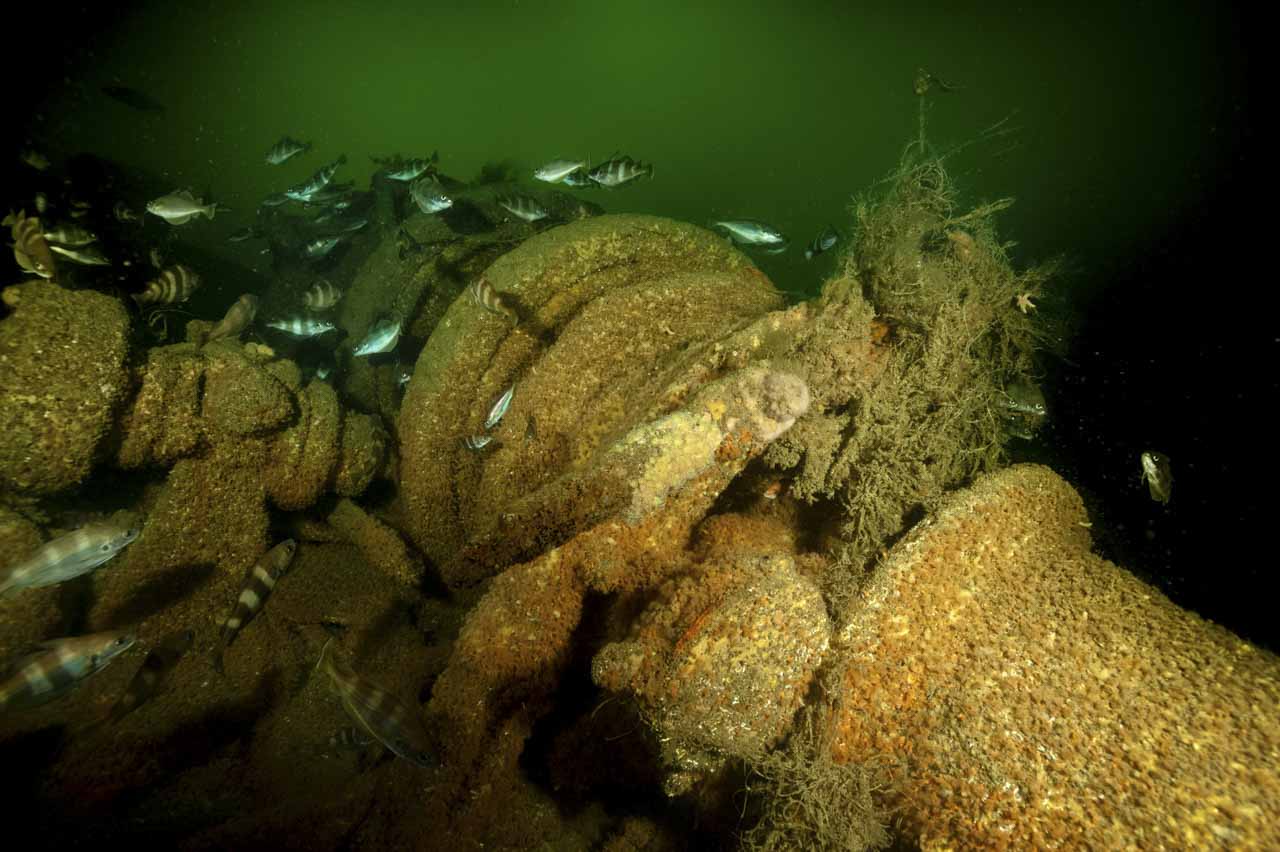
After 8 minutes, I decide to go back to photograph the windlass and the huge anchor chains. As soon as I finish with my pictures, it is time to go. On my way back to the rope and sled, I swim over the wreck. I see one of the two motors, which is in perfect condition. It is the largest one I have ever seen.

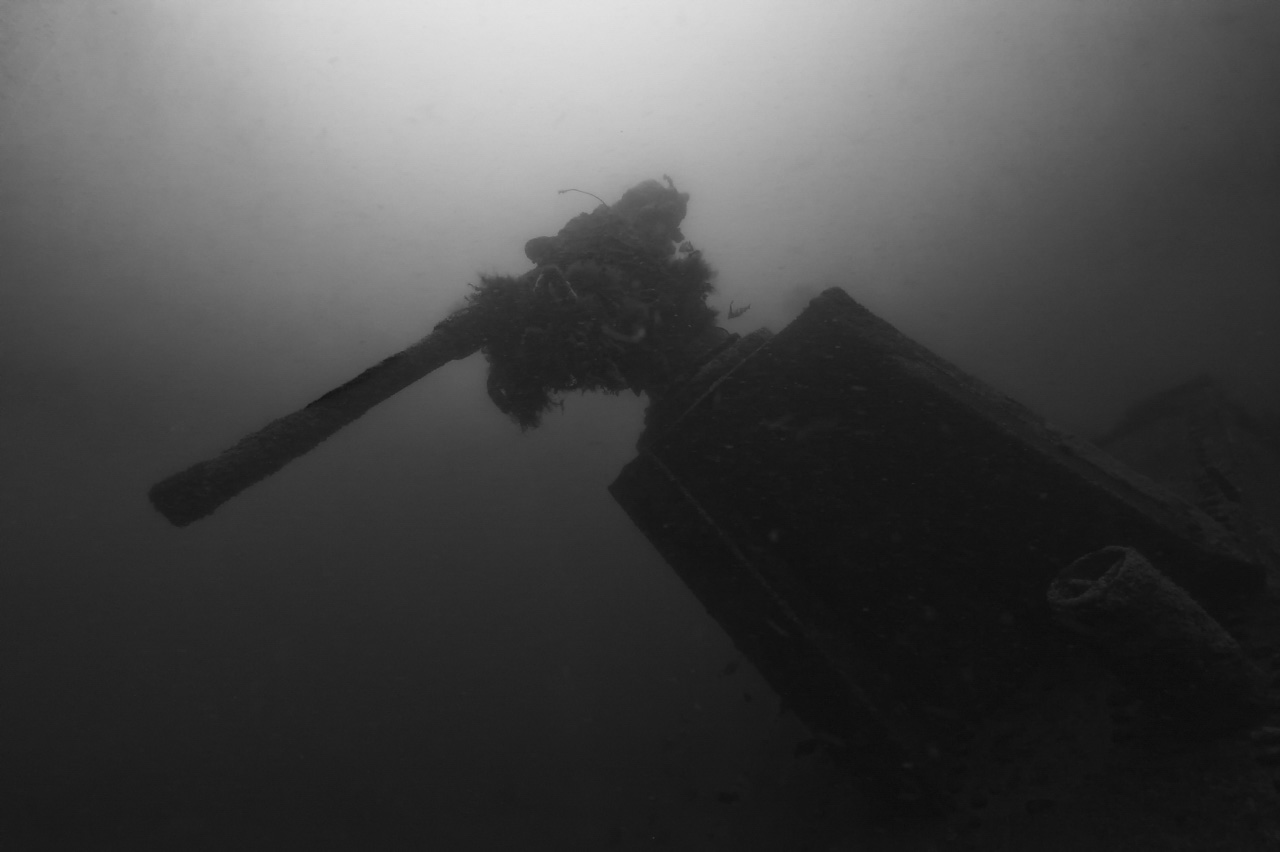
On my second dive, I explored the stern of the Sauerland, and her 105 mm gun, which was still in place. I took the opportunity to take some pictures of the huge schools of pouts and bars that have taken up residence in the wreck. The stern is only 30 yards deep, but once again time was all too short. I focused on the essentials.

Once I was back on the diving boat, I decided that it would take at least five dives to fully explore this steel monster that lies forever off the coasts of Charente-Maritime.

The wreck of Sauerland sunk off the coast of Charente-Maritime in France, Atlantic Ocean.

The Wreck Is a Challenge to Photograph

The Sauerland is difficult to photograph. The first problem is that she is huge. It is essential to decide where you are going before you dive. There is very little light, and it is difficult for the cameras to focus. It is better to use manual focus. Second, I have very little time underwater: 25 minutes at most with a nitrox mix.

Finally, the wreck provides opportunities for all kinds of pictures, from very wide angle shots to close-ups. You have to choose the lens you want and not regret the choice once you get to the bottom.

An Extraordinary Wreck to Dive

So far, I have only dived to the Sauerland twice. She is a remarkable wreck, and a wonderful diving opportunity.  She is rich both in history and beauty. One thing is certain. After exploring the Sauerland, a diver is not the same.

The wreck of Sauerland sunk off the coast of Charente-Maritime in France, Atlantic Ocean.
  1. France. Department of Ain. La Dombes
  2. Aquatic Warbler Photographed in Charente-Maritime, France
  3. Canyon de Chelly in Arizona state, USA
  4. Knowing How to Prepare a Photo Project is a Must for a Photographer

Page 156 of 201

  • 151
  • 152
  • 153
  • 154
  • 155
  • 156
  • 157
  • 158
  • 159
  • 160
  1. You are here:  
  2. Home
  3. Blog Photographic Approach

Share on Social Media

Post
Share
Share
E-mail
WhatsApp
Text

Join Me on Social Networks

Join Me on Facebook  Join Me on Instagram  Join Me on LinkedIn

Claim your free guide to make your photo impactful and meaningful

Claim Your Free Guide '50 Pages of Tips to Give Impact and Meaning to Your Photos'.

4 + 8 =

Click Here To Discover All My Chronicles About the Photographic Approach.

Treat Yourself to a Fine Art Print That Matches your Personality

Example of a vacation home interior with a black and white fine photo art displayed on the wall.

Fine Art Print Collections in Black and White

Fine Art Print Collections in Black and White Black and white photography is a suitable technique for many nature scenes. It requires a particular frame of mind. A black and white photograph should be prepared and planned from the framing to the…
11991
Fine Art Print Collections in Black and White
An abstract art photo displayed in a contemporary living room decor.

Fine Art Print Collections in Color

Collections of Fine Art Prints in Color Color photographs allow digressions and take the audience to the message by secondary ways. The world around us, especially nature, is colorful. A color image can show the way our surroundings really are. Of course, it…
10440
Fine Art Print Collections in Color
Example of a home interior with fine art prints in my style back to black displayed on the wall. These photos are a part of my collection 'Wild beauties of Kenya'.

Fine Art Print Collections in Back to Black

Fine Art Print Collections in Back to Black I want to share my fine art prints of nature in a personal style that I call "back to black." "Back to Black" was developed to embody a sharp and clean style for artistic photos that can be hung in your living room,…
9980
Fine Art Print Collections in Back to Black
A waiting room with a photo in the style Fusion displayed on the wall. Grey Heron in Fusion.

Fine Art Print Collections with the Fusion Style

Fine Art Print Collections with the Fusion Style I would like to share a very creative and modern photography style to represent Nature in a very different way. I call it "Fusion." I created the style to offer dynamic photos, allowing you to start a good day…
7908
Fine Art Print Collections with the Fusion Style
A living room with a photo in the style 'Impression' exposed on the wall. Rising sun in impression

Fine Art Print Collections with the ‘Impression’ Style

Fine Art Print Collections with the ‘Impression’ Style The objective of this photographic style is to create the ephemeral blurs. That's why I named it 'Impression.' Photography, as an art form, is a powerful means of expressing reality from different…
5827
Fine Art Print Collections with the ‘Impression’ Style
Fine art prints from the style back to black displayed on a wall. Amar Guillen, photographer artist

New Collections of Fine Art Prints Dedicated to the Wonders of Nature

New and Updated Fine Art Print Collections Dedicated to the Wonders of Nature Fine art prints from the style back to black displayed on a wall.
11446
New Collections of Fine Art Prints Dedicated to the Wonders of Nature

Themes of the Blog Articles

Landscape of Arches National Park in Utah in black and white.

Blog Articles Dedicated to Artist Statement

Blog Articles Dedicated to Artist Statement
Dunes of death Valley in Black and White

Blog Articles Dedicated to Black and White Photography

Blog Articles Dedicated to Black and White Photography
Abstract photo or trees reflection on water

Blog Articles Dedicated to Photographic Mindset

Blog Articles Dedicated to Photographic Mindset
Abstract photo of ridles on water

Blog Articles Dedicated to Artistic Photography

Blog Articles Dedicated to Artistic Photography
Abstract photo of Yellowstone

Blog Articles Dedicated to Photographic Language

Blog Articles Dedicated to Photographic Language
Pronghorn in Yellowstone

Blog Articles Dedicated to Wildlife Photography

Blog Articles Dedicated to Wildlife Photography
Landscape of Bryce Canyon

Blog Articles Dedicated to Photographing United States

Blog Articles Dedicated to Photographing United States
Underwater waves in the Red Sea

Blog Articles Dedicated to Photographic Techniques

Blog Articles Dedicated to Photographic Techniques
Tree of Black Canyon in Black and White

Blog Articles Dedicated to Landscape Photography

Blog Articles Dedicated to Landscape Photography
Manta Ray in Maldives in Black and White

Blog Articles Dedicated to Underwater Photography

Blog Articles Dedicated to Underwater Photography
Red Deer stag during the rut of the deer

Blog Articles Dedicated to Photographic Judgement

Blog Articles Dedicated to Photographic Judgement
Great Crested Greb and his chick

Unclassified Blog Articles

Unclassified Blog Articles

You Might Be Interested By One of These Photographic Approach Articles

Photograph in black and white of the Grand Canyon from Arizona State in USA.

Why and How Mastering the Steps of Creating an Art Photograph

3603
Why and How Mastering the Steps of Creating an Art Photograph
An example of a narrative photo. Landscape of Island in the Sky in the Canyonlands in Utah in United States. Photo in black and white by Amar Guillen.

Why and How: Creating Impactful Narrative Photos

4118
Why and How: Creating Impactful Narrative Photos
Snowy landscape of Yellowstone during winter.

3 Steps for Giving Meaning to Your Photos

8750
3 Steps for Giving Meaning to Your Photos
Two lions in Kenya. Photographed in black and white. Photograph by Amar Guillen, photographer artist.

To Create Aesthetics Photos, Print your Images

4238
To Create Aesthetics Photos, Print your Images

Receive Free Tips On How to Give Impact and Meaning to Your Photos. Subscribe to Receive Regular Articles.

2 + 7 =

Contact Me By Email

10 + 9 =
This site is protected by reCAPTCHA and the Google Privacy Policy and Terms of Service apply.

About Amar Guillen, Creator of Fine Art Prints of Nature
As a photographer capturing the artistic essence for several decades, I have mastered the art of crafting an authentic experience for art enthusiasts and collectors of visual art.
When I observe my surroundings, be it friends, family, relationships, or professional contacts, I see souls in perpetual motion. Every moment of their existence is engulfed by daily hassles, work concerns, social media, online or televised information streams, and videos on the web.
Every minute, they strive to accomplish something, fearing losing ground and feeling marginalized in this frenzied society. Imprisoned by an oppressive schedule, the essential eludes them, drowned in the tumult of daily life. Is it really crucial to watch yet another cat video on the internet? Is it necessary to post twenty daily messages on social media?
Despite this, they remain constantly stressed and anxious about the challenges of the world, without being able to influence these monumental problems. It is at this moment that my artistic nature photographs come into play. Those who have had the privilege of hanging one of my works in their personal or professional space have expressed a radical transformation in their lives.
Every day, contemplating these works of art immerses them in tranquility, inner peace, and rediscovered serenity. They then understand that nature has the power to unravel tensions, to encourage reflection on the essential. Artistic photographs thus become open windows to the wonders of nature.
I have chosen to share the best of myself by helping others discover their identity, personality, style, all while reconnecting with nature. Take the time to explore my artistic photographs if you wish to reveal your true essence. Once hung in your space, your view of the world will be transformed.
Amar Guillen is a creator of fine art prints of nature.
I am Amar Guillen, creator of nature art photographs. I have a deep conviction that contemplating nature has the power to transform human beings. If everyone learned to know, respect, and preserve nature, our world would be transformed into a haven of peace where everyone would find their place.
Copyright © 2003 - 2026 Guillen Photo LLC - All rights reserved. Amar Guillen, professional photographer since 2003.
  • Blog
  • Calibration
  • Legal Information
  • Sitemap
  • Accessibility
  • Contact Me
  • Updates of the Website
I Want to Help You to Create Interesting Photos

How Can I Help You To Create More Interesting Photos?

Ask Me a Technical Question.
Subscribe to my Newsletter. The Inspiration Behind Guillen Photo.

Select your language

  • English (United Kingdom)
  • Français (France)
Claim your free guide to make your photo impactful and meaningful

Claim Your Free Guide '50 Pages of Tips to Give Impact and Meaning to Your Photos'.

1 + 7 =

Contact Me By Email

8 + 4 =

Office Address:
3512 Robin Road
Plano Texas 75075
USA

Office phone: (+1)214-769-6825