• The Art of ChoosingHome page
  • Fine Art Prints3 Editions
  • CollectionsAll Collections
  • AboutAmar Guillen
  • Customer Space & Contact
  • Select your language

    • English (United Kingdom)
    • Français (France)
  • All You Need to Select Your Fine Art Print
    • How to Choose a Fine Art Print - Q&A - FAQ
    • New Creations
    • Explore Some Interiors
    • Fine Art Print Blog
  • Browse by Edition
    • All Fine Art Prints
    • Unique Edition
    • Limited Edition
    • Open Edition
  • Browse by Style
    • Black and White
    • Color
    • Fusion
    • Impression
    • Back to Black
    • Landscapes in Black and White
    • Landscapes in Color
    • Animals in Black and White
    • Animals in Color
  • Browse by Theme
    • Landscape
    • Wildlife
    • Underwater
    • Abstract
    • Symbolic
    • Landscapes of the United States
    • Landscapes of France
    • Landscapes of Scotland
    • Seascapes
    • Relaxing
    • Energizing
    • Playful
  • Browse by Format
    • Rectangular
    • Square
    • Panoramic
  • Contact Me
    • Contact Me by Email or Phone
  • Collections
    • New Collections
    • All Collections
  • Browse by Theme
    • Landscapes
    • Wildlife
    • Underwater
    • Abstract
    • Symbolic
    • Landscapes of France
    • Landscapes of the United States
  • Browse by Style
    • Black and White
    • Color
    • Impression
    • Back to Black
    • Fusion
  • Contact Me
    • Contact Me by Email or Phone
  • Discover More About Me
    • Discover Who is Amar Guillen
    • Artistic and Photographic Statement
  • Galleries
    • Photo Galleries
    • Abstract Portfolio in Color
    • Black and White Landscape Photography Portfolio
    • Color Landscape Photography Portfolio
    • Black and White Wildlife Photography Portfolio
    • Color Wildlife Photography Portfolio
    • Underwater Photography Portfolio
  • Contact Me
    • Contact Me by Email or Phone
  • Your Customer Space
    • Create or Manage your Account
    • Your Download Space
    • Your Orders
  • Contact Me
    • Contact Me by Email or Phone

You are in that section: Home > Blog > Blog of the Photographic Creation Approach

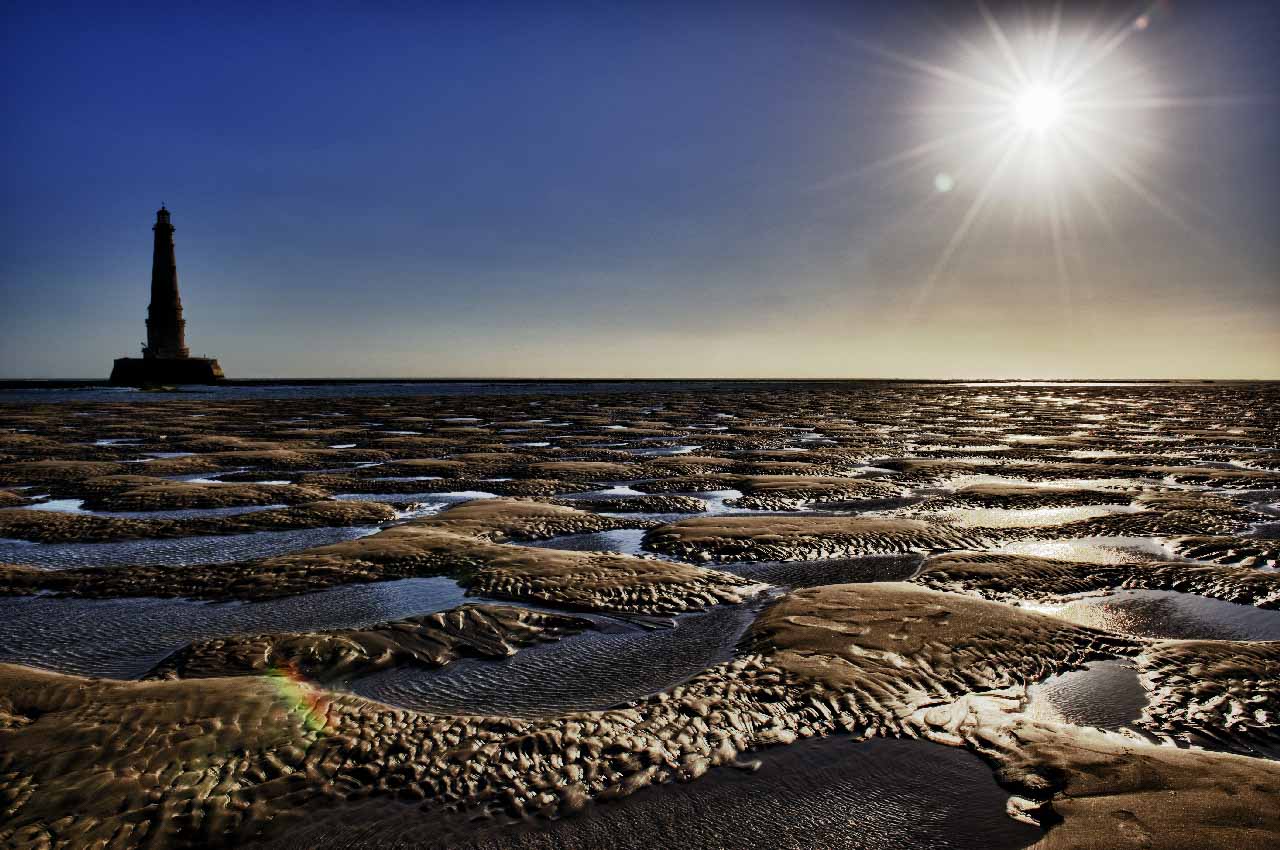
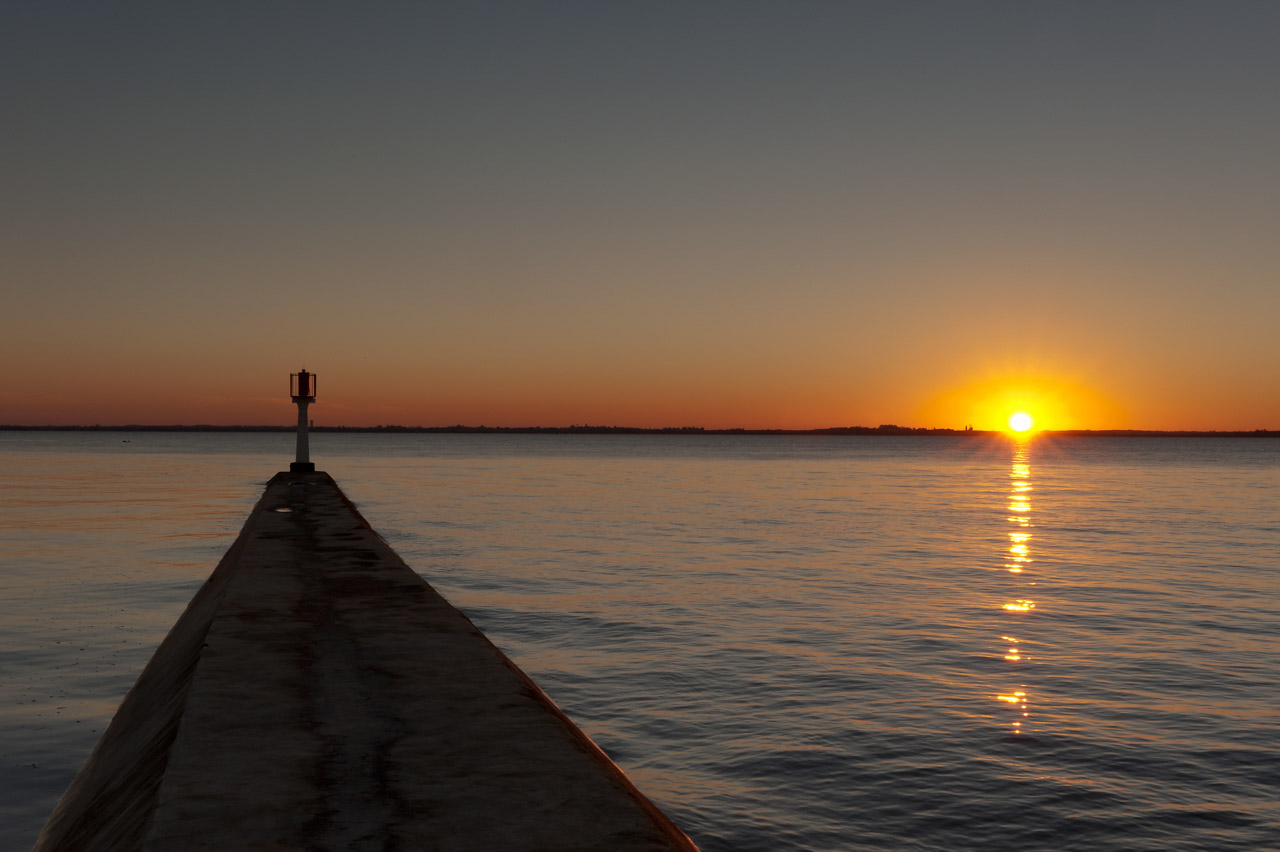
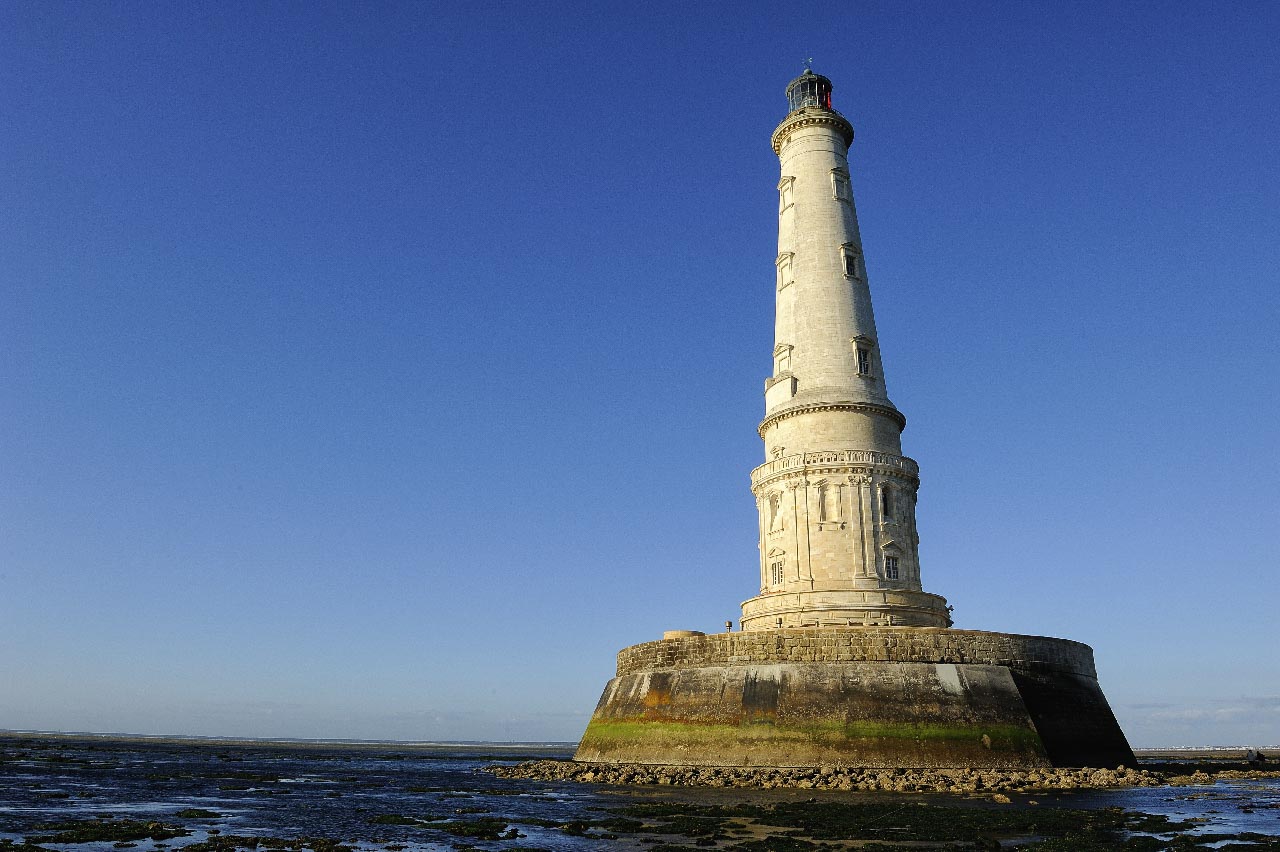
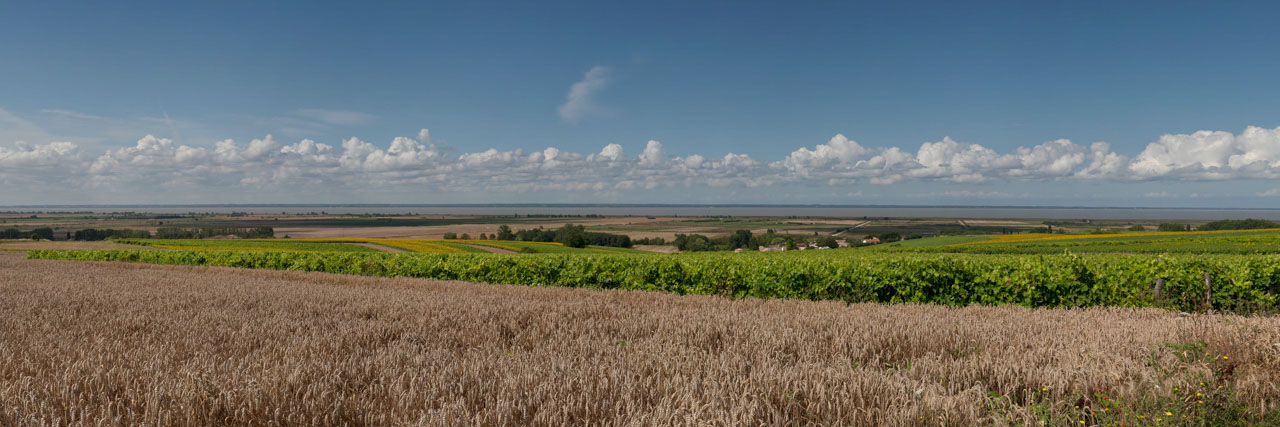
Landscapes of the shores of Gironde estuary in Charente-Maritime, Southwest of France

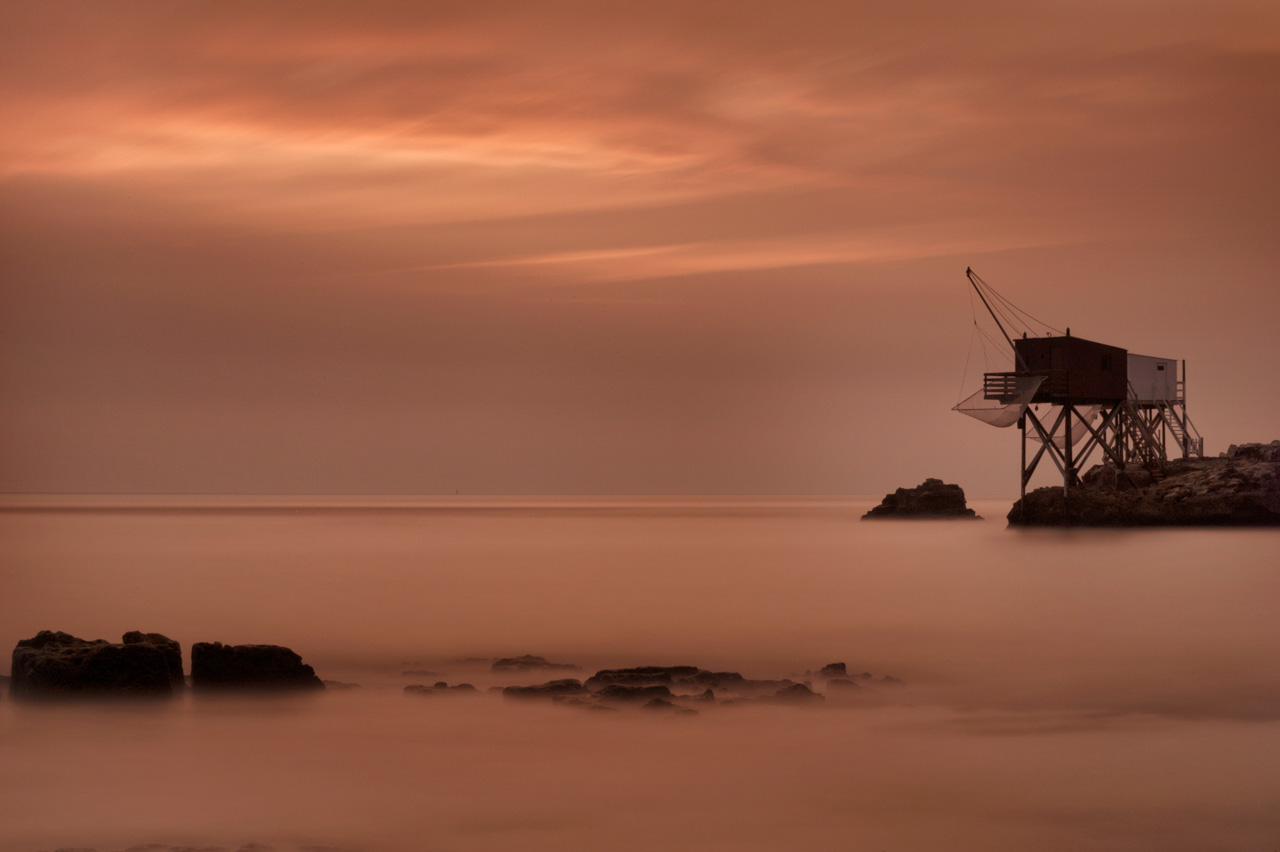
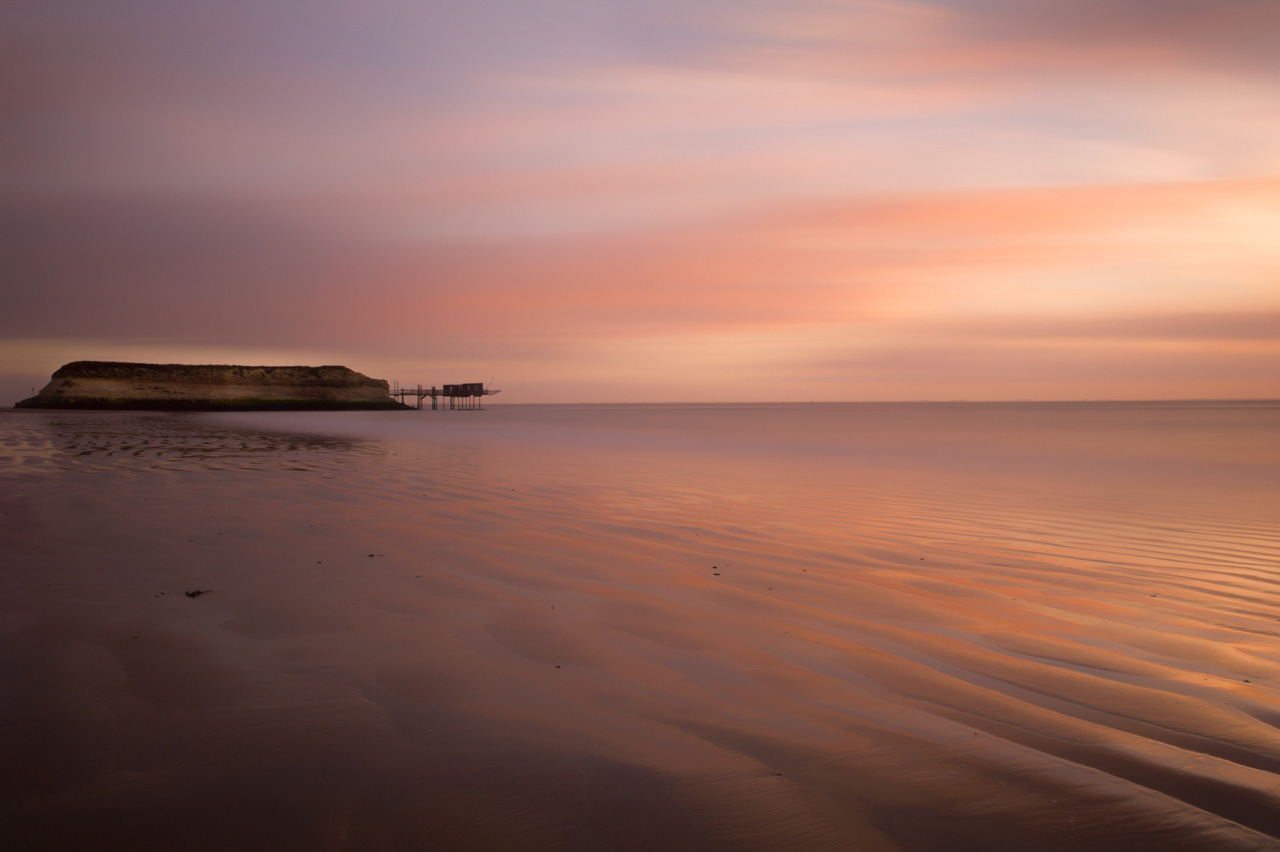
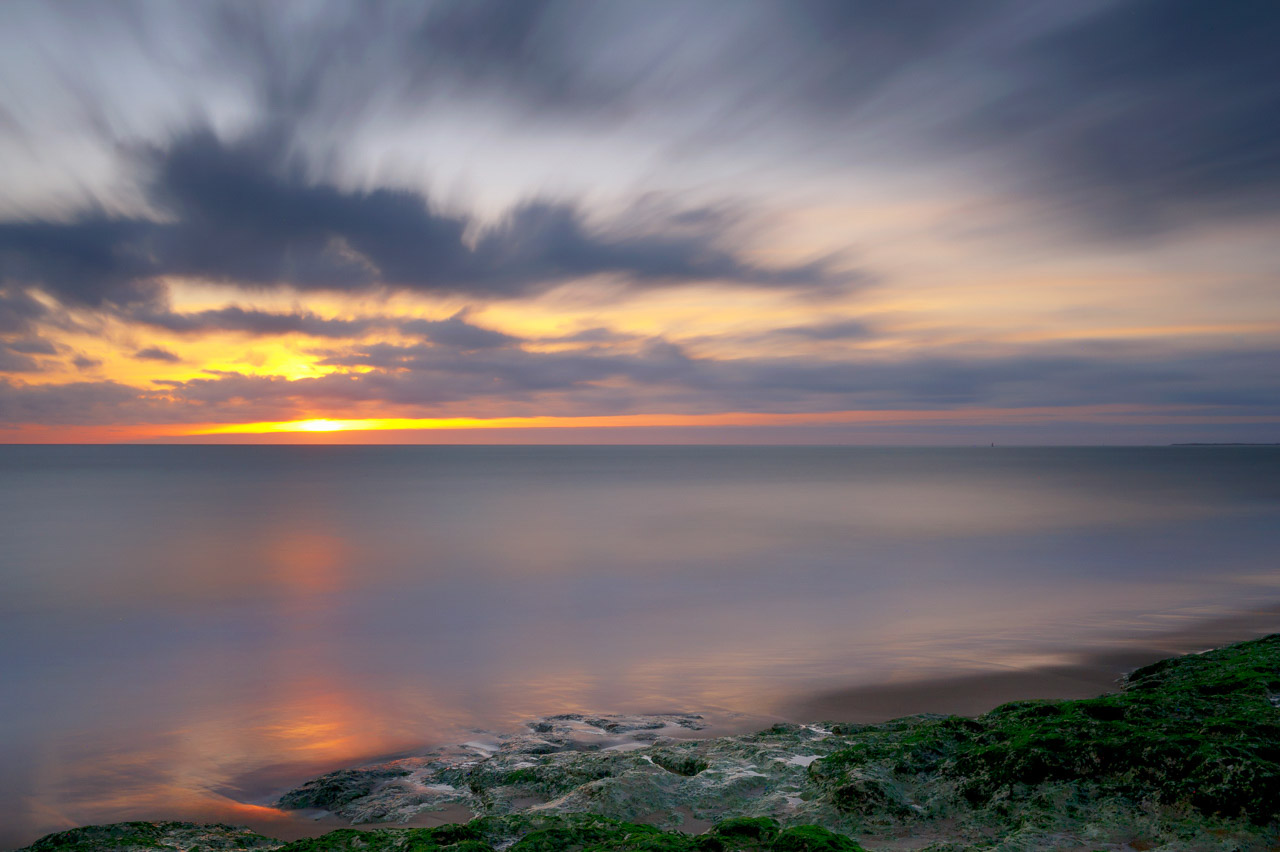
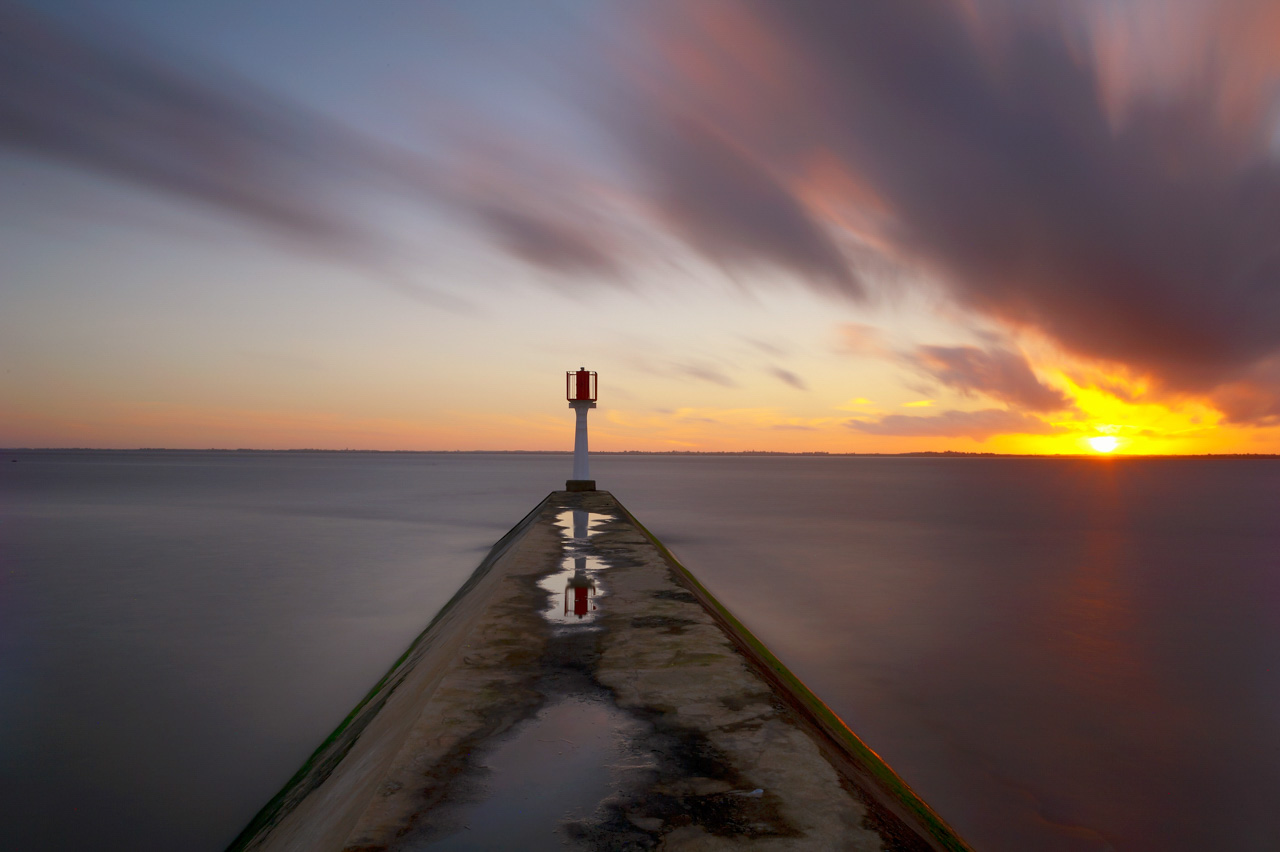
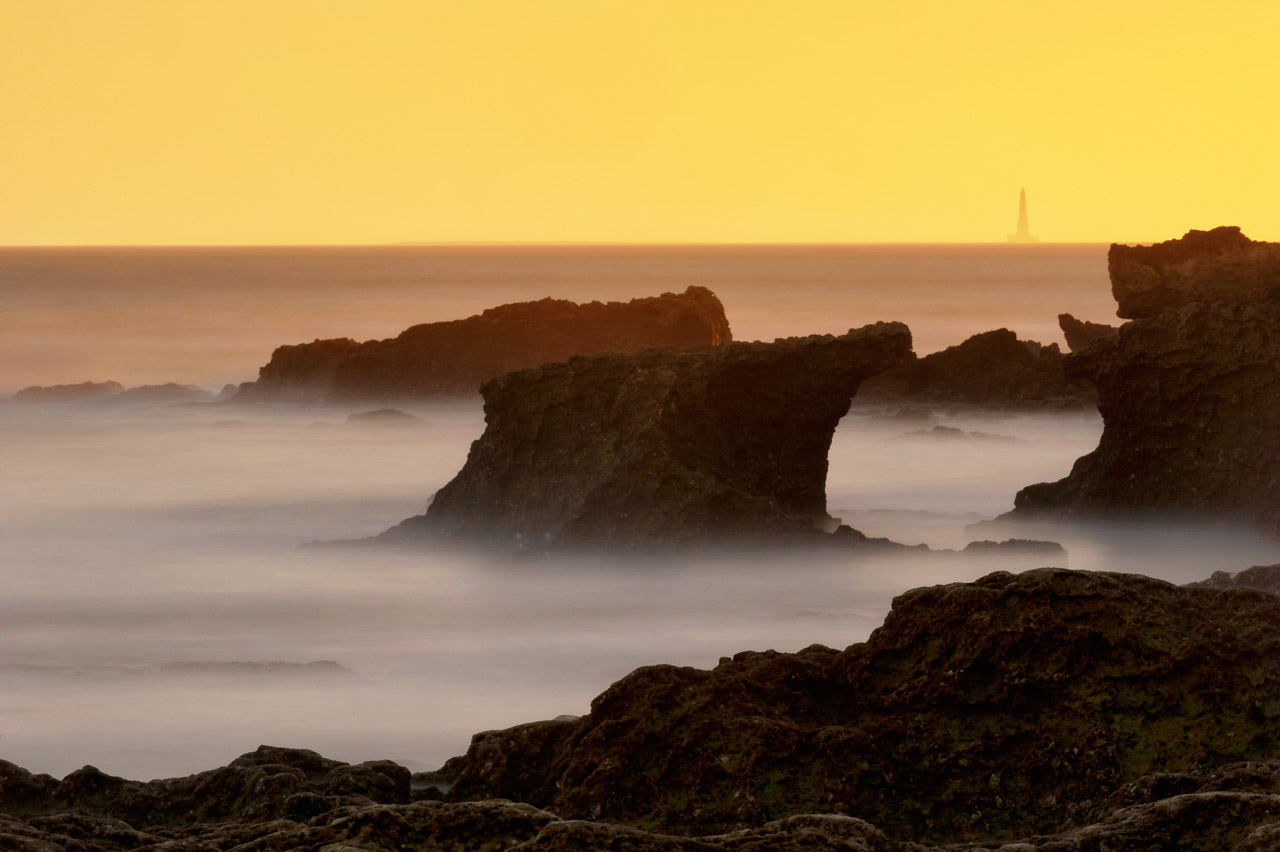
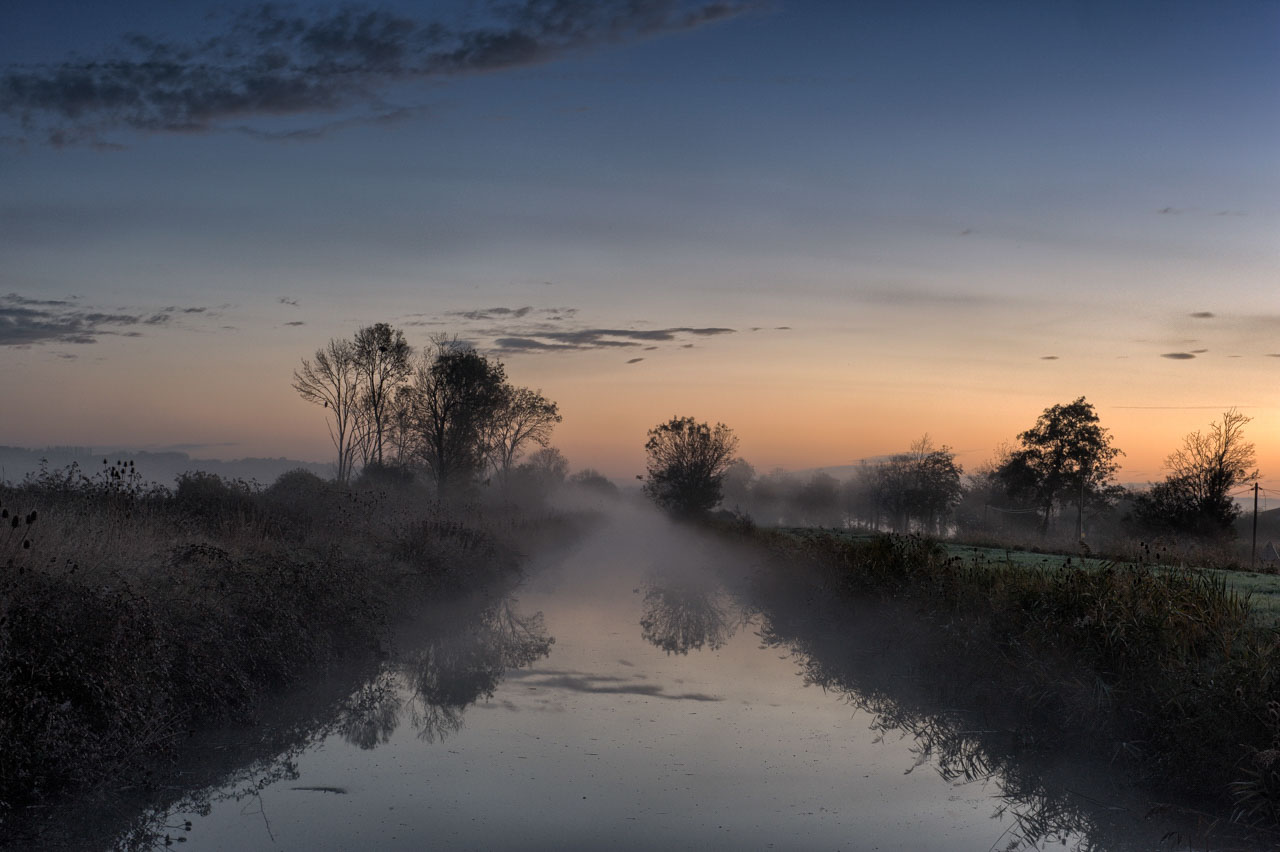
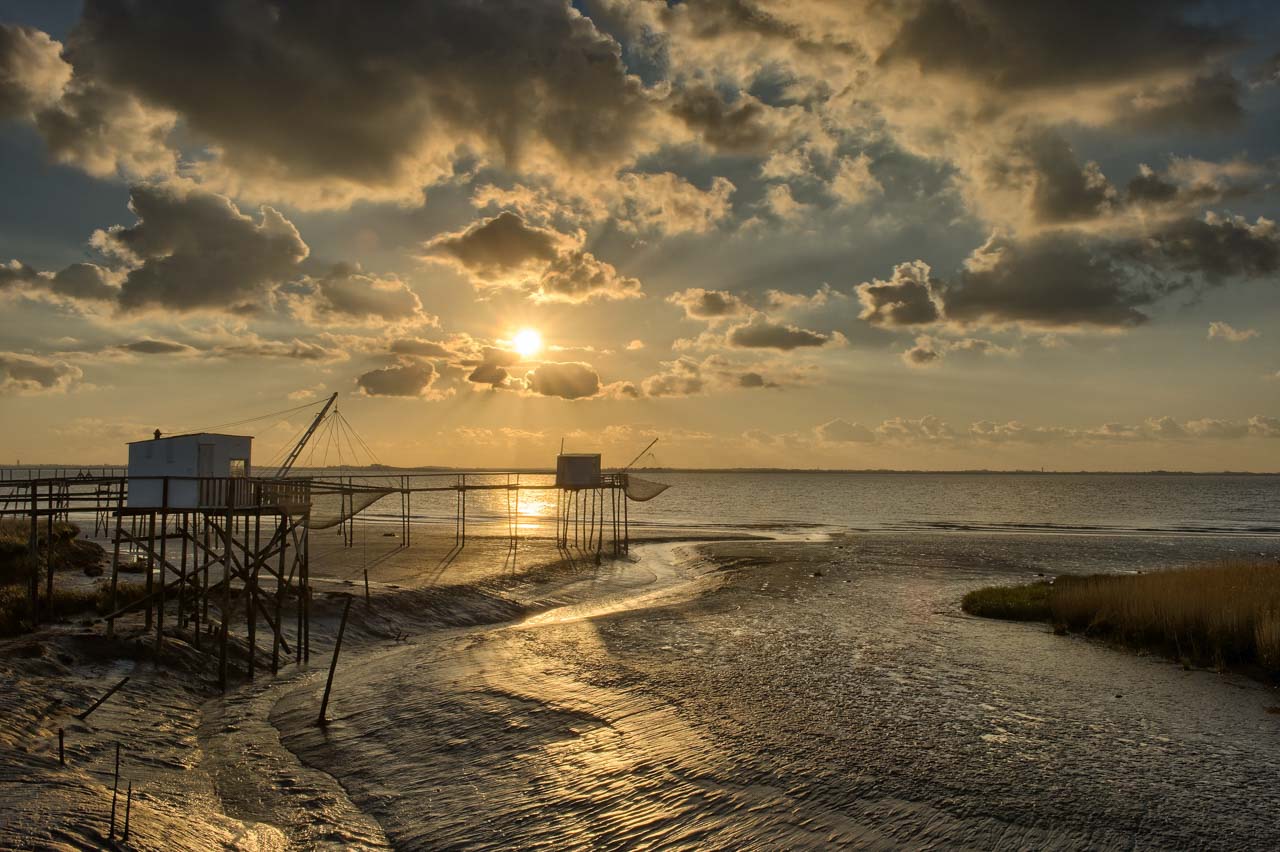
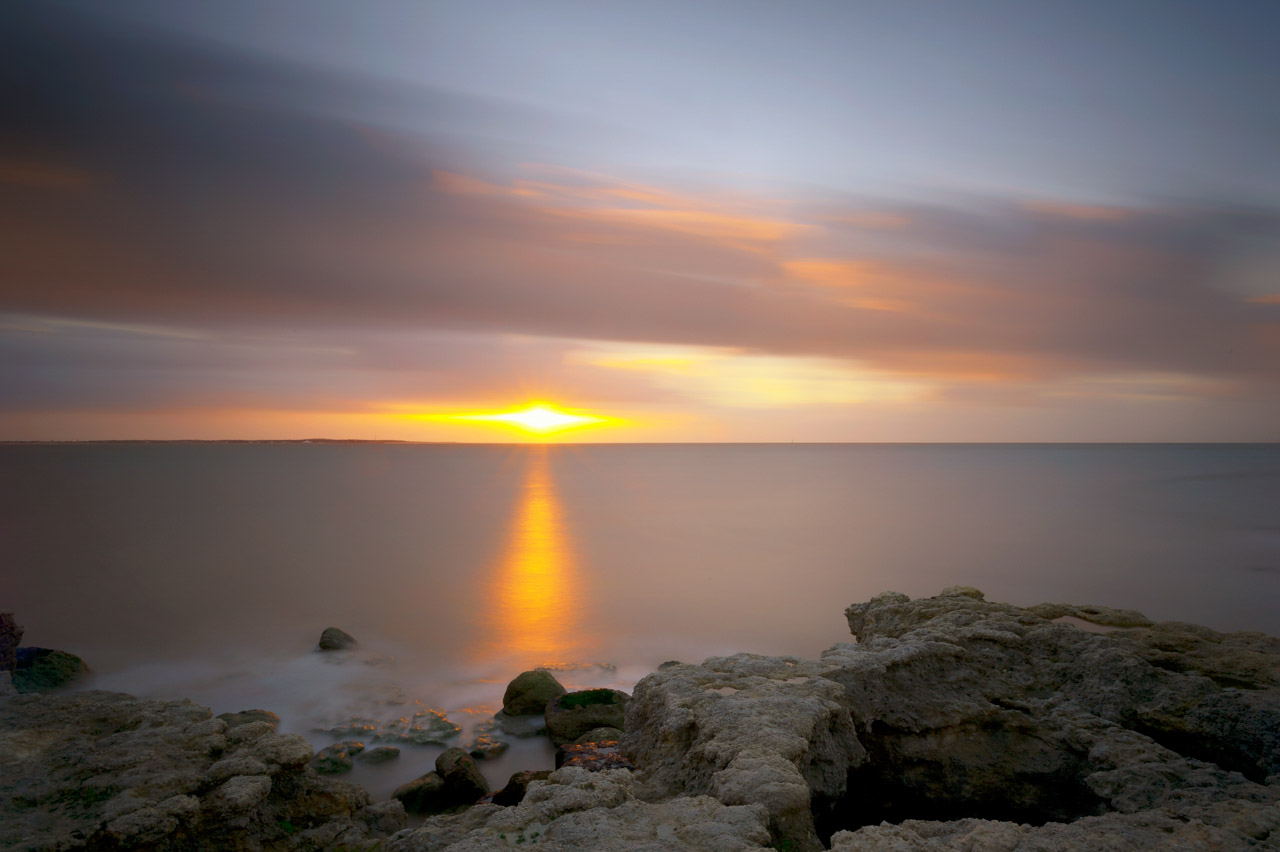
The Gironde estuary is a paradise for landscape photographers. The lights and colors are absolutely incomparable because of the geographical situation of the largest estuary in Europe. The estuary waters bathe two regions: Aquitaine and Poitou-Charentes. In this gallery, we chose to show the shores of the estuary from the Charente-Maritime.

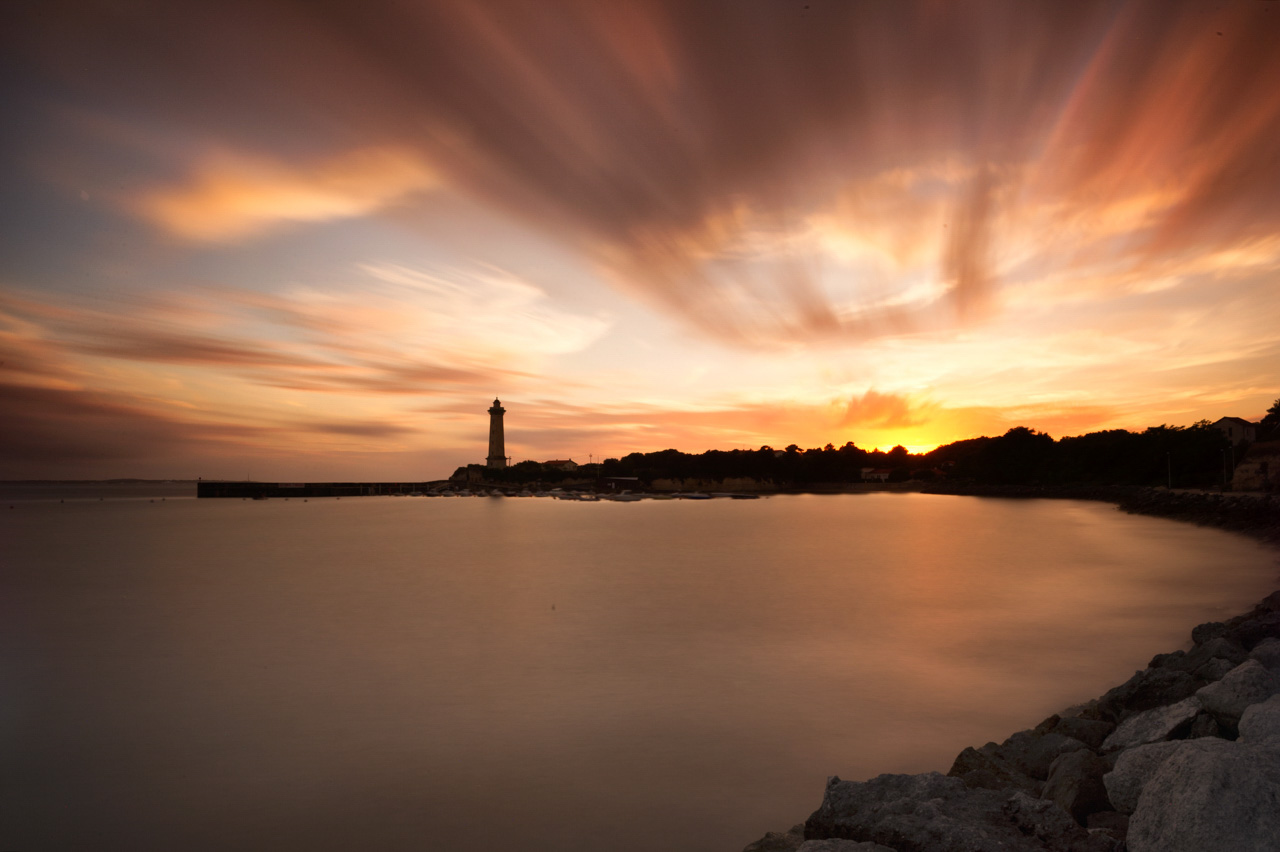
The mouth of the estuary of the Gironde is proudly guarded by the king of lighthouses: Cordouan. Taking photographs is not easy in the region because everything is unpredictable. Tides, clouds , winds are parameters that will make varied lights. How to make pictures? The answer is very simple: choose a site, prepare your equipment then wait the surprise. Each time of day is different. Every day is different. Every season is different. It takes perseverance and creativity. It happened that we went 10 consecutive days on the same site and come back with totally different photographs. Choice in the selection becomes very difficult. The tones can be very cold and pull the blue, they may also be warm with orange or even red tones.

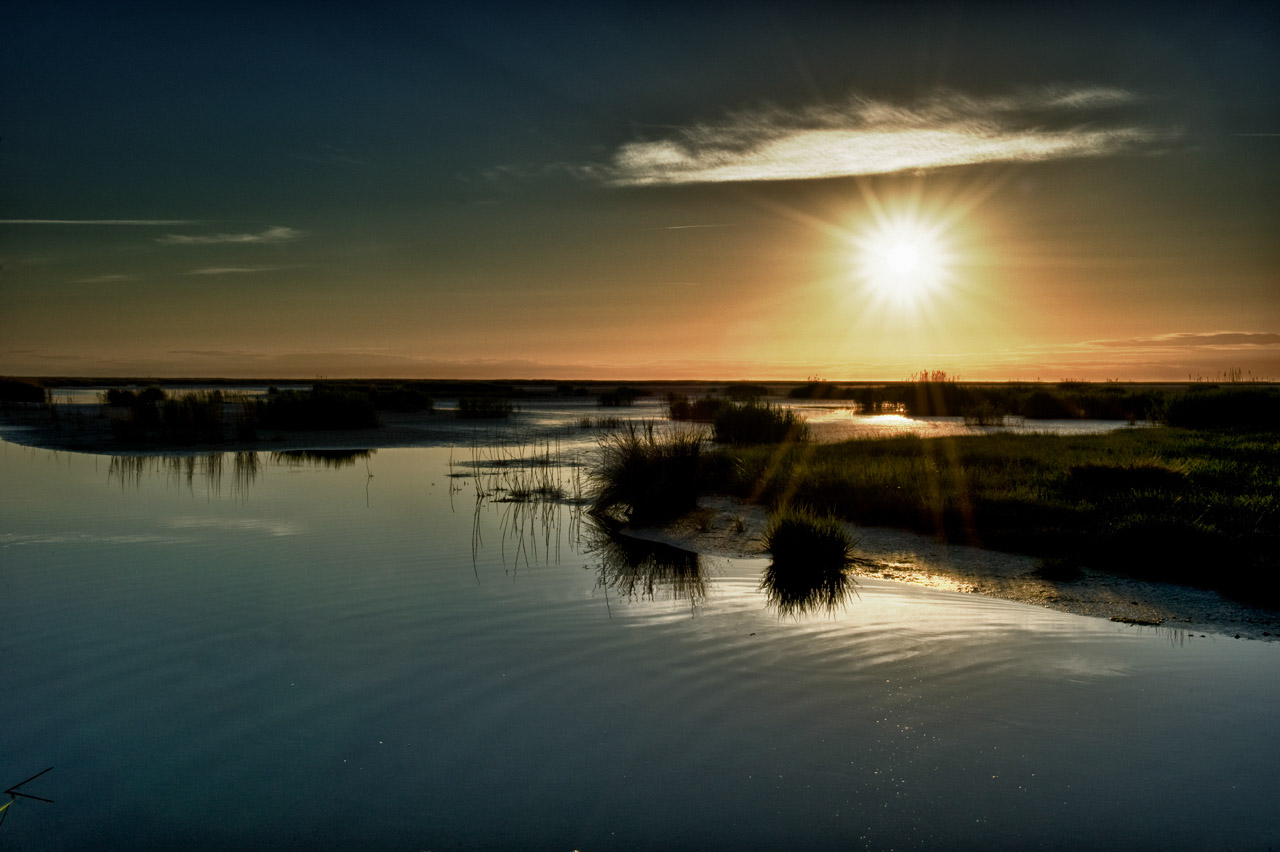
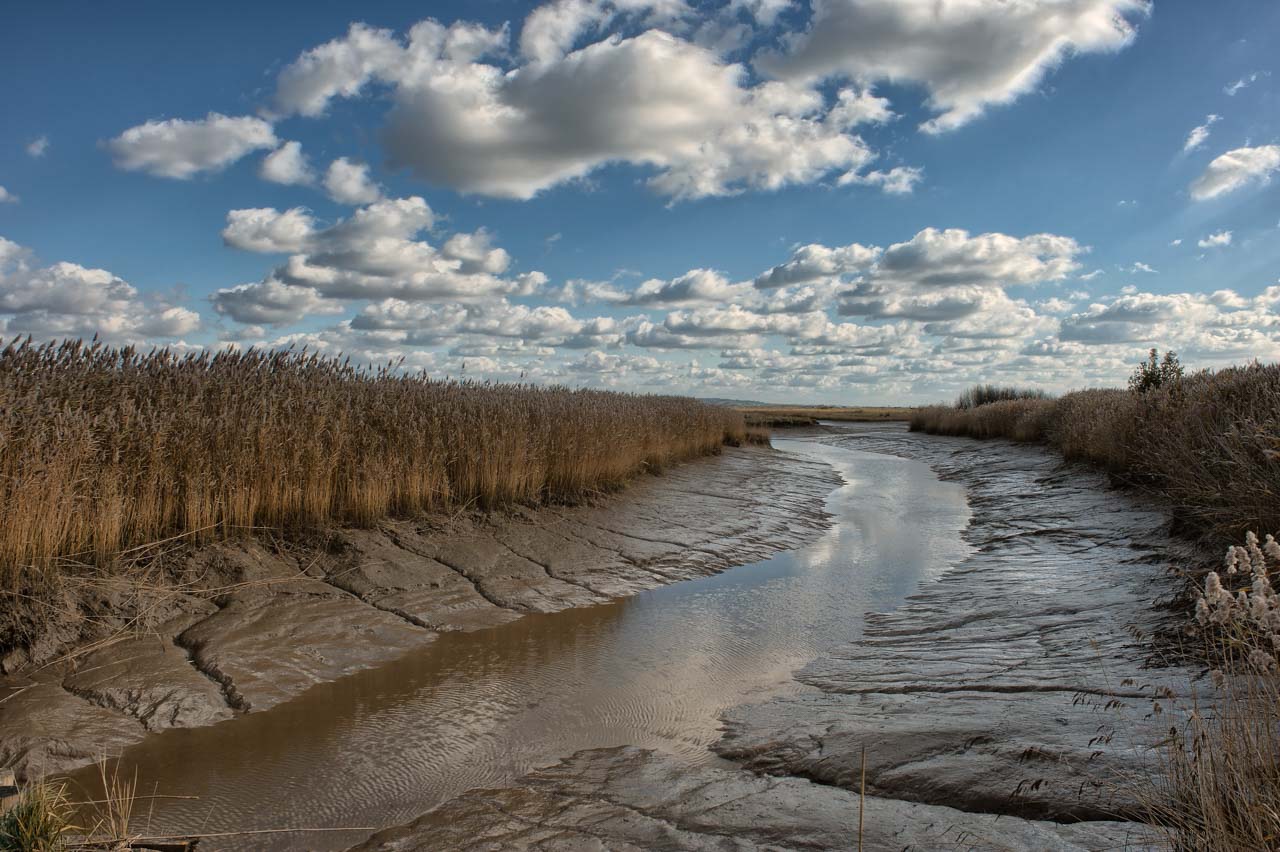
The ideal, however, is to create pictures when the tide is low or when then it rises. The edges in the north of the estuary are very sandy and covered with mud and silt in the south. The sand offers pictures with lots of details and structures in materials. The mud has beautiful multi colored reflections and allows very creative photos. The estuary is a permanent show for those who know how to watch and enjoy the beautiful lights. 75 kilometers of coastline and 635 square kilometers offer unique opportunities for wide angle or telephoto shots.

For normal people that walk along the muddy and yellow waters of the estuary see only brackish sediment-laden waters. But as a result of the Garonne river, Dordogne river and two daily tides, the seascape is constantly in motion. Sandbanks of vasards and islands are under construction or permanent destruction. Gironde carries annually 2-8,000,000 tons of suspended particles. It is a part of these particles which are responsible for creating sandbars.

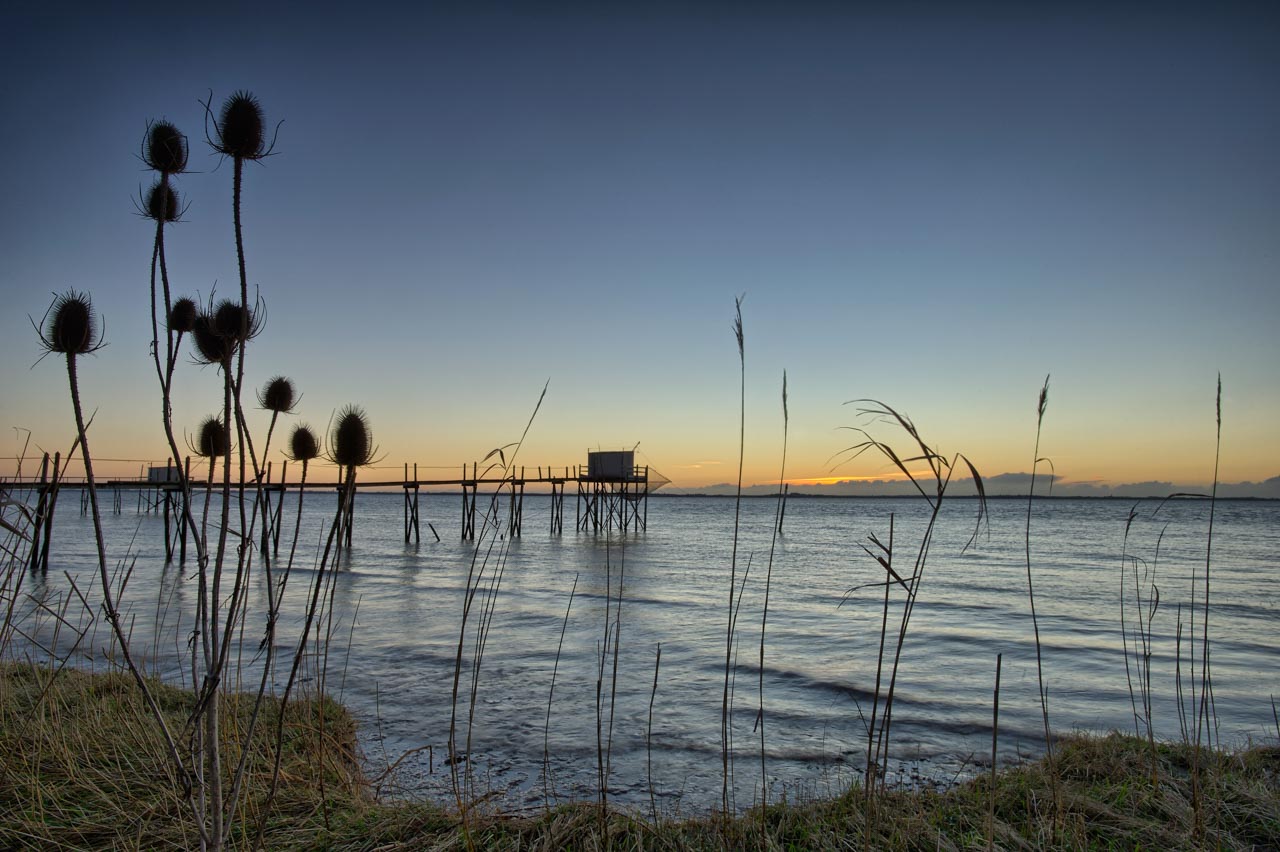
Man has always tried to shape the edges of the estuary with buildings such as the Church of St. Radegonde inTalmont sur Gironde or while constructing net fishing huts for recreational fishing. But nature with storms and high tides often takes its rights back and reminds humans who is truly the great architect and who decides to shape the landscape of the edges of the estuary.

Click on a thumbnail to enlarge it.

Landscapes of the coast of Gironde Estuary in Charente-Maritime. Photographs by Amar  Guillen.

5 steps to successful underwater photography

In the previous post, I explained some of my secrets for creating beautiful underwater photos. I will continue with some common sense rules that many photographers ignore.
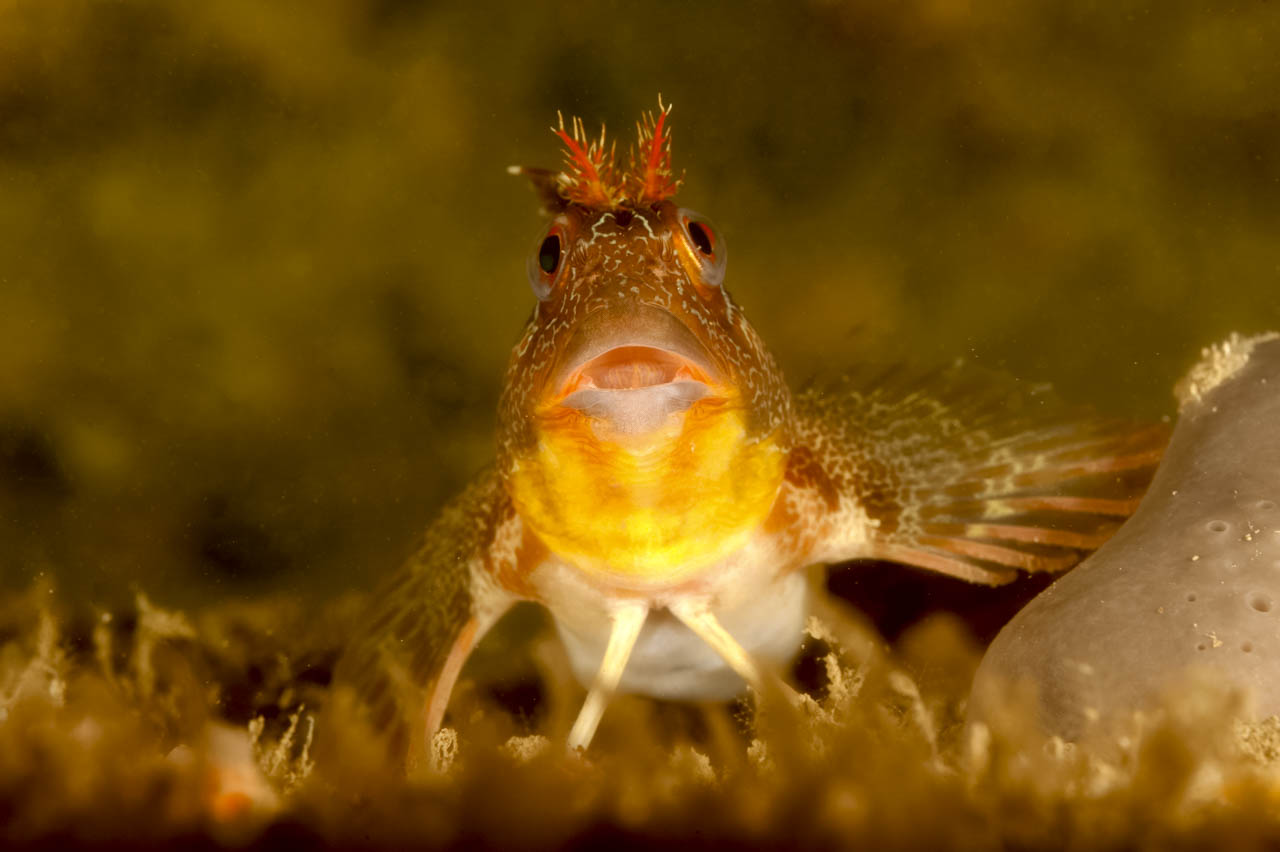
Blenny in the Gironde estuary, France.

Go Closer, a Little Closer, Even Closer

I repeat that sentence endlessly to the people who come to my photo workshops. I got it from David Doubillet, a photographer for National Geographic. In underwater photography, the closer a photographer is to their subject, the better the picture will be. This is true both when taking a close-up picture and when using a mix of natural and artificial light to photograph a larger scene. This is why I always use lenses with a short focusing distance (from 6 to 16 inches).

Creating a Photograph Vs. Taking a Photo

Creating a good photograph involves far more than simply selecting the correct setting on the camera, pointing it at something, and taking a picture.

Today, cameras are very sophisticated. Just integrate them into an underwater housing, add a flash, and voila. You are all ready to do what I call “taking a photo with a camera”.

It's very easy to push the button on your camera, but that action does not create a photograph. It only makes a photo. A photograph is an act of creation. It is a way to show the underwater world to other people. It is a work of art.

Creating a photograph is a difficult process to describe. During trips and workshops, I spend several days explaining it. I will summarize the process I use in creating my photographs.

The process of creating an underwater photograph involves 5 steps:

  • The first step is to find a subject to photograph. The photographer has to put himself in place of the audience, and ask, "What do I want to show people? What message do I want to send them? If it's a photo of a scene, what atmosphere do I want it to have?”
  • The second step is to determine whether natural or artificial lighting will highlight the subject better.
  • The third step is to compose the available elements into a scene, and choose the background, the foreground, the negative space, and the background color.
  • The fourth step is to choose the frame to properly highlight the subject.
  • Finally, the fifth step is to choose the camera’s settings. All of them have to be exactly right.

Once you have gone through all 5 steps, then you are ready to trigger the camera. What I have just described is the basis of the creation process. Each step could include several pages of explanations, examples, and anecdotes. I have only included a summary here.

Most photographers make photos, but they are not able to create photographs in the artistic sense. When I meet them, I strive to give them the best and simplest possible explanations, so that after a few days they are able to have fun in the water, playing with the elements and using all the tools they have at their disposal. I have often seen photographers transcend their previous work after a week of traveling with me. Their perception of the underwater world is entirely different.

What Makes a Sharp Picture?

On a purely technical level, the most important criterion for a photo is that the subject should in focus and sharp. A lot of photographers just analyze their pictures on the screen at the back of the camera. However, that little screen does not tell you whether your picture is sharp. There are two ways to tell. The first is to use the zoom function on the camera. Zoom in as far as possible and look at the subject. The second is to analyze the photograph at 100% zoom on a computer. These are the only two ways to tell whether a picture is really sharp. In underwater photography I recommend using the camera zoom because it is often impossible to return to exactly to the same place during another dive. This again demonstrates the importance of knowing your equipment.

Using Editing Software for a WOW Effect

Today, using editing software to develop an underwater photograph is indispensable. If 5 underwater photographers with good skills are placed in front of the same scene, there is a good chance that they will produce extremely similar pictures.

The only way to bring a personal touch to your photographs and make sure that they reflect your vision is to use editing software. Alterations and corrections are often simple and easy to implement, but they make all the difference. This development is not meant to create something unreal. It simply ensures that the picture matches what you saw on the dive. Digital sensors often have a much more limited dynamic range than the human eye. The use of specific software can correct this defect with a few clicks. It is also possible to saturate the colors for a more natural effect, or enhance the details. Anything in the finished photo that does not look like it did when you were diving can be edited to reflect what is really there.

These are just a few ways to get the famous WOW effect. The list of possibilities is long. It would take too long to describe them in this blog post. In my workshops, I study simple and effective techniques for improving underwater photos. Every day, based on what I have studied, I explain tools that any photographer can use to assist his creativity and assert his vision.

Another Secret: Sharing Photographs With Others

The underwater photographer needs to know how to dive, master stabilization, understand his camera equipment, and know how to create a photograph. All of these things are essential. However, the real secret of progress and success is sharing your photos with other photographers.

An underwater photographer must be able to show his photos to other photographers. A good photographer is able to quickly select a few photos that exemplify his work, demonstrate his creative vision, and send the messages he intends.

A photographer has to spend a lot of time examining, analyzing, and searching for inspiration in the pictures that others have made. He must put aside pride and shame. He must be humble and say that he can always improve. It is especially important to know that a photographer cannot be judged on a single image. To really assess a photographer’s skill and understand his vision, you have to look at a set of 10 to 12 pictures.

In one sense, we exist only through the eyes of others. They are the ones who can tell me what image we are projecting through my art. We always need their remarks, comments, and criticism. They make me grow, both as photographers and as people. We must be open to what others say.

Only by sharing them with others can I fulfill the purpose of my photographs. I say that even the most beautiful photograph in the world, if it remains in a drawer, will undoubtedly be the least known and the most misunderstood.

Underwater Photography: an Art, not a Pastime

Photography is not just the mechanical operation of pressing a trigger. All the photographers who think that continue to "take pictures". One day or another, they will get tired of all their pictures looking the same. They will leave their camera in the closet.

Underwater photography is an art, a way to show the underwater world to an audience. It shapes my philosophy of life. It allows me to show others the beauty of the seabed and the fragility of the marine world and get the message across that I must preserve it for my own safety. It is an art which requires humility. It forces me to challenge myself to go further in creating, and in sharing my pleasure and passion with others.

Today, for a few hundred euros or dollars, it is possible to buy high quality equipment, but the equipment does not make the photographer. The key is to know other photographers, share your work, and listen to their input. The equipment comes second.

My motto is “Dream, Discover, Explore." The underwater world seen through the lens of a camera is unimaginably beautiful. Do you want to try to see what it looks like?

Goby on a coral in Carribean sea off Bonaire.
  1. Knowing How to Manage Light is the Secret of Successful Underwater Photos
  2. My “10-10-10-30-40 rule” in Photography
  3. The Wild Boar in Charente-Maritime, West of France
  4. Encounter with a very angry wild boar sow in Charente-Maritime, France

Page 151 of 201

  • 146
  • 147
  • 148
  • 149
  • 150
  • 151
  • 152
  • 153
  • 154
  • 155
  1. You are here:  
  2. Home
  3. Blog Photographic Approach

Share on Social Media

Post
Share
Share
E-mail
WhatsApp
Text

Join Me on Social Networks

Join Me on Facebook  Join Me on Instagram  Join Me on LinkedIn

Claim your free guide to make your photo impactful and meaningful

Claim Your Free Guide '50 Pages of Tips to Give Impact and Meaning to Your Photos'.

4 + 8 =

Click Here To Discover All My Chronicles About the Photographic Approach.

Treat Yourself to a Fine Art Print That Matches your Personality

Example of a vacation home interior with a black and white fine photo art displayed on the wall.

Fine Art Print Collections in Black and White

Fine Art Print Collections in Black and White Black and white photography is a suitable technique for many nature scenes. It requires a particular frame of mind. A black and white photograph should be prepared and planned from the framing to the…
11991
Fine Art Print Collections in Black and White
An abstract art photo displayed in a contemporary living room decor.

Fine Art Print Collections in Color

Collections of Fine Art Prints in Color Color photographs allow digressions and take the audience to the message by secondary ways. The world around us, especially nature, is colorful. A color image can show the way our surroundings really are. Of course, it…
10440
Fine Art Print Collections in Color
Example of a home interior with fine art prints in my style back to black displayed on the wall. These photos are a part of my collection 'Wild beauties of Kenya'.

Fine Art Print Collections in Back to Black

Fine Art Print Collections in Back to Black I want to share my fine art prints of nature in a personal style that I call "back to black." "Back to Black" was developed to embody a sharp and clean style for artistic photos that can be hung in your living room,…
9980
Fine Art Print Collections in Back to Black
A waiting room with a photo in the style Fusion displayed on the wall. Grey Heron in Fusion.

Fine Art Print Collections with the Fusion Style

Fine Art Print Collections with the Fusion Style I would like to share a very creative and modern photography style to represent Nature in a very different way. I call it "Fusion." I created the style to offer dynamic photos, allowing you to start a good day…
7908
Fine Art Print Collections with the Fusion Style
A living room with a photo in the style 'Impression' exposed on the wall. Rising sun in impression

Fine Art Print Collections with the ‘Impression’ Style

Fine Art Print Collections with the ‘Impression’ Style The objective of this photographic style is to create the ephemeral blurs. That's why I named it 'Impression.' Photography, as an art form, is a powerful means of expressing reality from different…
5827
Fine Art Print Collections with the ‘Impression’ Style
Fine art prints from the style back to black displayed on a wall. Amar Guillen, photographer artist

New Collections of Fine Art Prints Dedicated to the Wonders of Nature

New and Updated Fine Art Print Collections Dedicated to the Wonders of Nature Fine art prints from the style back to black displayed on a wall.
11446
New Collections of Fine Art Prints Dedicated to the Wonders of Nature

Themes of the Blog Articles

Landscape of Arches National Park in Utah in black and white.

Blog Articles Dedicated to Artist Statement

Blog Articles Dedicated to Artist Statement
Dunes of death Valley in Black and White

Blog Articles Dedicated to Black and White Photography

Blog Articles Dedicated to Black and White Photography
Abstract photo or trees reflection on water

Blog Articles Dedicated to Photographic Mindset

Blog Articles Dedicated to Photographic Mindset
Abstract photo of ridles on water

Blog Articles Dedicated to Artistic Photography

Blog Articles Dedicated to Artistic Photography
Abstract photo of Yellowstone

Blog Articles Dedicated to Photographic Language

Blog Articles Dedicated to Photographic Language
Pronghorn in Yellowstone

Blog Articles Dedicated to Wildlife Photography

Blog Articles Dedicated to Wildlife Photography
Landscape of Bryce Canyon

Blog Articles Dedicated to Photographing United States

Blog Articles Dedicated to Photographing United States
Underwater waves in the Red Sea

Blog Articles Dedicated to Photographic Techniques

Blog Articles Dedicated to Photographic Techniques
Tree of Black Canyon in Black and White

Blog Articles Dedicated to Landscape Photography

Blog Articles Dedicated to Landscape Photography
Manta Ray in Maldives in Black and White

Blog Articles Dedicated to Underwater Photography

Blog Articles Dedicated to Underwater Photography
Red Deer stag during the rut of the deer

Blog Articles Dedicated to Photographic Judgement

Blog Articles Dedicated to Photographic Judgement
Great Crested Greb and his chick

Unclassified Blog Articles

Unclassified Blog Articles

You Might Be Interested By One of These Photographic Approach Articles

Photograph in black and white of the Grand Canyon from Arizona State in USA.

Why and How Mastering the Steps of Creating an Art Photograph

3603
Why and How Mastering the Steps of Creating an Art Photograph
An example of a narrative photo. Landscape of Island in the Sky in the Canyonlands in Utah in United States. Photo in black and white by Amar Guillen.

Why and How: Creating Impactful Narrative Photos

4118
Why and How: Creating Impactful Narrative Photos
Snowy landscape of Yellowstone during winter.

3 Steps for Giving Meaning to Your Photos

8750
3 Steps for Giving Meaning to Your Photos
Two lions in Kenya. Photographed in black and white. Photograph by Amar Guillen, photographer artist.

To Create Aesthetics Photos, Print your Images

4238
To Create Aesthetics Photos, Print your Images

Receive Free Tips On How to Give Impact and Meaning to Your Photos. Subscribe to Receive Regular Articles.

2 + 7 =

Contact Me By Email

10 + 9 =
This site is protected by reCAPTCHA and the Google Privacy Policy and Terms of Service apply.

About Amar Guillen, Creator of Fine Art Prints of Nature
As a photographer capturing the artistic essence for several decades, I have mastered the art of crafting an authentic experience for art enthusiasts and collectors of visual art.
When I observe my surroundings, be it friends, family, relationships, or professional contacts, I see souls in perpetual motion. Every moment of their existence is engulfed by daily hassles, work concerns, social media, online or televised information streams, and videos on the web.
Every minute, they strive to accomplish something, fearing losing ground and feeling marginalized in this frenzied society. Imprisoned by an oppressive schedule, the essential eludes them, drowned in the tumult of daily life. Is it really crucial to watch yet another cat video on the internet? Is it necessary to post twenty daily messages on social media?
Despite this, they remain constantly stressed and anxious about the challenges of the world, without being able to influence these monumental problems. It is at this moment that my artistic nature photographs come into play. Those who have had the privilege of hanging one of my works in their personal or professional space have expressed a radical transformation in their lives.
Every day, contemplating these works of art immerses them in tranquility, inner peace, and rediscovered serenity. They then understand that nature has the power to unravel tensions, to encourage reflection on the essential. Artistic photographs thus become open windows to the wonders of nature.
I have chosen to share the best of myself by helping others discover their identity, personality, style, all while reconnecting with nature. Take the time to explore my artistic photographs if you wish to reveal your true essence. Once hung in your space, your view of the world will be transformed.
Amar Guillen is a creator of fine art prints of nature.
I am Amar Guillen, creator of nature art photographs. I have a deep conviction that contemplating nature has the power to transform human beings. If everyone learned to know, respect, and preserve nature, our world would be transformed into a haven of peace where everyone would find their place.
Copyright © 2003 - 2026 Guillen Photo LLC - All rights reserved. Amar Guillen, professional photographer since 2003.
  • Blog
  • Calibration
  • Legal Information
  • Sitemap
  • Accessibility
  • Contact Me
  • Updates of the Website
I Want to Help You to Create Interesting Photos

How Can I Help You To Create More Interesting Photos?

Ask Me a Technical Question.
Subscribe to my Newsletter. The Inspiration Behind Guillen Photo.

Select your language

  • English (United Kingdom)
  • Français (France)
Claim your free guide to make your photo impactful and meaningful

Claim Your Free Guide '50 Pages of Tips to Give Impact and Meaning to Your Photos'.

6 + 7 =

Contact Me By Email

8 + 3 =

Office Address:
3512 Robin Road
Plano Texas 75075
USA

Office phone: (+1)214-769-6825